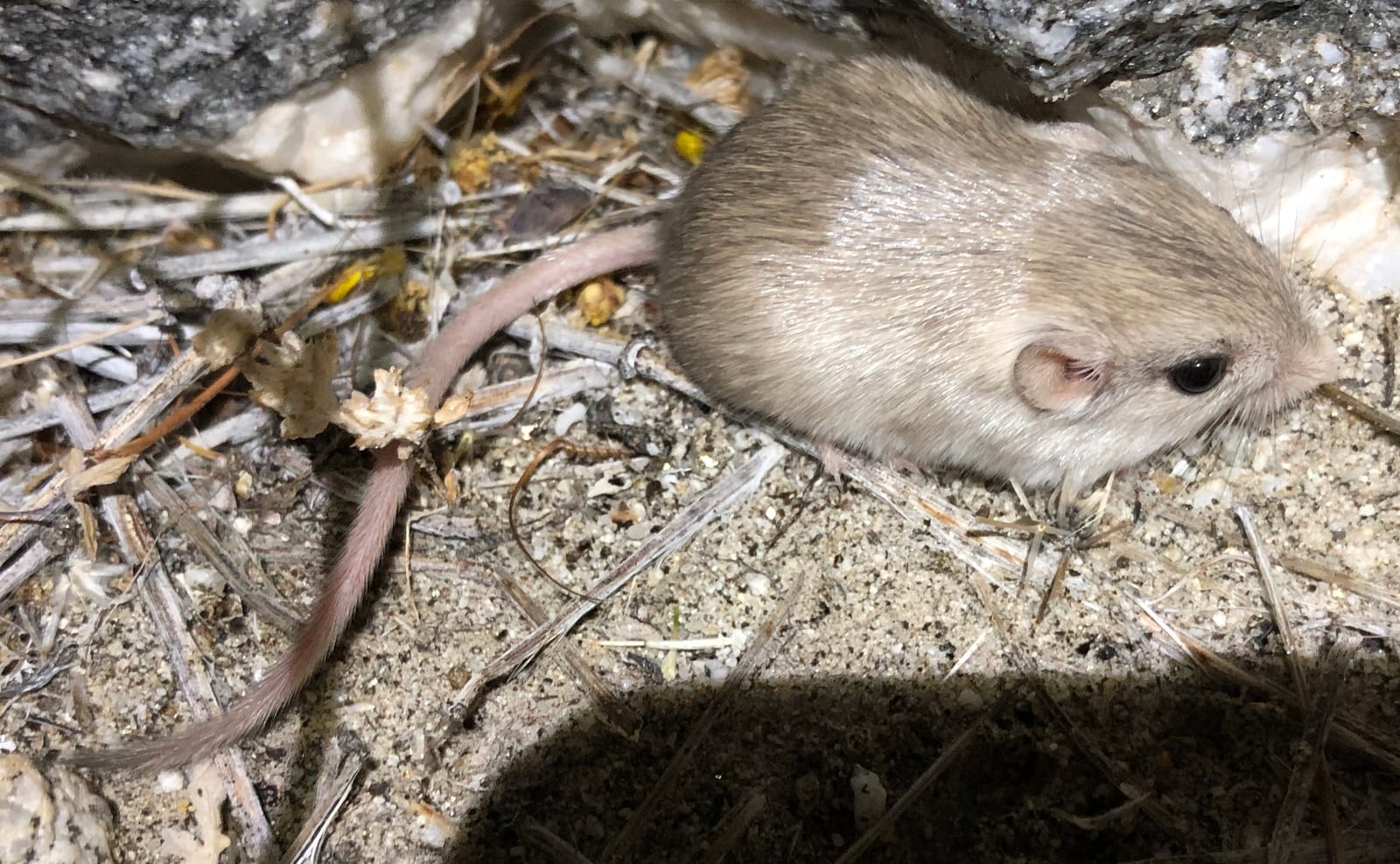
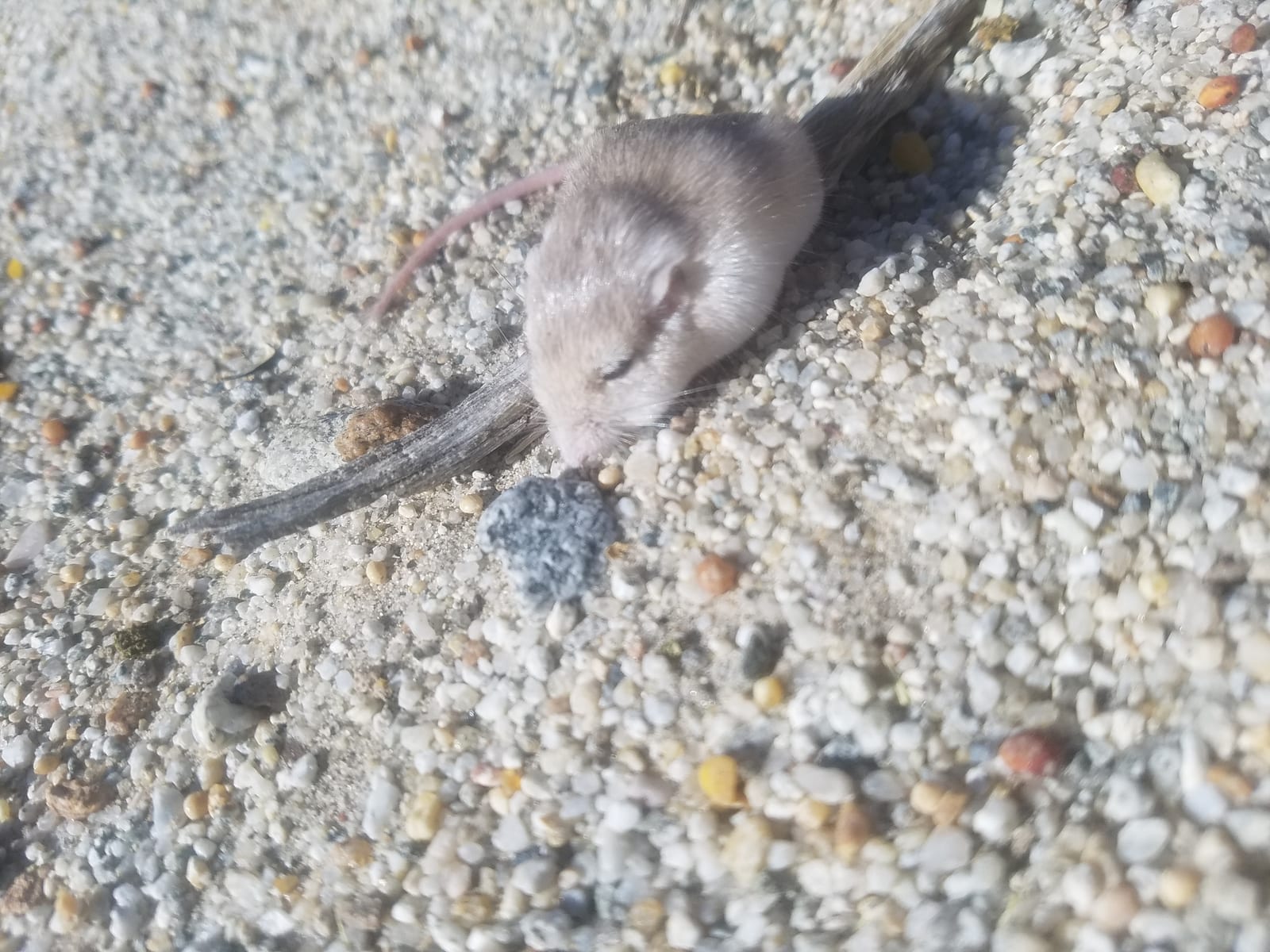
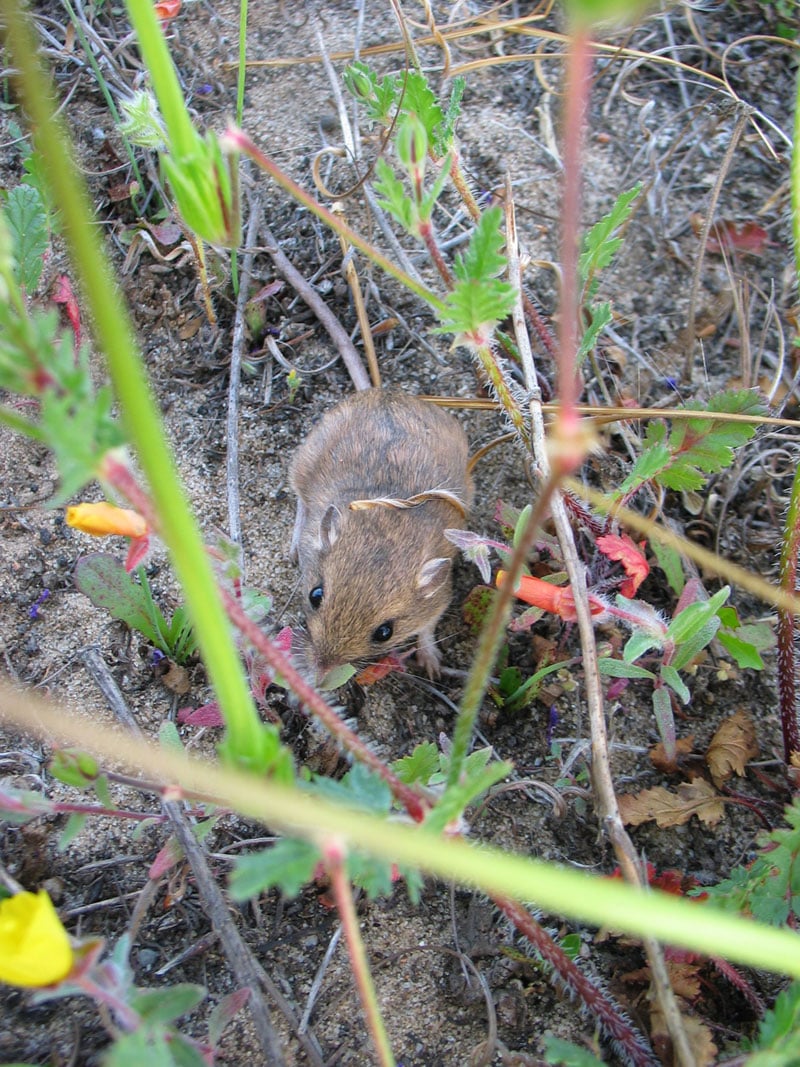
Nevada records for the little pocket mouse center on Nye, Lincoln, and Clark counties, and the named protected sites among them are led by Gold Butte National Monument and Death Valley National Park. They show where people have reported it, not how many animals live there.
These sites place the Nevada record pattern firmly in the state’s southern desert country. The protected lands also span springs, canyons, and open basin terrain. The monthly pattern bunches from March through May, peaking in May, with no records dated November through February. It tracks observer records and shouldn’t be read as a population count.
The file holds 298 records, 296 of them from GBIF; the 8 research-grade iNaturalist observations mostly duplicate those, adding just 2 more. Those 298 records measure documented encounters, not Nevada’s population size. It’s native to Nevada. Nevada doesn’t specifically list it under the state’s conservation framework, and the IUCN lists it as Least Concern.
 Full species profile