Utah mammals

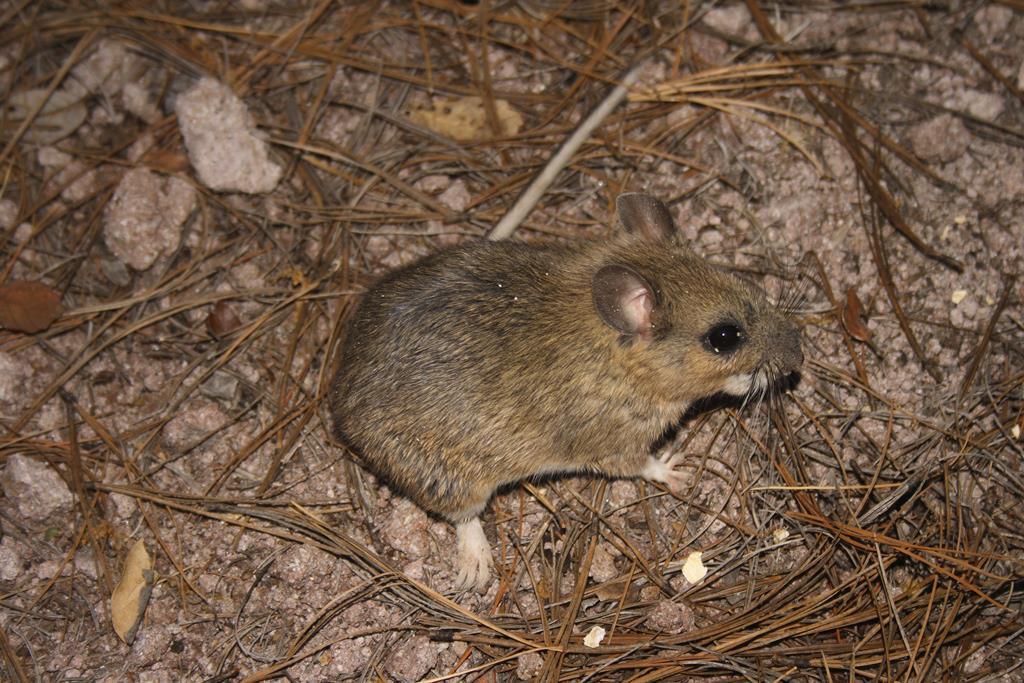
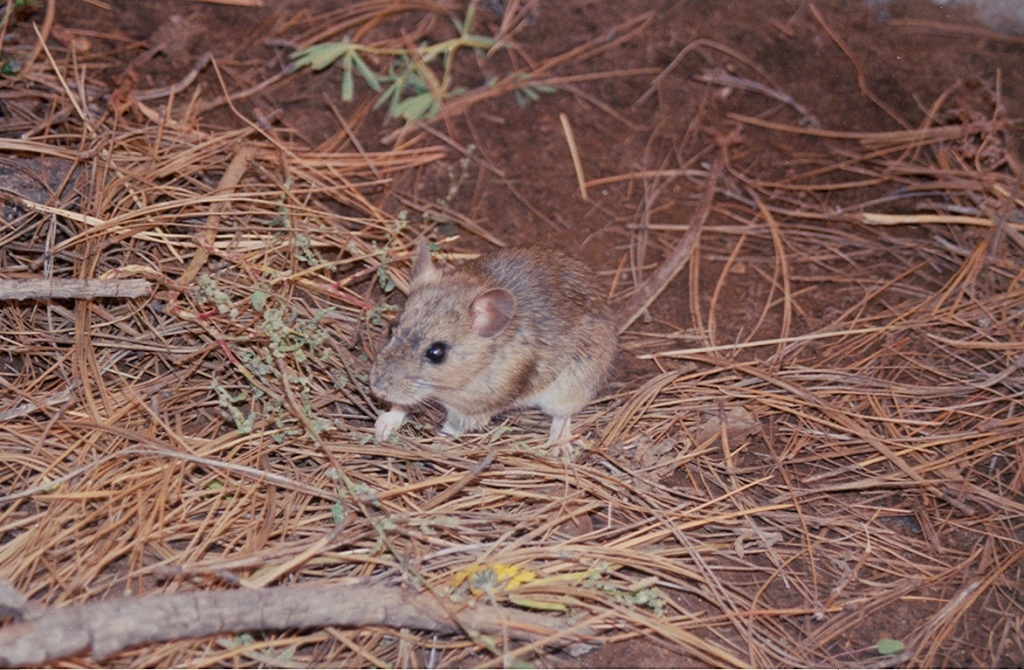
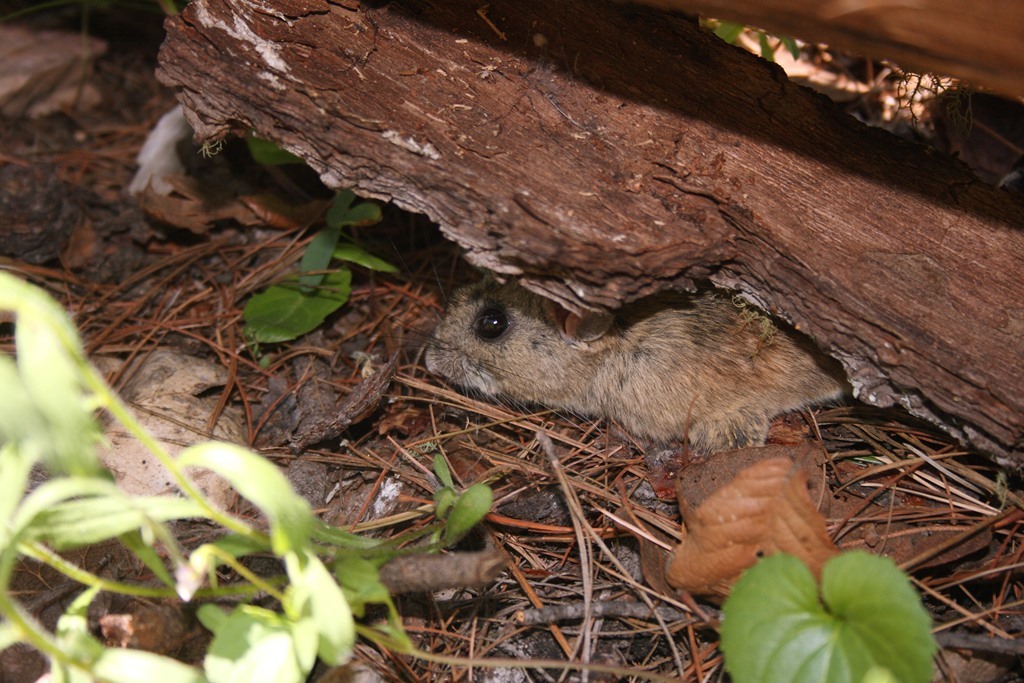
Mexican Woodrat in Utah

Neotoma mexicana

Native to Utah S2 Imperiled in Utah

Not listed as nonindigenous in Utah by USGS NAS; native to its Utah range.

IUCN Red List status

  1. LC
  2. NT
  3. VU
  4. EN
  5. CR
  6. EW
  7. EX

LC – Least Concern

Widespread and abundant; not at risk.

Mexican Woodrat in Utah, by the numbers

Occasional in Utah 77th most recorded of 141 mammals logged in Utah

60 occurrence records
1 with iNaturalist photos
Aug 29, 2022 Last seen in Utah

Records from 2000–2026.

When to look for the Mexican Woodrat in Utah

Most sightings fall in May to June.

60 Utah occurrence records (iNaturalist and GBIF) by month of year, 2000–2026. Shows when the species is recorded, not a guarantee of presence.

Monthly Utah records (table)
MonthRecords
January0
February0
March0
April7
May14
June19
July10
August3
September3
October4
November0
December0

Monthly mexican woodrat occurrence records (iNaturalist and GBIF) in Utah, 2000–2026.

Seasonality

Year-round in Utah, with recorded sightings peaking in May–June.

Occurrence map

Where Mexican Woodrat has been recorded in Utah

60 records mapped · zoom and drag to explore

60 Utah records mapped

Notable places to look

Park, forest, or monumentiNaturalist records
Bears Ears National Monument 3
Hovenweep National Monument 1

Protected places with the most mexican woodrat sightings, from the USGS Protected Areas Database plus named mountain ranges, good spots to look, not a full breakdown, so they don't sum to the total.

Where it's recorded in Utah

CountyRecords
San Juan County 48
Grand County 12

The complete county distribution, spread across 2 Utah counties. Every occurrence record falls in one county, so these sum to the total. Counties from GBIF and US Census boundaries.

Mexican woodrat records in Utah come only from the southeastern corner, 48 from San Juan County and 12 from Grand County, with a few named around Bears Ears and Hovenweep national monuments. This woodrat dens in rock cracks and shelters rather than the stick nests typical of its relatives, tucking into crevices near pinyon, juniper, and oak stands that supply its food.

Utah’s 60 recorded sightings cluster from April through July, peaking at 19 in June, with just 10 from August through October. Only one of those records came from iNaturalist; the rest trace back to GBIF, suggesting the count reflects targeted small-mammal trapping rather than casual sightings of a nocturnal, rock-dwelling rodent.

NatureServe ranks the Mexican woodrat S2, Imperiled, in Utah, a considerably more precarious status than its Least Concern global listing would suggest, worth noting given how thin the state’s own record is.
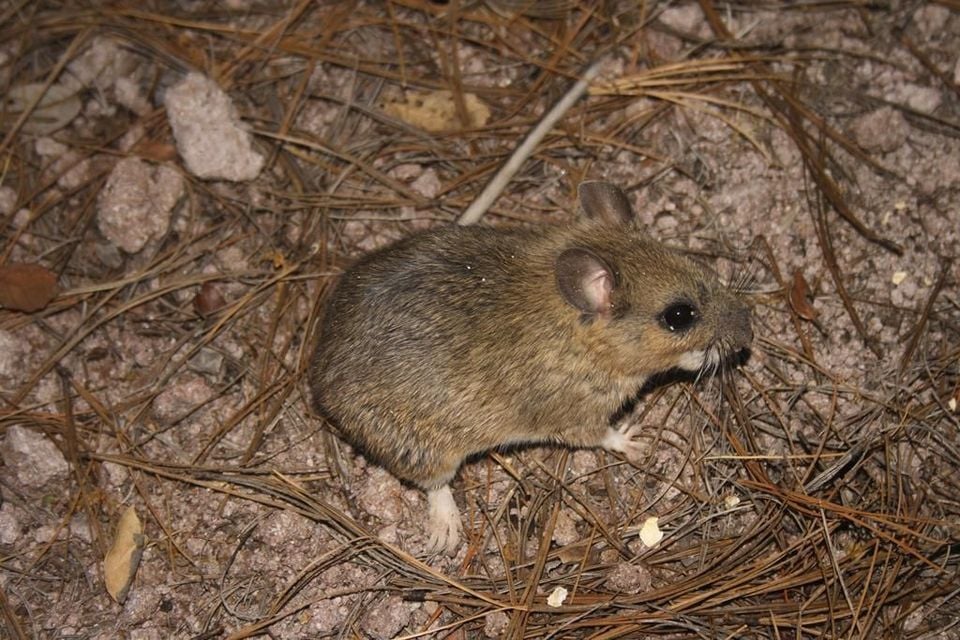

Occurrence data from iNaturalist and GBIF.

More mammals in Utah in the atlas

Data & sources

The data and visualizations on this page draw on these open sources:

  • GBIFCC-BY 4.0occurrence records behind the range map, elevation, and record counts
  • iNaturalistCC0 / CC-BY / CC-BY-SAobservations, photos, and audio recordings
  • NatureServe ExplorerCC-BYthe state conservation rank
  • IUCN Red Listattributed factthe global conservation status
  • USGS NASpublic domainnative / introduced status
  • Natural Earthpublic domainthe relief basemap
  • USFSpublic domainnational-forest boundaries
  • USGS Protected Areas Databasepublic domainthe named parks, forests, and refuges behind "notable places to look"




