Nebraska mammals

Muskrat in Nebraska

Ondatra zibethicus

Native to Nebraska S5 Secure in Nebraska

Not listed as nonindigenous in Nebraska by USGS NAS; native to its Nebraska range.

IUCN Red List status

  1. LC
  2. NT
  3. VU
  4. EN
  5. CR
  6. EW
  7. EX

LC – Least Concern

Widespread and abundant; not at risk.

Muskrat in Nebraska, by the numbers

Common in Nebraska 15th most recorded of 95 mammals logged in Nebraska

244 occurrence records
243 with iNaturalist photos
Jul 4, 2026 Last seen in Nebraska

Records from 2000–2026.

244 total records count every Nebraska occurrence from GBIF and iNaturalist; the map plots a georeferenced sample of 237; the monthly chart covers the 237 records with a full observation date.

When to look for the Muskrat in Nebraska

Most sightings fall in April to May.

237 Nebraska occurrence records (iNaturalist and GBIF) by month of year, 2000–2026. Shows when the species is recorded, not a guarantee of presence.

Monthly Nebraska records (table)
MonthRecords
January9
February9
March29
April35
May53
June22
July12
August16
September7
October19
November13
December13

Monthly muskrat occurrence records (iNaturalist and GBIF) in Nebraska, 2000–2026.

Seasonality

Year-round in Nebraska, with recorded sightings peaking in April–May.

Occurrence map

Where Muskrat has been recorded in Nebraska

237 records mapped · zoom and drag to explore

237 Nebraska records mapped

Notable places to look

Park, forest, or monumentiNaturalist records
Homestead National Historical Park 2
Eugene T. Mahoney State Park 2
Killdeer Wildlife Management Area 1
Buffalo Bill's Ranch State Historical Park 1
Dead Timber State Recreation Area 1
Agate Fossil Beds National Monument 1
Nebraska National Forest 1
Missouri National Recreational River 1

Protected places with the most muskrat sightings, from the USGS Protected Areas Database plus named mountain ranges, good spots to look, not a full breakdown, so they don't sum to the total.

Where it's recorded in Nebraska

CountyRecords
Sarpy County 69
Lancaster County 56
Douglas County 38
Buffalo County 8
Cass County 8
Dodge County 5
Sioux County 5
Garden County 5
Cherry County 4
Saunders County 4
Gage County 3
Sheridan County 3
22 other counties 36

The complete county distribution, spread across 34 Nebraska counties. Every occurrence record falls in one county, so these sum to the total. Counties from GBIF and US Census boundaries.

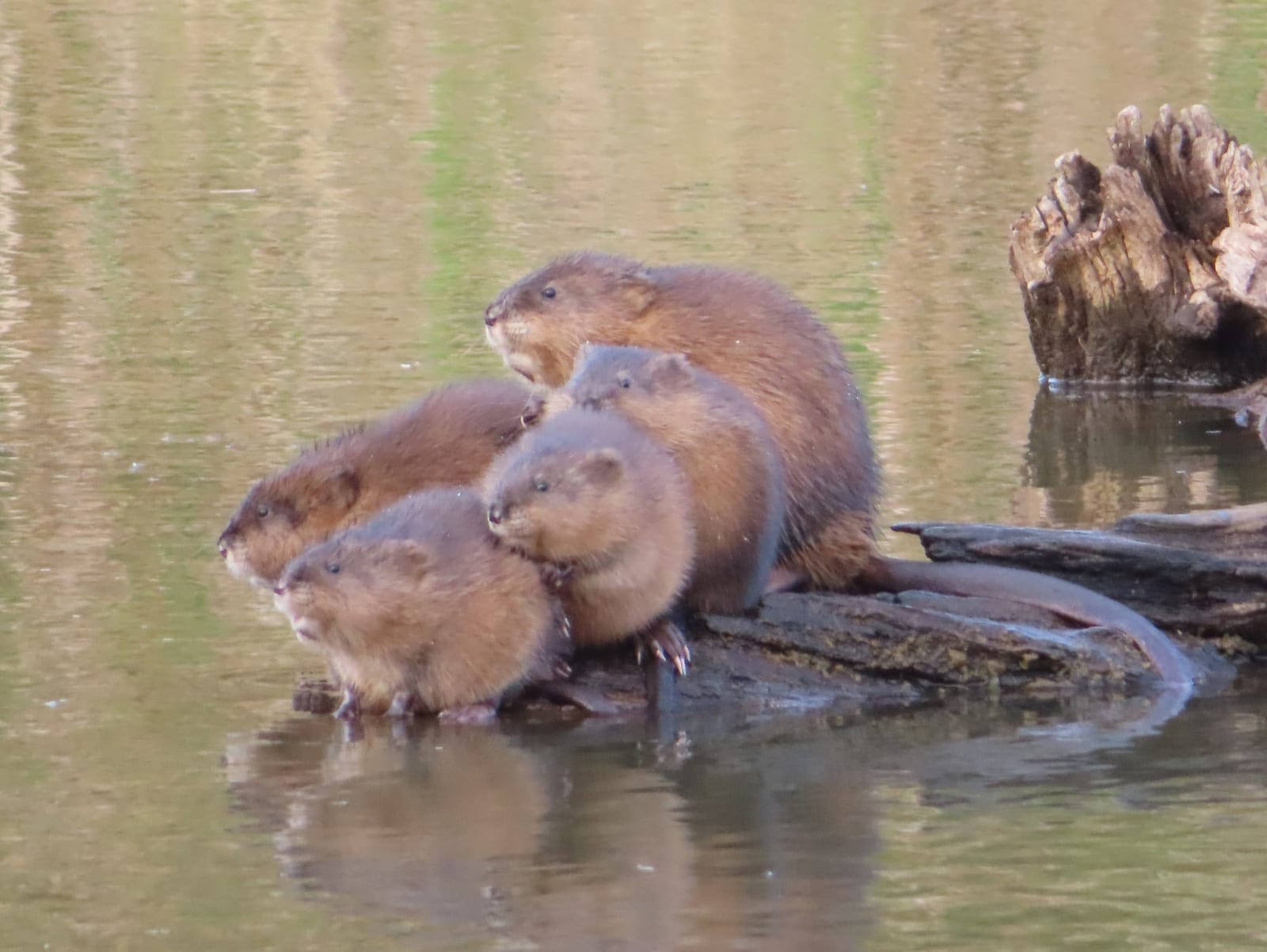
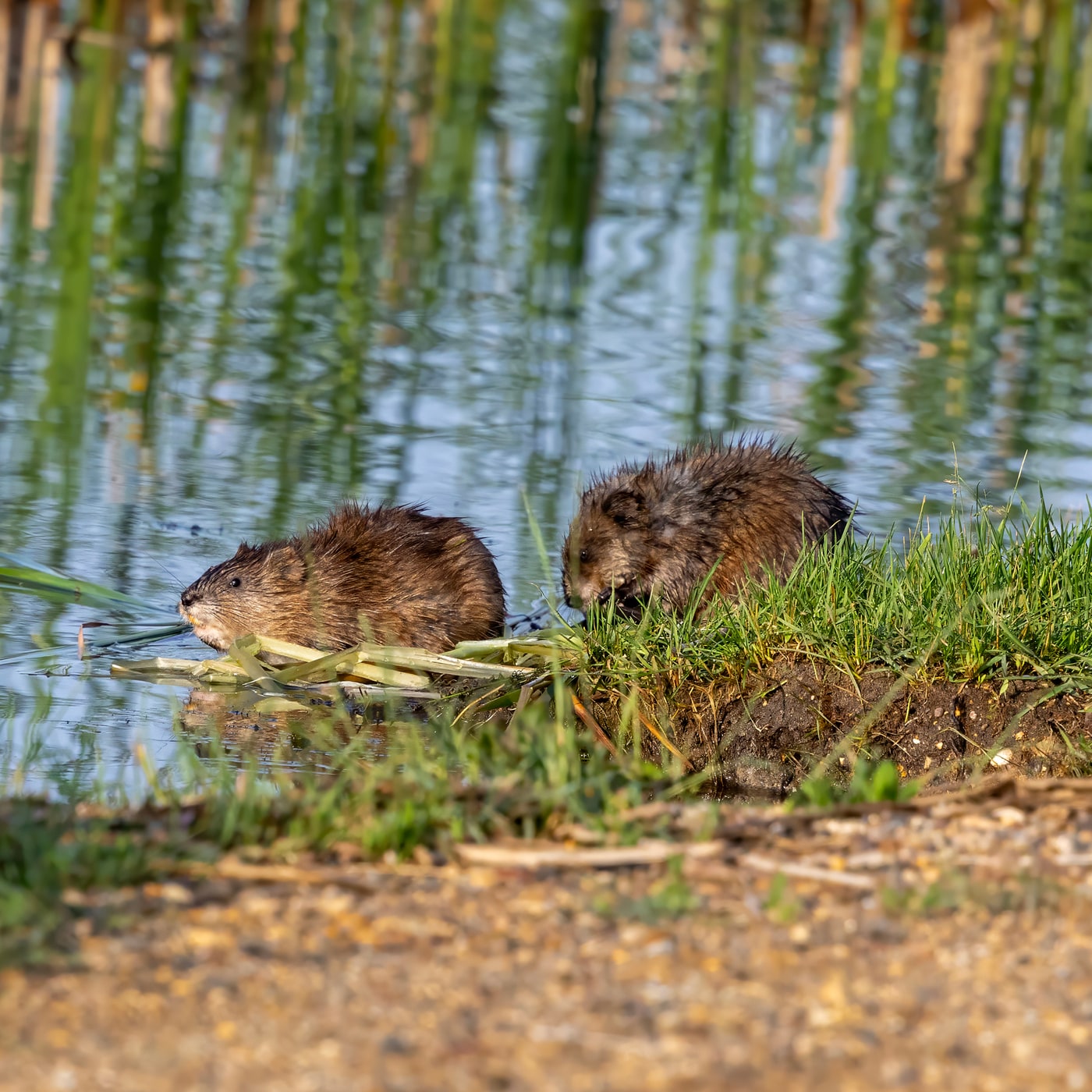
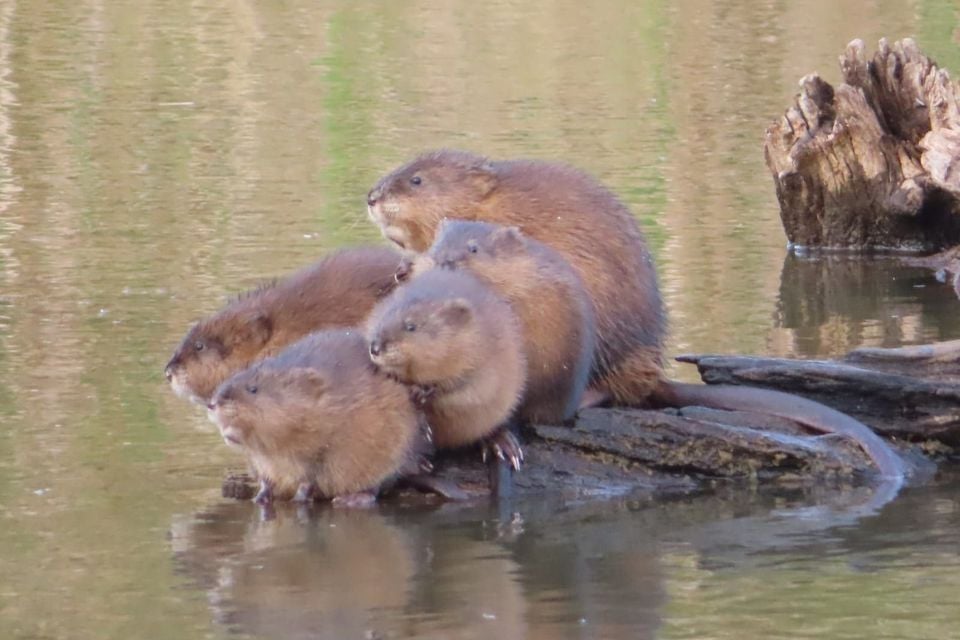
Muskrats live in Nebraska’s marshes, slow river channels, farm ponds, and vegetated lake margins. Cattails and other emergent plants provide both food and lodge material, while steep banks can hold burrow entrances hidden just below the waterline.

Where to look

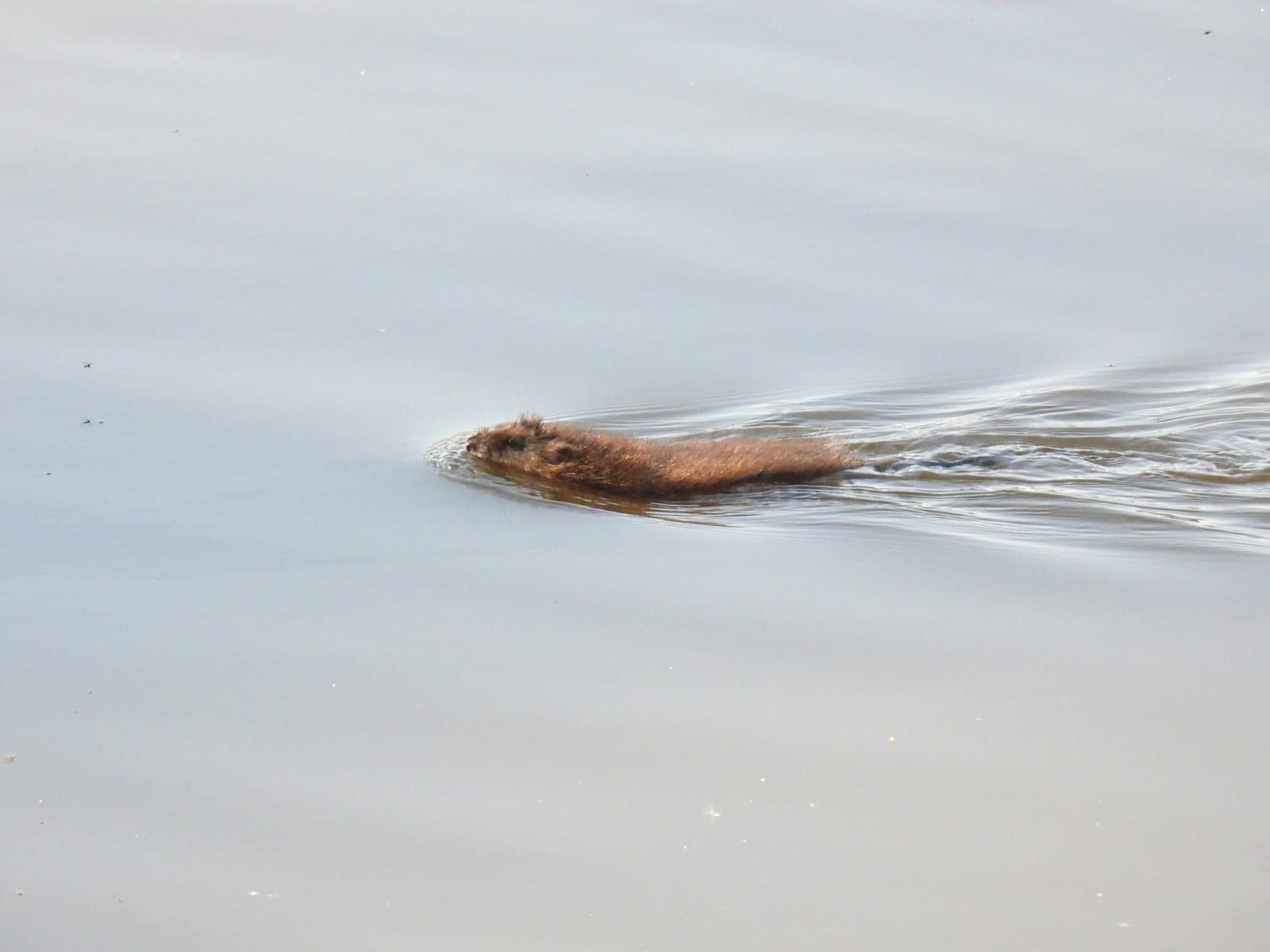
Quiet wetlands along the Platte and Missouri systems are more useful than fast main channels. Scan at dawn or dusk for a small brown swimmer leaving a narrow V-shaped wake, and check reed beds for low vegetation lodges or clipped plant stems.

Muskrats are present year-round. Sightings peak from March through May, when open water returns and spring movement makes them easier to detect.

Occurrence data from iNaturalist and GBIF.

Muskrat in other states

Muskrat range map (all states)

More mammals in Nebraska in the atlas

Data & sources

The data and visualizations on this page draw on these open sources:

  • GBIFCC-BY 4.0occurrence records behind the range map, elevation, and record counts
  • iNaturalistCC0 / CC-BY / CC-BY-SAobservations, photos, and audio recordings
  • NatureServe ExplorerCC-BYthe state conservation rank
  • IUCN Red Listattributed factthe global conservation status
  • USGS NASpublic domainnative / introduced status
  • Natural Earthpublic domainthe relief basemap
  • USFSpublic domainnational-forest boundaries
  • USGS Protected Areas Databasepublic domainthe named parks, forests, and refuges behind "notable places to look"




