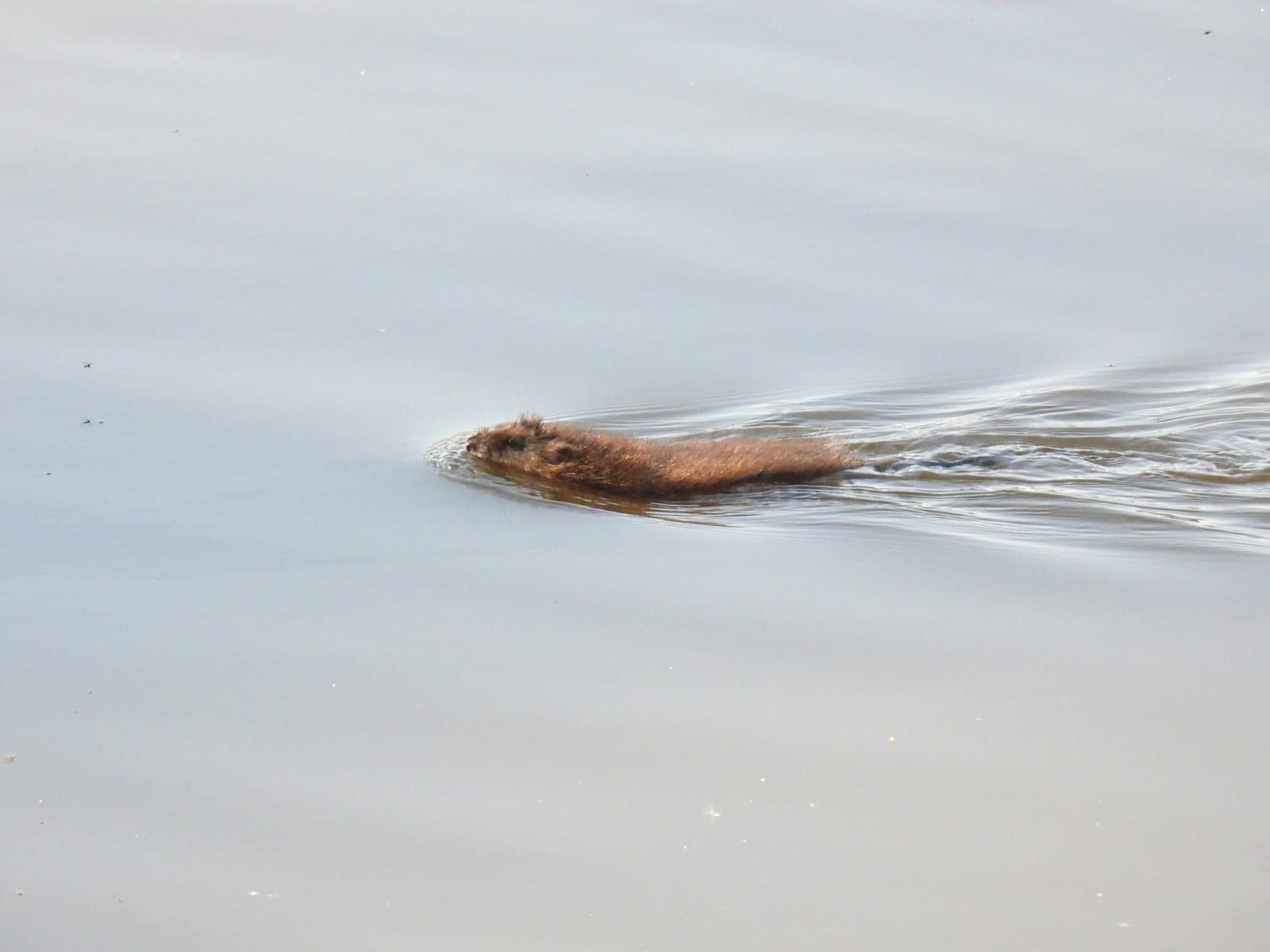
Pennsylvania mammals

Muskrat in Pennsylvania

Ondatra zibethicus

Native to Pennsylvania S4 Apparently Secure in Pennsylvania

Not listed as nonindigenous in Pennsylvania by USGS NAS; native to its Pennsylvania range.

IUCN Red List status

  1. LC
  2. NT
  3. VU
  4. EN
  5. CR
  6. EW
  7. EX

LC – Least Concern

Widespread and abundant; not at risk.

Muskrat in Pennsylvania, by the numbers

Common in Pennsylvania 16th most recorded of 73 mammals logged in Pennsylvania

732 occurrence records
732 with iNaturalist photos

Records from 2000–2026.

732 total records count every Pennsylvania occurrence from GBIF and iNaturalist; the map plots a georeferenced sample of 300; the monthly chart covers the 691 records with a full observation date.

When to look for the Muskrat in Pennsylvania

Most sightings fall in March to May.

691 Pennsylvania occurrence records (iNaturalist and GBIF) by month of year, 2000–2026. Shows when the species is recorded, not a guarantee of presence.

Monthly Pennsylvania records (table)
MonthRecords
January26
February54
March111
April154
May95
June72
July62
August37
September19
October24
November21
December16

Monthly muskrat occurrence records (iNaturalist and GBIF) in Pennsylvania, 2000–2026.

Seasonality

Year-round in Pennsylvania, with recorded sightings peaking in March–May.

Occurrence map

Where Muskrat has been recorded in Pennsylvania

300 records mapped · zoom and drag to explore

300 Pennsylvania records mapped

Notable places to look

Park, forest, or monumentiNaturalist records
Moraine State Park 10
Presque Isle State Park 8
State Game Land #284 6
Big Spring Creek 6
State Game Land #213 5
Colyer Lake Composite 5
Minsi Lake 4
Pymatuning State Park 4

Protected places with the most muskrat sightings, from the USGS Protected Areas Database plus named mountain ranges, good spots to look, not a full breakdown, so they don't sum to the total.

Where it's recorded in Pennsylvania

CountyRecords
Philadelphia County 100
Allegheny County 84
Centre County 35
Cumberland County 30
Erie County 26
Dauphin County 26
Butler County 25
Montgomery County 25
Venango County 25
Chester County 22
Luzerne County 21
Bucks County 21
48 other counties 292

The complete county distribution, spread across 60 Pennsylvania counties. Every occurrence record falls in one county, so these sum to the total. Counties from GBIF and US Census boundaries.

Philadelphia County, which is simply the city itself, logs more muskrat records than any other in Pennsylvania: 100 of the state’s 732. Allegheny County, around Pittsburgh, comes next with 84. Muskrats do well in urban creeks, tidal river edges, and park ponds, but a ranking led by the two biggest cities mostly shows where the cameras are. Every one of those 732 records comes from iNaturalist.

Beyond the cities, the named places lean northwest. Moraine State Park, built around a reservoir in Butler County, has the most, ahead of Presque Isle State Park, a sand peninsula curling into Lake Erie with marshy ponds behind its beaches. Pymatuning State Park on the Ohio line also appears, and Erie, Butler, and Venango counties all make the top dozen. Centre and Cumberland counties hold the next-largest totals after the two cities, valleys of farm streams and limestone springs in the middle of the state, and Big Spring Creek turns up as a named site there.

Records jump in March and peak in April at 154, then taper through summer and stay low from September through January, with December the quietest month. NatureServe ranks the muskrat S4, apparently secure, in Pennsylvania, one step below the top tier, and it’s native across the state.
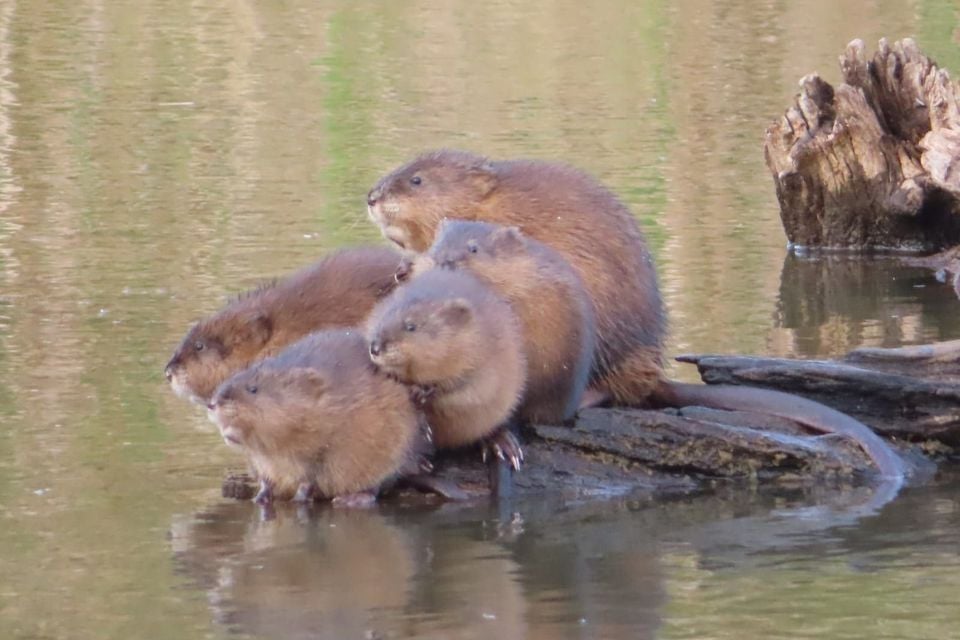

Occurrence data from iNaturalist and GBIF.

Muskrat in other states

Muskrat range map (all states)

More mammals in Pennsylvania in the atlas

Data & sources

The data and visualizations on this page draw on these open sources:

  • GBIFCC-BY 4.0occurrence records behind the range map, elevation, and record counts
  • iNaturalistCC0 / CC-BY / CC-BY-SAobservations, photos, and audio recordings
  • NatureServe ExplorerCC-BYthe state conservation rank
  • IUCN Red Listattributed factthe global conservation status
  • USGS NASpublic domainnative / introduced status
  • Natural Earthpublic domainthe relief basemap
  • USFSpublic domainnational-forest boundaries
  • USGS Protected Areas Databasepublic domainthe named parks, forests, and refuges behind "notable places to look"




