
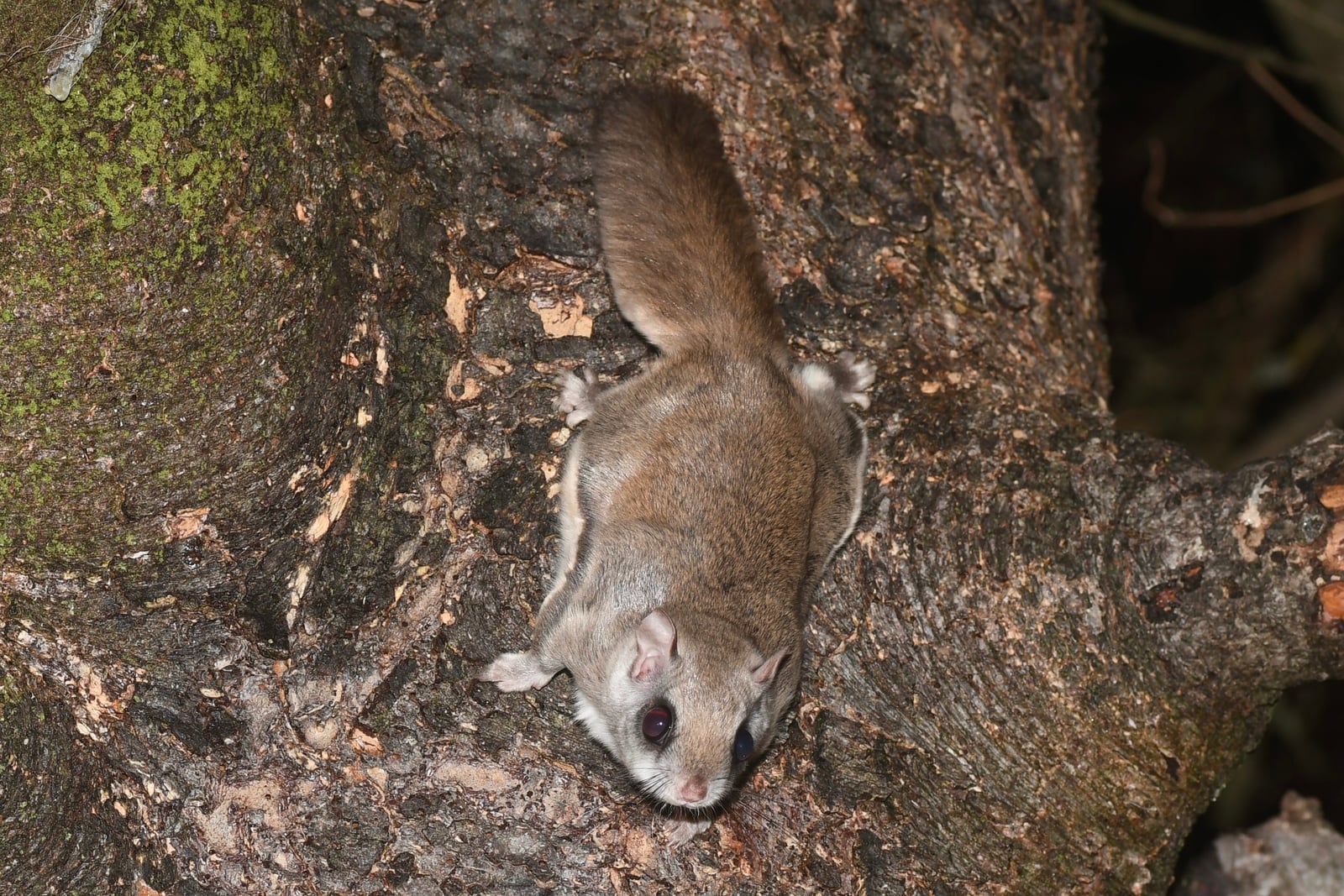
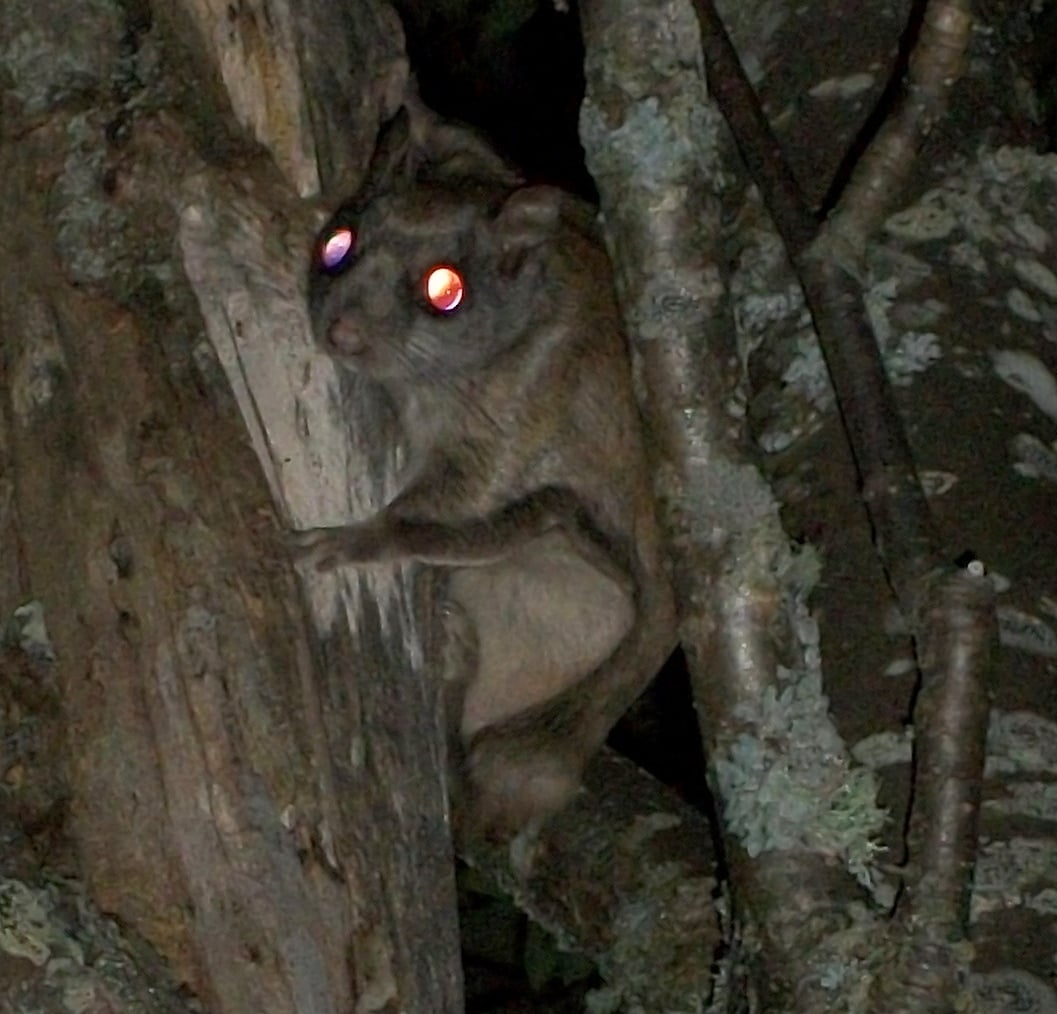
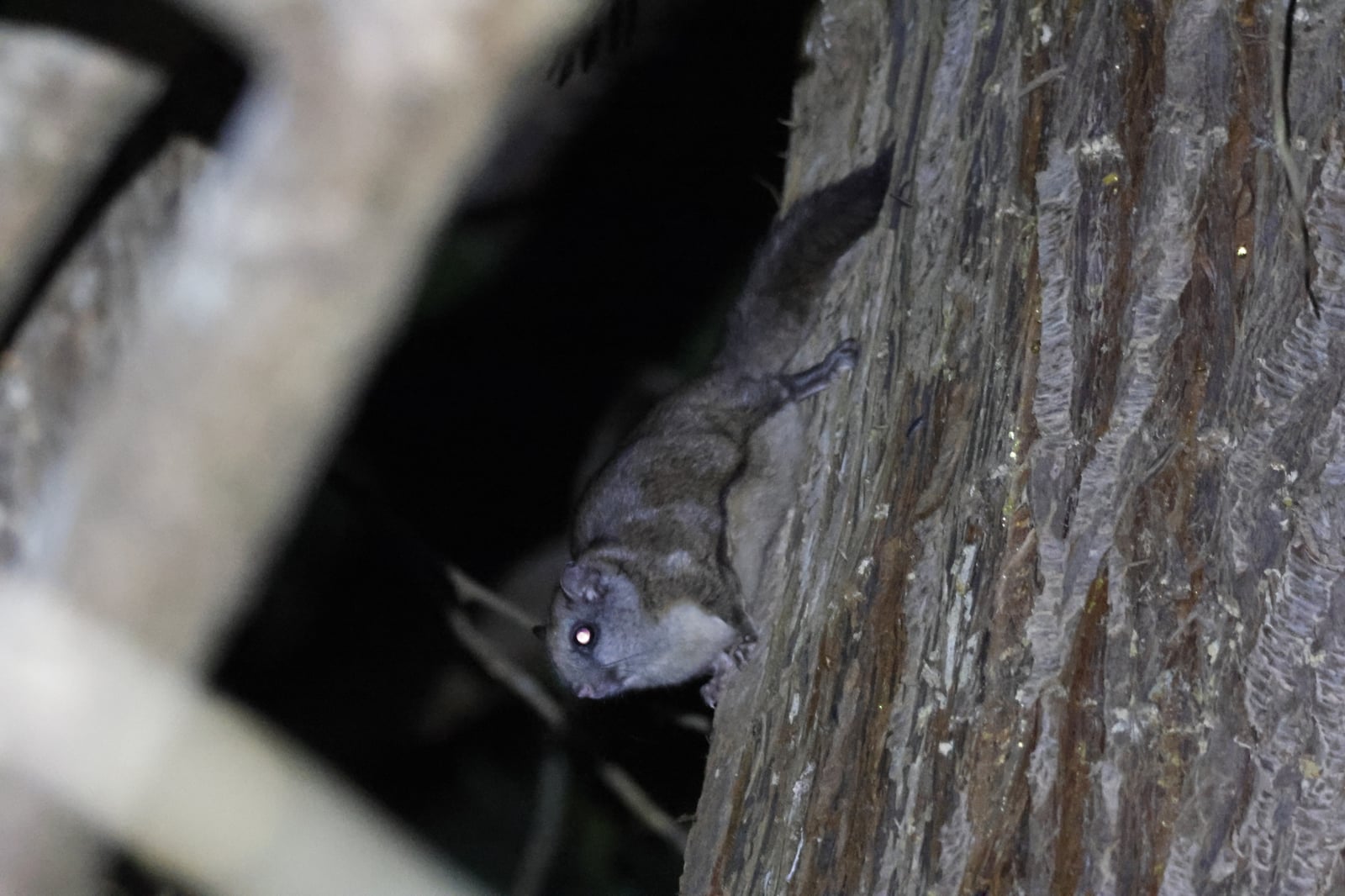
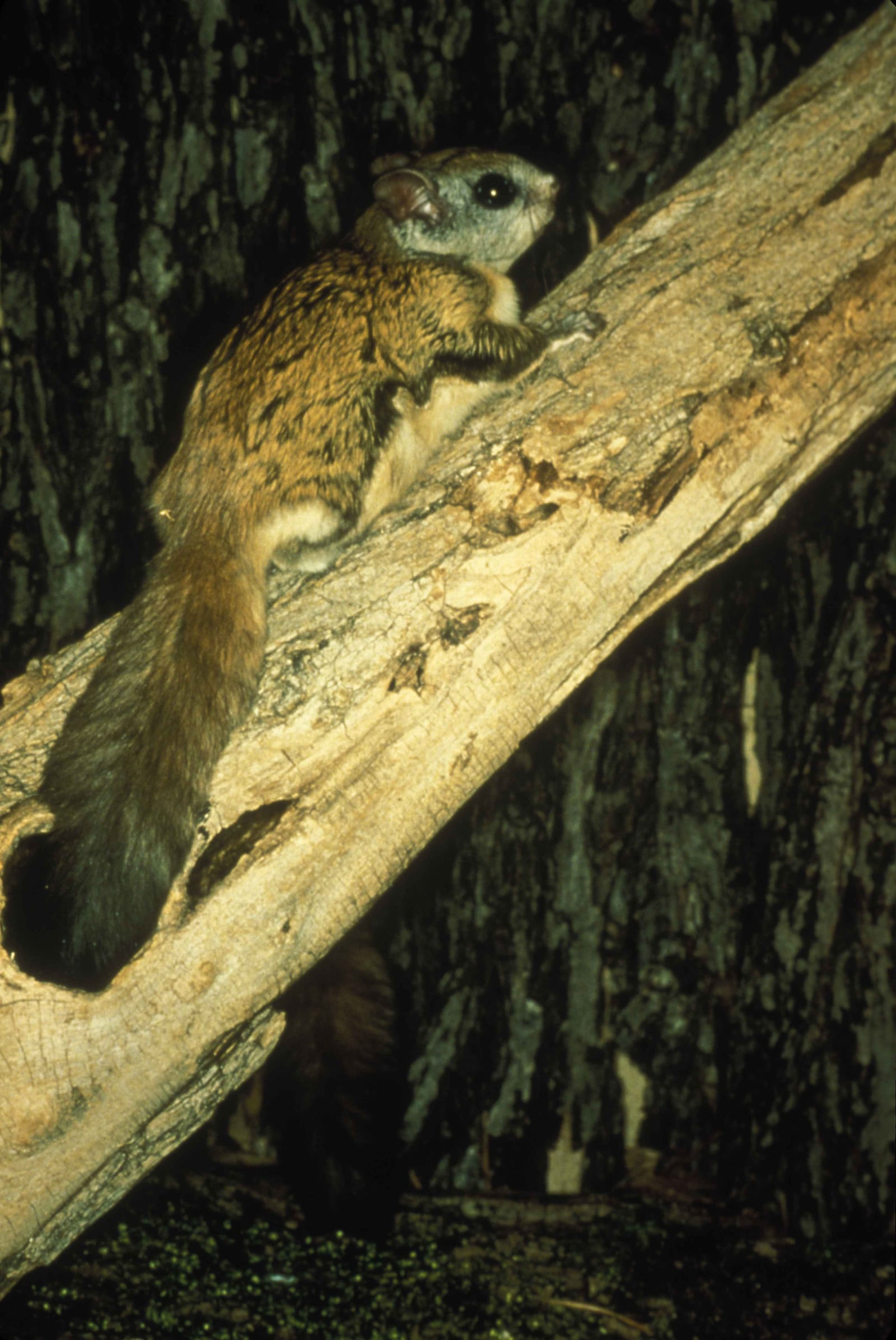
Alaska carries the largest share of northern flying squirrel records of any state, split mostly between two very different forests: the coastal rainforest of the Prince of Wales-Hyder area in the Southeast, with 65 records, and the boreal spruce forest ringing Fairbanks, with 58. Both offer the tall, connected canopy this species needs to glide between trees.
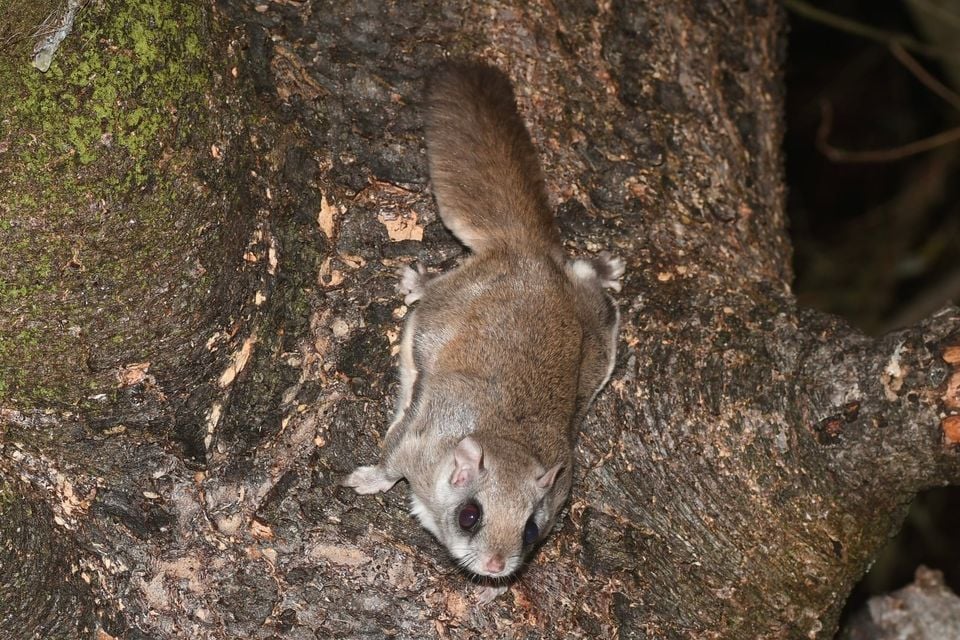
A flying squirrel here dens in old woodpecker holes, tree cavities, or leafy nests, and through Alaska’s cold winters several animals may pack into one den to share body heat rather than truly hibernating. It forages after dark for fungi, seeds, buds, and lichens, and its habit of eating and spreading fungal spores quietly helps the same spruce and birch trees it depends on for shelter.
Records run from July through September and thin out through the darker months, when a nocturnal glider moving through bare winter branches is far harder for anyone to notice. That doesn’t mean the squirrels leave the forest; they’re simply active on a schedule that overlaps little with when people are out looking.
 Full species profile




