New Mexico mammals

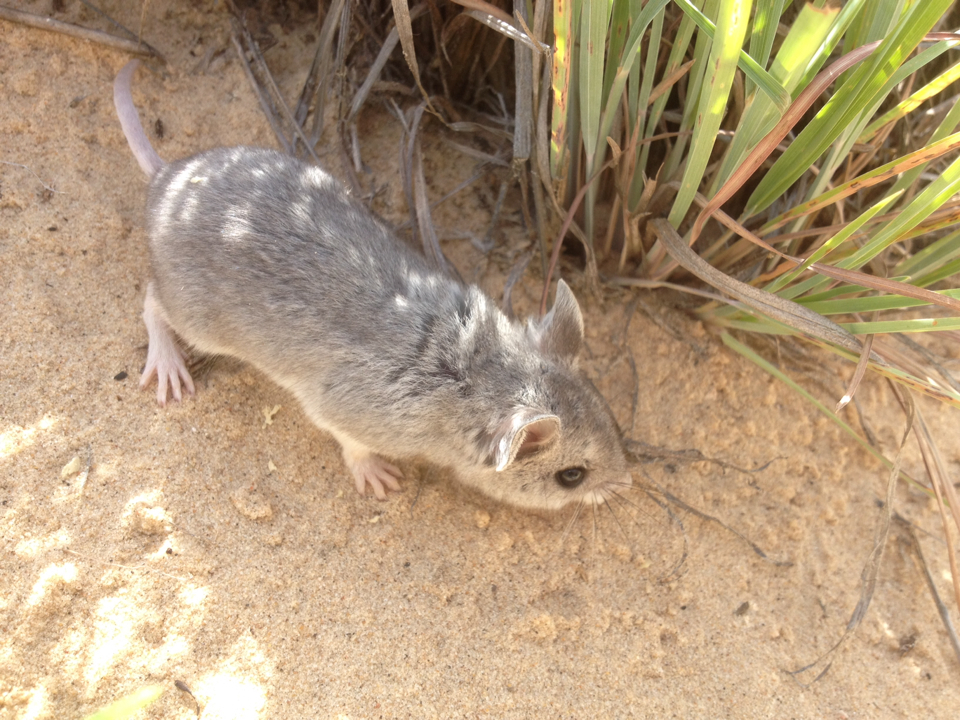
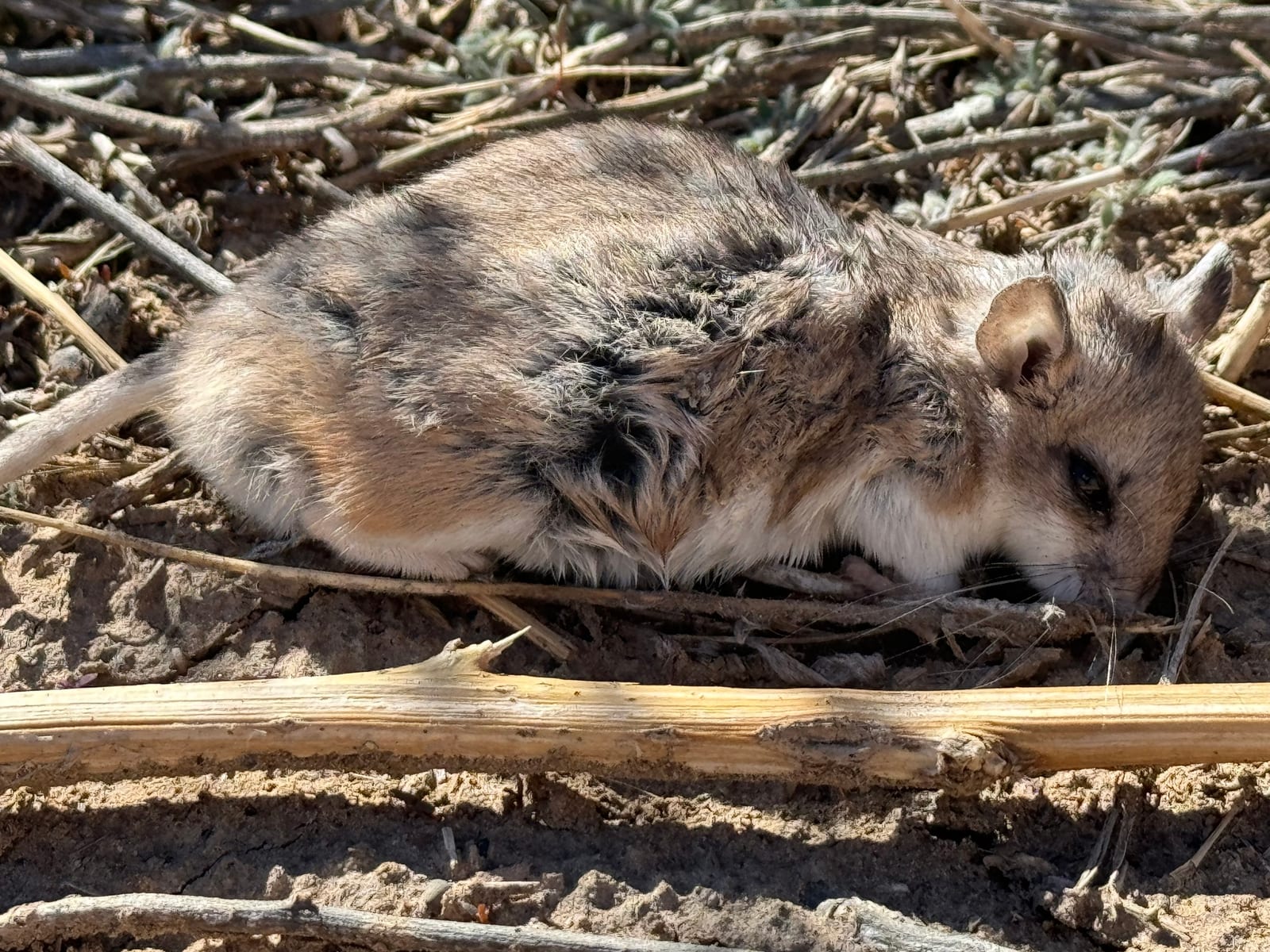
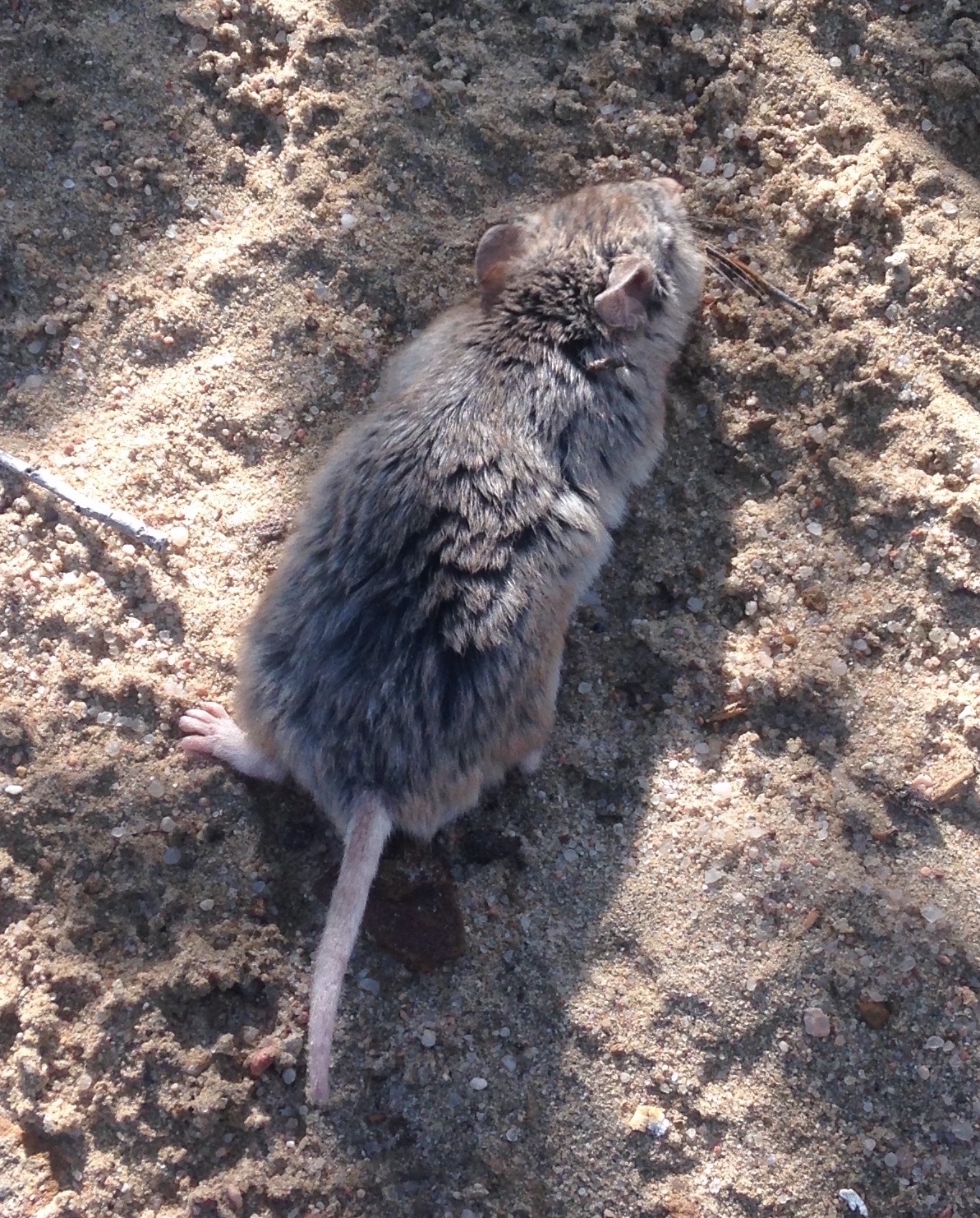
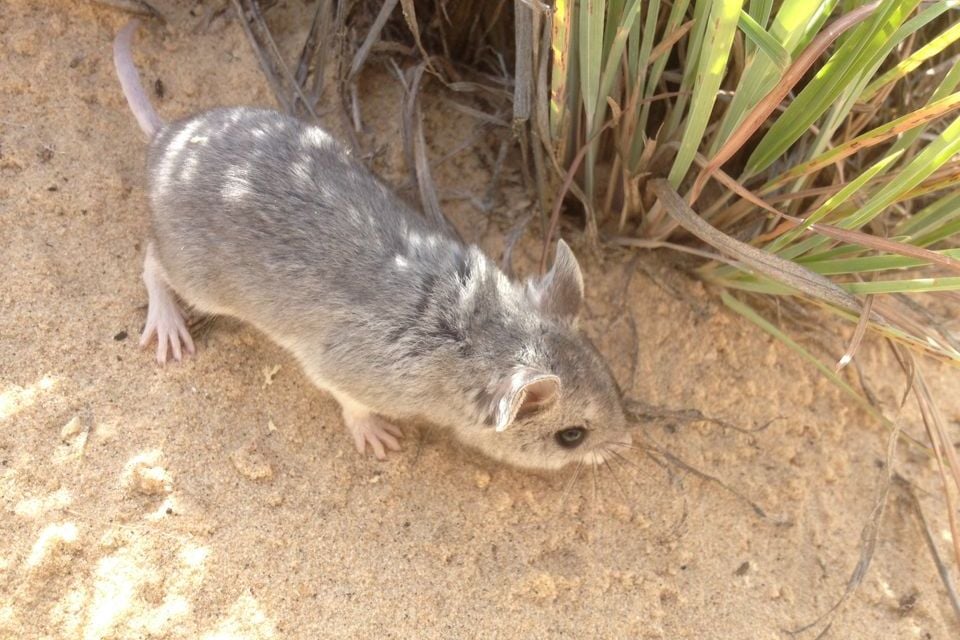
Northern Grasshopper Mouse in New Mexico

Onychomys leucogaster

Native to New Mexico S5 Secure in New Mexico

Not listed as nonindigenous in New Mexico by USGS NAS; native to its New Mexico range.

IUCN Red List status

  1. LC
  2. NT
  3. VU
  4. EN
  5. CR
  6. EW
  7. EX

LC – Least Concern

Widespread and abundant; not at risk.

Northern Grasshopper Mouse in New Mexico, by the numbers

Common in New Mexico 43rd most recorded of 176 mammals logged in New Mexico

362 occurrence records
12 with iNaturalist photos
Apr 28, 2022 Last seen in New Mexico

Records from 2000–2026.

362 total records count every New Mexico occurrence from GBIF and iNaturalist; the map plots a georeferenced sample of 300; the monthly chart covers the 361 records with a full observation date.

When to look for the Northern Grasshopper Mouse in New Mexico

Most sightings fall in October.

361 New Mexico occurrence records (iNaturalist and GBIF) by month of year, 2000–2026. Shows when the species is recorded, not a guarantee of presence.

Monthly New Mexico records (table)
MonthRecords
January23
February27
March32
April28
May22
June61
July24
August16
September35
October72
November11
December10

Monthly northern grasshopper mouse occurrence records (iNaturalist and GBIF) in New Mexico, 2000–2026.

Seasonality

Year-round in New Mexico, with recorded sightings peaking in October, with a smaller rise in June.

Occurrence map

Where Northern Grasshopper Mouse has been recorded in New Mexico

300 records mapped · zoom and drag to explore

300 New Mexico records mapped

Notable places to look

Park, forest, or monumentiNaturalist records
Cebolla Wilderness Area 26
El Malpais National Monument 11
State Trust Land 4
Chaco Culture National Historical Park 2
Salinas Pueblo Missions National Monument 1

Protected places with the most northern grasshopper mouse sightings, from the USGS Protected Areas Database plus named mountain ranges, good spots to look, not a full breakdown, so they don't sum to the total.

Where it's recorded in New Mexico

CountyRecords
Cibola County 161
Sierra County 50
Socorro County 39
McKinley County 31
Doña Ana County 26
Colfax County 22
Grant County 6
Eddy County 4
Santa Fe County 3
Chaves County 3
San Juan County 3
Bernalillo County 2
9 other counties 12

The complete county distribution, spread across 21 New Mexico counties. Every occurrence record falls in one county, so these sum to the total. Counties from GBIF and US Census boundaries.

Only 12 of New Mexico’s 362 documented northern grasshopper mouse records come from iNaturalist, with the rest built entirely from GBIF specimen and survey data. That split makes sense for a predator that hunts almost entirely after dark and spends daylight sealed inside a burrow. The most recent logged sighting dates to 2022, another sign that trapping surveys, not casual encounters, drive what’s known about this mouse in the state.

The Cebolla Wilderness and El Malpais National Monument anchor the named locations, both in the lava and grassland country of Cibola County, which alone holds 161 of the state’s records. NatureServe ranks the species S5, secure statewide, matching a predator that can hold territory wherever prairie dog towns or open grassland supply both burrows and insect prey.

Reports jump in June and peak again in October, the busiest month, a pattern that tracks field-survey timing rather than any real swing in how many mice are out hunting.
Occurrence data from iNaturalist and GBIF.

More mammals in New Mexico in the atlas

Data & sources

The data and visualizations on this page draw on these open sources:

  • GBIFCC-BY 4.0occurrence records behind the range map, elevation, and record counts
  • iNaturalistCC0 / CC-BY / CC-BY-SAobservations, photos, and audio recordings
  • NatureServe ExplorerCC-BYthe state conservation rank
  • IUCN Red Listattributed factthe global conservation status
  • USGS NASpublic domainnative / introduced status
  • Natural Earthpublic domainthe relief basemap
  • USFSpublic domainnational-forest boundaries
  • USGS Protected Areas Databasepublic domainthe named parks, forests, and refuges behind "notable places to look"




