


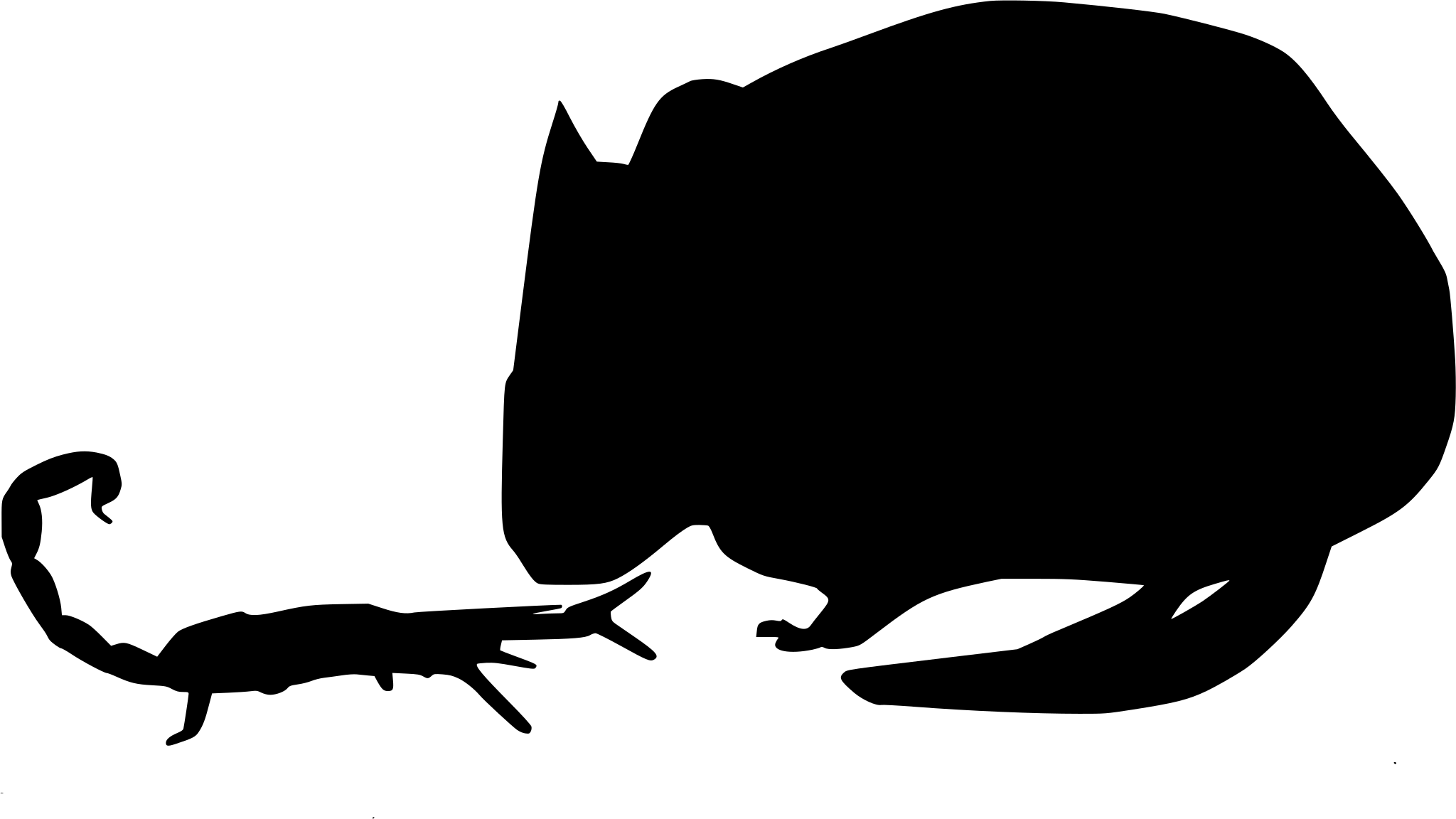
Despite the name, the northern grasshopper mouse isn’t a typical grain-eating rodent. It hunts insects, scorpions, and even other mice, and it’s known for a short, high-pitched howl it uses to mark territory, more like a tiny wolf than a field mouse. Wyoming’s 500 records, split between 498 GBIF entries and only 4 from iNaturalist, mostly trace back to survey trapping rather than people spotting this mostly nocturnal hunter on the ground.
Records concentrate around Yellowstone National Park, Grand Teton National Park, and the Bridger-Teton National Forest, open grassland and sagebrush edges where prey insects are easy to find. July carries the heaviest count at 204 of the 500 records, with August close behind, a pattern that tracks summer fieldwork more than a true seasonal peak in activity. NatureServe lists the species S5, Secure, in Wyoming, consistent with a wide-ranging predator that simply gets overlooked next to more visible wildlife.
 Full species profile




