New Mexico mammals

Northern Hoary Bat in New Mexico

Lasiurus cinereus

Native to New Mexico S4 Apparently Secure in New Mexico

Not listed as nonindigenous in New Mexico by USGS NAS; native to its New Mexico range.

IUCN Red List status

  1. LC
  2. NT
  3. VU
  4. EN
  5. CR
  6. EW
  7. EX

LC – Least Concern

Widespread and abundant; not at risk.

Northern Hoary Bat in New Mexico, by the numbers

Occasional in New Mexico 71st most recorded of 176 mammals logged in New Mexico

142 occurrence records
43 with iNaturalist photos

Records from 2000–2026.

142 total records count every New Mexico occurrence from GBIF and iNaturalist; the map plots a georeferenced sample of 141; the monthly chart covers the 141 records with a full observation date.

When to look for the Northern Hoary Bat in New Mexico

Most sightings fall in May to June.

141 New Mexico occurrence records (iNaturalist and GBIF) by month of year, 2000–2026. Shows when the species is recorded, not a guarantee of presence.

Monthly New Mexico records (table)
MonthRecords
January0
February0
March0
April8
May33
June51
July6
August14
September16
October13
November0
December0

Monthly northern hoary bat occurrence records (iNaturalist and GBIF) in New Mexico, 2000–2026.

Seasonality

Year-round in New Mexico, with recorded sightings peaking in May–June.

Occurrence map

Where Northern Hoary Bat has been recorded in New Mexico

141 records mapped · zoom and drag to explore

141 New Mexico records mapped

Notable places to look

Park, forest, or monumentiNaturalist records
Carlsbad Caverns National Park 2
Salinas Pueblo Missions National Monument 1
Chaco Culture National Historical Park 1
Apache National Forest 1
Oasis State State Park 1
Sandia Mountain Wilderness 1
State Trust Land 1
Bandelier National Monument 1

Protected places with the most northern hoary bat sightings, from the USGS Protected Areas Database plus named mountain ranges, good spots to look, not a full breakdown, so they don't sum to the total.

Where it's recorded in New Mexico

CountyRecords
Luna County 31
Sierra County 20
Taos County 20
Grant County 16
Bernalillo County 9
Catron County 8
Doña Ana County 6
Santa Fe County 6
Eddy County 5
Torrance County 2
Mora County 2
Roosevelt County 2
12 other counties 15

The complete county distribution, spread across 24 New Mexico counties. Every occurrence record falls in one county, so these sum to the total. Counties from GBIF and US Census boundaries.

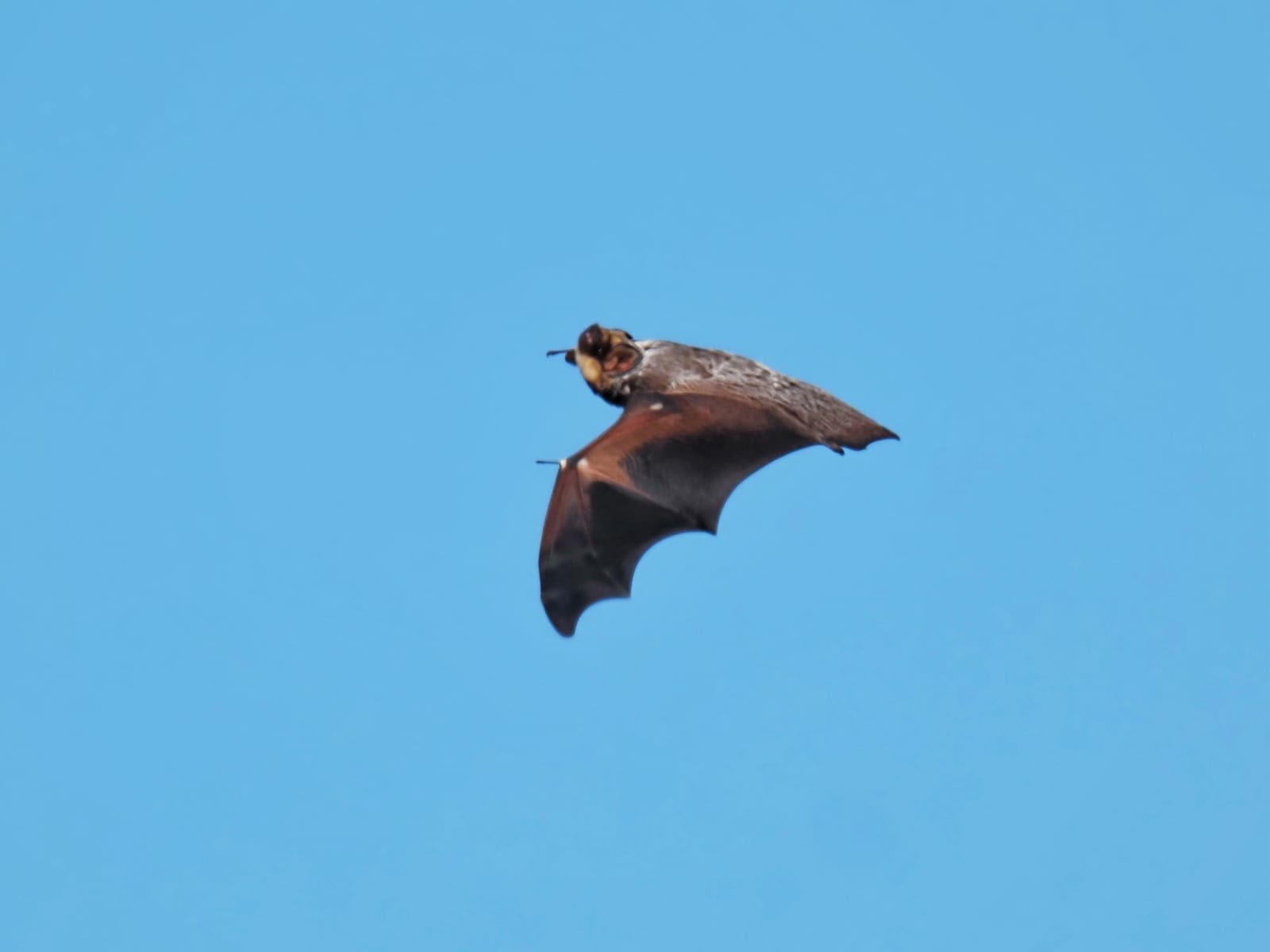
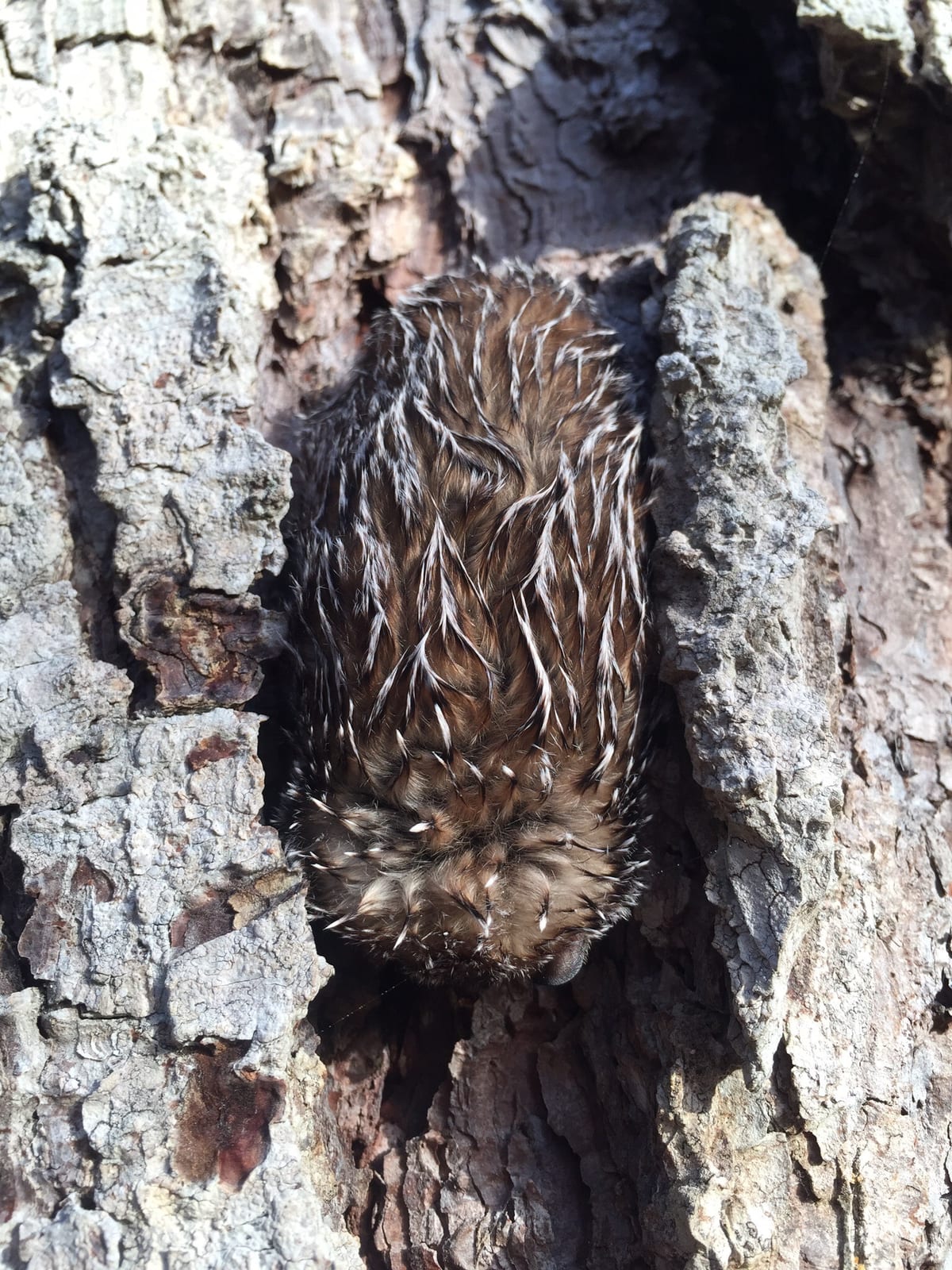
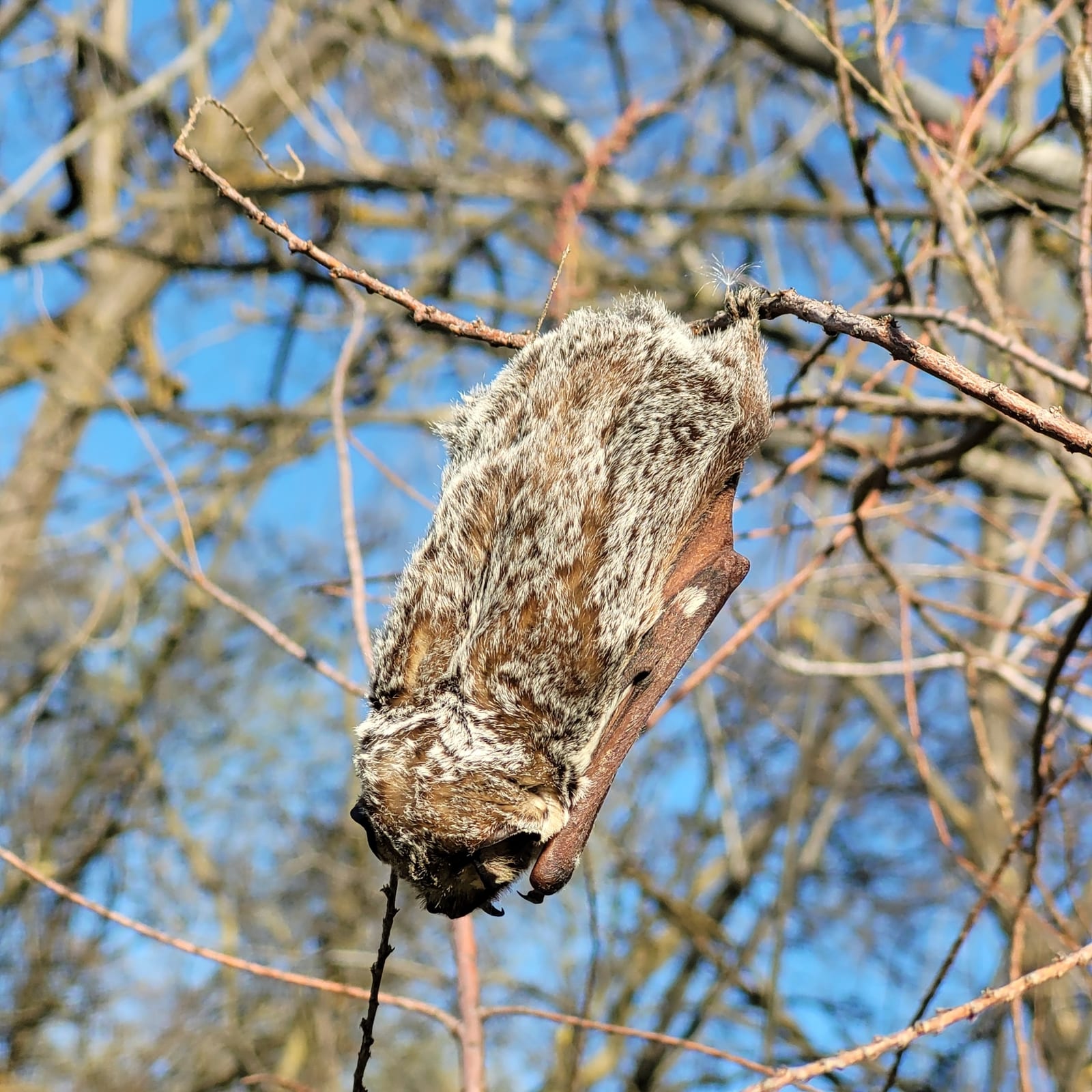
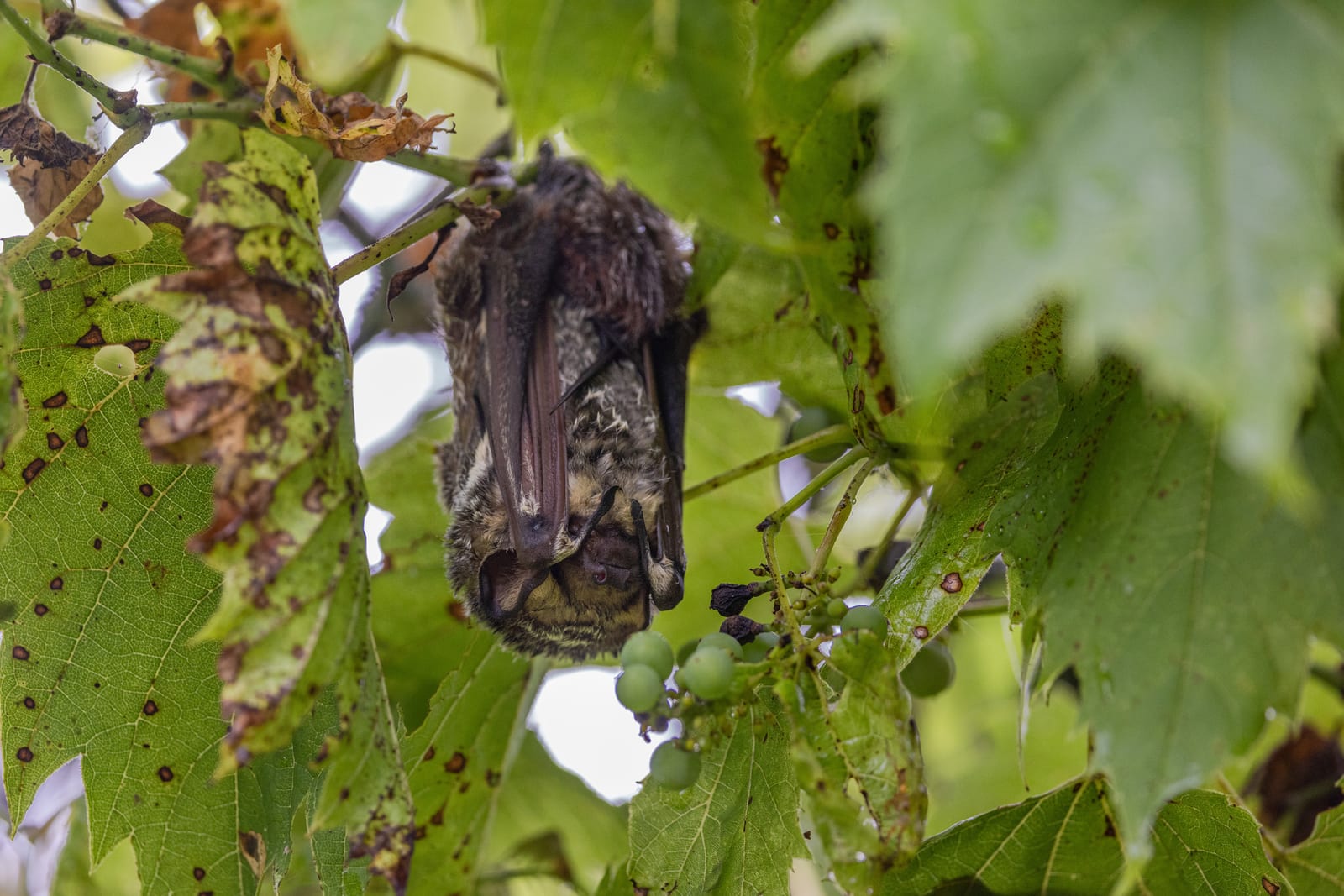
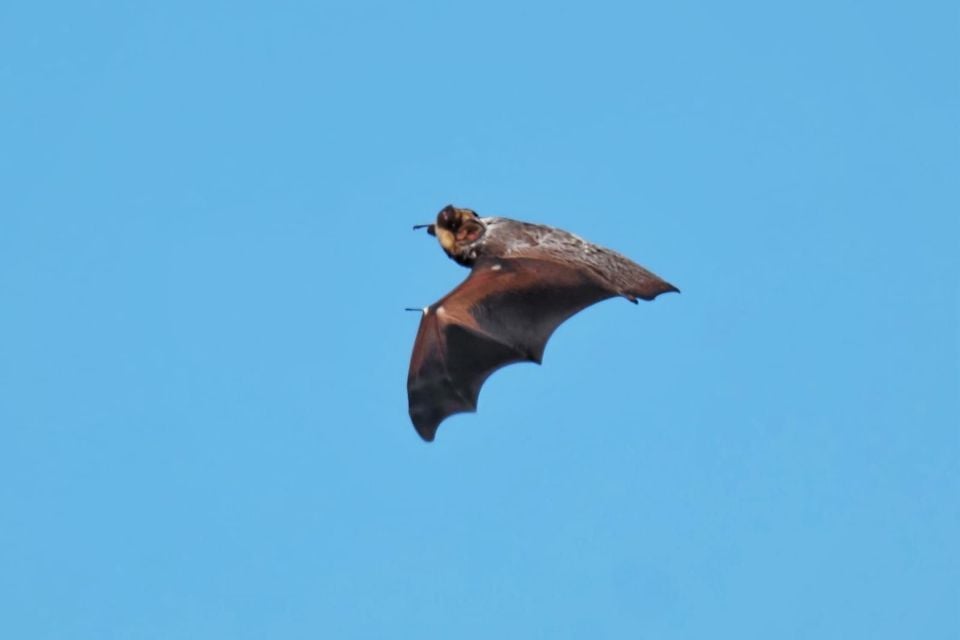
The northern hoary bat doesn’t roost in colonies the way many bats do; it hangs alone in tree foliage and migrates long distances between summer and winter range. New Mexico’s 142 records are led by Luna County with 31, then Sierra and Taos with 20 each and Grant with 16, a spread that runs from the northern mountains down to the southern desert and the Gila country.

Records jump hard in May and June, when the bulk of the year’s activity was logged, dip in July, rise again from August into October, then drop to nothing by November, a pattern that likely tracks both migration timing and when bat surveys actually run.

NatureServe ranks the species S4, Apparently Secure, in New Mexico, but its global G3 rank sits well below Secure, reflecting a documented vulnerability to wind-turbine strikes across its range, more than any other North American bat.

Occurrence data from iNaturalist and GBIF.

More mammals in New Mexico in the atlas

Data & sources

The data and visualizations on this page draw on these open sources:

  • GBIFCC-BY 4.0occurrence records behind the range map, elevation, and record counts
  • iNaturalistCC0 / CC-BY / CC-BY-SAobservations, photos, and audio recordings
  • NatureServe ExplorerCC-BYthe state conservation rank
  • IUCN Red Listattributed factthe global conservation status
  • USGS NASpublic domainnative / introduced status
  • Natural Earthpublic domainthe relief basemap
  • USFSpublic domainnational-forest boundaries
  • USGS Protected Areas Databasepublic domainthe named parks, forests, and refuges behind "notable places to look"




