Alaska mammals

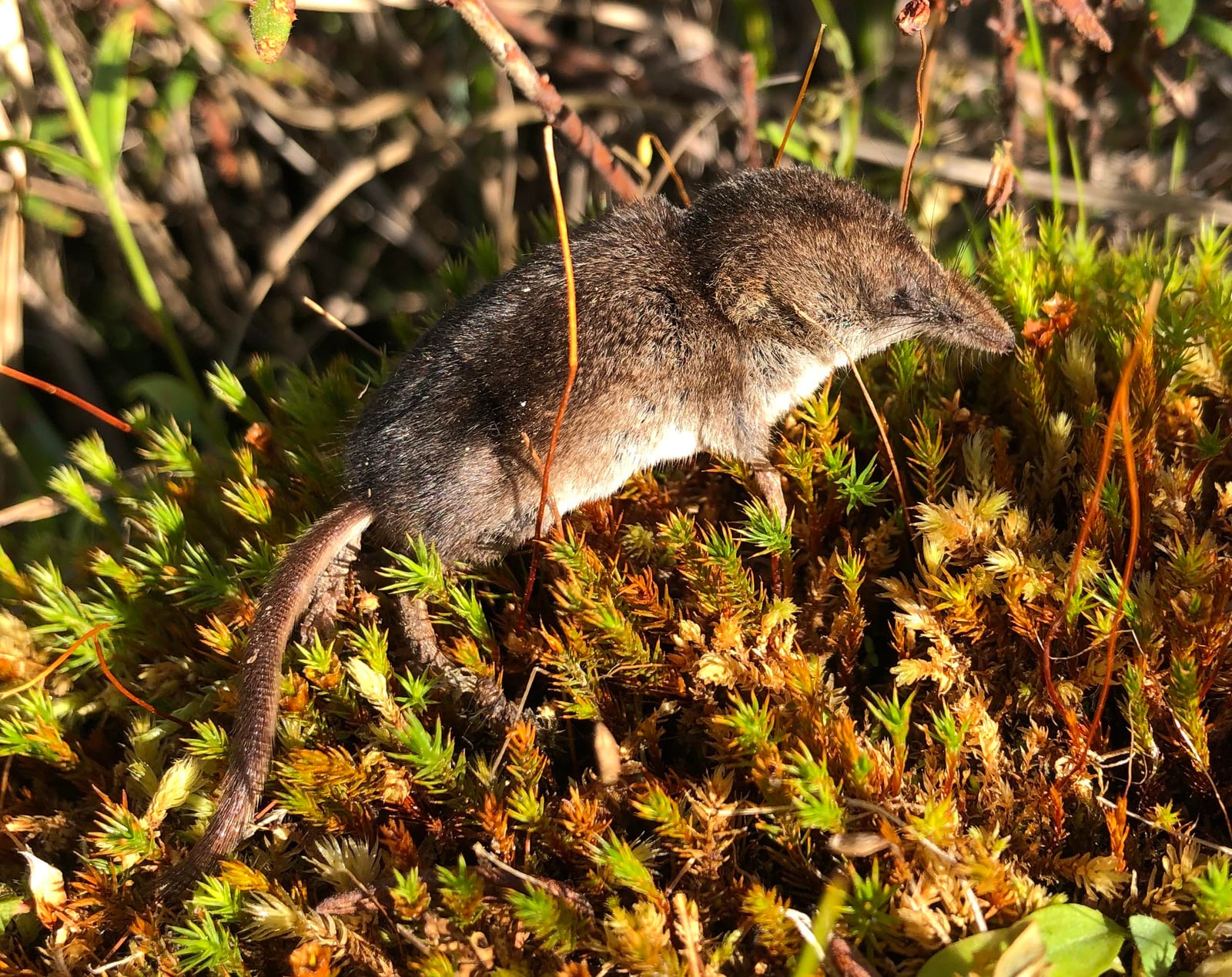
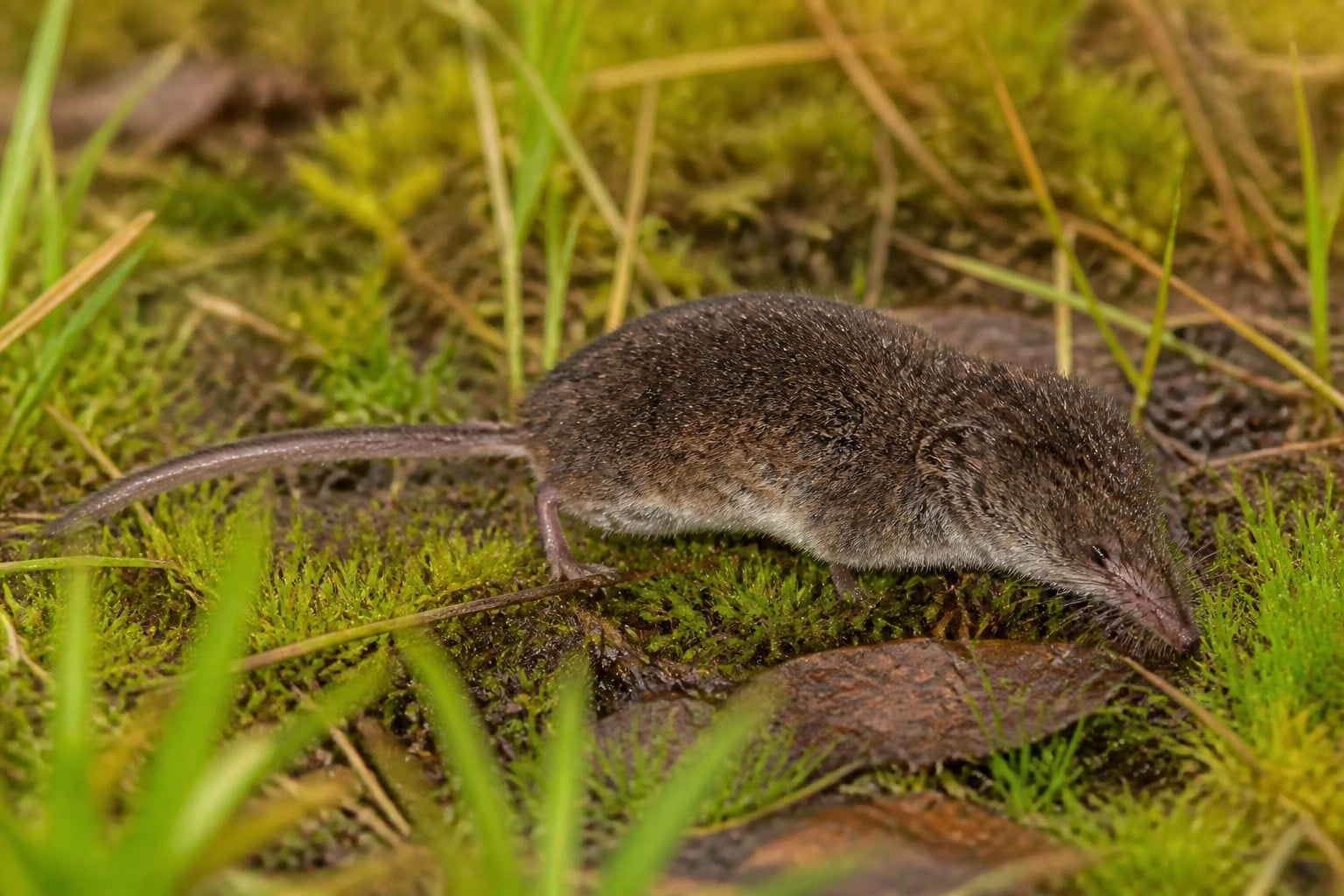
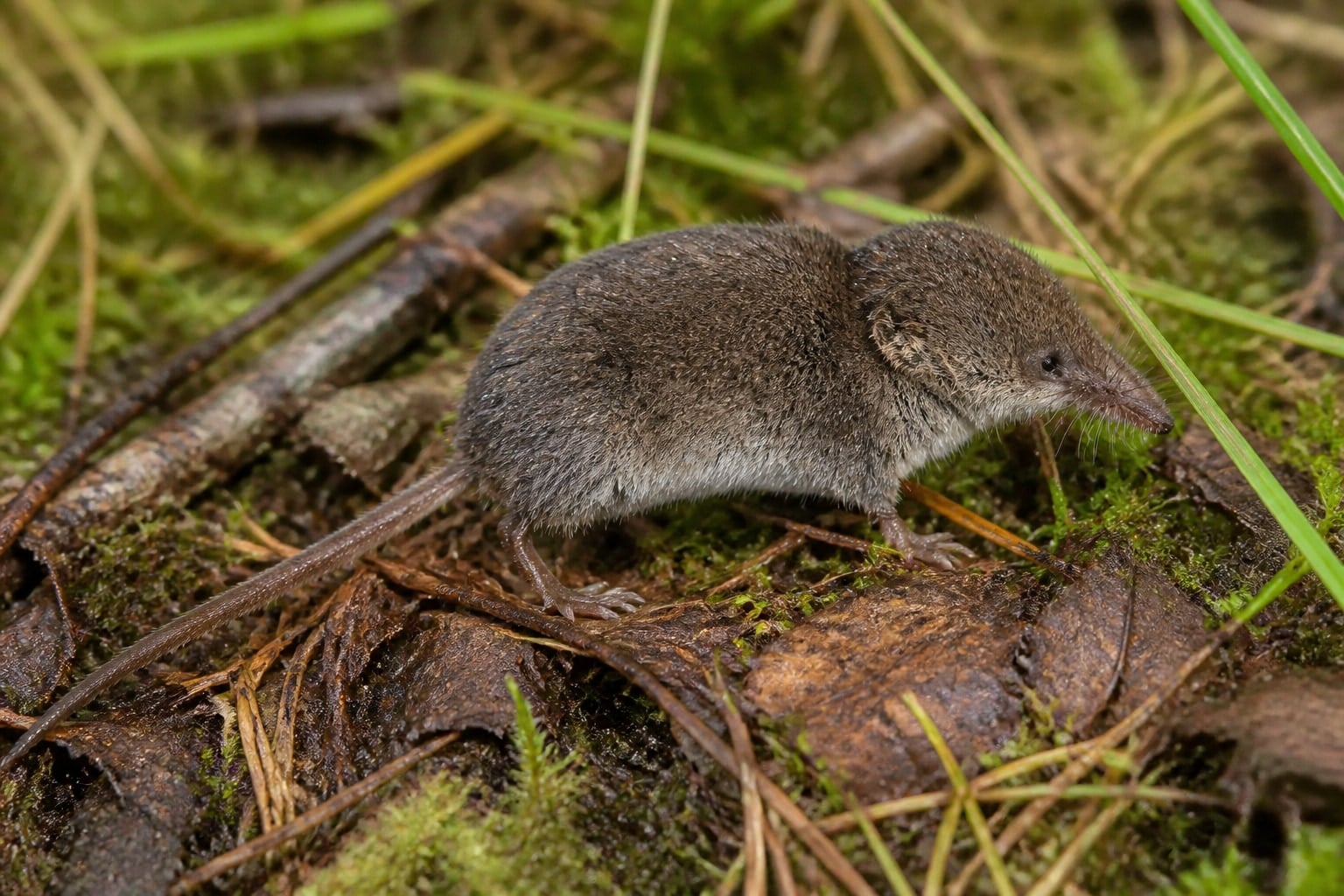
Northern Montane Shrew in Alaska

Sorex obscurus

Native to Alaska S4 Apparently Secure in Alaska

Not listed as nonindigenous in Alaska by USGS NAS; native to its Alaska range.

IUCN Red List status

NE – Not Evaluated

Not yet assessed against IUCN Red List criteria.

Northern Montane Shrew in Alaska, by the numbers

Rare in Alaska 78th most recorded of 108 mammals logged in Alaska

31 occurrence records
14 with iNaturalist photos
Aug 3, 2023 Last seen in Alaska

Records from 2000–2026.

31 total records count every Alaska occurrence from GBIF and iNaturalist; the map plots a georeferenced sample of 30; the monthly chart covers the 30 records with a full observation date.

When to look for the Northern Montane Shrew in Alaska

Most sightings fall in November.

30 Alaska occurrence records (iNaturalist and GBIF) by month of year, 2000–2026. Shows when the species is recorded, not a guarantee of presence.

Monthly Alaska records (table)
MonthRecords
January0
February0
March0
April0
May0
June1
July9
August9
September0
October0
November11
December0

Monthly northern montane shrew occurrence records (iNaturalist and GBIF) in Alaska, 2000–2026.

Seasonality

Year-round in Alaska, with recorded sightings peaking in November, with a smaller rise in July–August.

Occurrence map

Where Northern Montane Shrew has been recorded in Alaska

30 records mapped · zoom and drag to explore

30 Alaska records mapped

Notable places to look

Park, forest, or monumentiNaturalist records
State Land Disposals - Other Than Municipal 7
Yukon-Charley Rivers National Preserve 3
State Tentatively Approved (tad) 1
State Patented 1

Protected places with the most northern montane shrew sightings, from the USGS Protected Areas Database plus named mountain ranges, good spots to look, not a full breakdown, so they don't sum to the total.

Where it's recorded in Alaska

CountyRecords
Matanuska-Susitna County 11
Denali County 9
Southeast Fairbanks County 4
Haines County 3
Kenai Peninsula County 1
Yukon-Koyukuk County 1
Other localities 2

The complete county distribution, spread across 6 Alaska counties. Every occurrence record falls in one county, so these sum to the total. Counties from GBIF and US Census boundaries.

Alaska has just 31 records for this shrew, and the largest share, 11, comes from the Matanuska-Susitna Valley, in the moist conifer forest and brushy stream edges of Southcentral Alaska, the kind of damp, litter-covered ground the species depends on wherever it occurs.

It hunts insects, spiders, worms, and other small invertebrates in leaf litter and soil, probing narrow gaps with a pointed muzzle and occasionally scavenging or taking tiny vertebrates. Like other shrews it has to feed almost constantly to keep up with a fast metabolism, since a long pause without food is dangerous for such a small warm-blooded animal.

Records split between July and August, with 9 each, and a cluster of 11 in November that likely reflects a specific survey or trapping effort rather than a true seasonal pattern. Shrews don’t hibernate, so this species almost certainly stays active under snow and leaf litter through the Alaska winter even when no one is recording it.
Occurrence data from iNaturalist and GBIF.

More mammals in Alaska in the atlas

Data & sources

The data and visualizations on this page draw on these open sources:

  • GBIFCC-BY 4.0occurrence records behind the range map, elevation, and record counts
  • iNaturalistCC0 / CC-BY / CC-BY-SAobservations, photos, and audio recordings
  • NatureServe ExplorerCC-BYthe state conservation rank
  • IUCN Red Listattributed factthe global conservation status
  • USGS NASpublic domainnative / introduced status
  • Natural Earthpublic domainthe relief basemap
  • USFSpublic domainnational-forest boundaries
  • USGS Protected Areas Databasepublic domainthe named parks, forests, and refuges behind "notable places to look"