
Ohio mammals

Northern Myotis in Ohio

Myotis septentrionalis

Native to Ohio S1 Critically Imperiled in Ohio

Not listed as nonindigenous in Ohio by USGS NAS; native to its Ohio range.

IUCN Red List status

  1. LC
  2. NT
  3. VU
  4. EN
  5. CR
  6. EW
  7. EX

NT – Near Threatened

Close to qualifying as threatened in the near future.

Northern Myotis in Ohio, by the numbers

Occasional in Ohio 44th most recorded of 75 mammals logged in Ohio

39 occurrence records
21 with iNaturalist photos

When to look for the Northern Myotis in Ohio

Most sightings fall in June to August.

39 Ohio occurrence records (iNaturalist and GBIF) by month of year. Shows when the species is recorded, not a guarantee of presence.

Monthly Ohio records (table)
MonthRecords
January1
February3
March1
April1
May3
June8
July8
August6
September4
October1
November1
December2

Monthly northern myotis occurrence records (iNaturalist and GBIF) in Ohio.

Seasonality

Year-round in Ohio, with recorded sightings peaking in June–August.

Occurrence map

Where Northern Myotis has been recorded in Ohio

39 records mapped · zoom and drag to explore

39 Ohio records mapped

Notable places to look

Park, forest, or monumentiNaturalist records
Cuyahoga Valley National Park 4

Protected places with the most northern myotis sightings, from the USGS Protected Areas Database plus named mountain ranges, good spots to look, not a full breakdown, so they don't sum to the total.

Where it's recorded in Ohio

CountyRecords
Summit County 9
Hocking County 6
Cuyahoga County 3
Geauga County 3
Pike County 3
Delaware County 2
Adams County 2
Franklin County 2
Miami County 1
Shelby County 1
Madison County 1
Champaign County 1
5 other counties 5

The complete county distribution, spread across 17 Ohio counties. Every occurrence record falls in one county, so these sum to the total. Counties from GBIF and US Census boundaries.

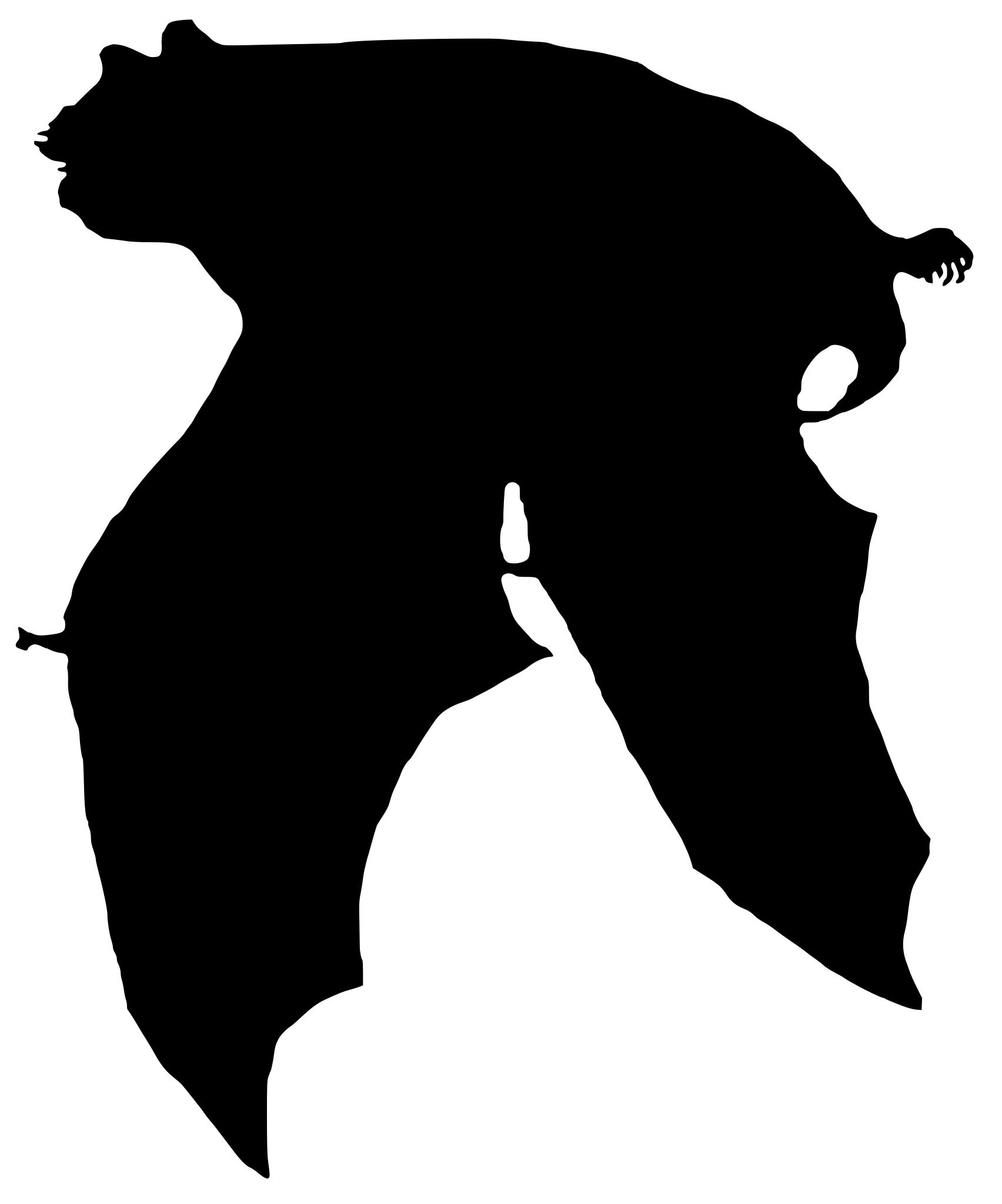
The northern long-eared bat hunts by gleaning insects directly off leaves and bark in cluttered forest, a slower, more maneuverable style than the open-air chases favored by many other bats. That habit ties it closely to intact woodland like Wayne National Forest, where most of its 38 Ohio records come from.

Like several of Ohio’s cave-hibernating bats, this species has been hit hard by white-nose syndrome, a fungal disease that has collapsed hibernating colonies across the eastern US since it arrived. NatureServe now ranks it S1, critically imperiled, in Ohio, and it’s also federally listed as endangered, so a modern record represents a real rarity rather than routine bat activity.
Occurrence data from iNaturalist and GBIF.

More mammals in Ohio in the atlas

Data & sources

The data and visualizations on this page draw on these open sources:

  • GBIFCC-BY 4.0occurrence records behind the range map, elevation, and record counts
  • iNaturalistCC0 / CC-BY / CC-BY-SAobservations, photos, and audio recordings
  • NatureServe ExplorerCC-BYthe state conservation rank
  • IUCN Red Listattributed factthe global conservation status
  • USGS NASpublic domainnative / introduced status
  • Natural Earthpublic domainthe relief basemap
  • USFSpublic domainnational-forest boundaries
  • USGS Protected Areas Databasepublic domainthe named parks, forests, and refuges behind "notable places to look"




