Colorado mammals

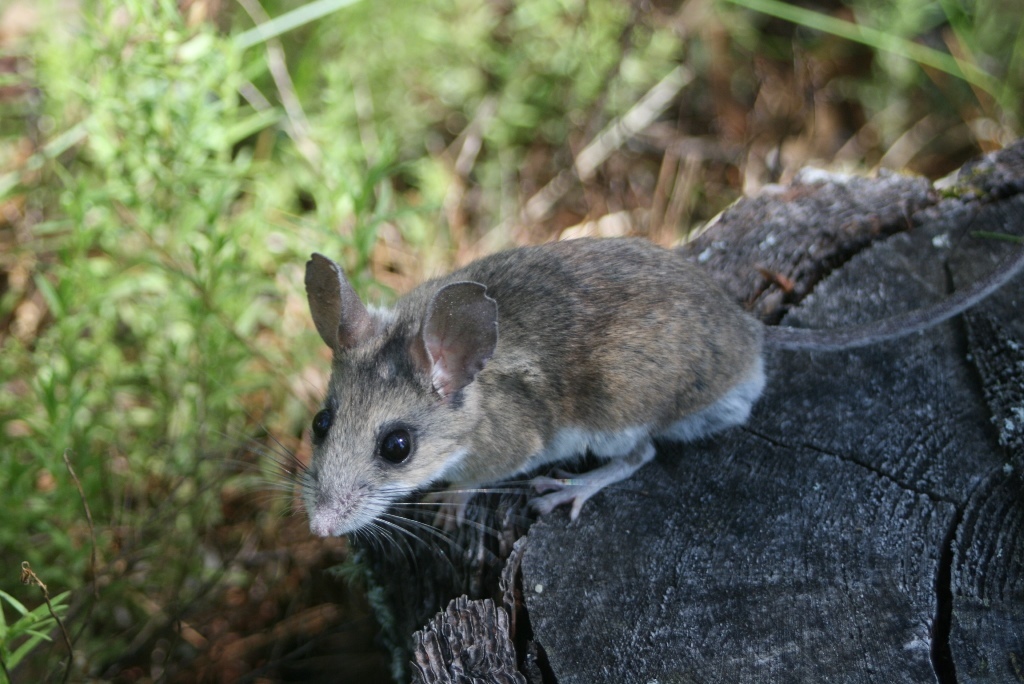
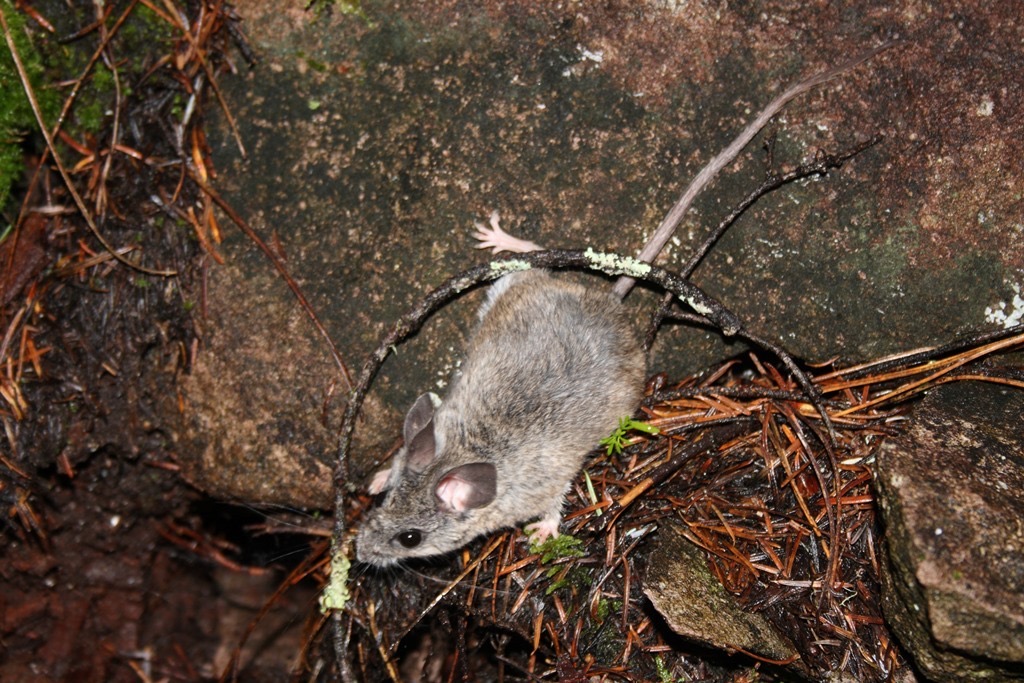
Northern Rock Mouse in Colorado

Peromyscus nasutus

Native to Colorado S4 Apparently Secure in Colorado

Not listed as nonindigenous in Colorado by USGS NAS; native to its Colorado range.

IUCN Red List status

  1. LC
  2. NT
  3. VU
  4. EN
  5. CR
  6. EW
  7. EX

LC – Least Concern

Widespread and abundant; not at risk.

Northern Rock Mouse in Colorado, by the numbers

Occasional in Colorado 99th most recorded of 154 mammals logged in Colorado

27 occurrence records

Records from 2000–2026.

When to look for the Northern Rock Mouse in Colorado

Most sightings fall in August to October.

27 Colorado occurrence records (iNaturalist and GBIF) by month of year, 2000–2026. Shows when the species is recorded, not a guarantee of presence. Based on a small number of dated records; the seasonal pattern may not be representative.

Monthly Colorado records (table)
MonthRecords
January0
February1
March0
April0
May0
June4
July2
August6
September6
October5
November2
December1

Monthly northern rock mouse occurrence records (iNaturalist and GBIF) in Colorado, 2000–2026.

Seasonality

Year-round in Colorado, with recorded sightings peaking in August–October, with a smaller rise in June.

Occurrence map

Where Northern Rock Mouse has been recorded in Colorado

27 records mapped · zoom and drag to explore

27 Colorado records mapped

Notable places to look

Park, forest, or monumentiNaturalist records
Great Sand Dunes National Preserve 2

Protected places with the most northern rock mouse sightings, from the USGS Protected Areas Database plus named mountain ranges, good spots to look, not a full breakdown, so they don't sum to the total.

Where it's recorded in Colorado

CountyRecords
Boulder County 14
Larimer County 9
Saguache County 2
Conejos County 1
Pueblo County 1

The complete county distribution, spread across 5 Colorado counties. Every occurrence record falls in one county, so these sum to the total. Counties from GBIF and US Census boundaries.

The northern rock mouse is a cliff specialist among Colorado’s deermice. Open occurrence databases hold 27 records for it in Colorado, nearly all from museum specimens and survey trapping, a reflection of how rarely this nocturnal rock-dweller is seen alive.

A rodent that lives in the rocks

True to its name, the northern rock mouse ties itself to broken stone: cliff faces, boulder piles, canyon walls, and the pinyon-juniper and pine that grow among them. An agile climber with a long balancing tail, it works near-vertical rock that few other mice attempt. Colorado records gather in the foothill and canyon country of Boulder and Larimer counties, where the state’s rimrock and outcrops supply exactly that habitat, with a few more from Saguache, Conejos, and Pueblo counties farther south; they fade across the open plains and high alpine where suitable rock runs out.

An animal the record undercounts

Its sightings are genuinely sparse, but that owes more to its habits than to its numbers. A nocturnal mouse that spends the day deep in rock crevices leaves little for surveyors to find, so the modest record almost certainly understates how common it is on the right terrain. What reports there are come mostly in summer and early autumn, when field crews are out working the high rocky slopes.

Status in Colorado

The northern rock mouse is native to Colorado and ranked S4, apparently secure, by NatureServe. Its rocky strongholds are largely undeveloped country, which helps keep it steady even as it stays out of ordinary view.

More mammals in Colorado in the atlas

Data & sources

The data and visualizations on this page draw on these open sources:

  • GBIFCC-BY 4.0occurrence records behind the range map, elevation, and record counts
  • iNaturalistCC0 / CC-BY / CC-BY-SAobservations, photos, and audio recordings
  • NatureServe ExplorerCC-BYthe state conservation rank
  • IUCN Red Listattributed factthe global conservation status
  • USGS NASpublic domainnative / introduced status
  • Natural Earthpublic domainthe relief basemap
  • USFSpublic domainnational-forest boundaries
  • USGS Protected Areas Databasepublic domainthe named parks, forests, and refuges behind "notable places to look"




