South Dakota mammals

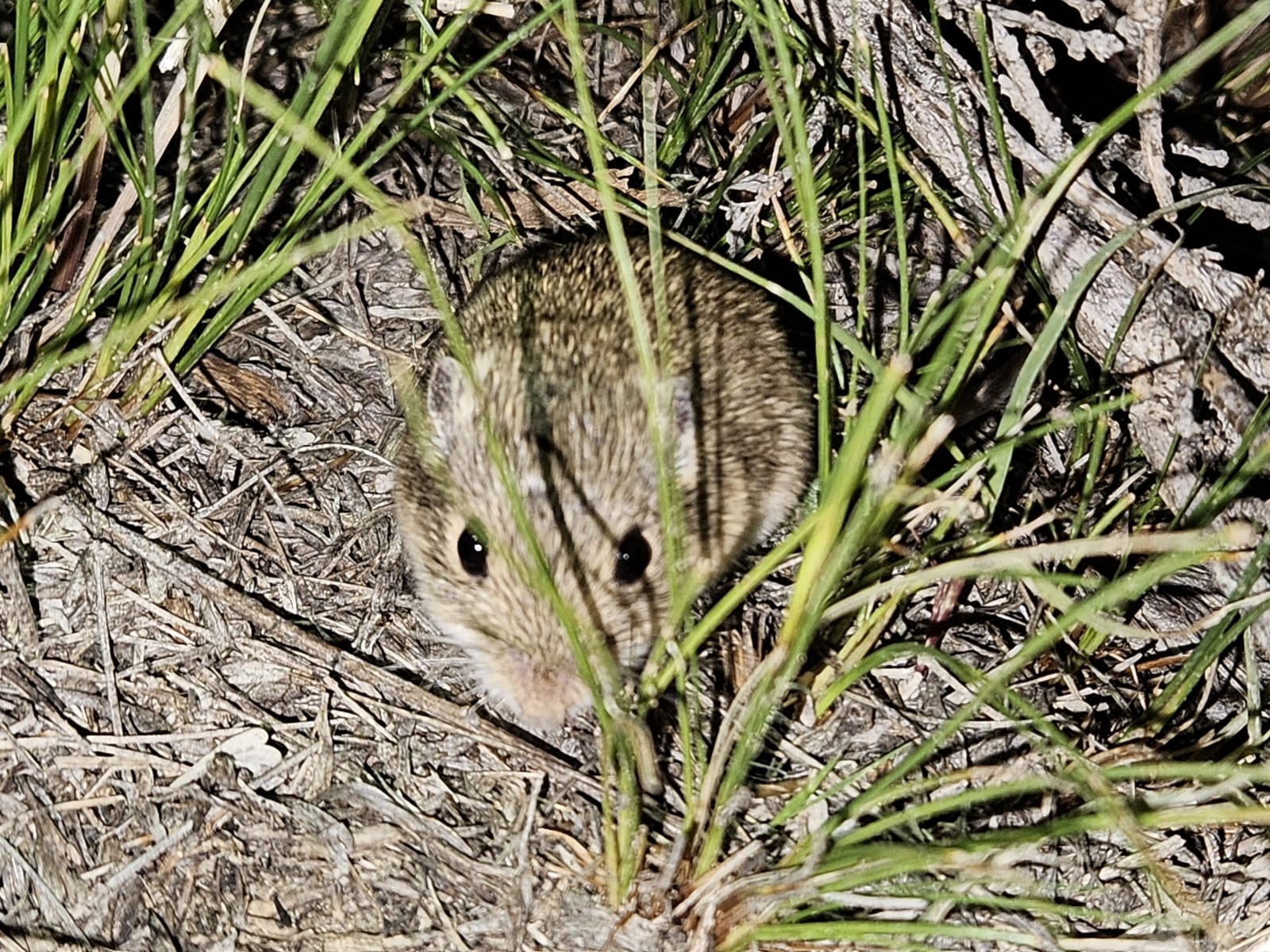
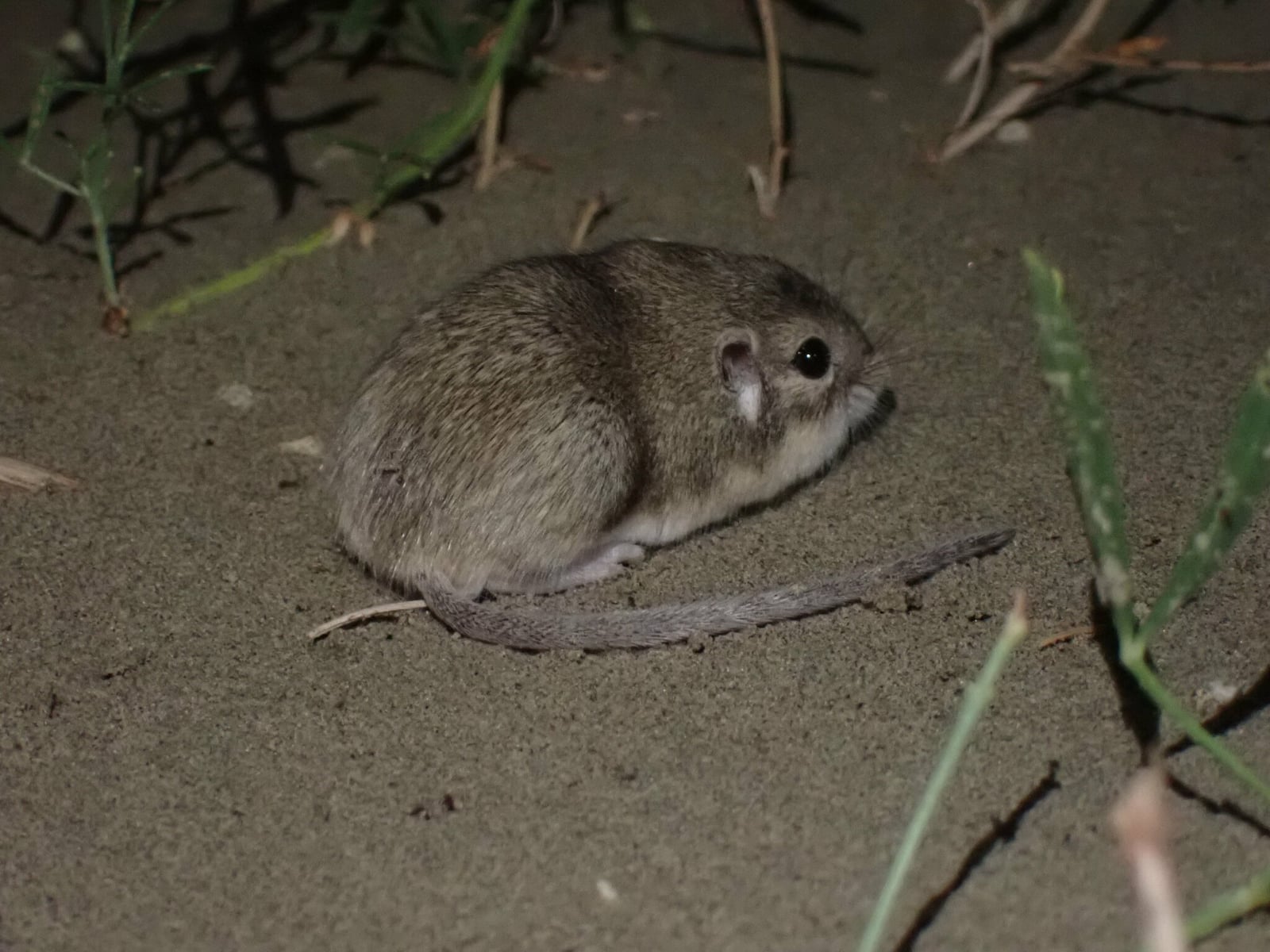
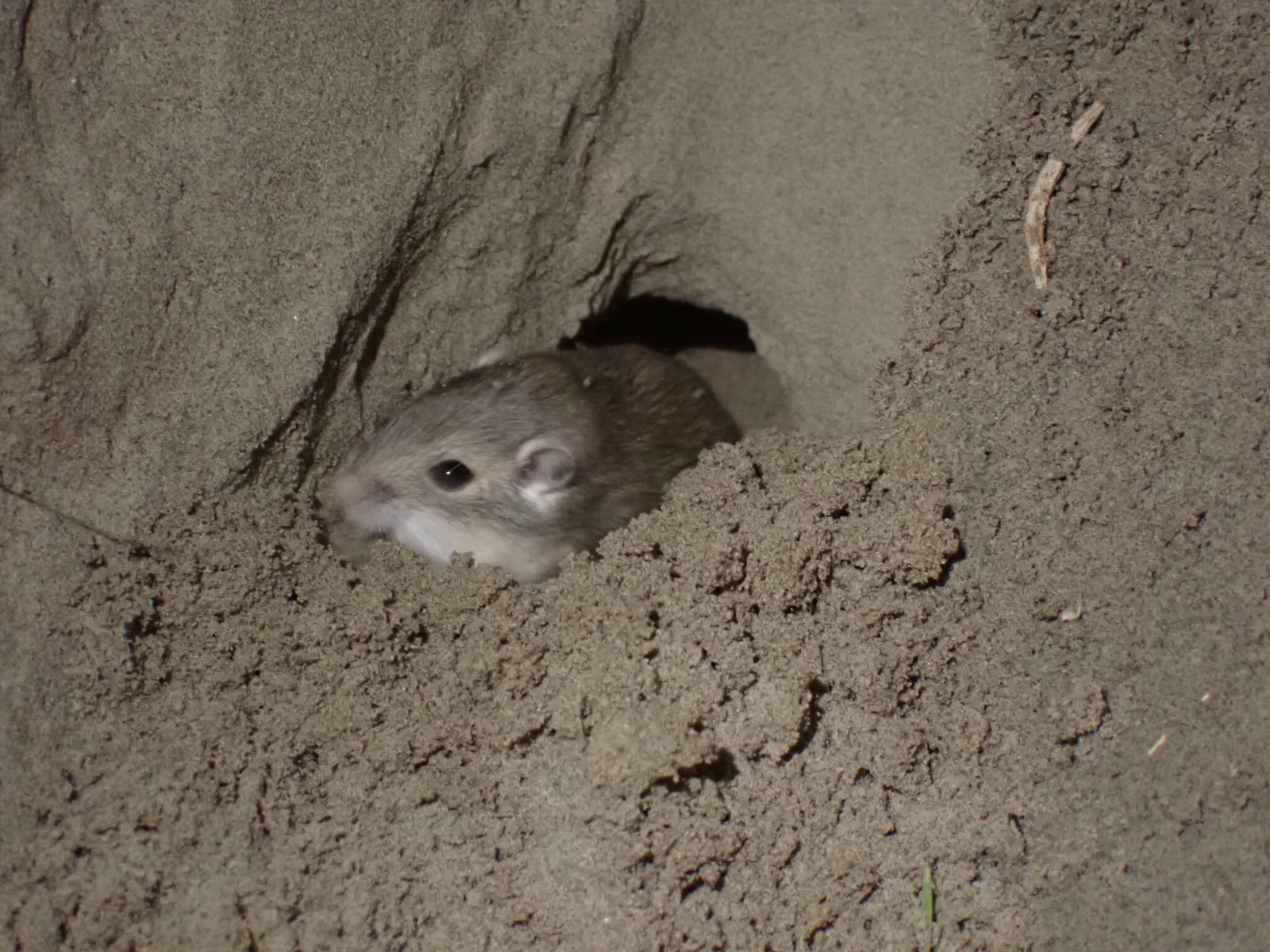
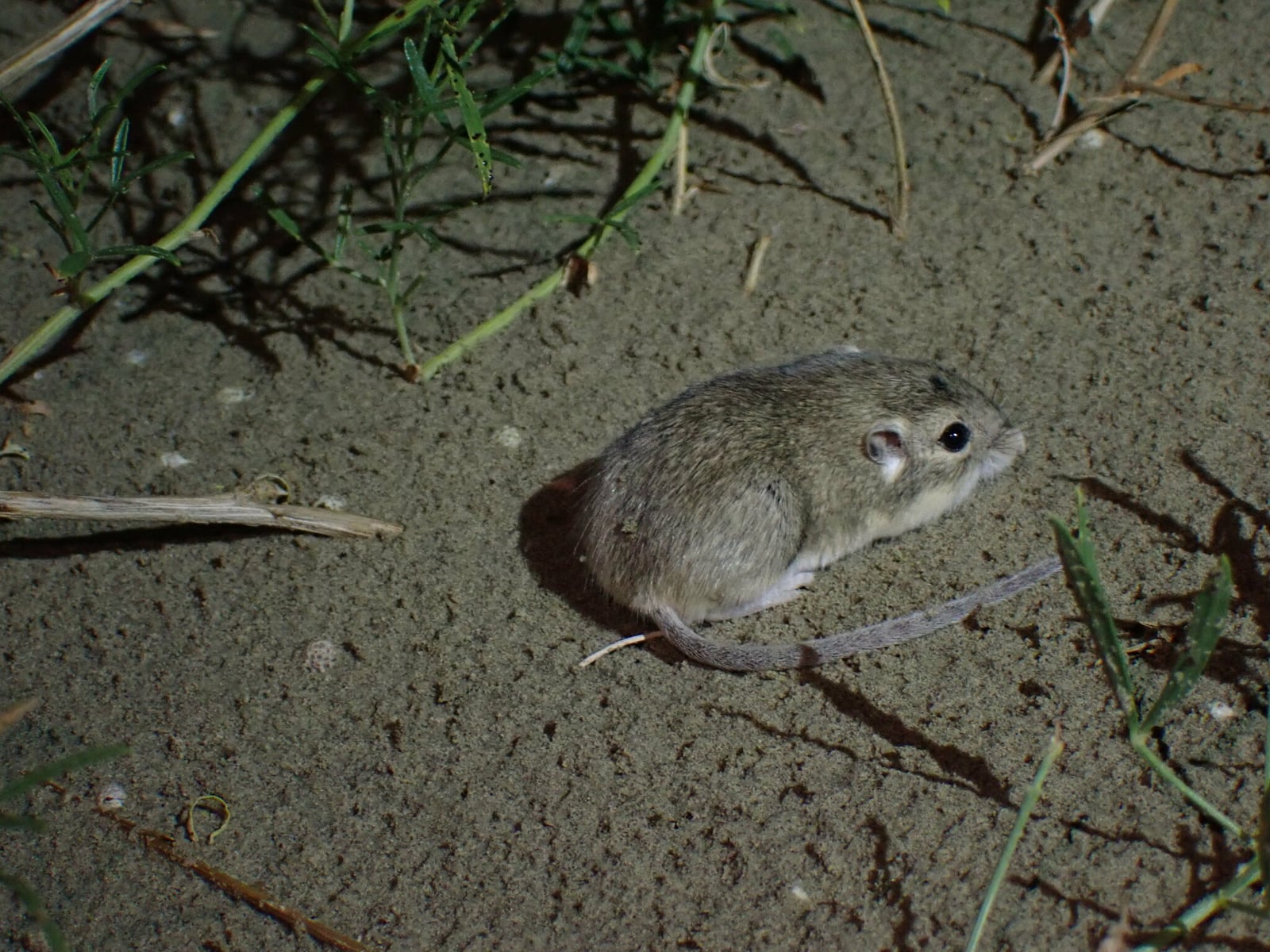
Olive-backed Pocket Mouse in South Dakota

Perognathus fasciatus

Native to South Dakota S4 Apparently Secure in South Dakota

Not listed as nonindigenous in South Dakota by USGS NAS; native to its South Dakota range.

IUCN Red List status

  1. LC
  2. NT
  3. VU
  4. EN
  5. CR
  6. EW
  7. EX

LC – Least Concern

Widespread and abundant; not at risk.

Olive-backed Pocket Mouse in South Dakota, by the numbers

Rare in South Dakota 66th most recorded of 100 mammals logged in South Dakota

3 occurrence records

Records from 2000–2026.

When to look for the Olive-backed Pocket Mouse in South Dakota

Most sightings fall in August.

3 South Dakota occurrence records (iNaturalist and GBIF) by month of year, 2000–2026. Shows when the species is recorded, not a guarantee of presence. Based on a small number of dated records; the seasonal pattern may not be representative.

Monthly South Dakota records (table)
MonthRecords
January0
February0
March0
April0
May0
June0
July1
August2
September0
October0
November0
December0

Monthly olive-backed pocket mouse occurrence records (iNaturalist and GBIF) in South Dakota, 2000–2026.

Seasonality

Sparse observation record in South Dakota; presence confirmed but timing of activity not well documented.

Occurrence map

Where Olive-backed Pocket Mouse has been recorded in South Dakota

3 records mapped · zoom and drag to explore

3 South Dakota records mapped

Where it's recorded in South Dakota

CountyRecords
Harding County 2
Fall River County 1

The complete county distribution, spread across 2 South Dakota counties. Every occurrence record falls in one county, so these sum to the total. Counties from GBIF and US Census boundaries.

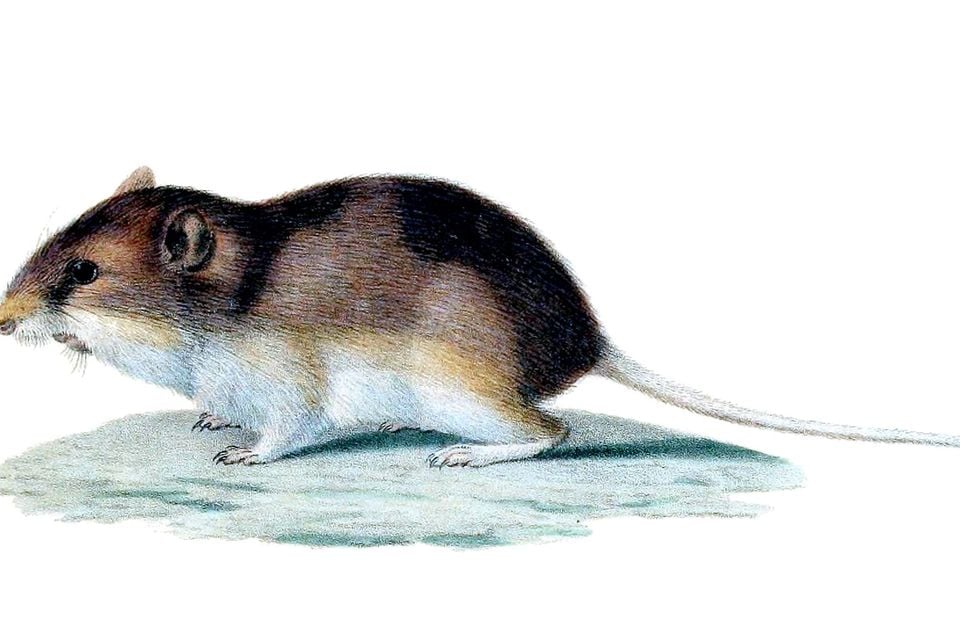
Olive-backed pocket mouse burrows in sandy soil, spending daylight hours underground and foraging for seeds only after dark, a habit that keeps this small rodent under-detected even in good habitat. South Dakota has 3 records since 2000, two from Harding County in the northwest and one from Fall River County in the southwest. NatureServe ranks the species S4, Apparently Secure, statewide.

Those 3 records fall entirely in July and August, though a count this small says more about how rarely a nocturnal burrower gets documented than about any narrow true activity window.

More mammals in South Dakota in the atlas

Data & sources

The data and visualizations on this page draw on these open sources:

  • GBIFCC-BY 4.0occurrence records behind the range map, elevation, and record counts
  • iNaturalistCC0 / CC-BY / CC-BY-SAobservations, photos, and audio recordings
  • NatureServe ExplorerCC-BYthe state conservation rank
  • IUCN Red Listattributed factthe global conservation status
  • USGS NASpublic domainnative / introduced status
  • Natural Earthpublic domainthe relief basemap
  • USFSpublic domainnational-forest boundaries




