
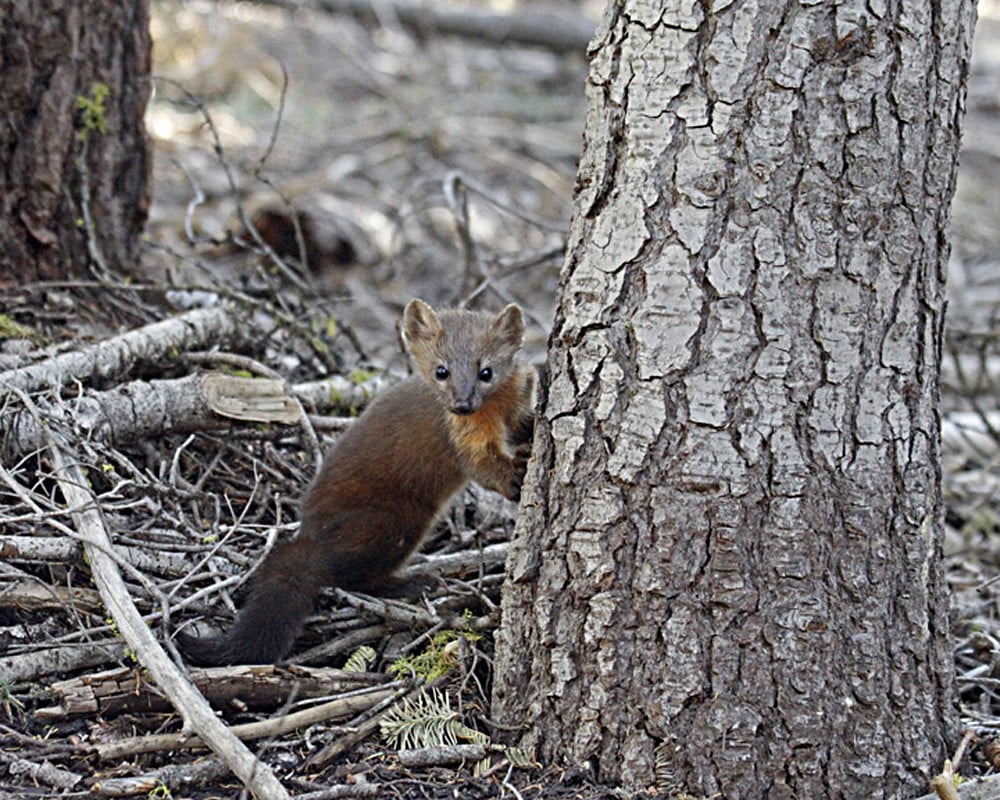
Alaska mammals

Pacific Marten in Alaska

Martes caurina

Native to Alaska SNR Unranked in Alaska

Not listed as nonindigenous in Alaska by USGS NAS; native to its Alaska range.

IUCN Red List status

NE – Not Evaluated

Not yet assessed against IUCN Red List criteria.

Pacific Marten in Alaska, by the numbers

Occasional in Alaska 62nd most recorded of 108 mammals logged in Alaska

126 occurrence records

Records from 2000–2026.

When to look for the Pacific Marten in Alaska

Most sightings fall in December to January.

126 Alaska occurrence records (iNaturalist and GBIF) by month of year, 2000–2026. Shows when the species is recorded, not a guarantee of presence.

Monthly Alaska records (table)
MonthRecords
January58
February29
March0
April0
May0
June0
July0
August0
September0
October0
November2
December37

Monthly pacific marten occurrence records (iNaturalist and GBIF) in Alaska, 2000–2026.

Seasonality

Year-round in Alaska, with recorded sightings peaking in December–January.

Occurrence map

Where Pacific Marten has been recorded in Alaska

126 records mapped · zoom and drag to explore

126 Alaska records mapped

Notable places to look

Park, forest, or monumentiNaturalist records
Admiralty Island National Monument 20

Protected places with the most pacific marten sightings, from the USGS Protected Areas Database plus named mountain ranges, good spots to look, not a full breakdown, so they don't sum to the total.

Where it's recorded in Alaska

CountyRecords
Hoonah-Angoon County 57
Skagway-Yakutat-Angoon County 32
Petersburg County 5
Juneau County 5
Ketchikan Gateway County 2
Sitka County 1
Other localities 24

The complete county distribution, spread across 6 Alaska counties. Every occurrence record falls in one county, so these sum to the total. Counties from GBIF and US Census boundaries.

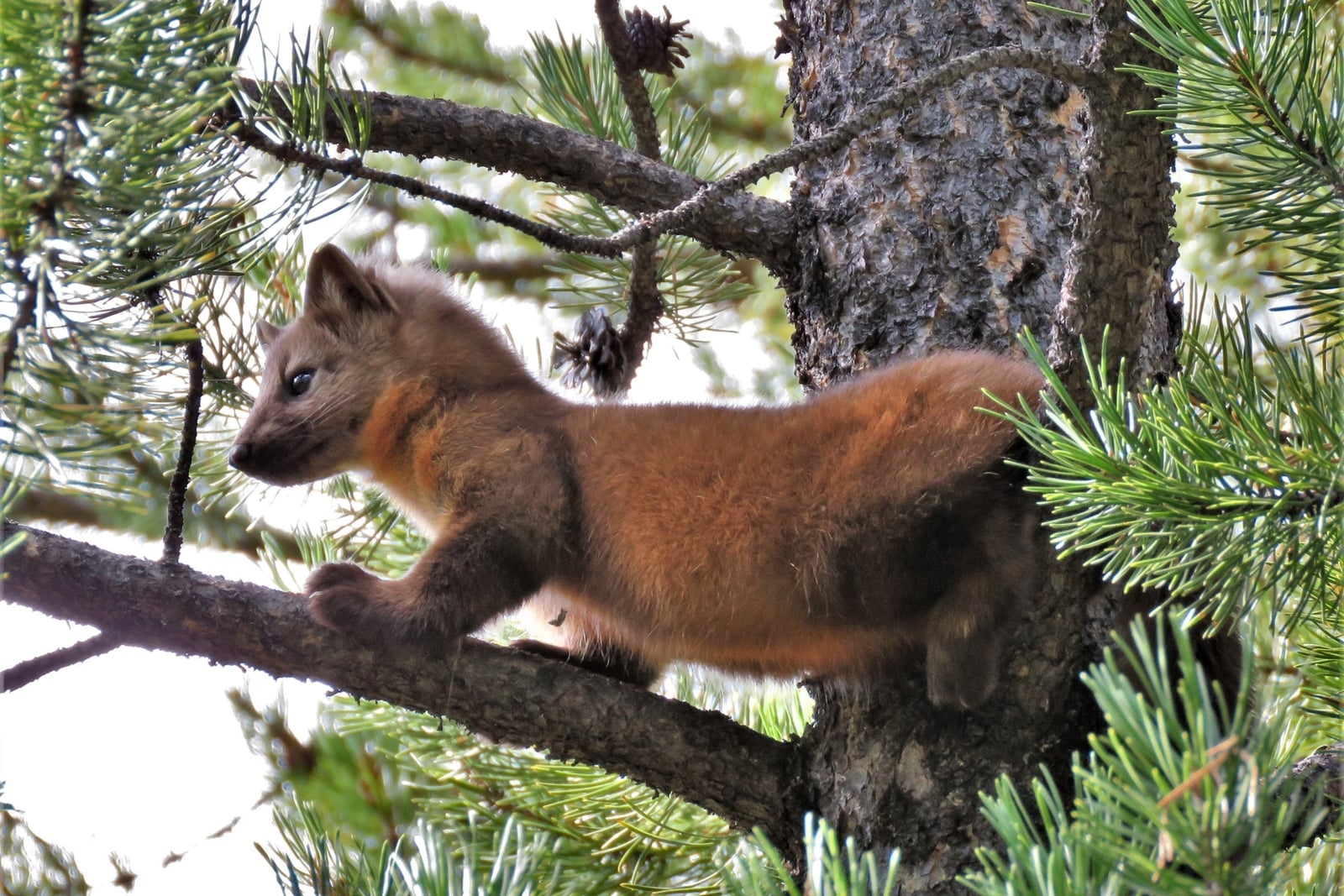
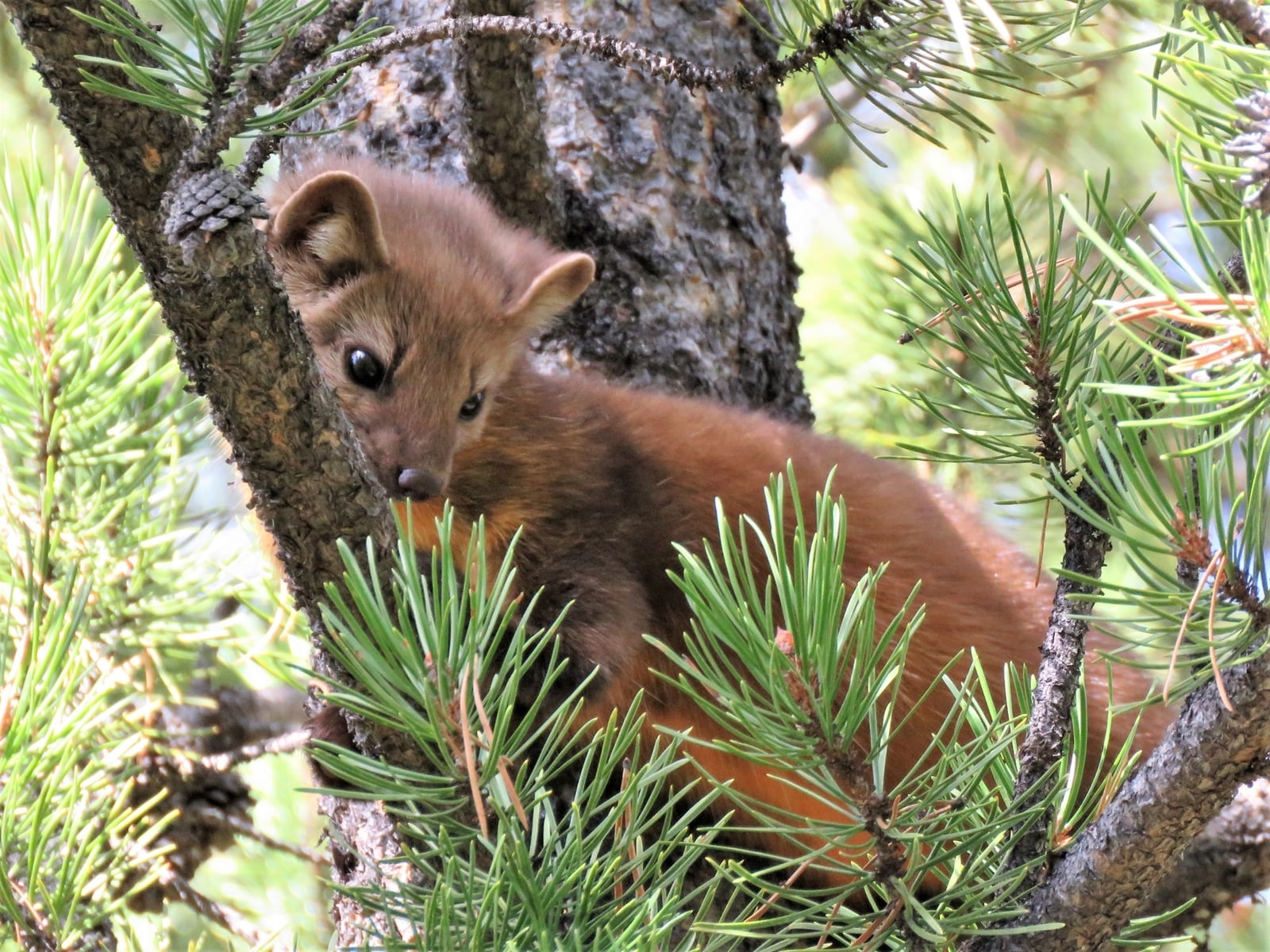
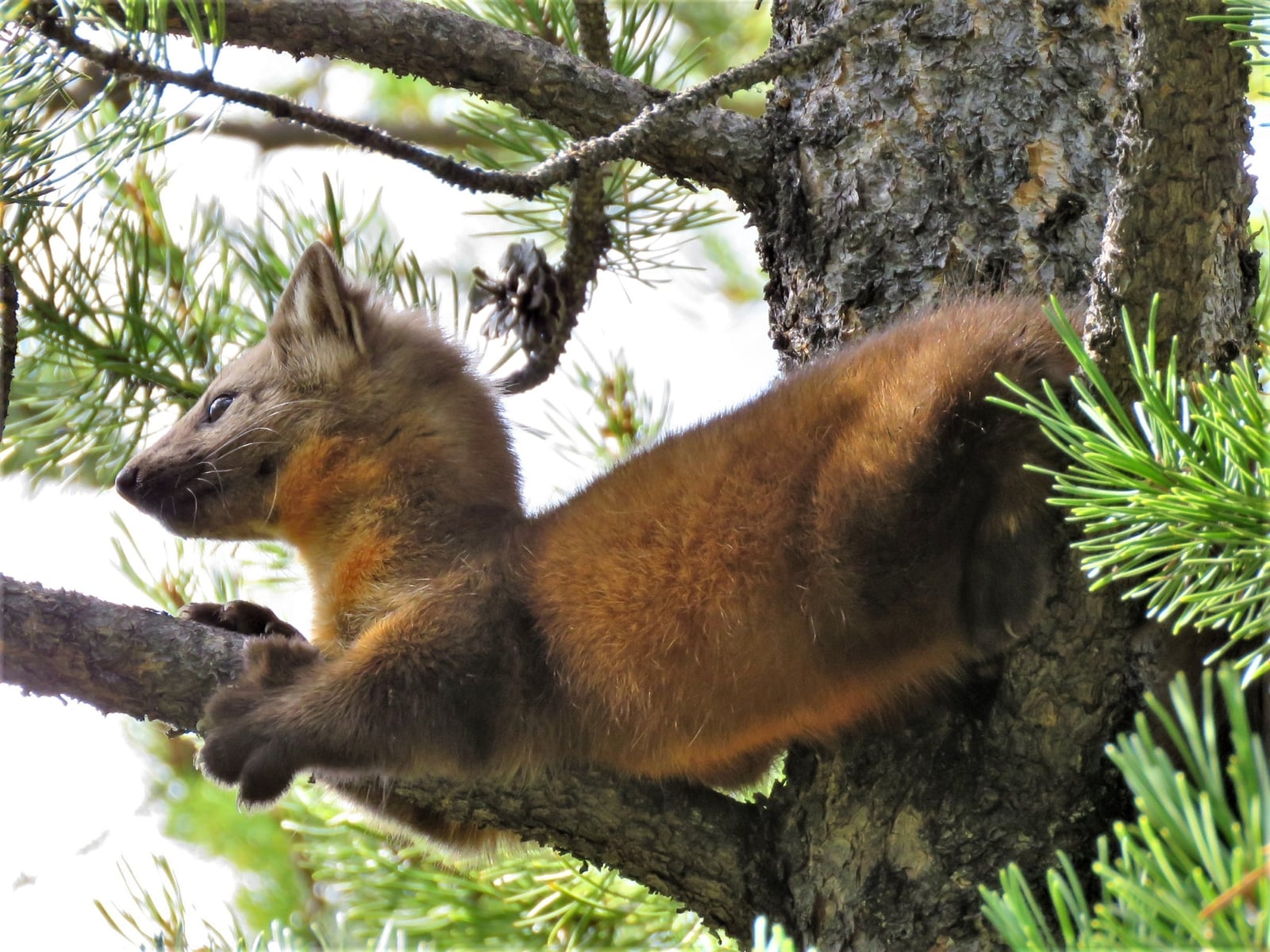
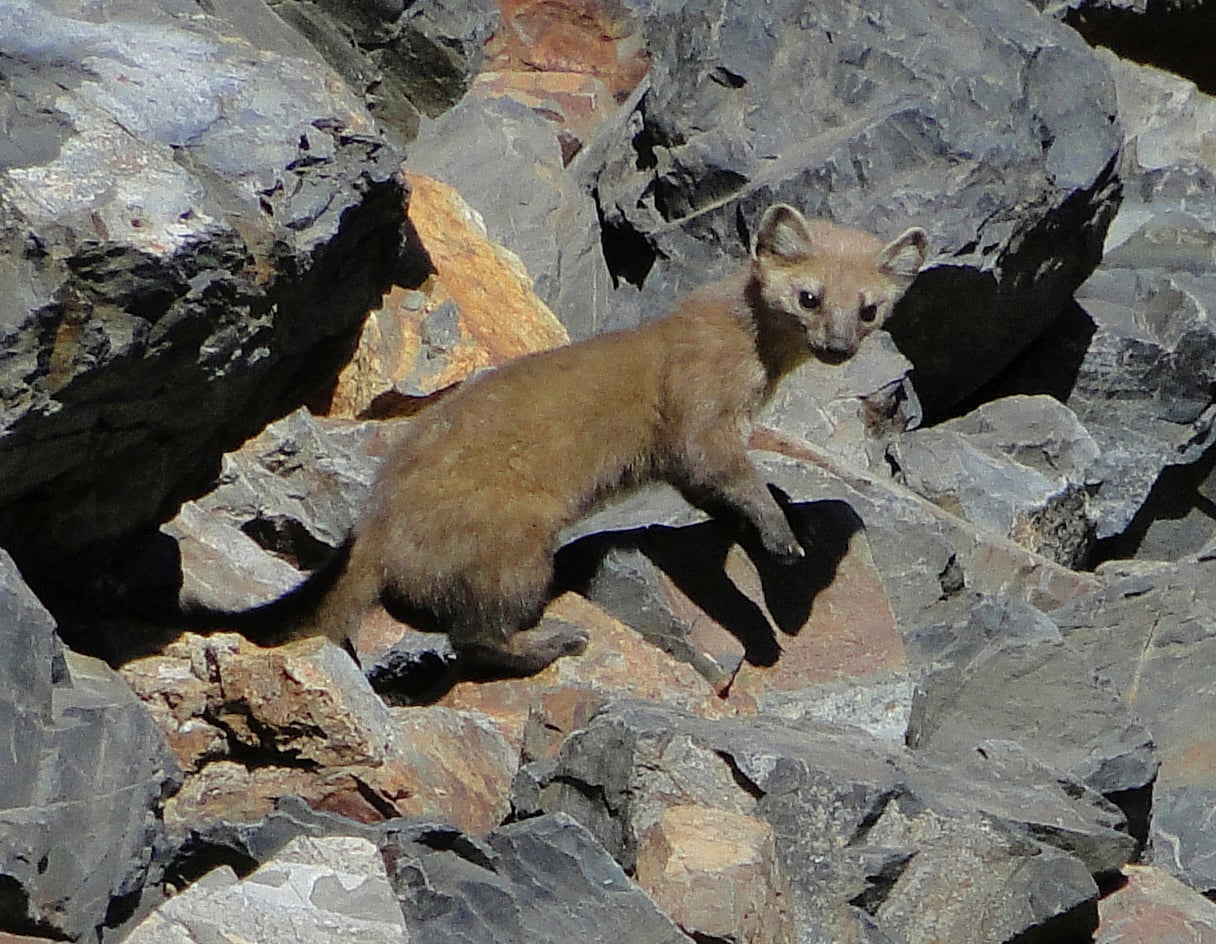
Alaska’s mapped reports for the Pacific marten are thin, a handful scattered around Glacier Bay National Park and Preserve, Prince William Sound, and Kenai Fjords National Park. A low record count here doesn’t mean the marten is absent from Southeast and Southcentral Alaska’s coastal rainforest; it’s a genuinely hard animal to document, solitary and often active after dark in exactly the kind of old-growth conifer forest that makes it difficult to survey.

This is the outer edge of the species’ range, the coastal temperate rainforest running from the Alaska Panhandle down through the Pacific coast ranges, and it depends here on the same structure it needs everywhere: standing dead trees, downed logs, and a messy understory for denning cover and ambush hunting. Its oversized, furred paws work like built-in snowshoes, and in deep-snow country farther south in its range martens are known to travel long stretches under the snowpack itself, hunting rodents in tunnels without ever breaking the surface.

Records here peak in January and February, the cold months this snow-adapted hunter is built for, though the sparse data makes any seasonal read tentative. Diet studies elsewhere in its range show voles as an everyday meal, backed up by squirrels, birds, and carrion, with berries rounding things out in summer and fall, and there’s no reason to expect Alaska’s population to differ.
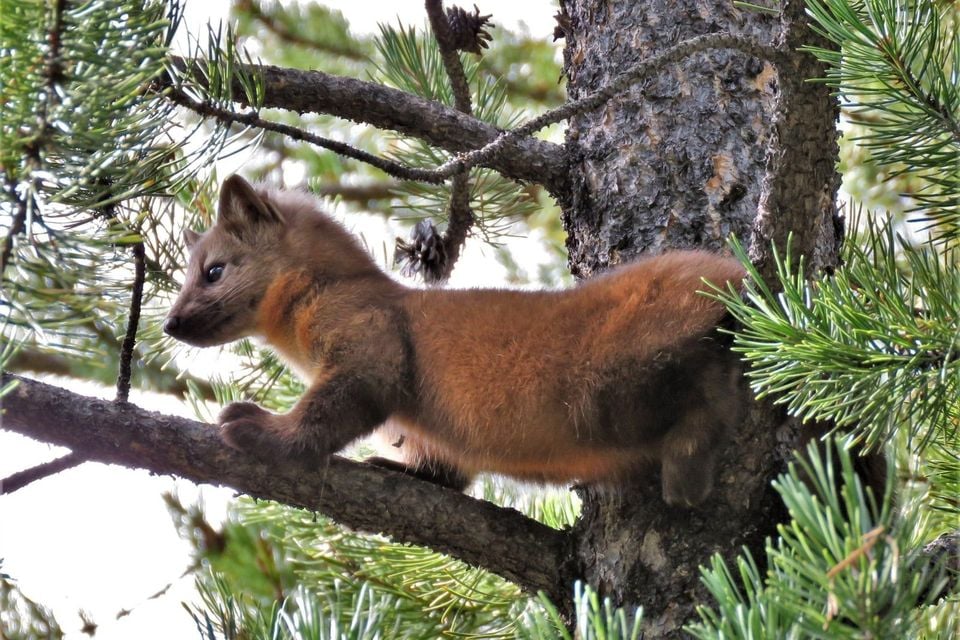

Occurrence data from iNaturalist and GBIF.

More mammals in Alaska in the atlas

Data & sources

The data and visualizations on this page draw on these open sources:

  • GBIFCC-BY 4.0occurrence records behind the range map, elevation, and record counts
  • iNaturalistCC0 / CC-BY / CC-BY-SAobservations, photos, and audio recordings
  • NatureServe ExplorerCC-BYthe state conservation rank
  • IUCN Red Listattributed factthe global conservation status
  • USGS NASpublic domainnative / introduced status
  • Natural Earthpublic domainthe relief basemap
  • USFSpublic domainnational-forest boundaries
  • USGS Protected Areas Databasepublic domainthe named parks, forests, and refuges behind "notable places to look"




