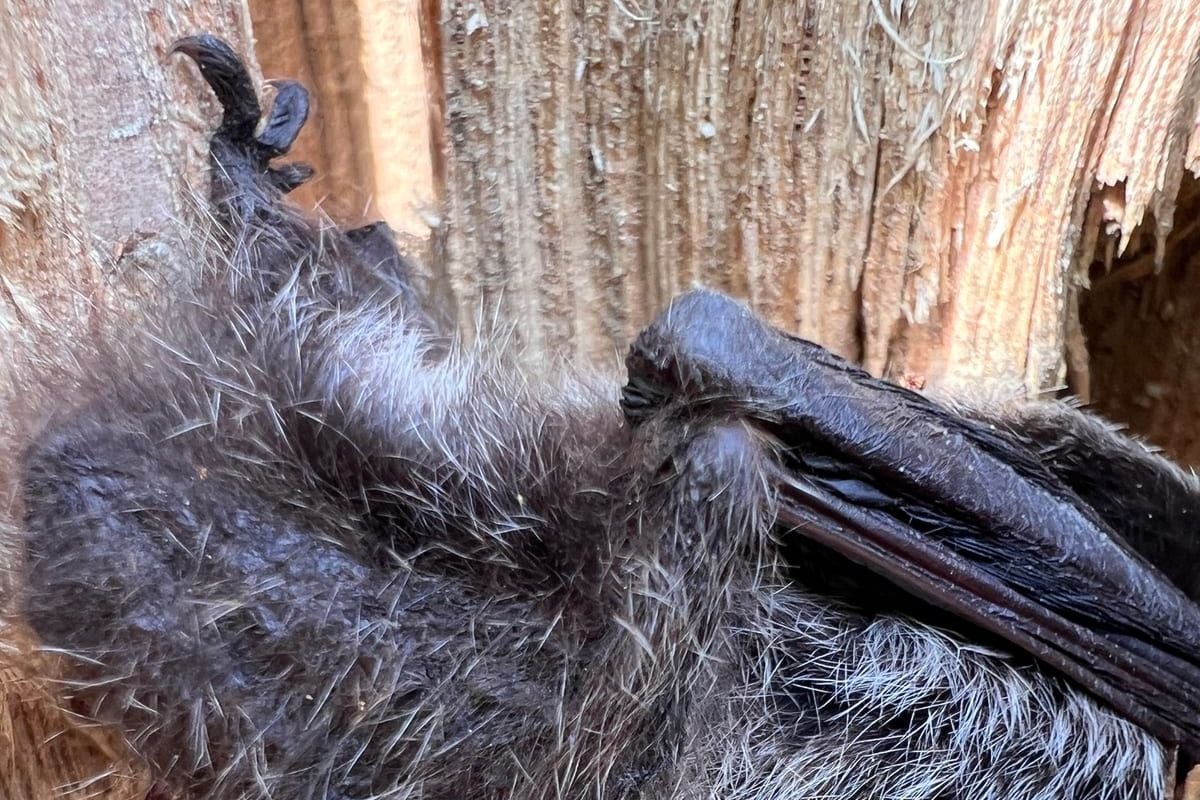
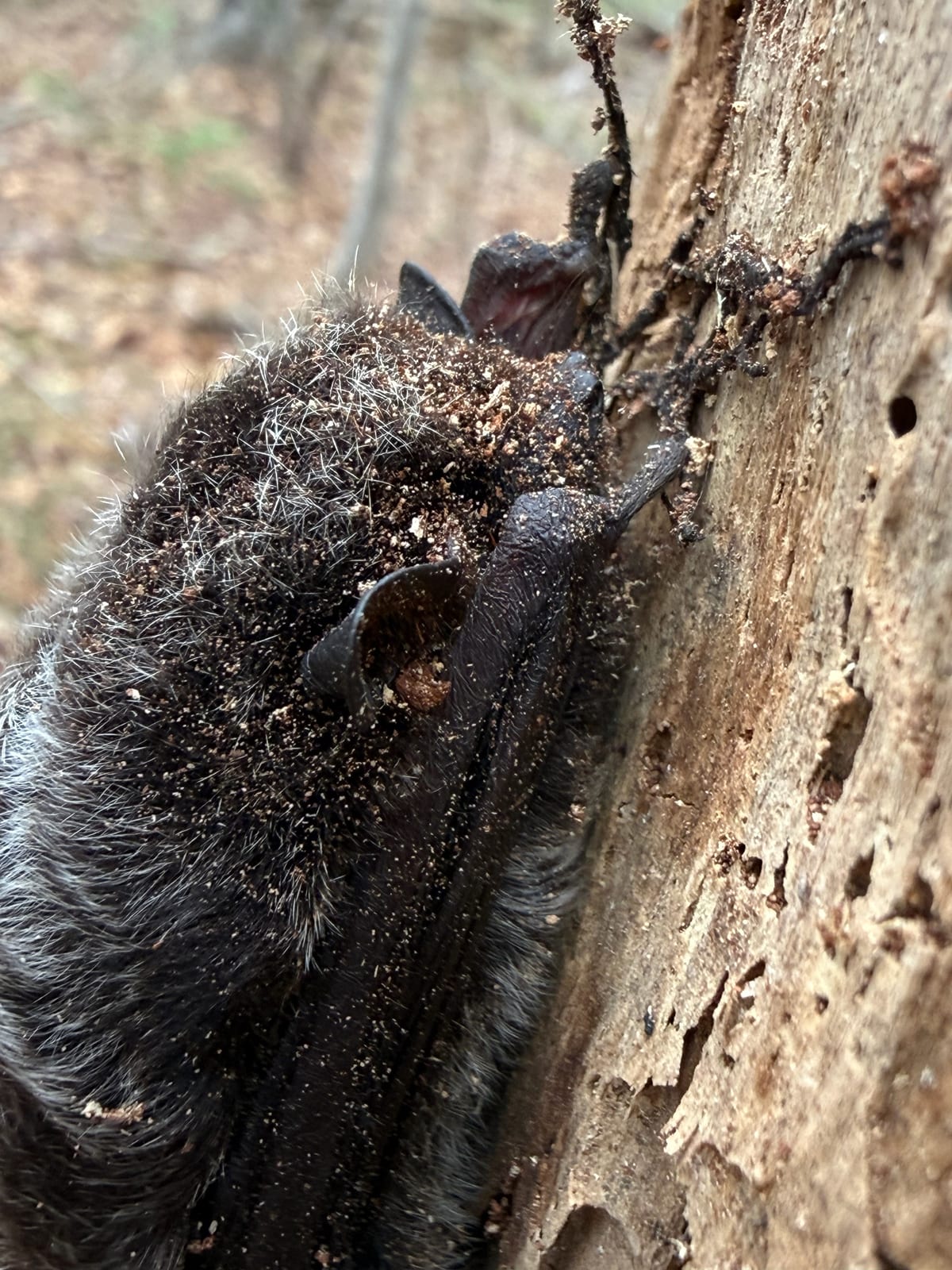
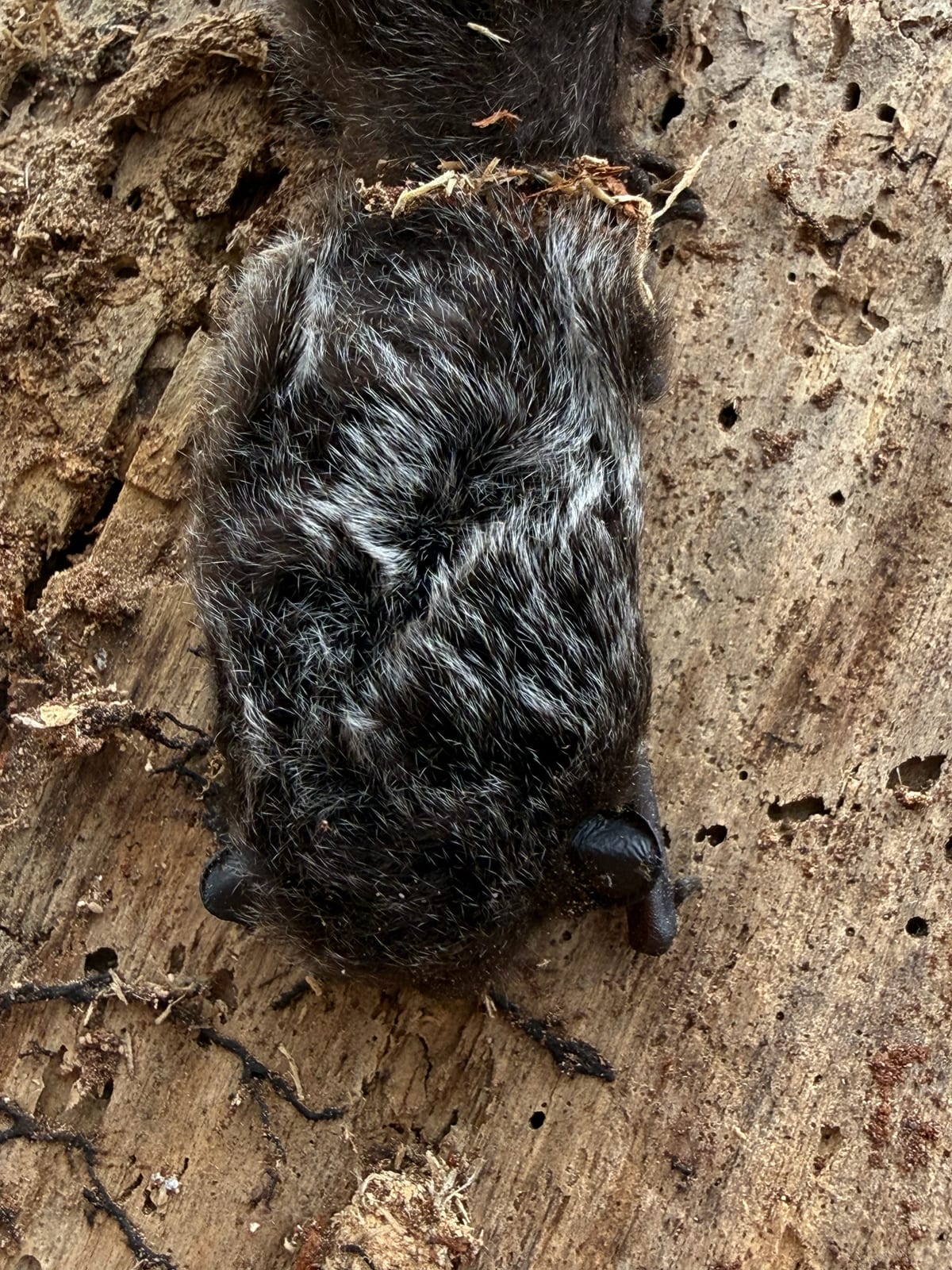
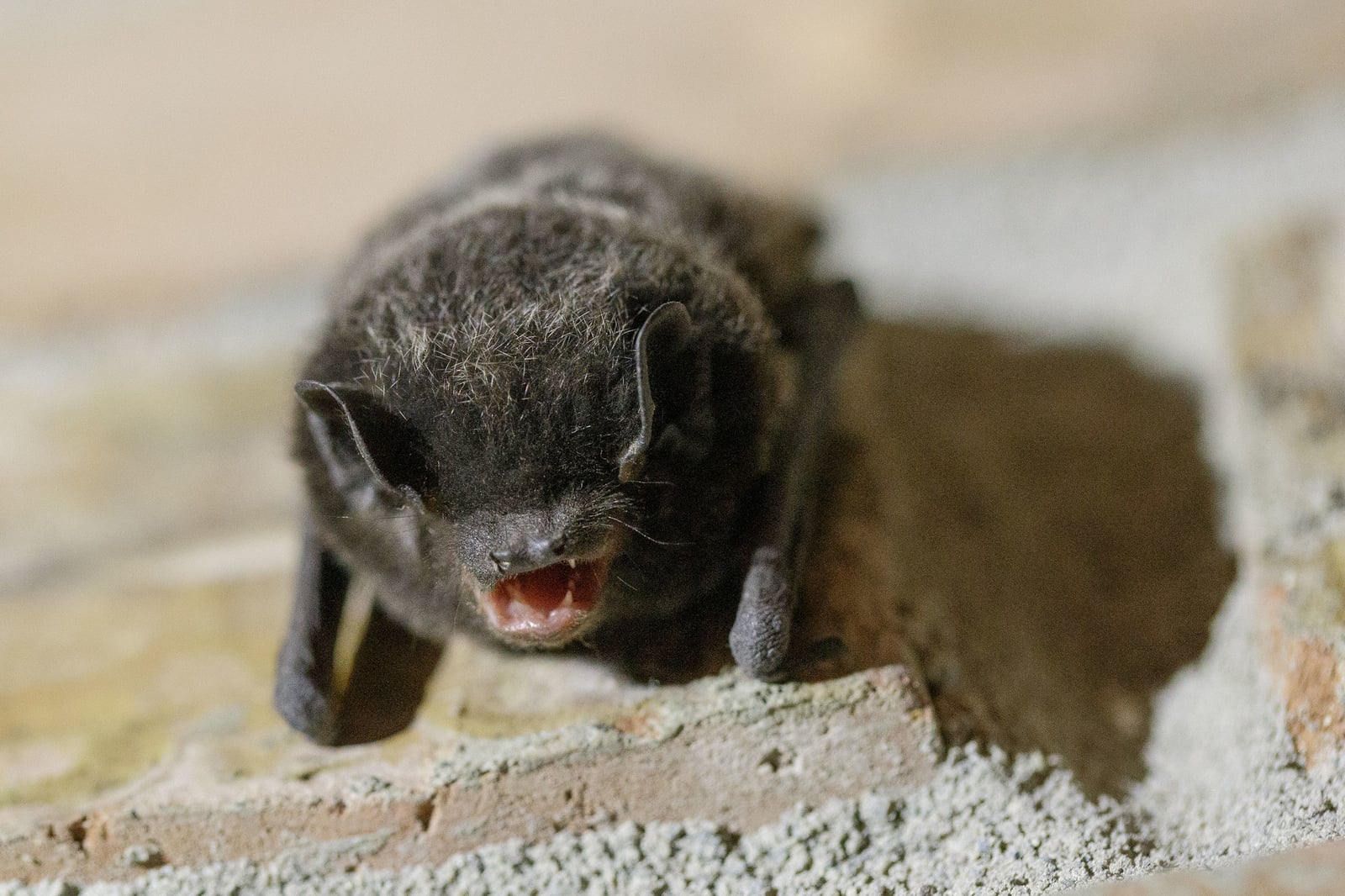
Wyoming’s silver-haired bats are a genuine rarity in the record book, with only 11 records since 2000 scattered across nine counties, no more than two in any one, and named sites limited to Fossil Butte National Monument and Grand Teton National Park. The state ranks this species in its rarest reporting bracket, a bat that’s easy to miss even where it lives, since it forages alone over water and forest edges at dusk and roosts hidden in loose bark rather than gathering in obvious colonies.
Eight of the 11 came through iNaturalist, a surprising share for a species usually picked up by bat-detector surveys and mist-net captures rather than spotted by eye. The records run thinly from April to December, with three each in June and August, too few to show a seasonal pattern. NatureServe lists it as vulnerable in Wyoming (S3B), a status tied to its breeding population here.
 Full species profile