Hawaii mammals

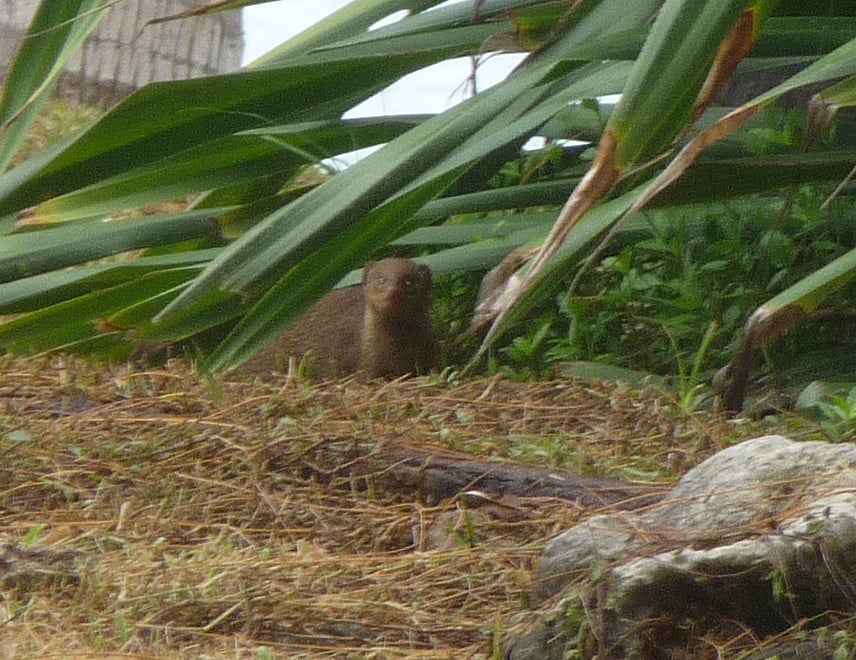
Small Indian Mongoose in Hawaii

Urva auropunctata

Introduced to Hawaii

Hawaii's Urva auropunctata records are of an introduced species; it does not occur here as a wild native population.

IUCN Red List status

NE – Not Evaluated

Not yet assessed against IUCN Red List criteria.

Small Indian Mongoose in Hawaii, by the numbers

Common in Hawaii 1st most recorded of 34 mammals logged in Hawaii

9,709 occurrence records
2,947 with iNaturalist photos

Records from 2000–2026.

9,709 total records count every Hawaii occurrence from GBIF and iNaturalist; the map plots a georeferenced sample of 300; the monthly chart covers the 2,870 records with a full observation date.

When to look for the Small Indian Mongoose in Hawaii

Recorded year-round, with no strong seasonal peak.

2,870 Hawaii occurrence records (iNaturalist and GBIF) by month of year, 2000–2026. Shows when the species is recorded, not a guarantee of presence.

Monthly Hawaii records (table)
MonthRecords
January243
February188
March242
April251
May296
June298
July270
August268
September228
October184
November183
December219

Monthly small indian mongoose occurrence records (iNaturalist and GBIF) in Hawaii, 2000–2026.

Seasonality

Year-round in Hawaii, with no strong seasonal peak in observations.

Occurrence map

Where Small Indian Mongoose has been recorded in Hawaii

300 records mapped · zoom and drag to explore

300 Hawaii records mapped

Notable places to look

Park, forest, or monumentiNaturalist records
Diamond Head State Monument 145
Kalepa Mountain Forest Reserve 106
Wai'anapanapa State Park 62
Kealakekua Bay State Historical Park 57
Old Kona Airport State Recreation Area 48
Ko'olau Forest Reserve 38
Haleakala National Park 26
Honolulu Watershed Forest Reserve 26

Protected places with the most small indian mongoose sightings, from the USGS Protected Areas Database plus named mountain ranges, good spots to look, not a full breakdown, so they don't sum to the total.

Where it's recorded in Hawaii

CountyRecords
Kauai County 6,454
Hawaii County 1,027
Honolulu County 942
Maui County 378
Other localities 908

The complete county distribution, spread across 4 Hawaii counties. Every occurrence record falls in one county, so these sum to the total. Counties from GBIF and US Census boundaries.

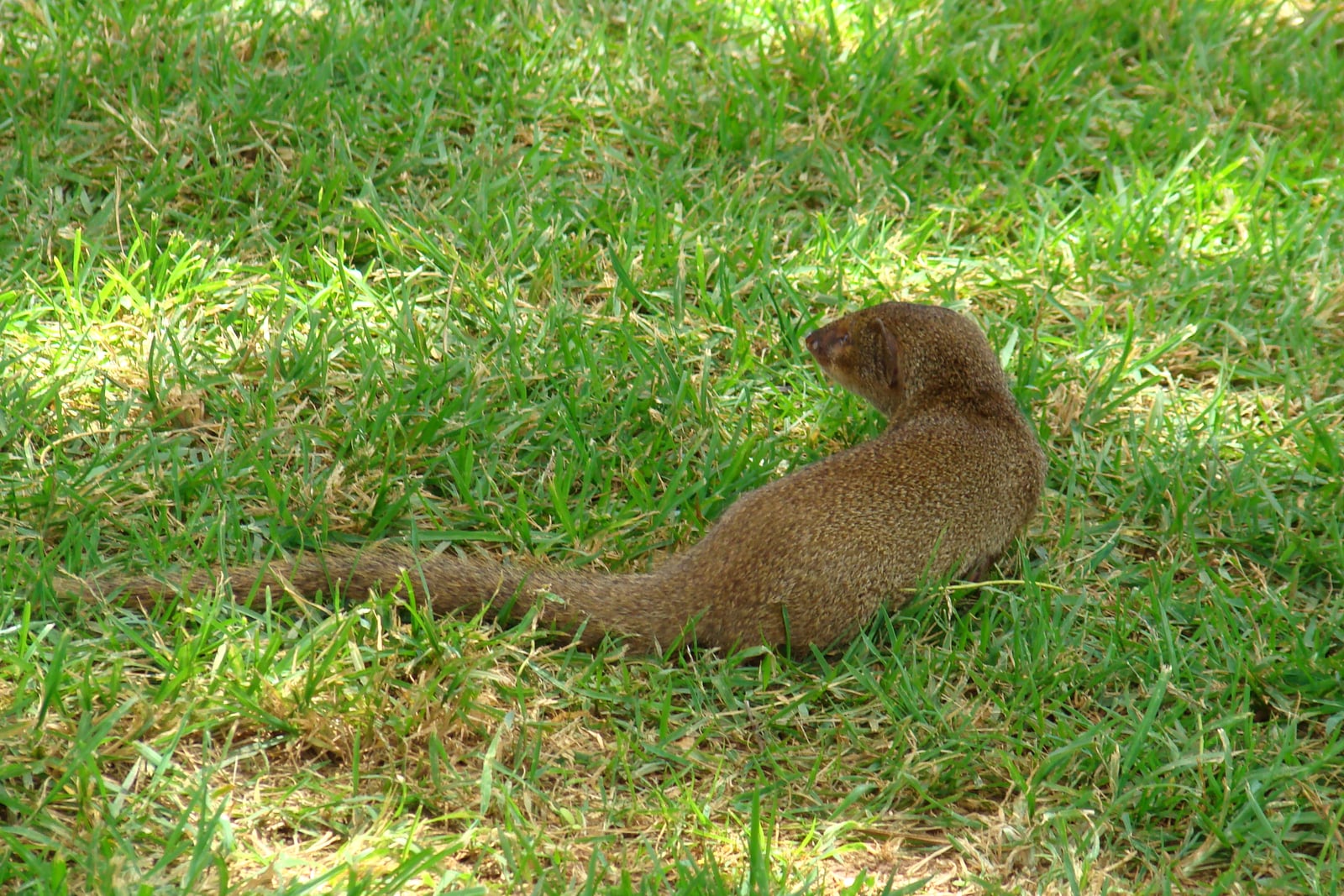
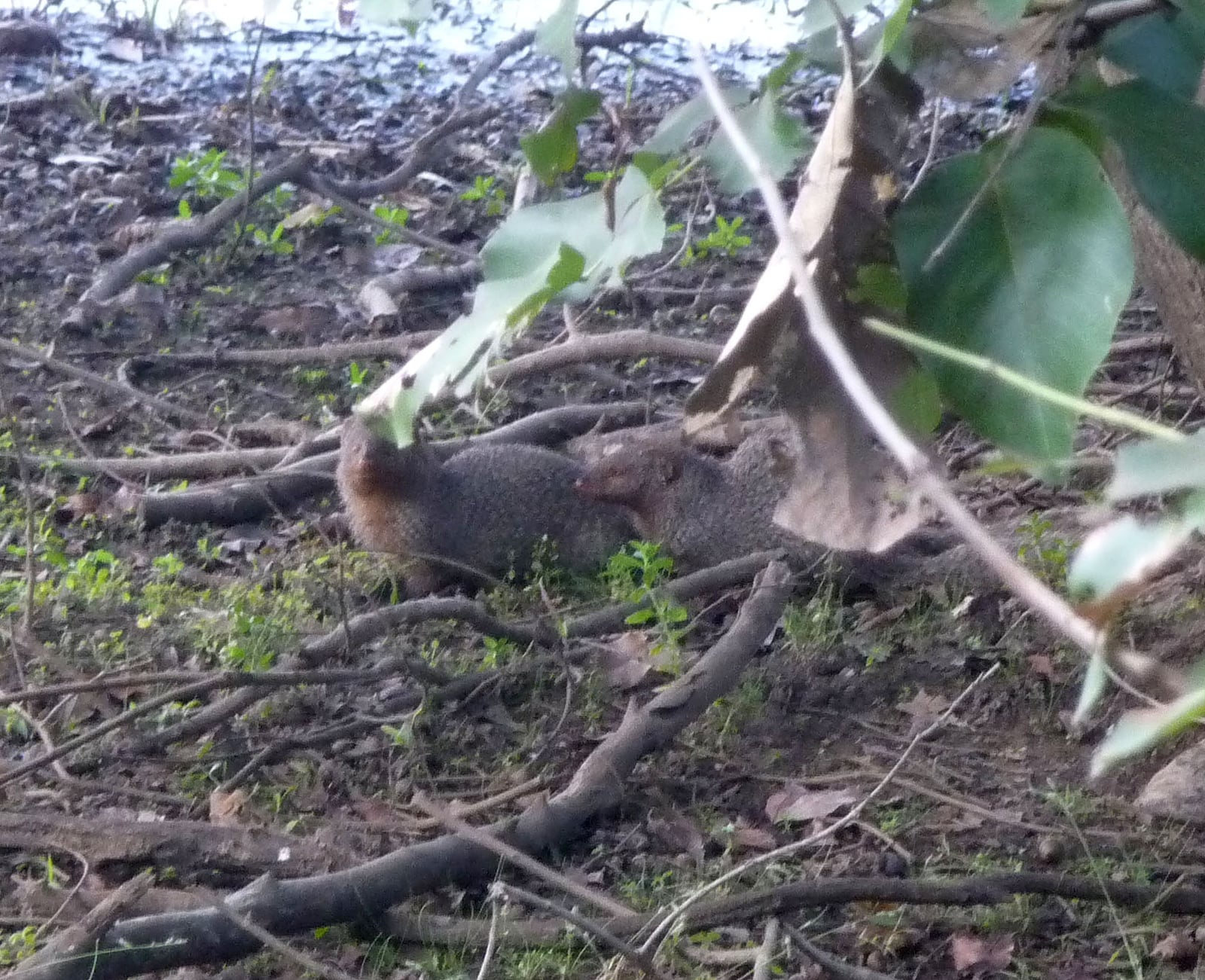
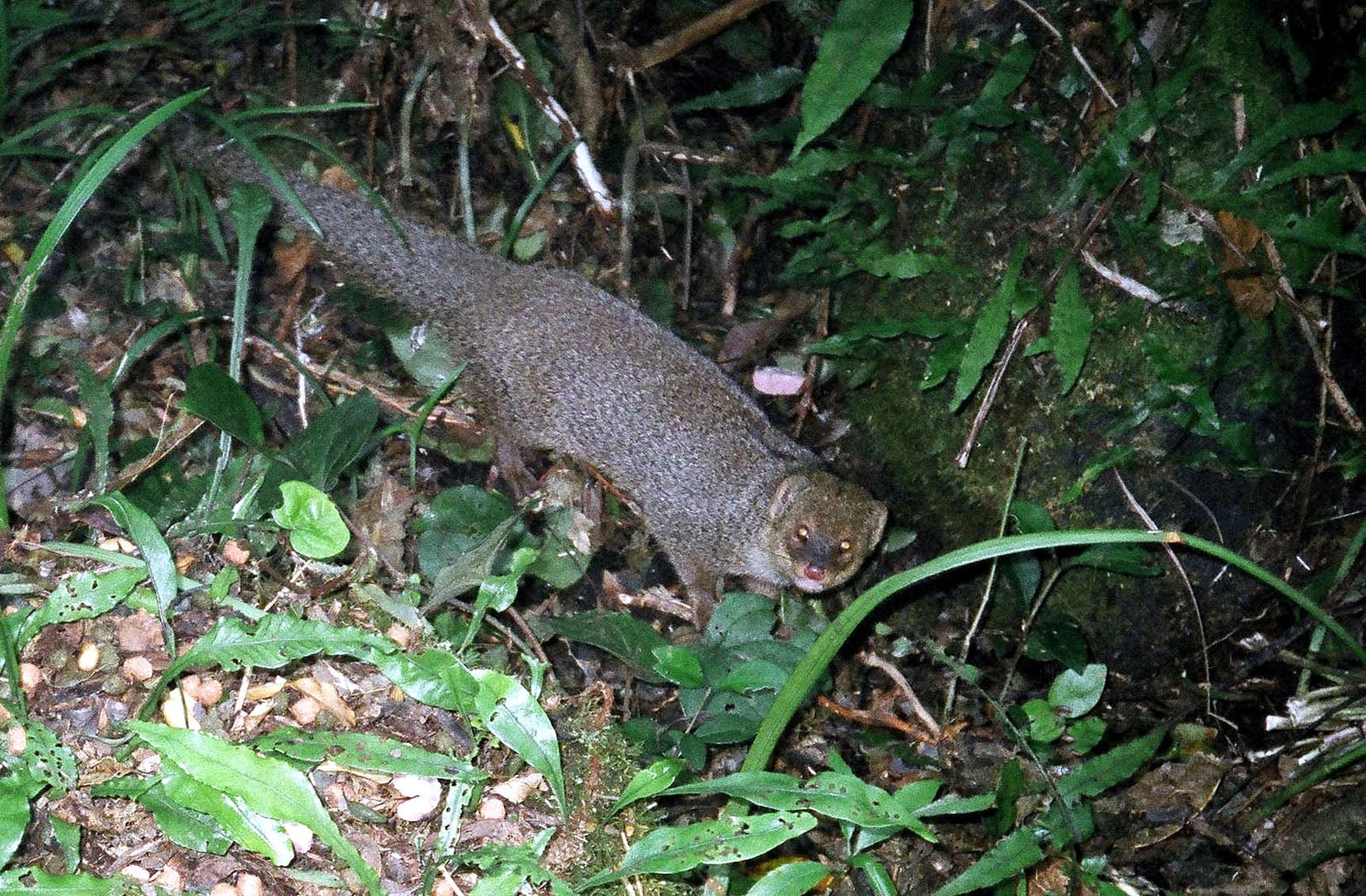
Hawaiʻi’s mongoose is the small Indian mongoose, released in 1883 on Big Island sugar plantations to control rats and later introduced to Maui, Molokaʻi and Oʻahu. The plan failed on a basic mismatch: the mongoose hunts by day, while the rats it was meant to eat are mostly active at night. Instead it took the eggs, chicks and adults of ground-nesting birds, including nēnē and seabirds, along with sea turtle eggs, insects, fruit and the occasional rat.

Records spread across Oʻahu around Diamond Head and the Koʻolau forest reserves, the Big Island’s Kona coast and Hawaiʻi Volcanoes National Park, and Maui’s Waiʻānapanapa coast. The county table looks lopsided toward Kauaʻi, but most of those records come from a single 2001 to 2011 pest-survey dataset from the Kauaʻi Invasive Species Committee. Kauaʻi is still treated as having no established mongoose population, so those points are better read as survey and report locations than as a resident population.

Sightings come in every month with no strong seasonal peak, which fits a non-migratory animal that stays active year-round in lowland and forest habitat alike.

Occurrence data from iNaturalist and GBIF.

More mammals in Hawaii in the atlas

Data & sources

The data and visualizations on this page draw on these open sources: