Wisconsin mammals

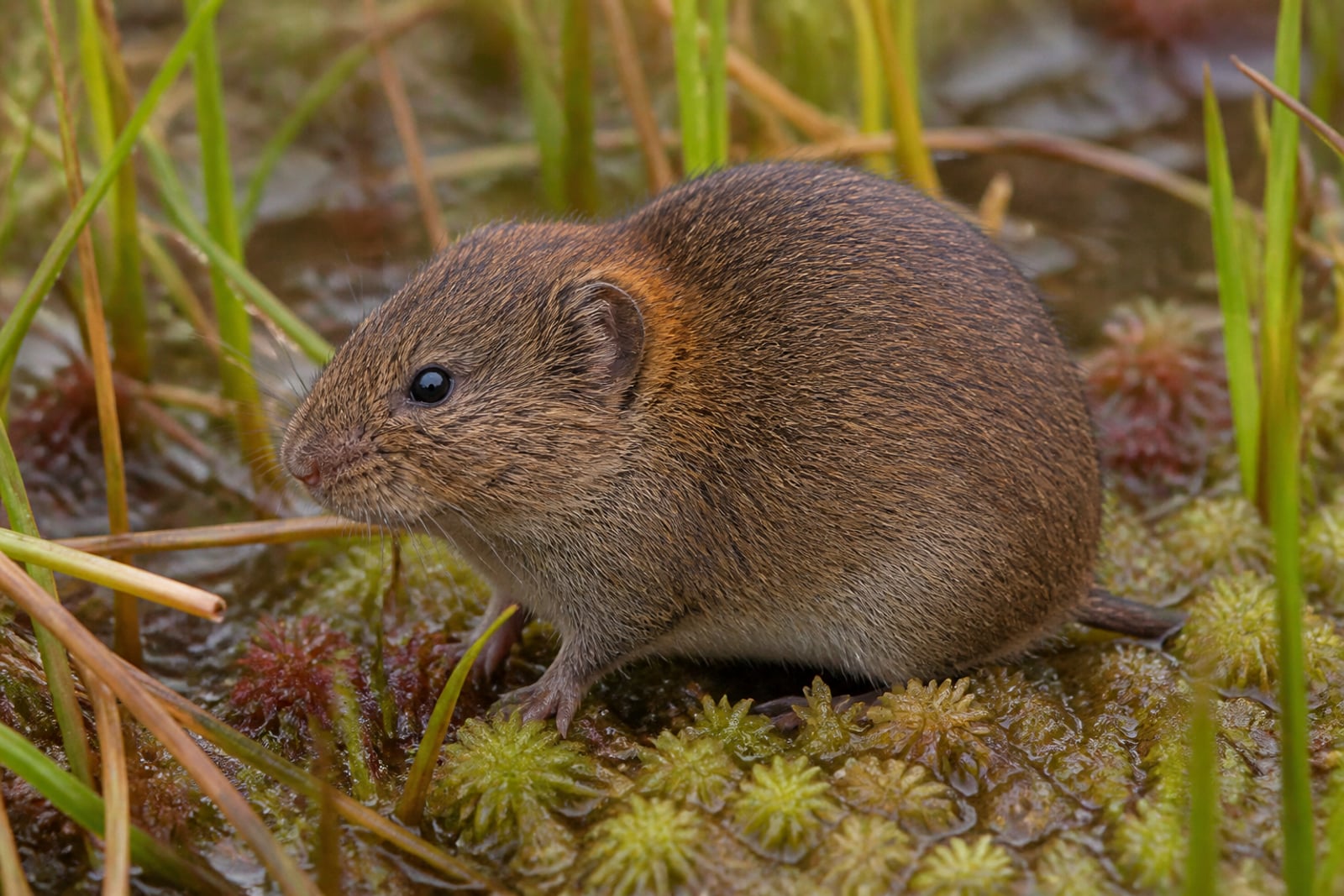
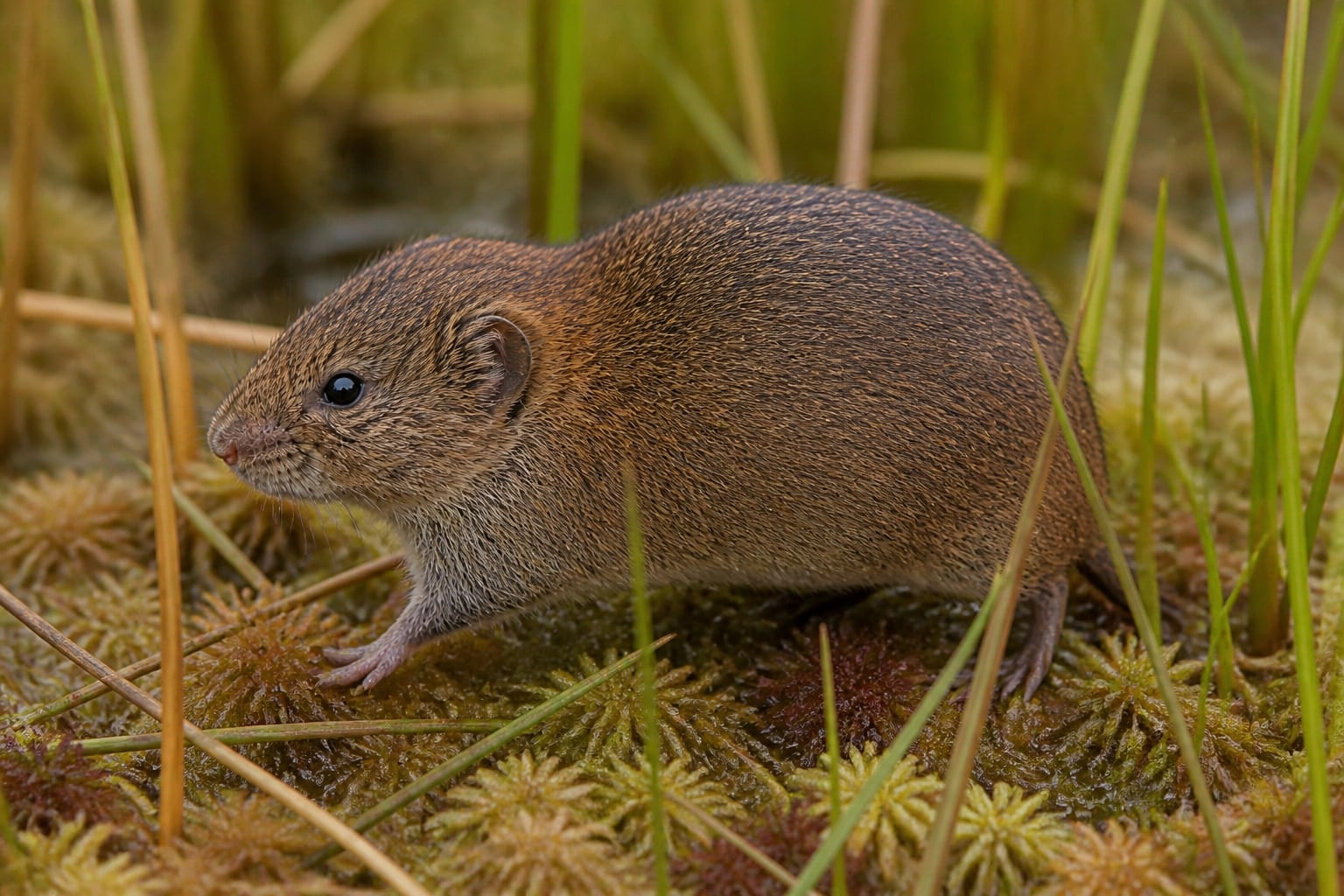
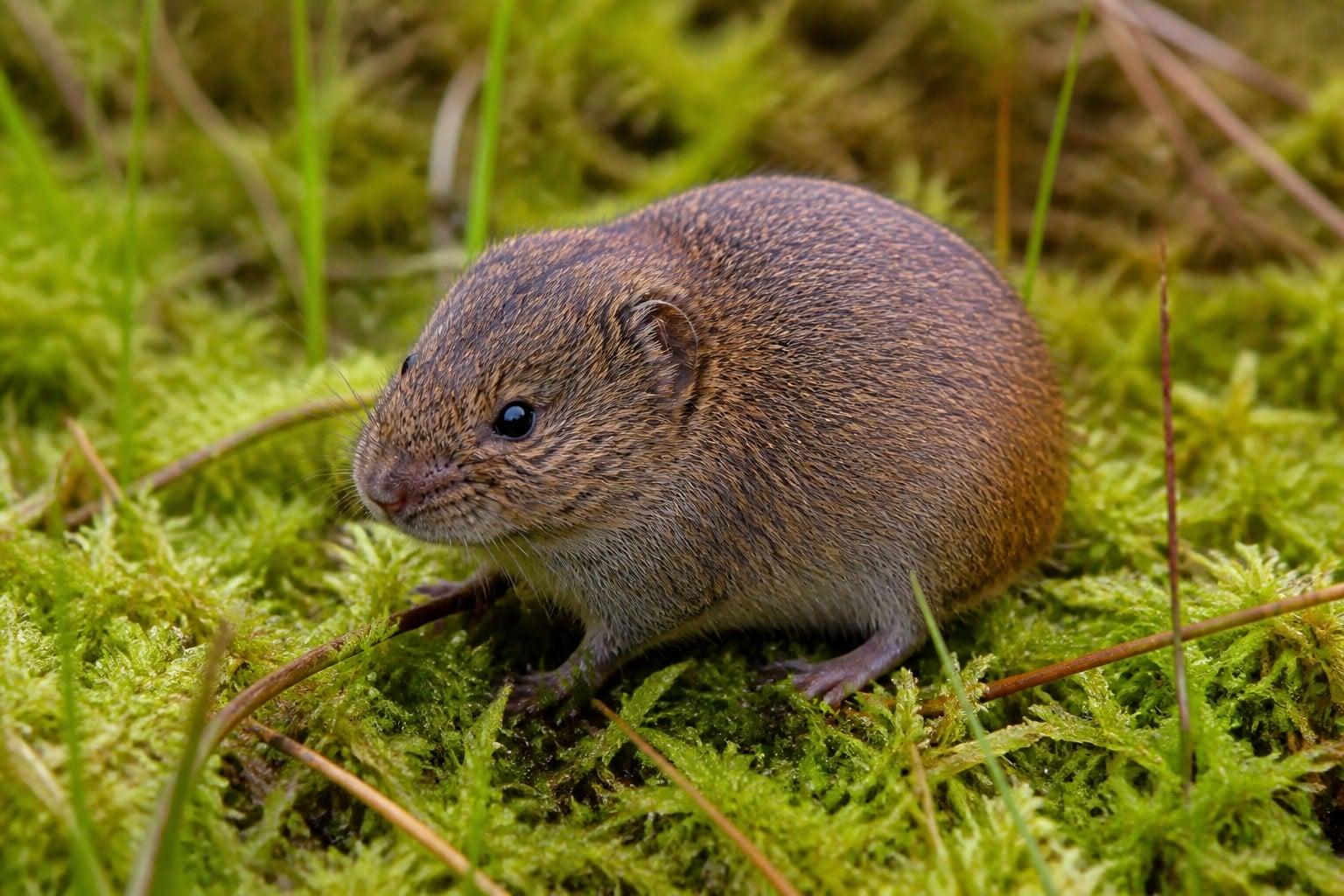
Southern Bog Lemming in Wisconsin

Synaptomys cooperi

Native to Wisconsin S4 Apparently Secure in Wisconsin

Not listed as nonindigenous in Wisconsin by USGS NAS; native to its Wisconsin range.

IUCN Red List status

  1. LC
  2. NT
  3. VU
  4. EN
  5. CR
  6. EW
  7. EX

LC – Least Concern

Widespread and abundant; not at risk.

Southern Bog Lemming in Wisconsin, by the numbers

Occasional in Wisconsin 41st most recorded of 75 mammals logged in Wisconsin

61 occurrence records
7 with iNaturalist photos
May 21, 2026 Last seen in Wisconsin

Records from 2000–2026.

When to look for the Southern Bog Lemming in Wisconsin

Most sightings fall in August to September.

61 Wisconsin occurrence records (iNaturalist and GBIF) by month of year, 2000–2026. Shows when the species is recorded, not a guarantee of presence.

Monthly Wisconsin records (table)
MonthRecords
January2
February0
March0
April0
May2
June2
July10
August22
September22
October0
November0
December1

Monthly southern bog lemming occurrence records (iNaturalist and GBIF) in Wisconsin, 2000–2026.

Seasonality

Year-round in Wisconsin, with recorded sightings peaking in August–September.

Occurrence map

Where Southern Bog Lemming has been recorded in Wisconsin

61 records mapped · zoom and drag to explore

61 Wisconsin records mapped

Where it's recorded in Wisconsin

CountyRecords
Lincoln County 49
Oneida County 6
Ashland County 3
Oconto County 2
Eau Claire County 1

The complete county distribution, spread across 5 Wisconsin counties. Every occurrence record falls in one county, so these sum to the total. Counties from GBIF and US Census boundaries.

Wisconsin Southern Bog Lemming records connect Chequamegon-Nicolet’s moist forest openings and bog margins with sedge-rich wetland settings around Horicon and Necedah. August dominates the record series, with July and September secondary, a shape that likely reflects targeted trapping windows and access to saturated habitats as much as animal activity.

Only 7 of 61 records are from iNaturalist; nearly the entire dataset comes through GBIF. Records therefore show where surveys and collections detected lemmings, not their abundance, and a heavily sampled wetland can appear more important than similar but unsurveyed habitat.
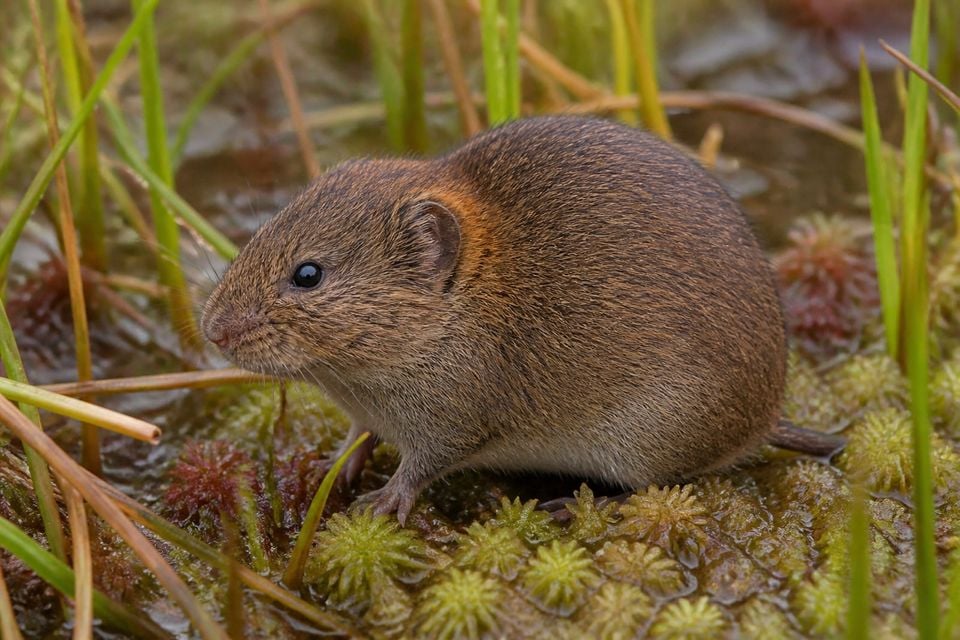
Occurrence data from iNaturalist and GBIF.

More mammals in Wisconsin in the atlas

Data & sources

The data and visualizations on this page draw on these open sources:

  • GBIFCC-BY 4.0occurrence records behind the range map, elevation, and record counts
  • iNaturalistCC0 / CC-BY / CC-BY-SAobservations, photos, and audio recordings
  • NatureServe ExplorerCC-BYthe state conservation rank
  • IUCN Red Listattributed factthe global conservation status
  • USGS NASpublic domainnative / introduced status
  • Natural Earthpublic domainthe relief basemap
  • USFSpublic domainnational-forest boundaries




