Georgia mammals

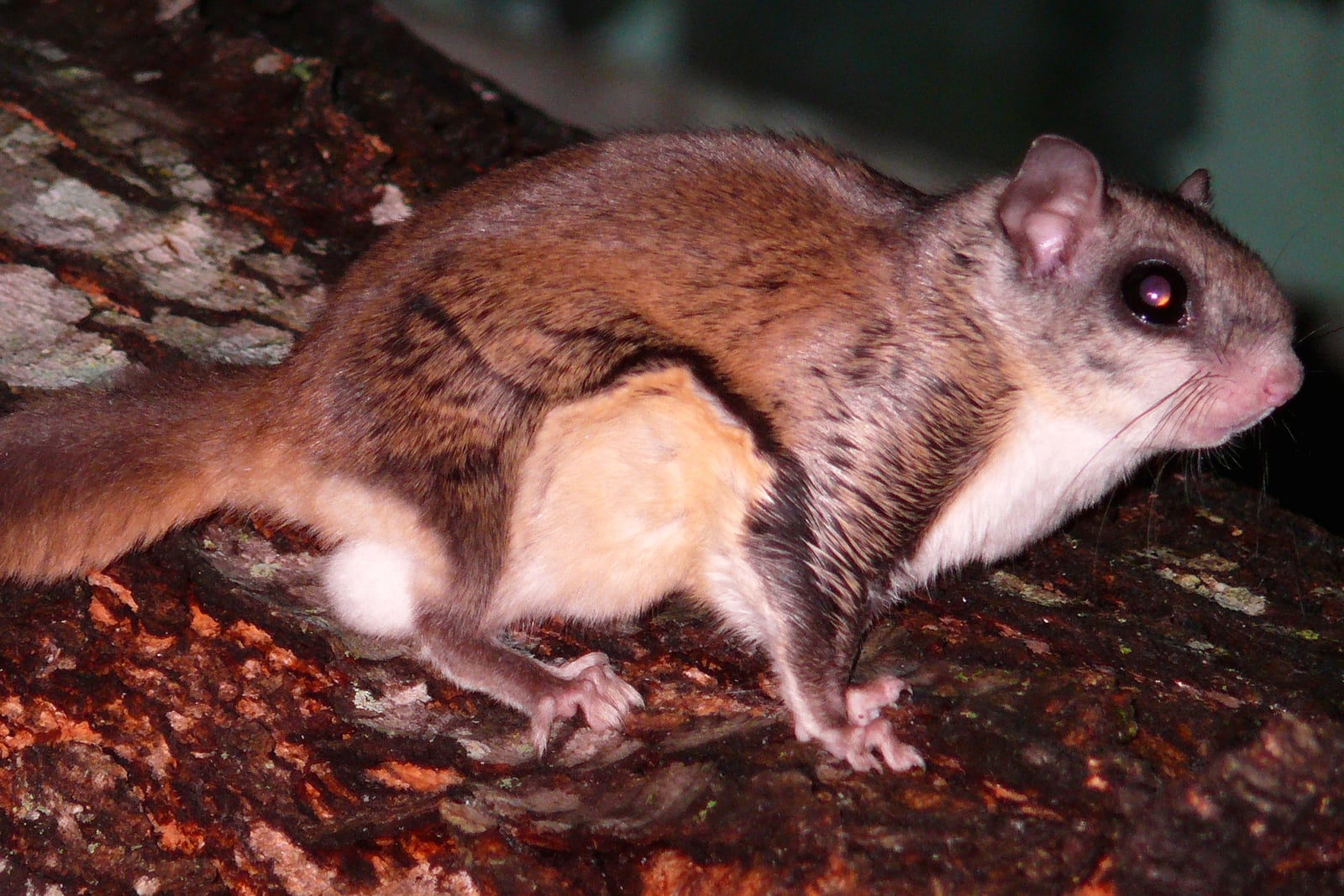
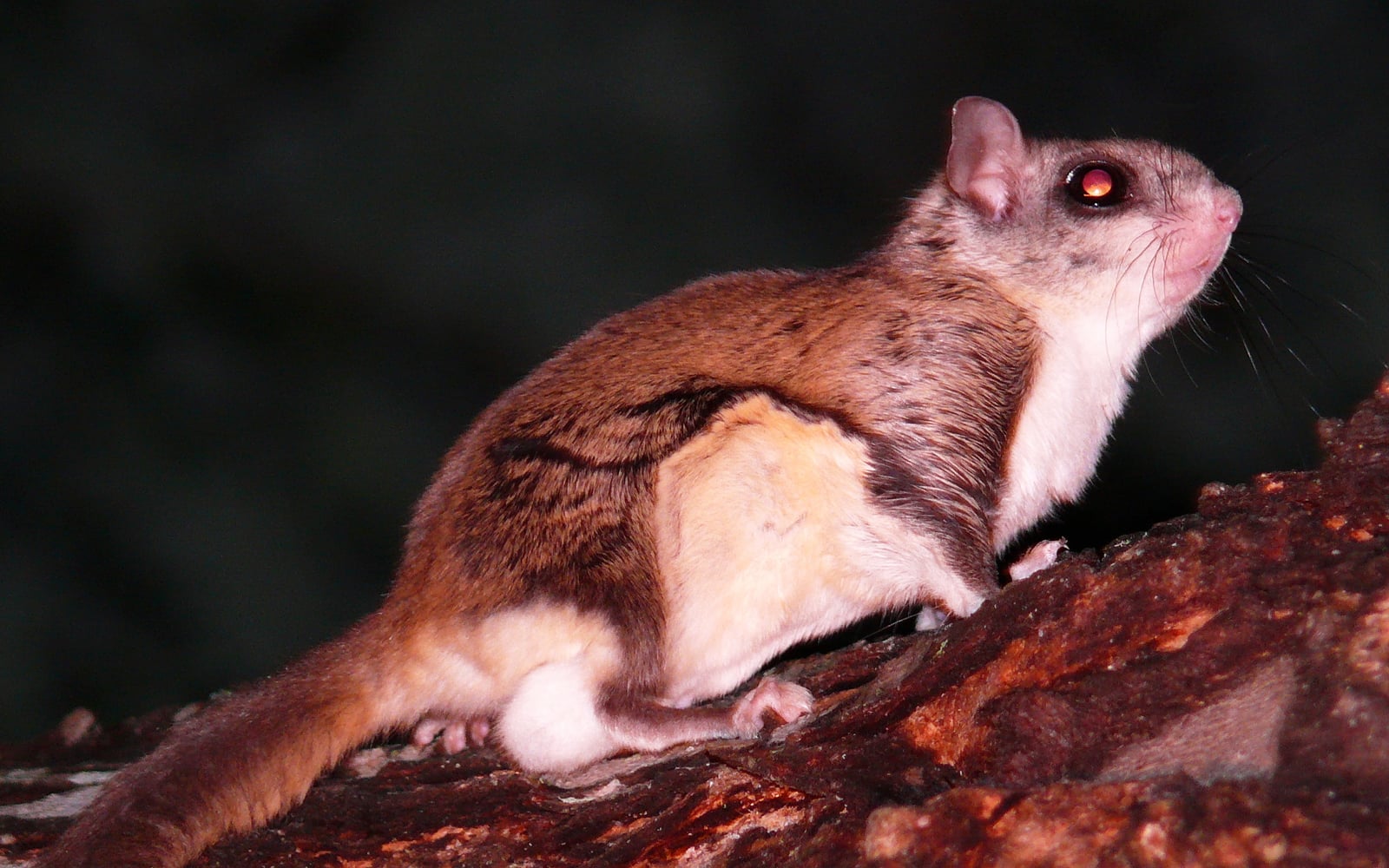
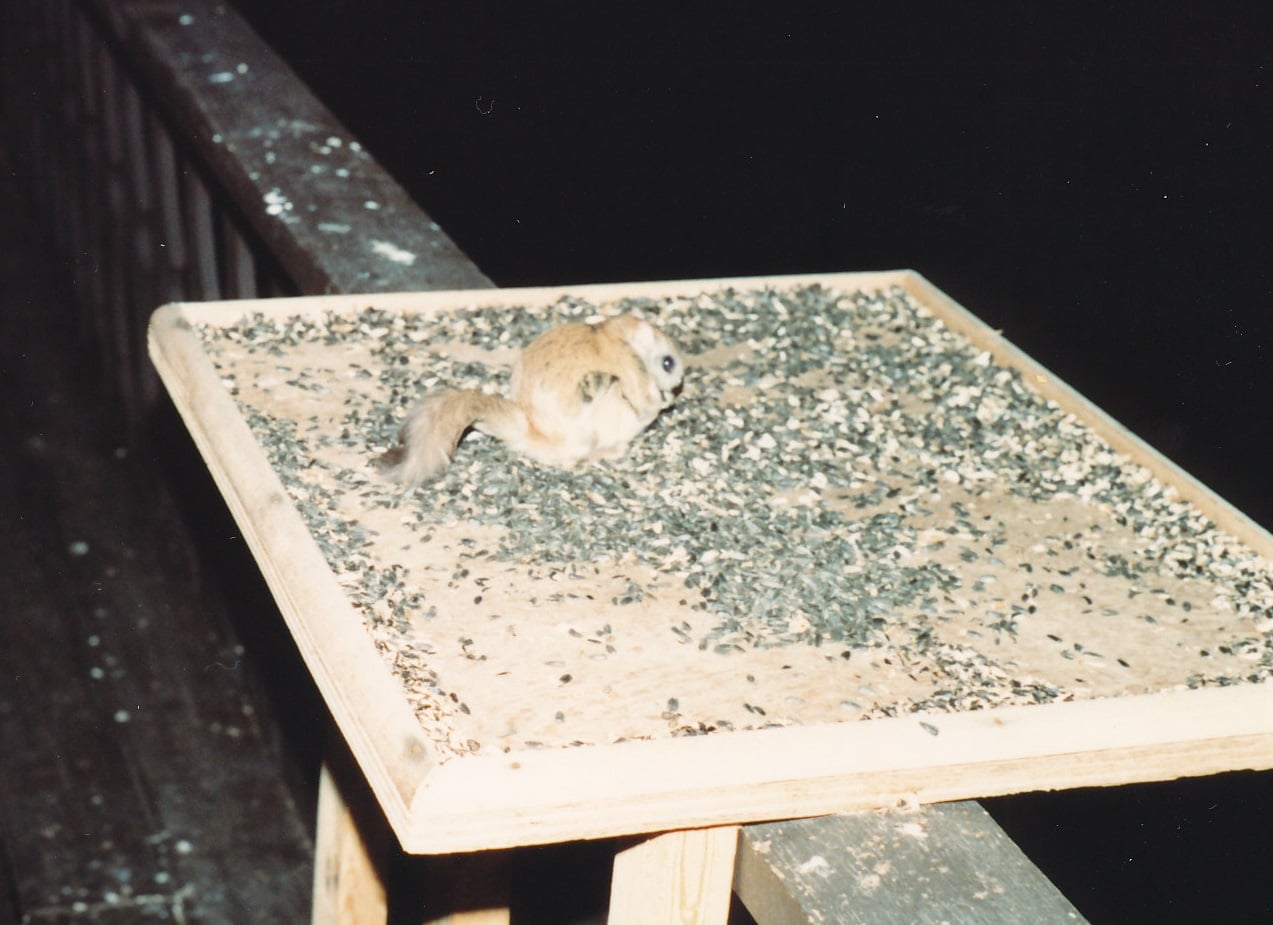
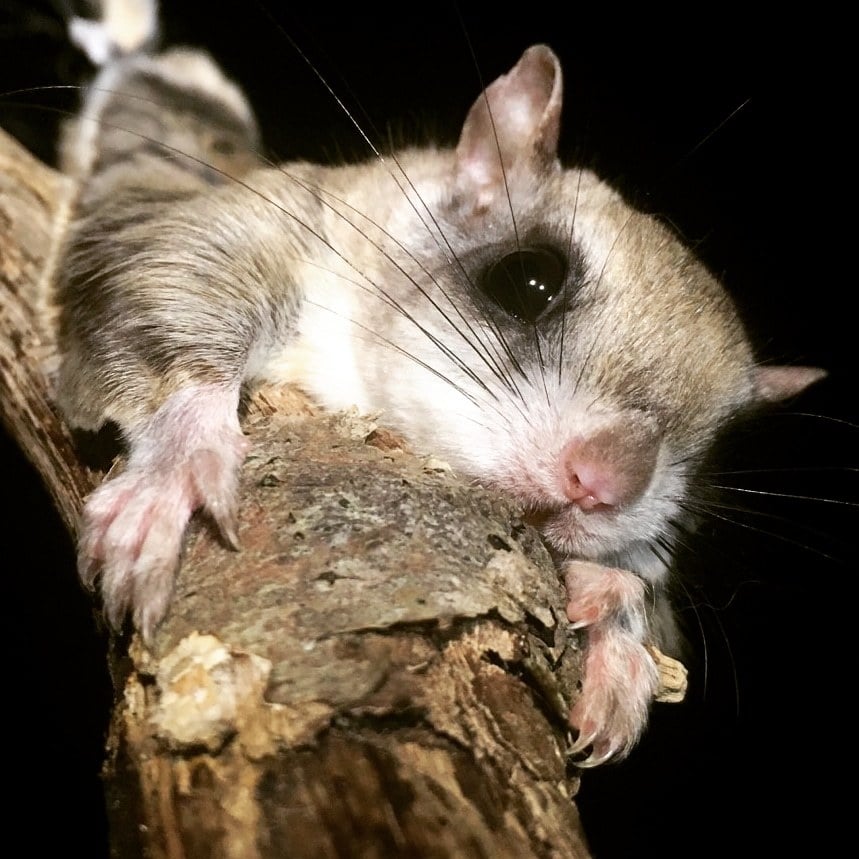
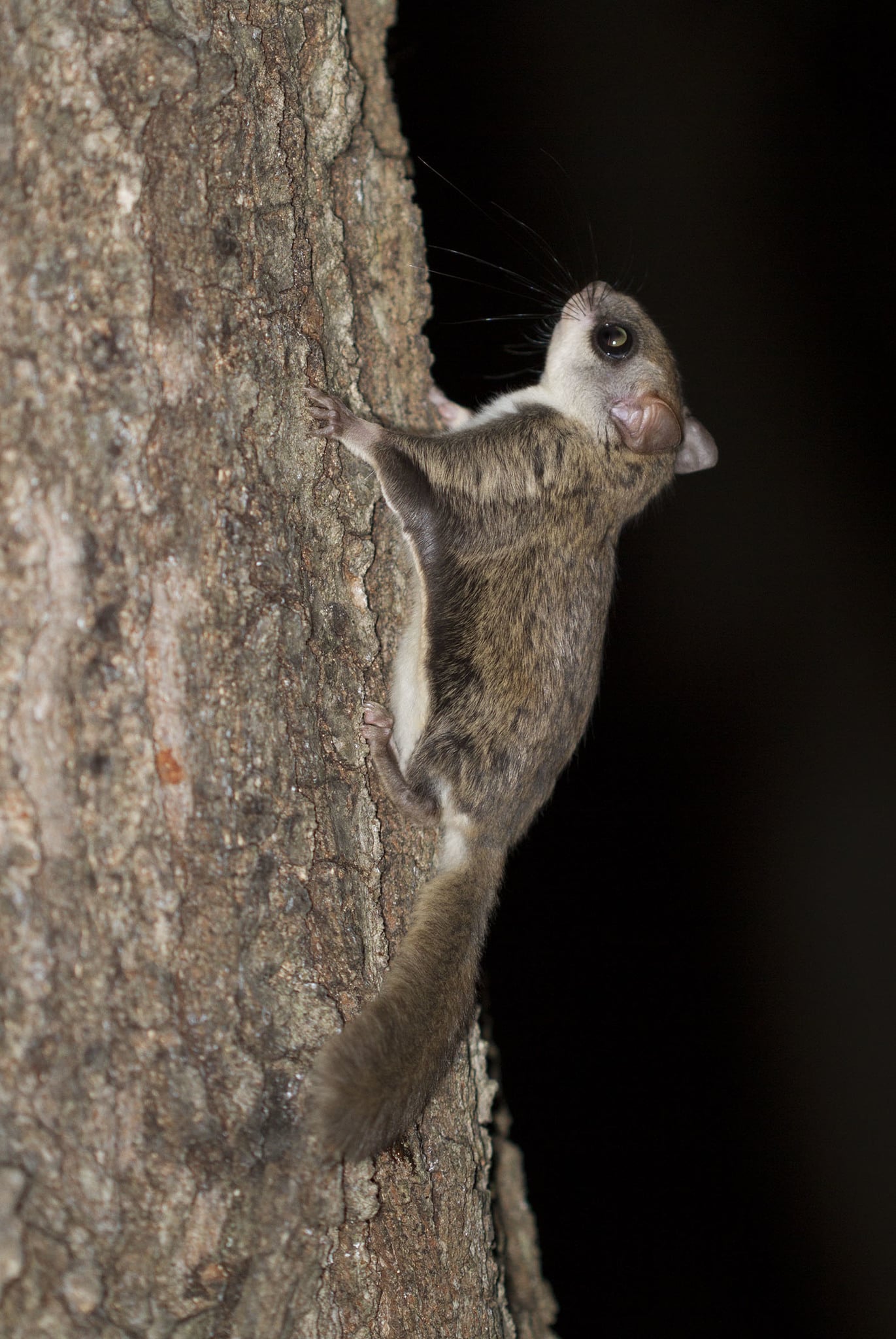
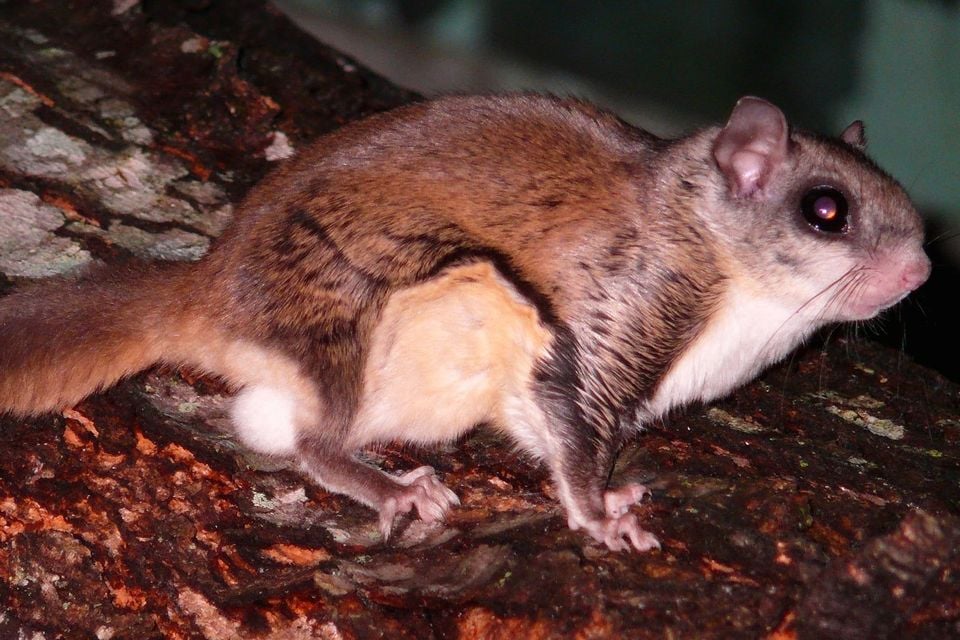
Southern Flying Squirrel in Georgia

Glaucomys volans

Native to Georgia S5 Secure in Georgia

Not listed as nonindigenous in Georgia by USGS NAS; native to its Georgia range.

IUCN Red List status

  1. LC
  2. NT
  3. VU
  4. EN
  5. CR
  6. EW
  7. EX

LC – Least Concern

Widespread and abundant; not at risk.

Southern Flying Squirrel in Georgia, by the numbers

Common in Georgia 25th most recorded of 102 mammals logged in Georgia

172 occurrence records
172 with iNaturalist photos

Records from 2000–2026.

172 total records count every Georgia occurrence from GBIF and iNaturalist; the map plots a georeferenced sample of 168; the monthly chart covers the 168 records with a full observation date.

When to look for the Southern Flying Squirrel in Georgia

Most sightings fall in May.

168 Georgia occurrence records (iNaturalist and GBIF) by month of year, 2000–2026. Shows when the species is recorded, not a guarantee of presence.

Monthly Georgia records (table)
MonthRecords
January8
February13
March10
April8
May55
June11
July10
August6
September6
October8
November20
December13

Monthly southern flying squirrel occurrence records (iNaturalist and GBIF) in Georgia, 2000–2026.

Seasonality

Year-round in Georgia, with recorded sightings peaking in May.

Occurrence map

Where Southern Flying Squirrel has been recorded in Georgia

168 records mapped · zoom and drag to explore

168 Georgia records mapped

Notable places to look

Park, forest, or monumentiNaturalist records
Coosawattee Wildlife Management Area 4
the Blue Ridge Mountains 2
Chattahoochee National Forest 2
Panola Mountain Conservation Park 1
Chattahoochee River National Recreation Area 1
Cordele Fish Hatchery 1
Whitehall Forest 1

Protected places with the most southern flying squirrel sightings, from the USGS Protected Areas Database plus named mountain ranges, good spots to look, not a full breakdown, so they don't sum to the total.

Where it's recorded in Georgia

CountyRecords
Carroll County 46
Fulton County 8
Harris County 7
Cobb County 7
Muscogee County 7
DeKalb County 7
Gilmer County 6
Cherokee County 5
Union County 4
Fannin County 4
Chatham County 3
Coweta County 3
40 other counties 65

The complete county distribution, spread across 52 Georgia counties. Every occurrence record falls in one county, so these sum to the total. Counties from GBIF and US Census boundaries.

Southern flying squirrels are among the most frequently recorded mammals in this dataset, with reports spanning the state from the Chattahoochee-Oconee National Forest in the north Georgia mountains down through the Piedmont to the Coastal Plain and Cumberland Island on the coast. Wherever mixed hardwood forest still stands, whether mountain cove forest, Piedmont oak-hickory woods, or coastal maritime forest, this squirrel tends to turn up.

They’re strictly nocturnal and spend their days tucked inside tree cavities, old woodpecker holes, or dense leaf nests, only gliding out to forage after dark. That nighttime habit means most people never realize how many are living in the hardwoods around them, since they’re active while porch lights and daytime hikers are elsewhere.

Records run steady across the calendar with no sharp seasonal spike, which fits an animal that stays active year-round rather than migrating or shutting down for a long winter dormancy. Georgia’s mild winters likely help keep them foraging even in the colder months.
Occurrence data from iNaturalist and GBIF.

Southern Flying Squirrel in other states

More mammals in Georgia in the atlas

Data & sources

The data and visualizations on this page draw on these open sources:

  • GBIFCC-BY 4.0occurrence records behind the range map, elevation, and record counts
  • iNaturalistCC0 / CC-BY / CC-BY-SAobservations, photos, and audio recordings
  • NatureServe ExplorerCC-BYthe state conservation rank
  • IUCN Red Listattributed factthe global conservation status
  • USGS NASpublic domainnative / introduced status
  • Natural Earthpublic domainthe relief basemap
  • USFSpublic domainnational-forest boundaries
  • USGS Protected Areas Databasepublic domainthe named parks, forests, and refuges behind "notable places to look"