
Arizona mammals

Southern Grasshopper Mouse in Arizona

Onychomys torridus

Native to Arizona S5 Secure in Arizona

Not listed as nonindigenous in Arizona by USGS NAS; native to its Arizona range.

IUCN Red List status

  1. LC
  2. NT
  3. VU
  4. EN
  5. CR
  6. EW
  7. EX

LC – Least Concern

Widespread and abundant; not at risk.

Southern Grasshopper Mouse in Arizona, by the numbers

Common in Arizona 30th most recorded of 158 mammals logged in Arizona

2,148 occurrence records
12 with iNaturalist photos

2,148 total records count every Arizona occurrence from GBIF and iNaturalist; the map plots a georeferenced sample of 300; the monthly chart covers the 2,128 records with a full observation date.

When to look for the Southern Grasshopper Mouse in Arizona

Most sightings fall in March to May.

2,128 Arizona occurrence records (iNaturalist and GBIF) by month of year. Shows when the species is recorded, not a guarantee of presence.

Monthly Arizona records (table)
MonthRecords
January114
February129
March204
April256
May303
June121
July207
August116
September76
October228
November301
December73

Monthly southern grasshopper mouse occurrence records (iNaturalist and GBIF) in Arizona.

Seasonality

Year-round in Arizona, with recorded sightings peaking in March–May, with a smaller rise in July and October–November.

Occurrence map

Where Southern Grasshopper Mouse has been recorded in Arizona

300 records mapped · zoom and drag to explore

300 Arizona records mapped

Notable places to look

Park, forest, or monumentiNaturalist records
State Trust Land 749
Grand Canyon-Parashant National Monument 6
Coronado National Forest 5
Picacho Peak State Park 4
Organ Pipe Cactus National Monument 4
Cabeza Prieta Wilderness Area 3
Mt. Wrightson Wilderness 3
Chiricahua Wilderness 2

Protected places with the most southern grasshopper mouse sightings, from the USGS Protected Areas Database plus named mountain ranges, good spots to look, not a full breakdown, so they don't sum to the total.

Where it's recorded in Arizona

CountyRecords
Pima County 1,120
Cochise County 292
Maricopa County 136
Mohave County 126
Pinal County 109
Santa Cruz County 103
Yavapai County 78
Graham County 53
Yuma County 49
Gila County 29
La Paz County 29
Greenlee County 7
2 other counties 17

The complete county distribution, spread across 14 Arizona counties. Every occurrence record falls in one county, so these sum to the total. Counties from GBIF and US Census boundaries.

The southern grasshopper mouse is a pint-sized desert predator, and Arizona’s 2,148 records for it come almost entirely from museum and survey collections rather than casual photos, because this fierce little hunter is nocturnal and seldom seen in the open.

A mouse that hunts

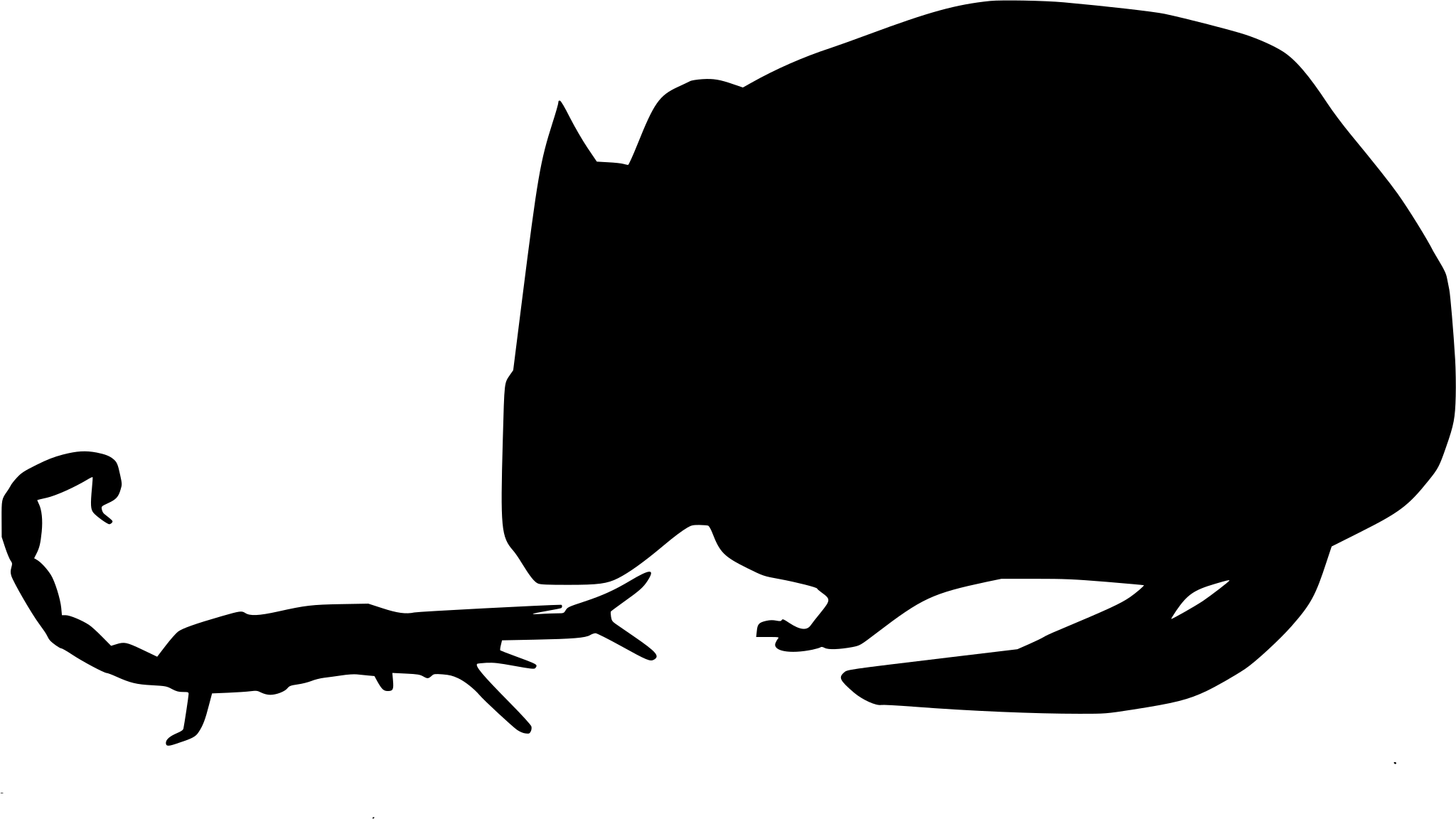
Despite weighing about as much as a few coins, the southern grasshopper mouse is a carnivore. It stalks insects, scorpions, and centipedes across the desert floor, shrugging off scorpion stings that would down an ordinary rodent, and it tips its head back to give a thin, high call that carries across the night. Pairs hold and defend hunting territories rather than living in loose colonies.

Desert grassland ground

Its records concentrate in the southern deserts and grassland basins, with Pima and Cochise counties well ahead, and reach across the low scrub of the state’s western and central valleys. It favors open sandy and gravelly ground where it can run down prey, in Sonoran and Chihuahuan desert and dry grassland alike.

Status in Arizona

The southern grasshopper mouse is native to Arizona and ranked S5, secure, across its range in the state. Its secretive, meat-eating habits simply keep it off most wildlife-watchers’ lists, so the survey record, not the photo record, is what shows how widespread it really is.
More mammals in Arizona in the atlas

Data & sources

The data and visualizations on this page draw on these open sources:

  • GBIFCC-BY 4.0occurrence records behind the range map, elevation, and record counts
  • iNaturalistCC0 / CC-BY / CC-BY-SAobservations, photos, and audio recordings
  • NatureServe ExplorerCC-BYthe state conservation rank
  • IUCN Red Listattributed factthe global conservation status
  • USGS NASpublic domainnative / introduced status
  • Natural Earthpublic domainthe relief basemap
  • USFSpublic domainnational-forest boundaries
  • USGS Protected Areas Databasepublic domainthe named parks, forests, and refuges behind "notable places to look"




