Oklahoma mammals

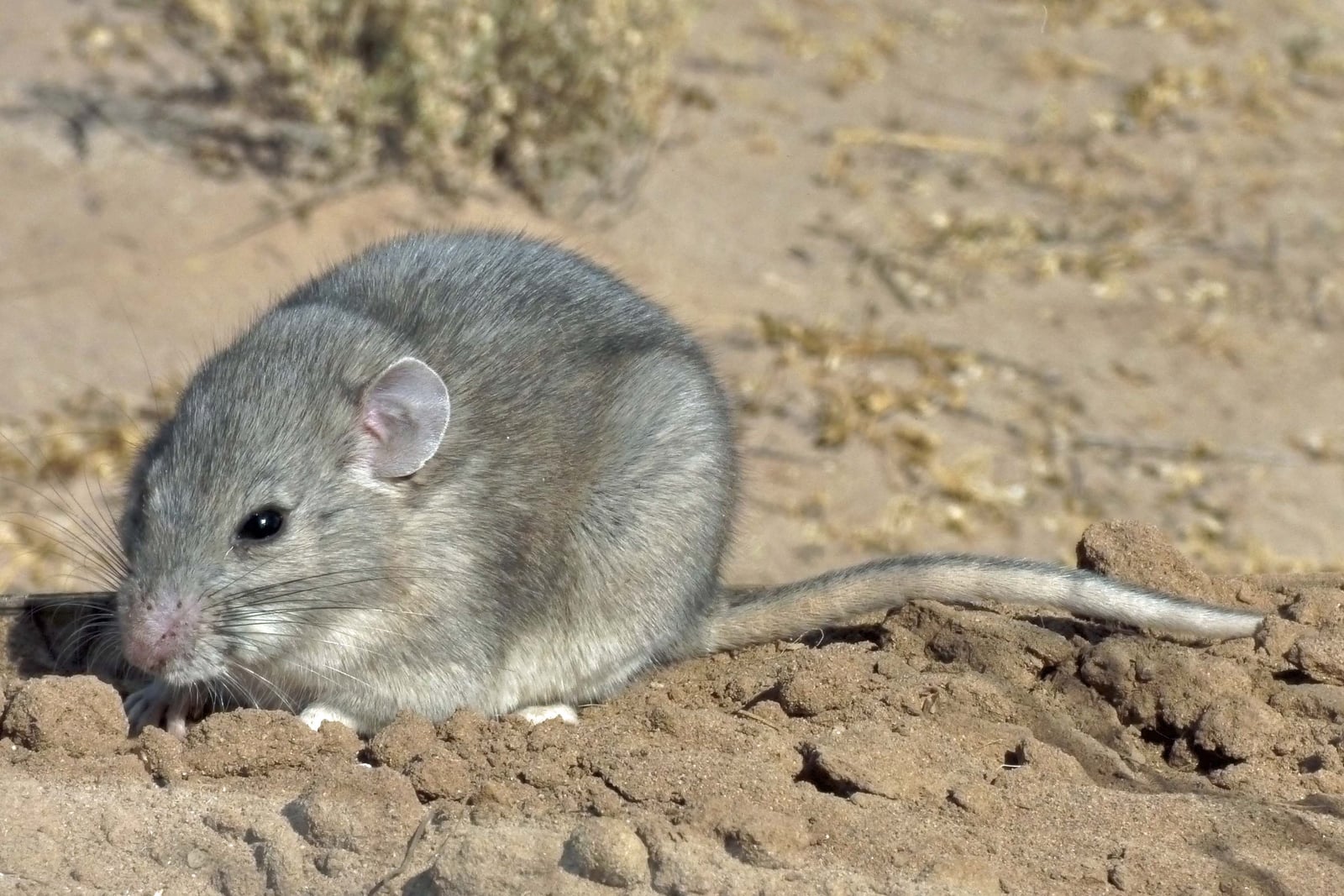
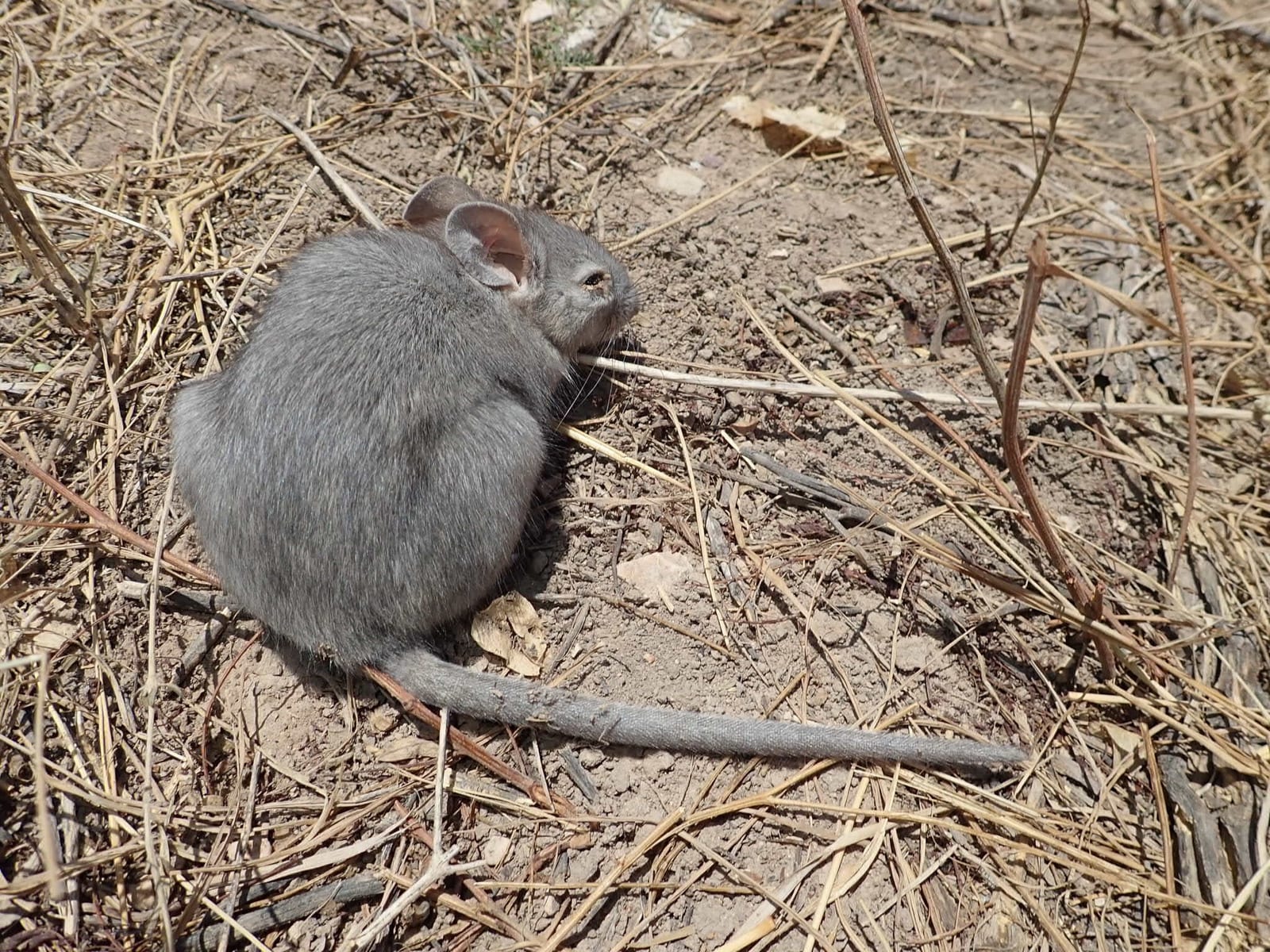
Southern Plains Woodrat in Oklahoma

Neotoma micropus

Native to Oklahoma SNR Unranked in Oklahoma

Not listed as nonindigenous in Oklahoma by USGS NAS; native to its Oklahoma range.

IUCN Red List status

  1. LC
  2. NT
  3. VU
  4. EN
  5. CR
  6. EW
  7. EX

LC – Least Concern

Widespread and abundant; not at risk.

Southern Plains Woodrat in Oklahoma, by the numbers

Common in Oklahoma 29th most recorded of 120 mammals logged in Oklahoma

222 occurrence records
7 with iNaturalist photos
Jan 6, 2026 Last seen in Oklahoma

Records from 2000–2026.

When to look for the Southern Plains Woodrat in Oklahoma

Most sightings fall in September.

222 Oklahoma occurrence records (iNaturalist and GBIF) by month of year, 2000–2026. Shows when the species is recorded, not a guarantee of presence.

Monthly Oklahoma records (table)
MonthRecords
January3
February0
March0
April17
May17
June6
July20
August2
September117
October40
November0
December0

Monthly southern plains woodrat occurrence records (iNaturalist and GBIF) in Oklahoma, 2000–2026.

Seasonality

Year-round in Oklahoma, with recorded sightings peaking in September.

Occurrence map

Where Southern Plains Woodrat has been recorded in Oklahoma

222 records mapped · zoom and drag to explore

222 Oklahoma records mapped

Notable places to look

Park, forest, or monumentiNaturalist records
Packsaddle Wildlife Management Area 4
Selman Cave System 1
CLO Lands 1

Protected places with the most southern plains woodrat sightings, from the USGS Protected Areas Database plus named mountain ranges, good spots to look, not a full breakdown, so they don't sum to the total.

Where it's recorded in Oklahoma

CountyRecords
Beaver County 78
Jackson County 47
Cimarron County 32
Harmon County 20
Greer County 14
Kiowa County 11
Ellis County 6
Woodward County 6
Woods County 4
Major County 2
Texas County 1
Roger Mills County 1

The complete county distribution, spread across 12 Oklahoma counties. Every occurrence record falls in one county, so these sum to the total. Counties from GBIF and US Census boundaries.

Southern plains woodrats use rocky outcrops, canyon walls, and brushy arid ground in Oklahoma’s west and Panhandle. Around Black Mesa and Optima, look for sheltered stick piles and collected plant fragments in crevices; leave these middens intact because they are active homes and valuable biological records.

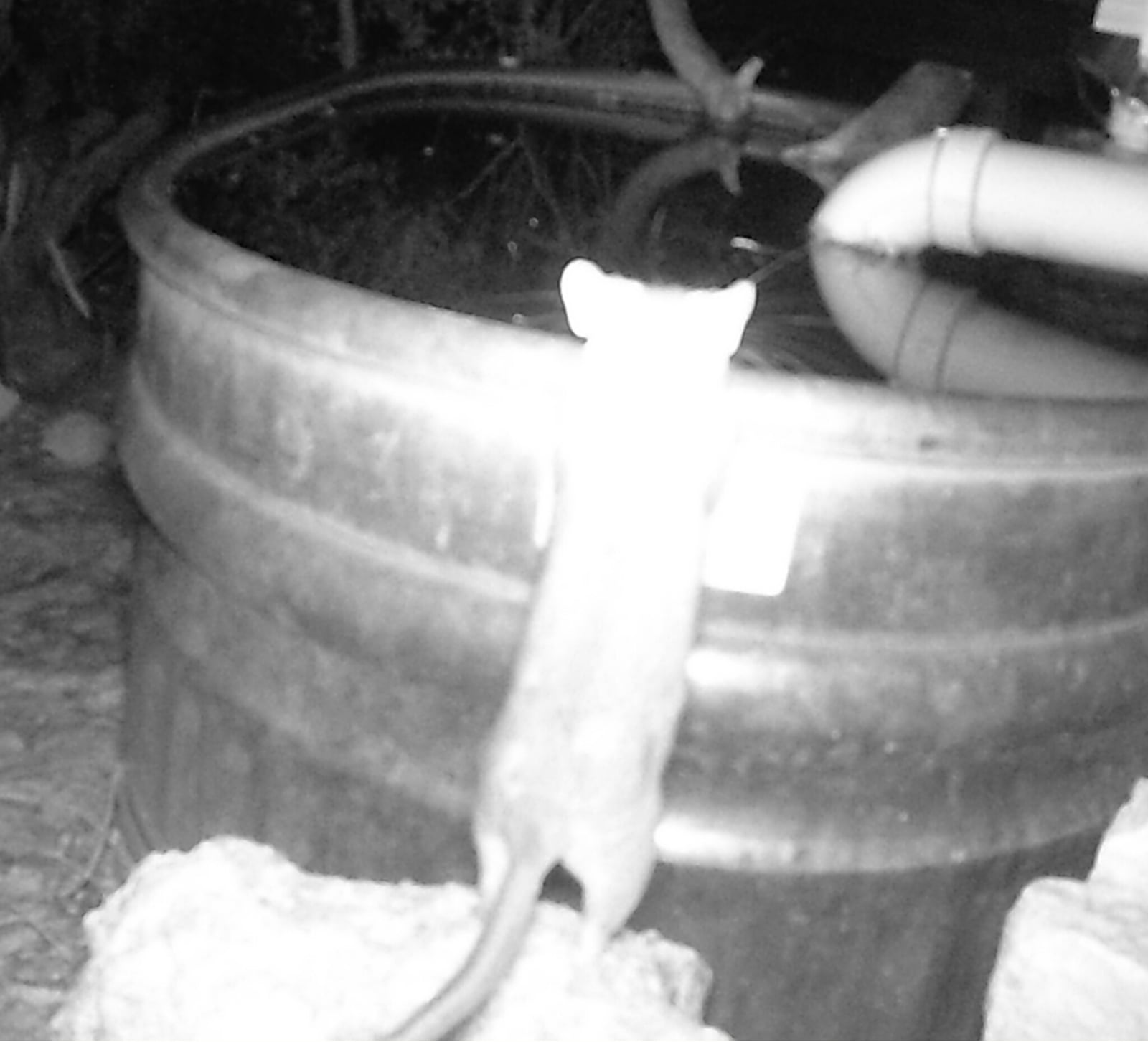
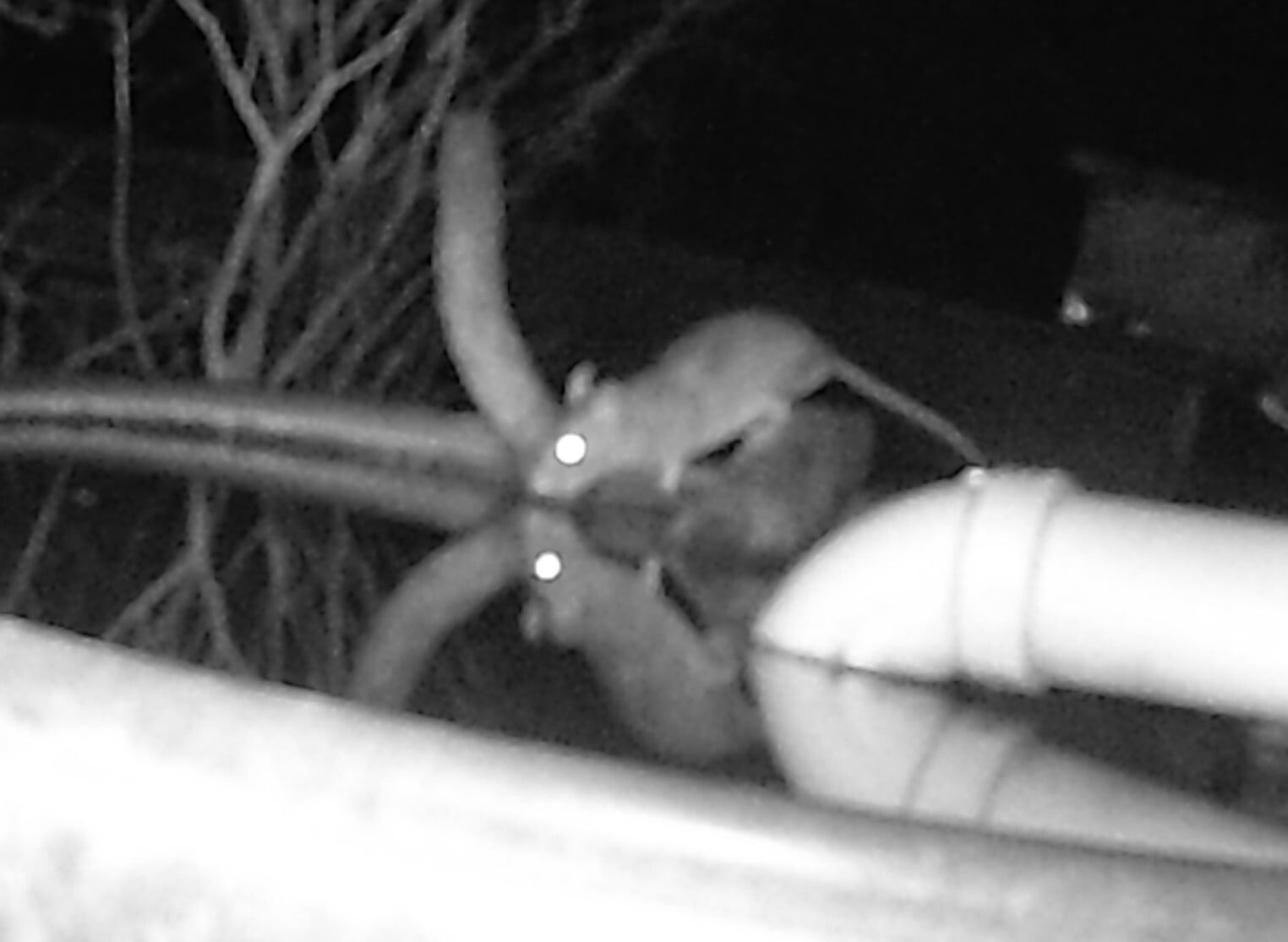
Records are available throughout the year but peak in September–October. The animals are nocturnal and secretive, making sign a much more realistic find than a direct daytime sighting.
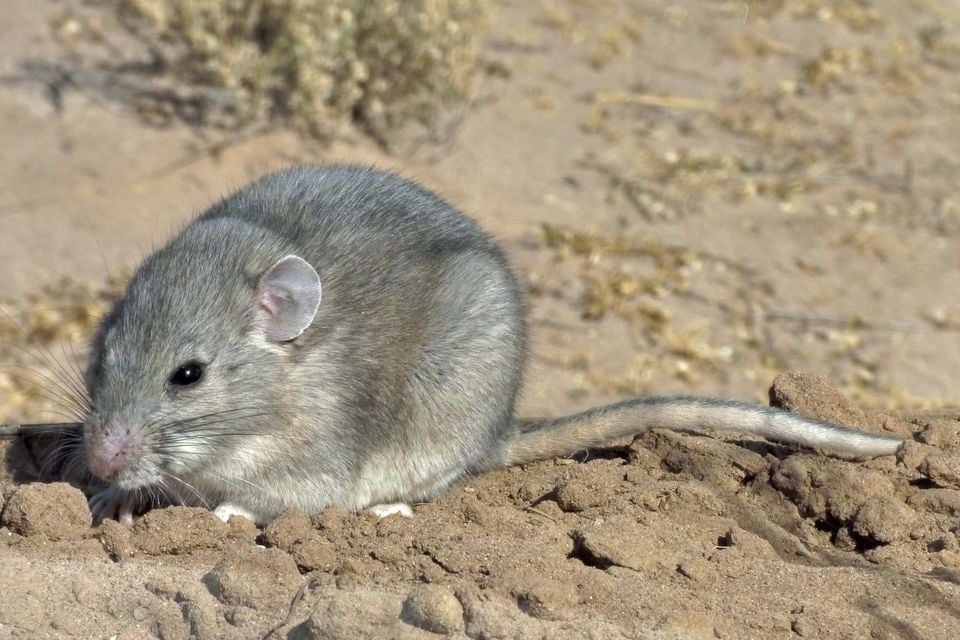

Occurrence data from iNaturalist and GBIF.

More mammals in Oklahoma in the atlas

Data & sources

The data and visualizations on this page draw on these open sources:

  • GBIFCC-BY 4.0occurrence records behind the range map, elevation, and record counts
  • iNaturalistCC0 / CC-BY / CC-BY-SAobservations, photos, and audio recordings
  • NatureServe ExplorerCC-BYthe state conservation rank
  • IUCN Red Listattributed factthe global conservation status
  • USGS NASpublic domainnative / introduced status
  • Natural Earthpublic domainthe relief basemap
  • USFSpublic domainnational-forest boundaries
  • USGS Protected Areas Databasepublic domainthe named parks, forests, and refuges behind "notable places to look"




