
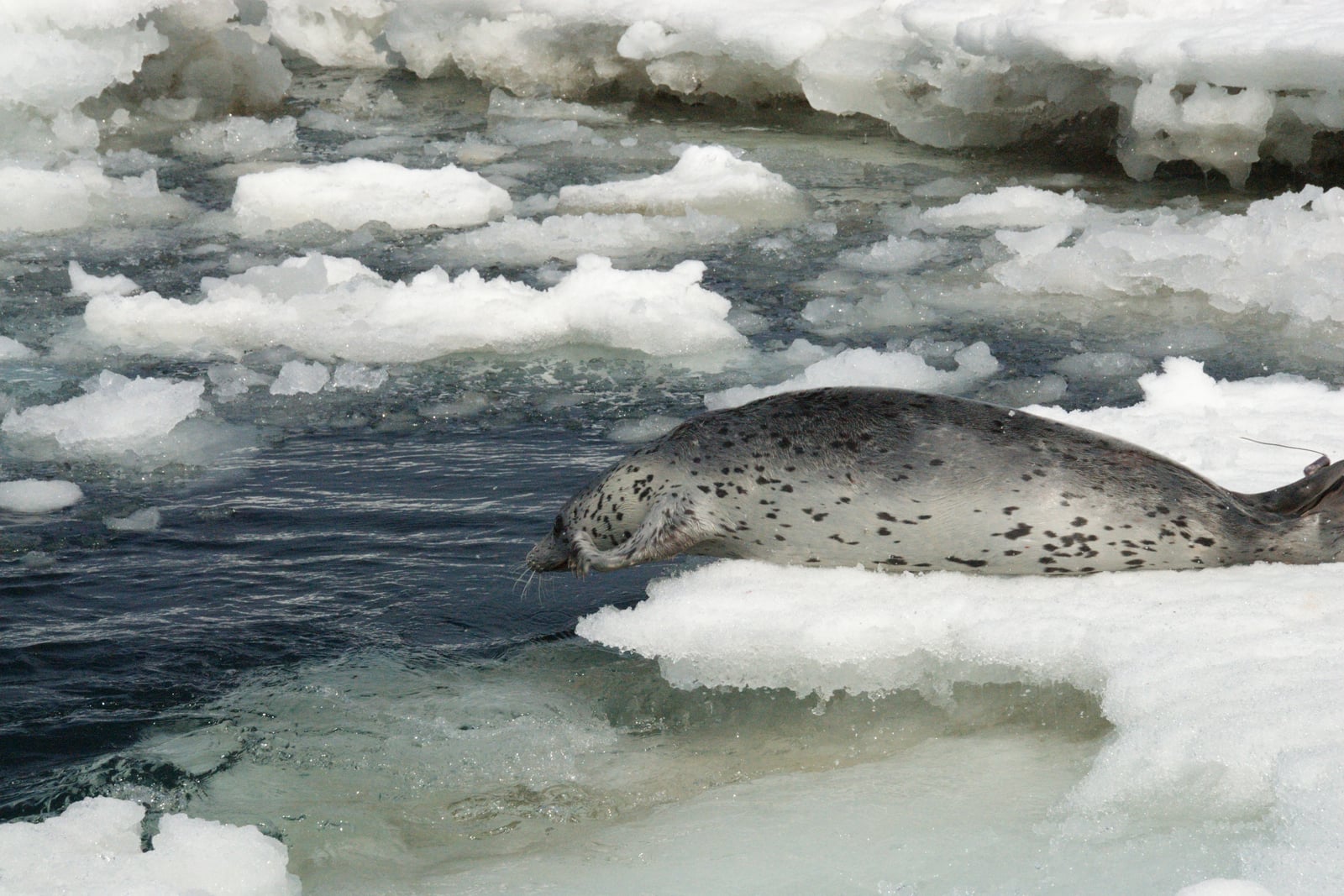
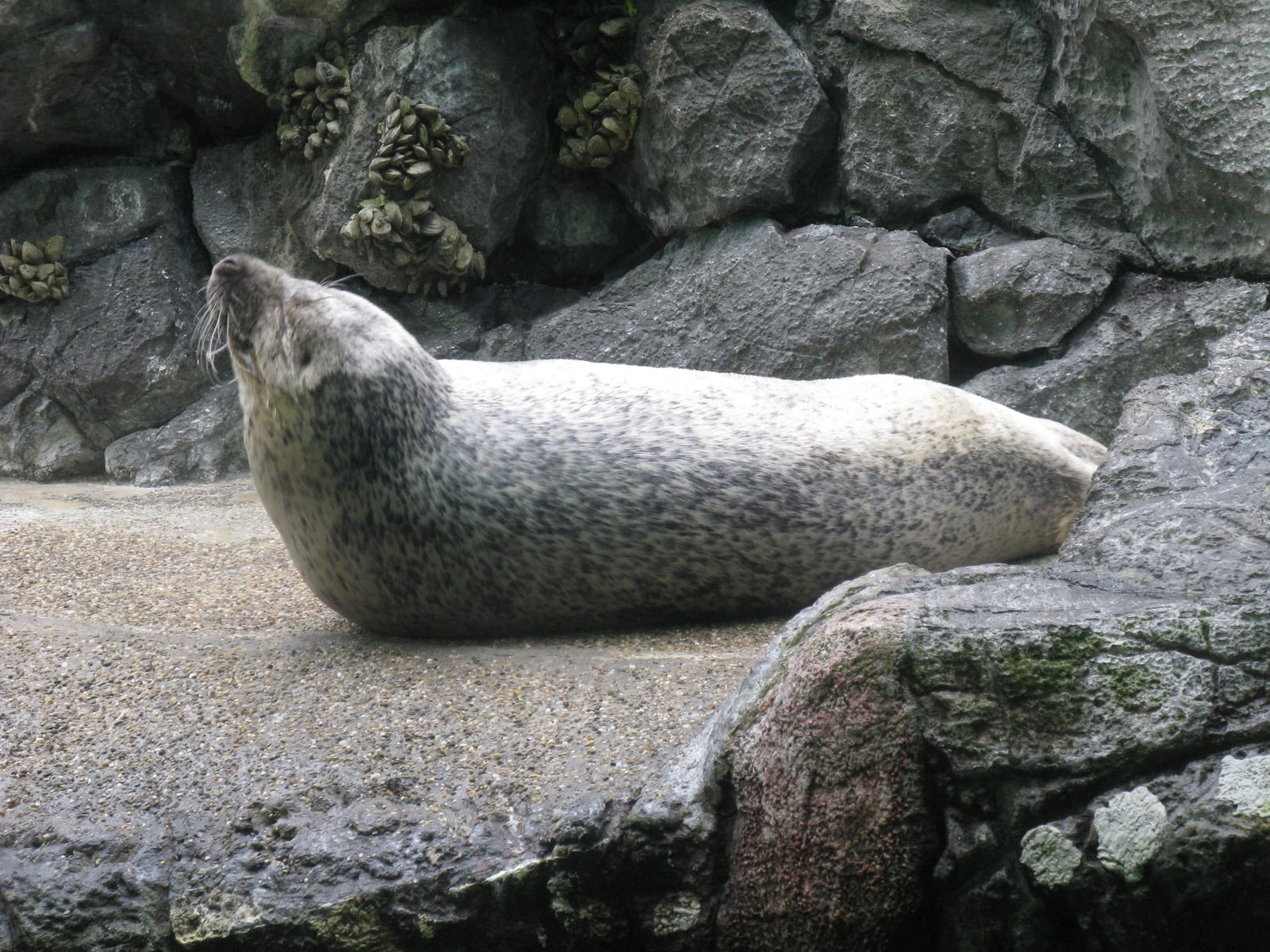
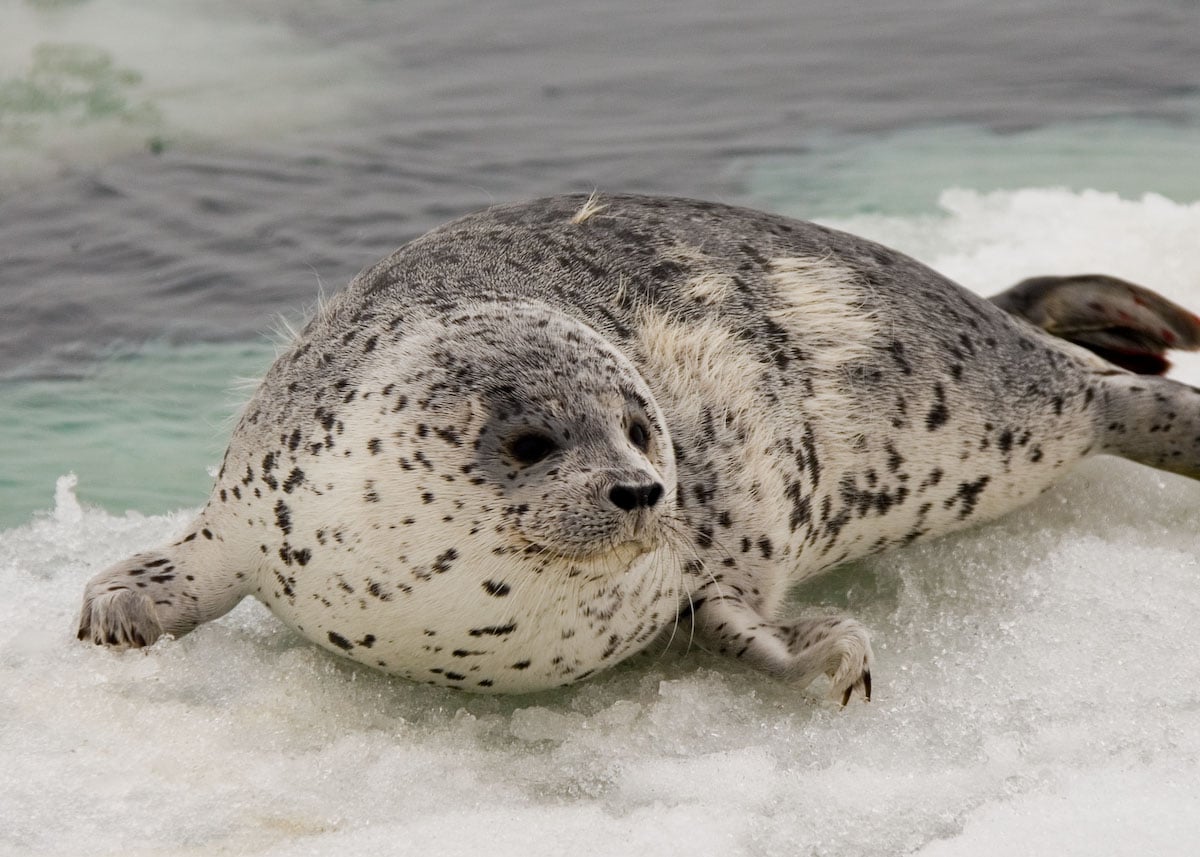
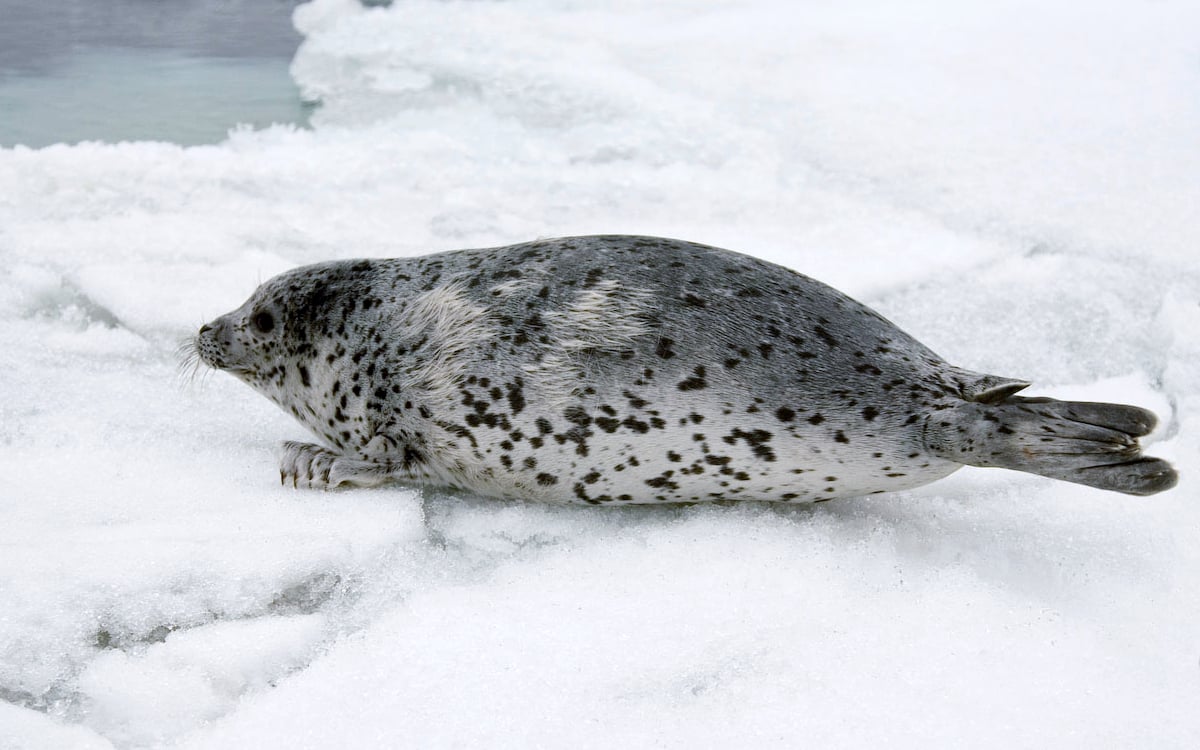
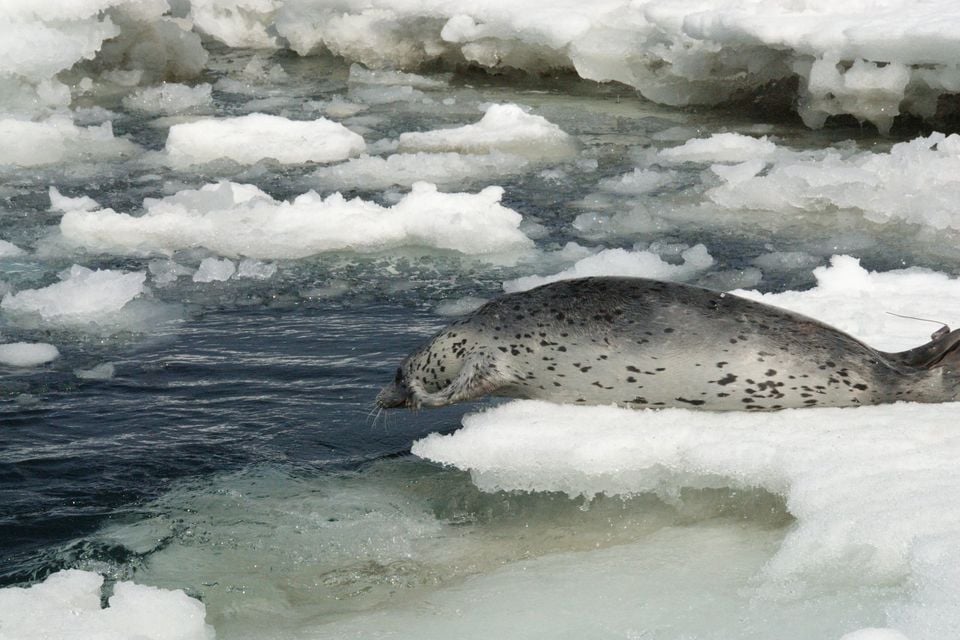
Records concentrate along the North Slope coast and the drifting pack ice of the Bering and Chukchi seas, the only US waters where spotted seals occur. The ice edge shifts seasonally, and the seals shift with it, hauling out wherever the pack ice sits at a given time of year.
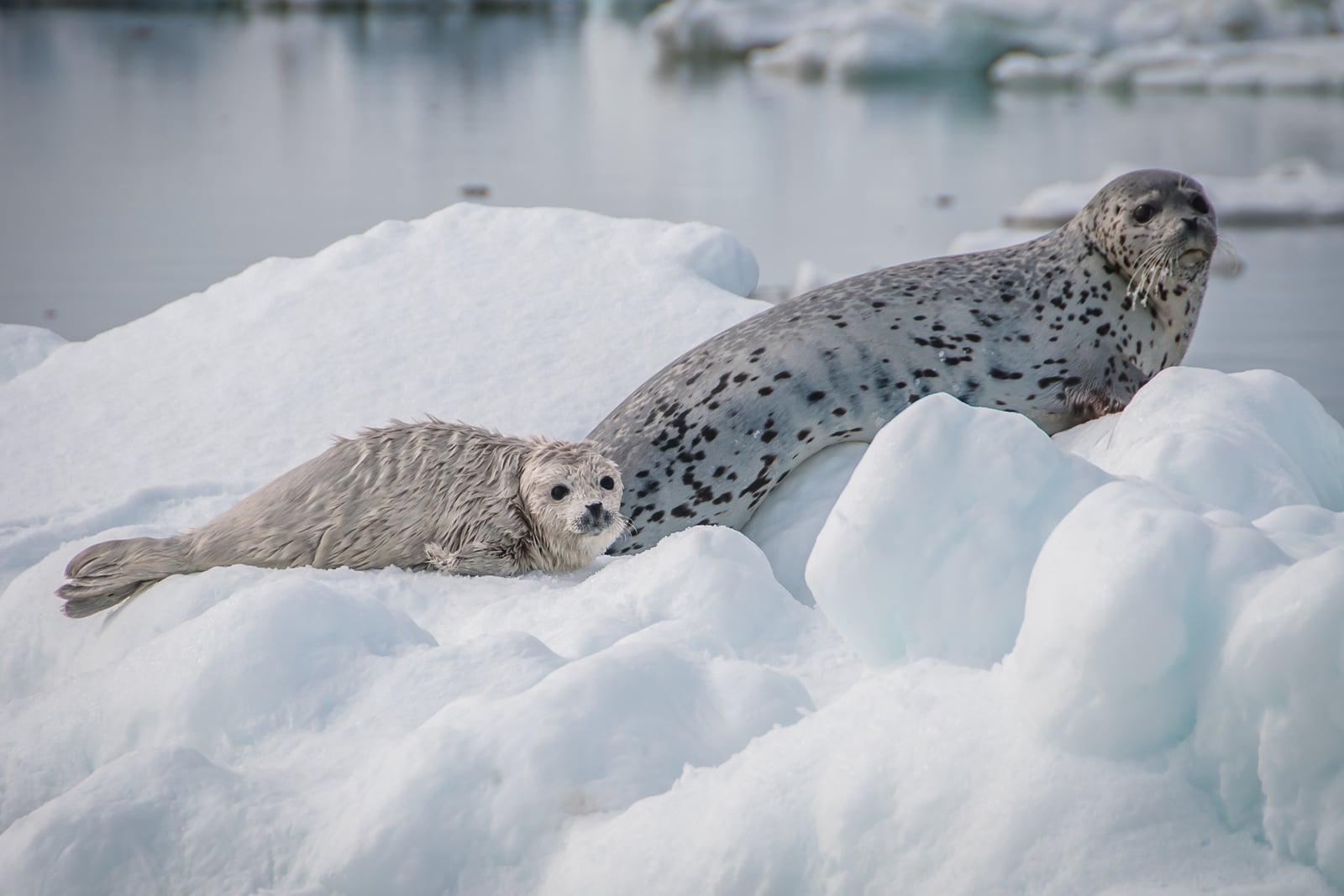
Unlike most Alaska ice seals, a spotted seal mother stays close to her pup on the same ice floe for weeks rather than hiding it in a snow lair, one of the more sociable arrangements among the state’s seals. Fish make up most of the diet, especially herring, capelin, cod, sand lance, and pollock, tying the species closely to the productive waters along the Bering Sea shelf. Pups take to the water early too, following their mother to sea well before they’re fully weaned.
Records spike hard in September and October, the densest cluster in the whole dataset, which likely tracks the seasonal ice edge and when observers are out on the water rather than a true population peak. The Alaska population is currently considered stable, though a shrinking, later-forming ice season is the clearest long-term concern for a species built around drifting pack ice.
 Full species profile




