Massachusetts mammals

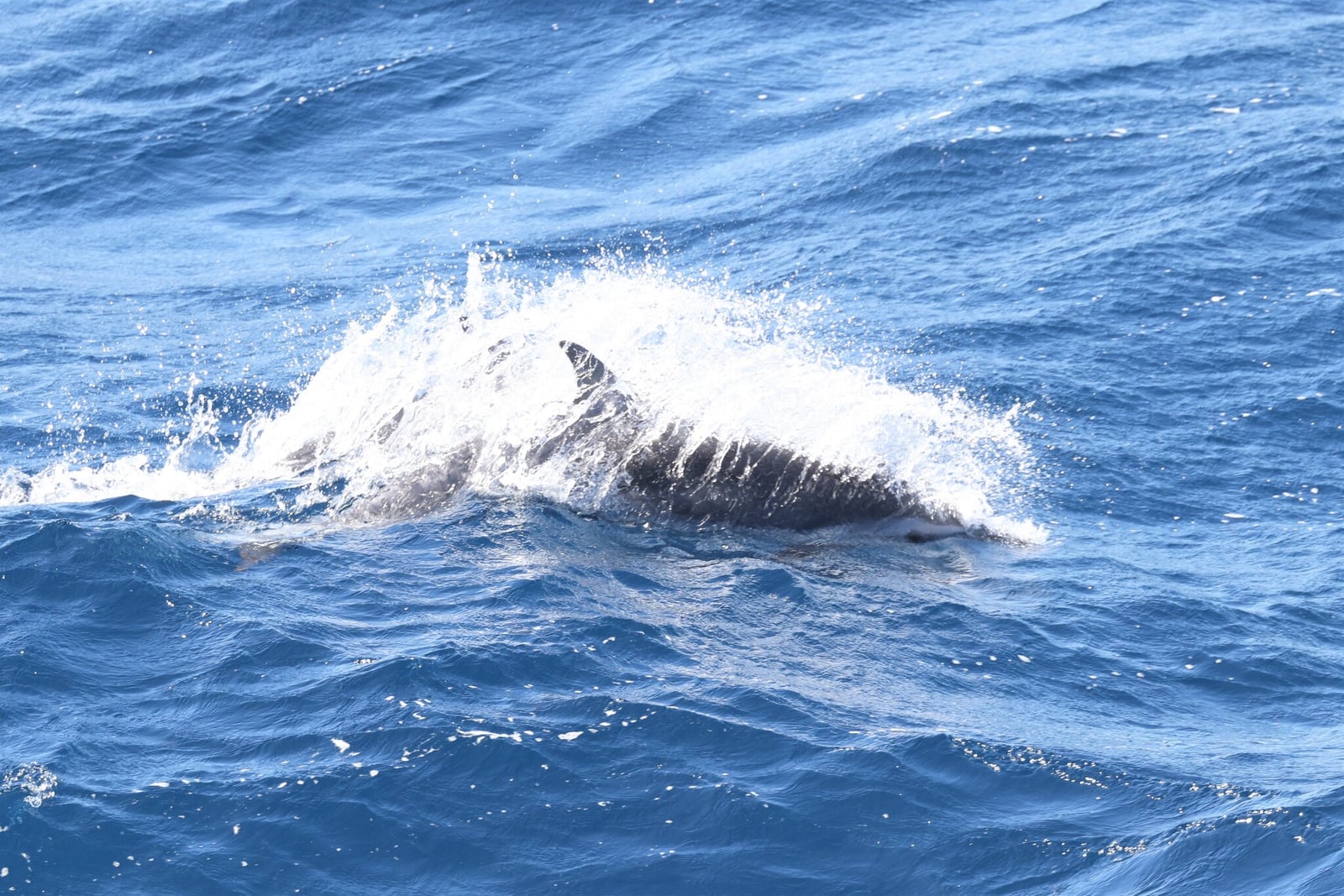
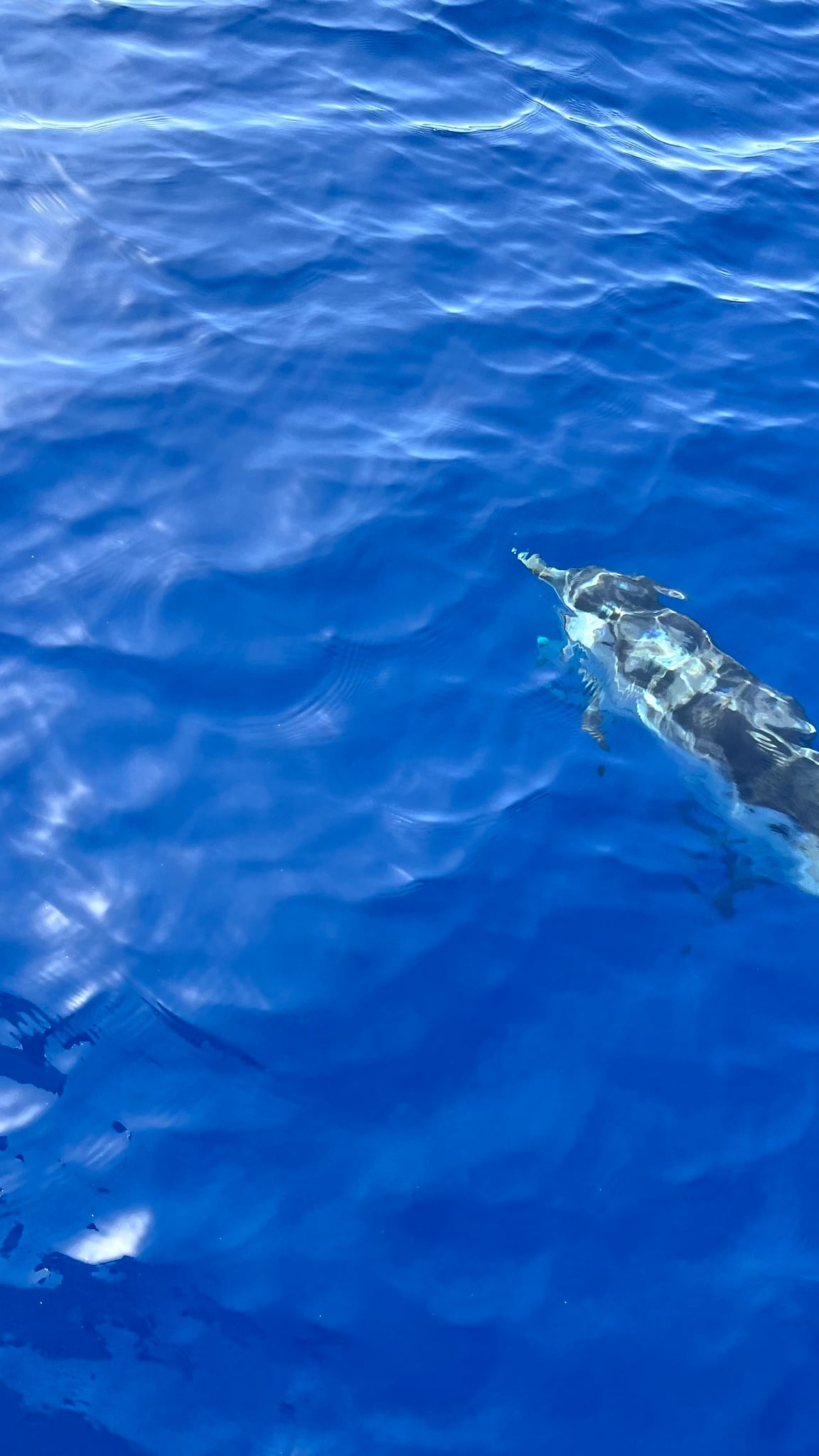
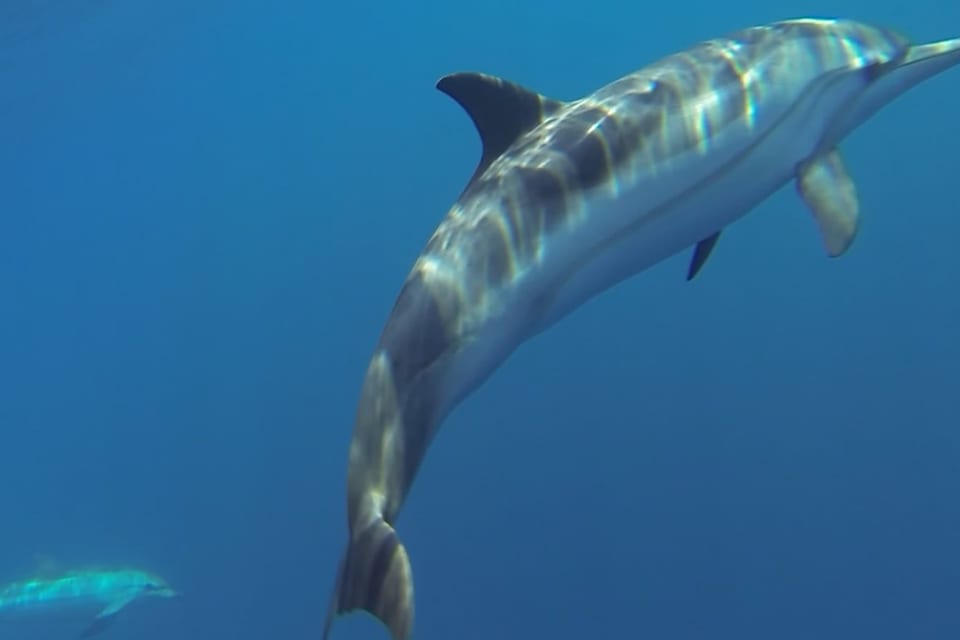
Striped Dolphin in Massachusetts

Stenella coeruleoalba

Native to Massachusetts S2 Imperiled in Massachusetts

Not listed as nonindigenous in Massachusetts by USGS NAS; native to its Massachusetts range.

IUCN Red List status

  1. LC
  2. NT
  3. VU
  4. EN
  5. CR
  6. EW
  7. EX

LC – Least Concern

Widespread and abundant; not at risk.

Striped Dolphin in Massachusetts, by the numbers

Occasional in Massachusetts 53rd most recorded of 93 mammals logged in Massachusetts

31 occurrence records

Records from 2000–2026.

When to look for the Striped Dolphin in Massachusetts

Most sightings fall in January.

31 Massachusetts occurrence records (iNaturalist and GBIF) by month of year, 2000–2026. Shows when the species is recorded, not a guarantee of presence.

Monthly Massachusetts records (table)
MonthRecords
January11
February3
March3
April1
May0
June3
July0
August1
September0
October2
November6
December1

Monthly striped dolphin occurrence records (iNaturalist and GBIF) in Massachusetts, 2000–2026.

Seasonality

Year-round in Massachusetts, with recorded sightings peaking in January.

Occurrence map

Where Striped Dolphin has been recorded in Massachusetts

31 records mapped · zoom and drag to explore

25 Massachusetts records mapped

Where it's recorded in Massachusetts

CountyRecords
Barnstable County 10
Dukes County 3
Essex County 3
Bristol County 2
Plymouth County 2
Norfolk County 1
Nantucket County 1
Other localities 9

The complete county distribution, spread across 7 Massachusetts counties. Every occurrence record falls in one county, so these sum to the total. Counties from GBIF and US Census boundaries.

Massachusetts holds 31 striped dolphin records since 2000, and the map is the one a Cape Codder would predict. Barnstable County, which is to say the Cape itself, leads with 10, Cape Cod National Seashore is the top named site, and the islands and North Shore trail behind: Dukes and Essex with 3 each, Bristol and Plymouth with 2, Nantucket with 1. For an oceanic dolphin, a Massachusetts record nearly always means a stranding, and the Cape’s long hook is one of the great natural dolphin traps on the East Coast.

A winter-leaning record

Eleven of the 31 records were logged in January, with a smaller November rise of 6. Winter storms push floating carcasses ashore, cold-stressed animals strand more readily, and beach walkers find them against an empty off-season shoreline, so the crest says as much about winter beach conditions as about where the dolphins are. The living animals stay far offshore in deep, warm-temperate water in every season.

A cautious state grade for a global species

NatureServe ranks the striped dolphin S2 in Massachusetts, imperiled, even as the IUCN lists it Least Concern worldwide. That gap isn’t a contradiction. The state grade reflects how rarely the species is documented in Massachusetts waters, at the cool northern edge of its comfort zone, and how thin the local evidence base remains. Monomoy and Parker River refuges guard the beaches where that evidence tends to arrive.
Occurrence data from GBIF.

More mammals in Massachusetts in the atlas

Data & sources

The data and visualizations on this page draw on these open sources:

  • GBIFCC-BY 4.0occurrence records behind the range map, elevation, and record counts
  • iNaturalistCC0 / CC-BY / CC-BY-SAobservations, photos, and audio recordings
  • NatureServe ExplorerCC-BYthe state conservation rank
  • IUCN Red Listattributed factthe global conservation status
  • USGS NASpublic domainnative / introduced status
  • Natural Earthpublic domainthe relief basemap
  • USFSpublic domainnational-forest boundaries