
New Jersey mammals

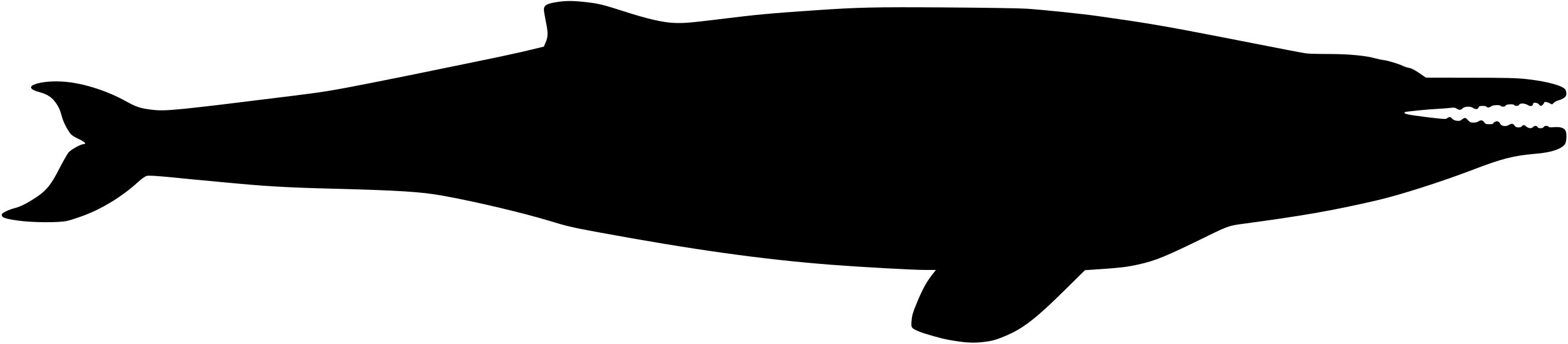
Striped Dolphin in New Jersey

Stenella coeruleoalba

Native to New Jersey

Not listed as nonindigenous in New Jersey by USGS NAS; treated as native to its mapped New Jersey range.

IUCN Red List status

  1. LC
  2. NT
  3. VU
  4. EN
  5. CR
  6. EW
  7. EX

LC – Least Concern

Widespread and abundant; not at risk.

Striped Dolphin in New Jersey, by the numbers

Occasional in New Jersey 39th most recorded of 94 mammals logged in New Jersey

22 occurrence records
1 with iNaturalist photos
Dec 22, 2008 Last seen in New Jersey

Records from 2000–2026.

22 total records count every New Jersey occurrence from GBIF and iNaturalist; the map plots a georeferenced sample of 21; the monthly chart covers the 21 records with a full observation date.

When to look for the Striped Dolphin in New Jersey

Most sightings fall in March.

21 New Jersey occurrence records (iNaturalist and GBIF) by month of year, 2000–2026. Shows when the species is recorded, not a guarantee of presence. Based on a small number of dated records; the seasonal pattern may not be representative.

Monthly New Jersey records (table)
MonthRecords
January1
February1
March3
April1
May3
June1
July3
August2
September2
October0
November1
December3

Monthly striped dolphin occurrence records (iNaturalist and GBIF) in New Jersey, 2000–2026.

Seasonality

Year-round in New Jersey, with recorded sightings peaking in March, with a smaller rise in May and July–September.

Occurrence map

Where Striped Dolphin has been recorded in New Jersey

21 records mapped · zoom and drag to explore

16 New Jersey records mapped

Notable places to look

Park, forest, or monumentiNaturalist records
Gateway National Recreation Area 1

Protected places with the most striped dolphin sightings, from the USGS Protected Areas Database plus named mountain ranges, good spots to look, not a full breakdown, so they don't sum to the total.

Where it's recorded in New Jersey

CountyRecords
Atlantic County 4
Ocean County 4
Monmouth County 3
Other localities 11

The complete county distribution, spread across 3 New Jersey counties. Every occurrence record falls in one county, so these sum to the total. Counties from GBIF and US Census boundaries.

New Jersey’s 22 striped dolphin records line the Shore: Atlantic and Ocean counties with 4 apiece, Monmouth with 3, and the rest scattered along the coast. As with any oceanic dolphin, a shore record usually means an animal that stranded or washed ashore. The living species keeps to deep, warm-temperate water along and beyond the continental shelf, and New Jersey’s inland parks play no part in its story; its New Jersey is the ocean past the surf.

A thin trickle that stopped a while ago

The dated records spread across eleven different months, never more than 3 in any one, so there’s no real season here, just an occasional animal delivered by the tide. The more telling fact is the date on the most recent confirmed record: December 2008. A gap that long doesn’t mean the dolphins left; offshore, they were never in view to begin with. It means nobody has found and documented one on a New Jersey beach since, which is how event-driven datasets go quiet.

An ungraded ocean visitor

The species carries no separate conservation listing in New Jersey, and the IUCN rates it Least Concern globally. Gateway National Recreation Area’s beaches, fronting both Sandy Hook Bay and the Atlantic, are the one named site in the record, a reminder that the state’s best dolphin habitat is also its most walked sand.
Occurrence data from GBIF.

More mammals in New Jersey in the atlas

Data & sources

The data and visualizations on this page draw on these open sources:

  • GBIFCC-BY 4.0occurrence records behind the range map, elevation, and record counts
  • iNaturalistCC0 / CC-BY / CC-BY-SAobservations, photos, and audio recordings
  • IUCN Red Listattributed factthe global conservation status
  • USGS NASpublic domainnative / introduced status
  • Natural Earthpublic domainthe relief basemap
  • USGS Protected Areas Databasepublic domainthe named parks, forests, and refuges behind "notable places to look"




