


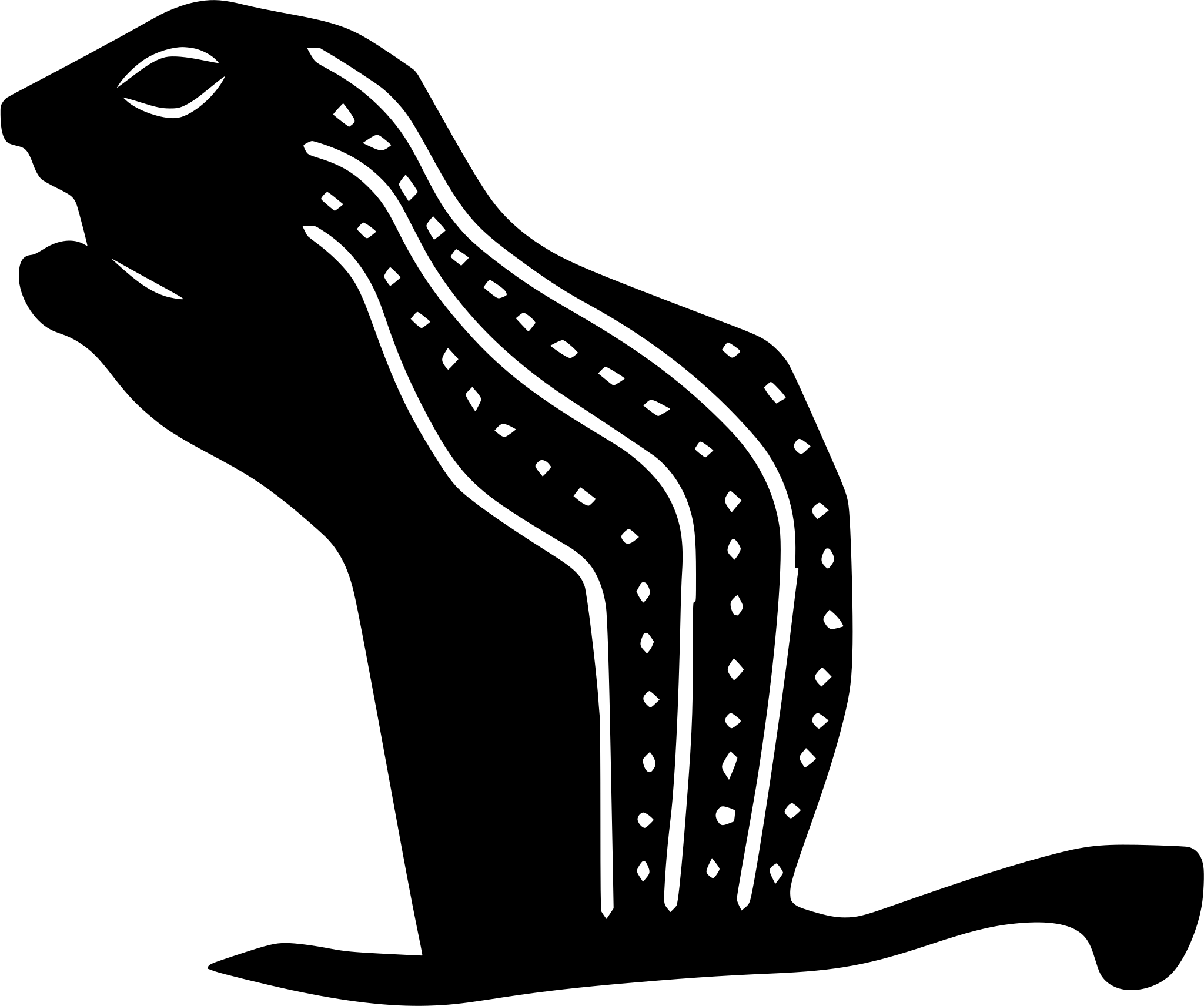
Minnesota’s records for the thirteen-lined ground squirrel run past 1,000, concentrated in short grass: mown trails and lawns around the Twin Cities, sandy openings at Sherburne National Wildlife Refuge, and roadsides near Chippewa National Forest. This is the animal Minnesotans have long called the striped gopher, the species behind the state’s Gopher State nickname and the University of Minnesota’s Golden Gopher mascot.
Short grass, sandy soil, and open sightlines
This squirrel needs to see a predator coming, so it avoids tall vegetation and sticks to closely cropped grass with a clear view in every direction. Sherburne’s sandy, well-drained openings make for easy digging along its burrow system, and the same logic explains why mown lawns, ballfields, and road shoulders across the Twin Cities suit it just as well as native prairie once did.
Gone from view for half the year
Records fall to almost nothing between November and March, then jump sharply in April. That’s not the squirrel disappearing. It’s a true hibernator, and in Minnesota it can enter torpor as early as September and stay underground for six months or more before emerging in spring. The April-through-August record surge is essentially the entire window when this species is ever active above ground in the state.
Status in Minnesota
The thirteen-lined ground squirrel is native to Minnesota. NatureServe lists it SNR here, unranked at the state level, though it carries a secure G5 rank globally.
 Full species profile




