Arkansas mammals

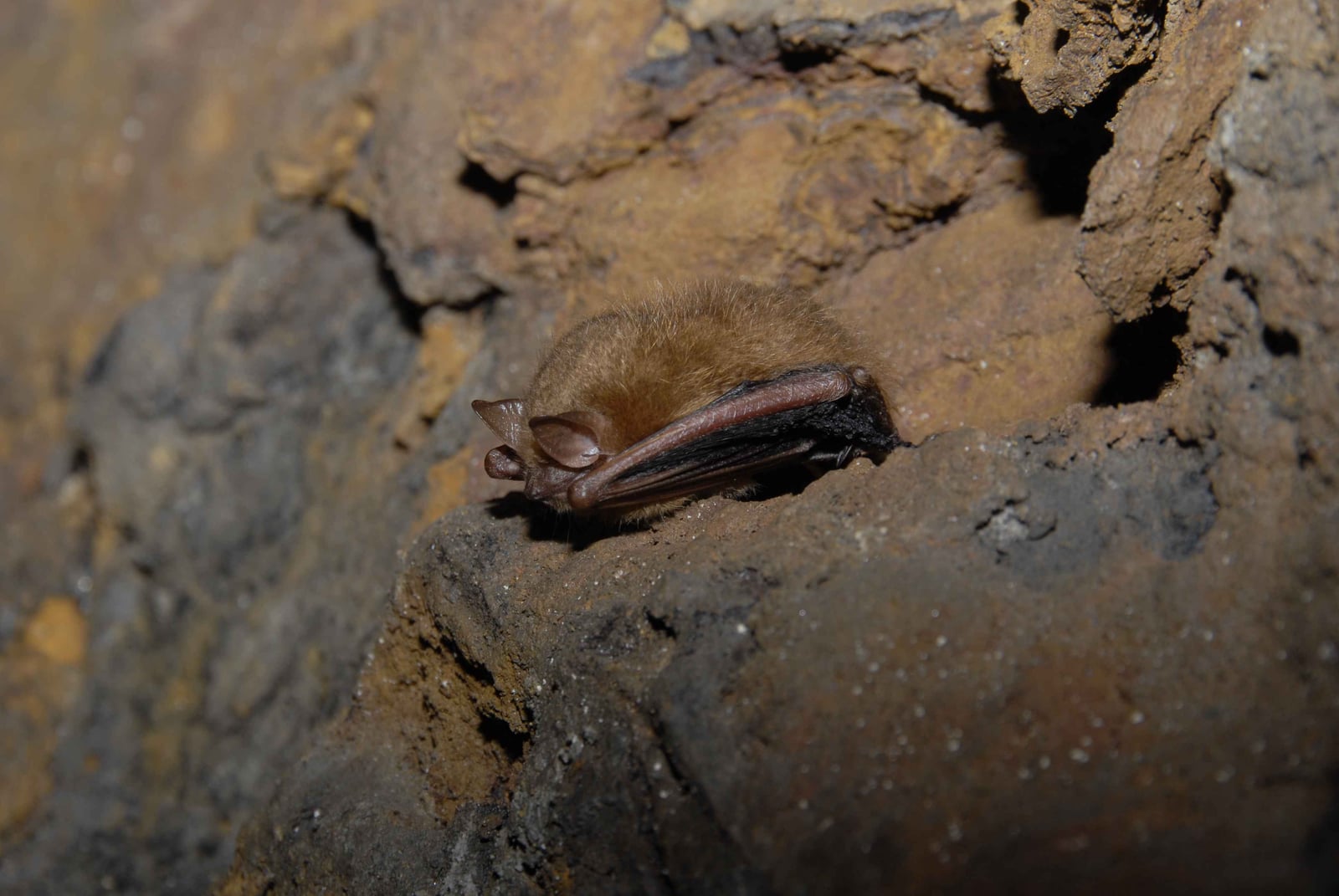
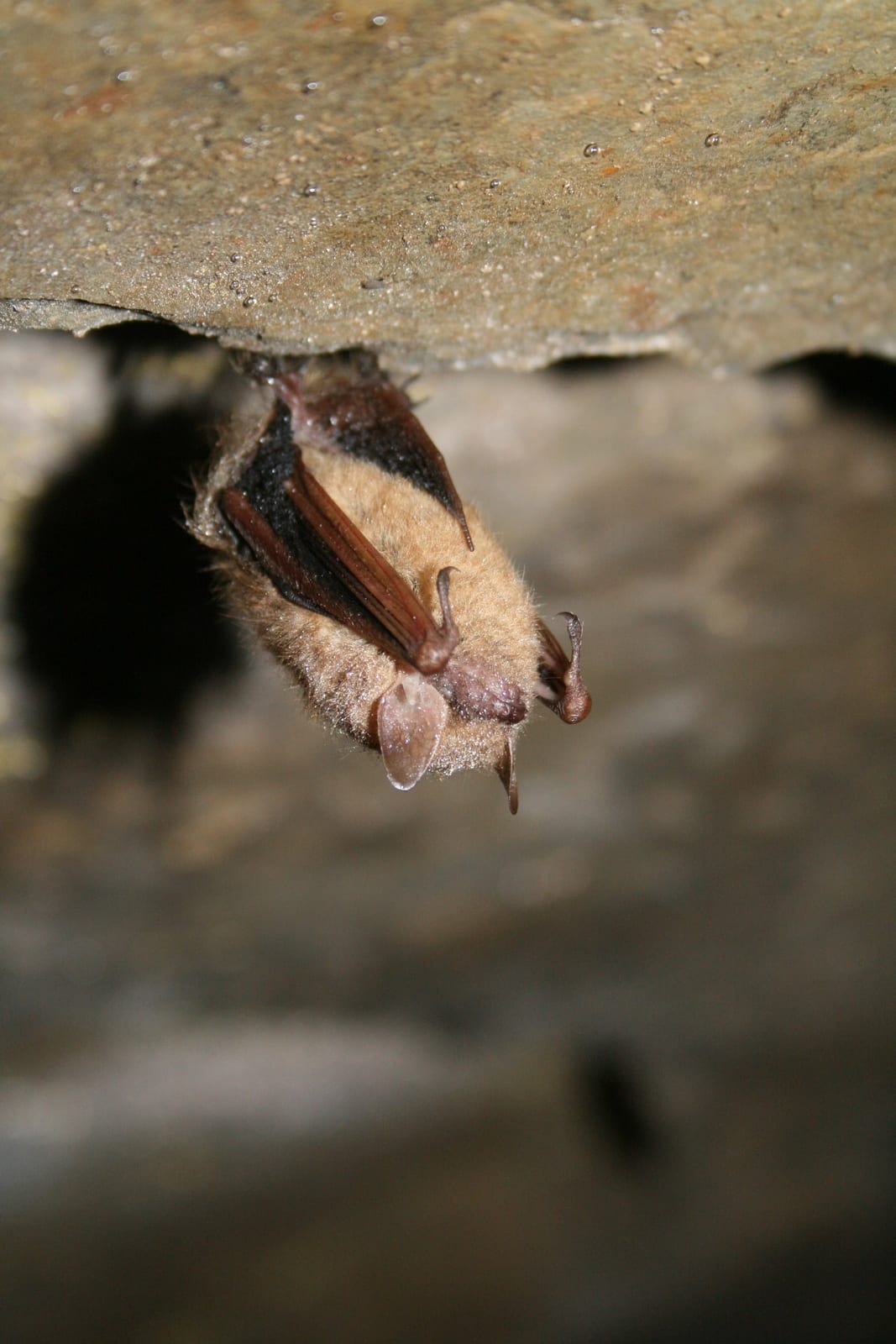
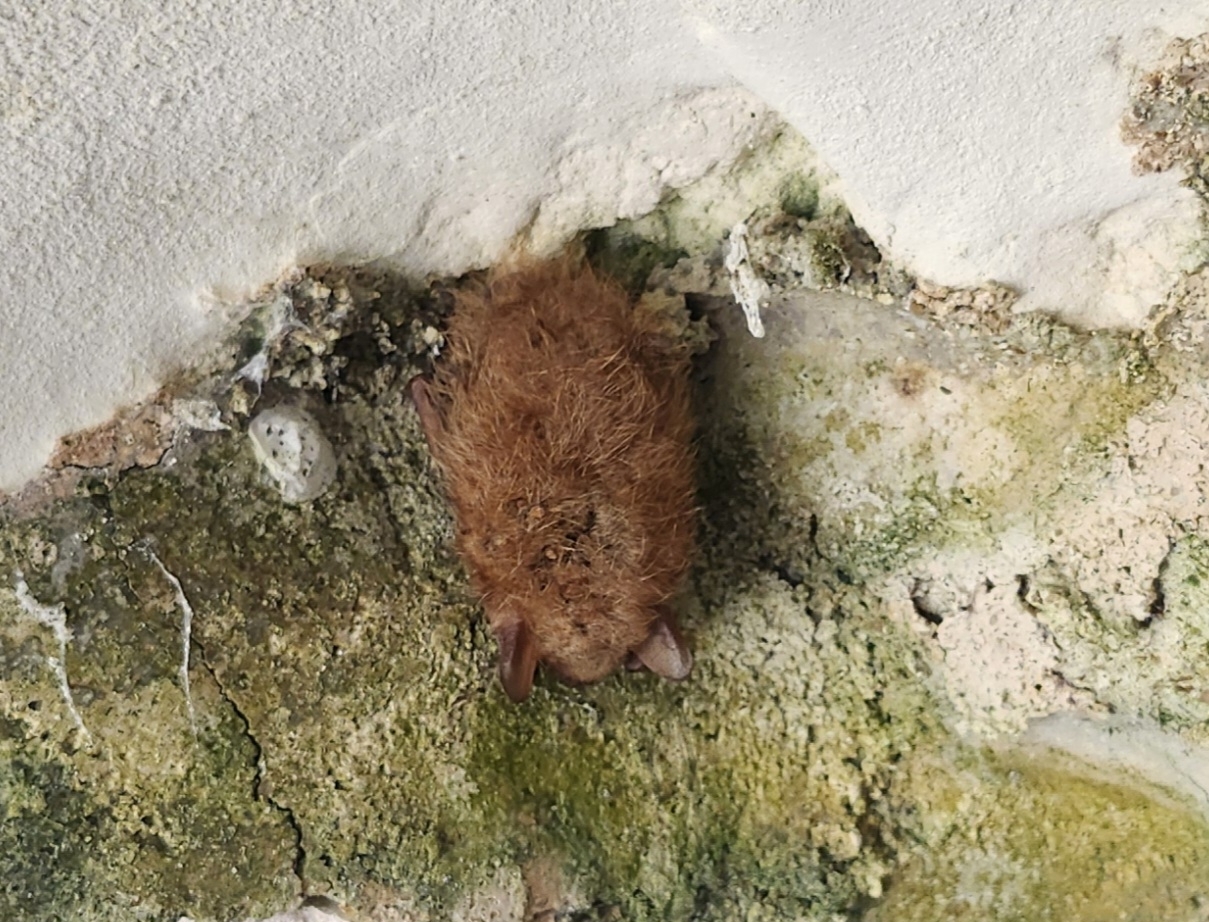
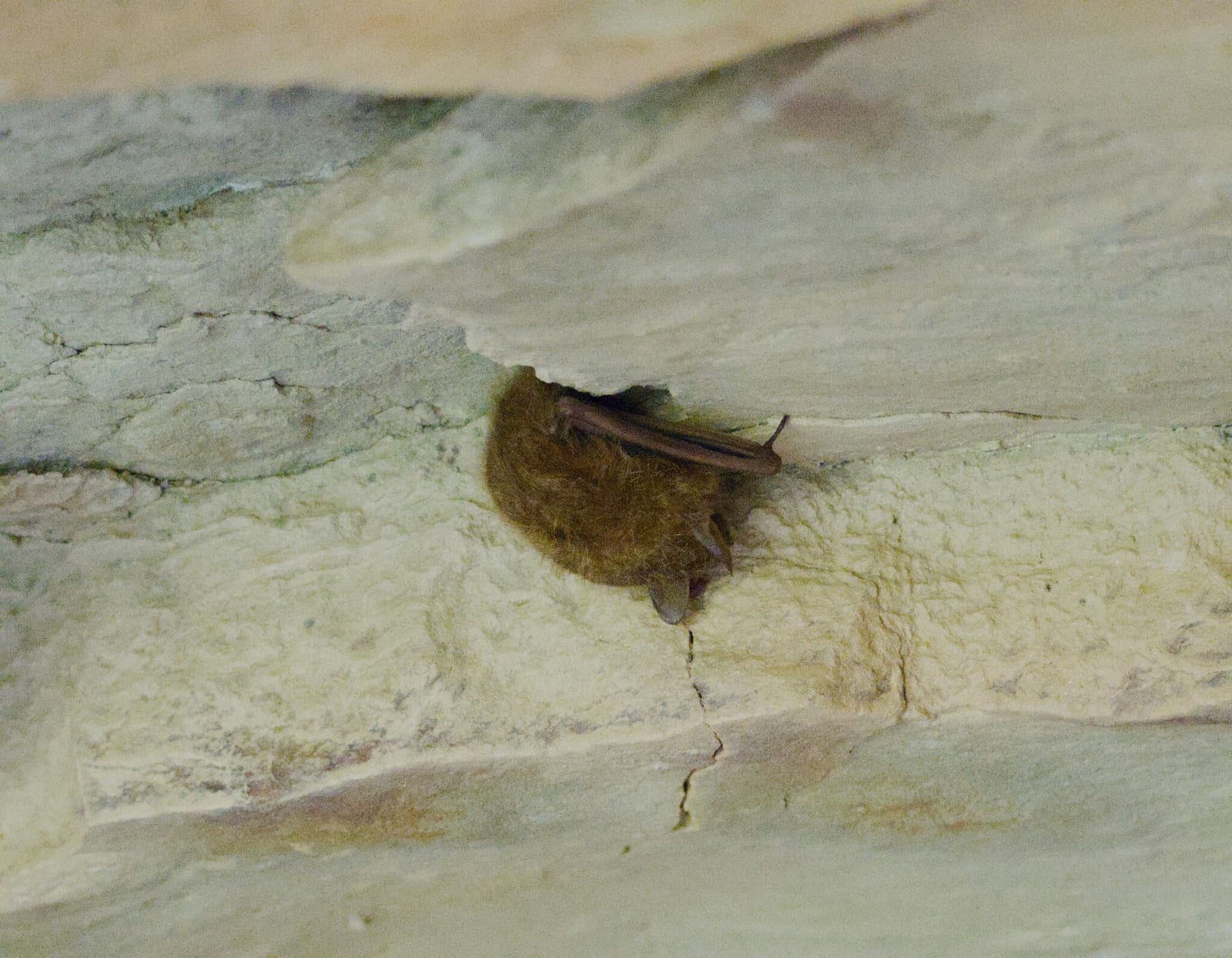
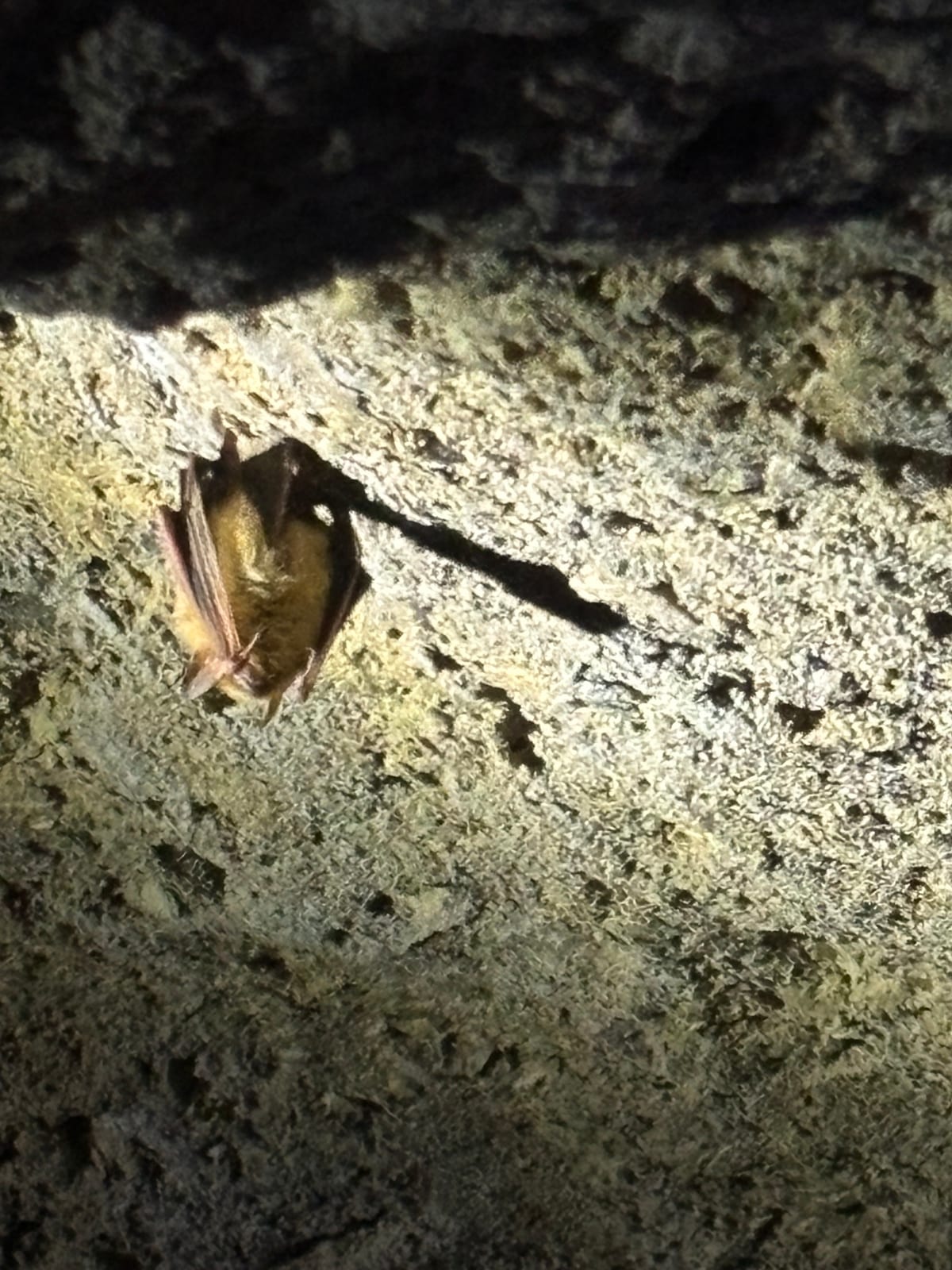
Tricolored Bat in Arkansas

Perimyotis subflavus

Native to Arkansas S5 Secure in Arkansas

Not listed as nonindigenous in Arkansas by USGS NAS; native to its Arkansas range.

IUCN Red List status

  1. LC
  2. NT
  3. VU
  4. EN
  5. CR
  6. EW
  7. EX

VU – Vulnerable

High risk of extinction in the wild.

Tricolored Bat in Arkansas, by the numbers

Common in Arkansas 18th most recorded of 78 mammals logged in Arkansas

117 occurrence records
117 with iNaturalist photos

Records from 2000–2026.

117 total records count every Arkansas occurrence from GBIF and iNaturalist; the map plots a georeferenced sample of 104; the monthly chart covers the 104 records with a full observation date.

When to look for the Tricolored Bat in Arkansas

Most sightings fall in March to April.

104 Arkansas occurrence records (iNaturalist and GBIF) by month of year, 2000–2026. Shows when the species is recorded, not a guarantee of presence.

Monthly Arkansas records (table)
MonthRecords
January5
February4
March34
April26
May2
June3
July3
August5
September9
October4
November4
December5

Monthly tricolored bat occurrence records (iNaturalist and GBIF) in Arkansas, 2000–2026.

Seasonality

Year-round in Arkansas, with recorded sightings peaking in March–April.

Occurrence map

Where Tricolored Bat has been recorded in Arkansas

104 records mapped · zoom and drag to explore

102 Arkansas records mapped

Where it's recorded in Arkansas

CountyRecords
Carroll County 14
Washington County 14
Newton County 12
Benton County 11
Madison County 7
Independence County 4
Baxter County 3
Boone County 3
Van Buren County 3
Stone County 3
Izard County 3
Polk County 2
18 other counties 38

The complete county distribution, spread across 30 Arkansas counties. Every occurrence record falls in one county, so these sum to the total. Counties from GBIF and US Census boundaries.

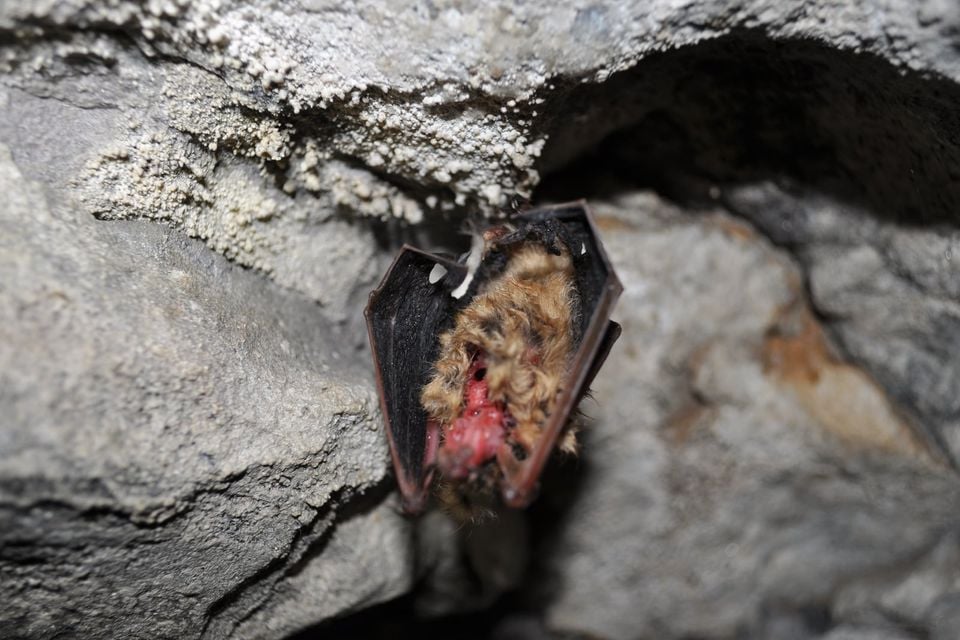
Tricolored bat records are associated with Arkansas’s cave-rich Ozarks, led by Carroll, Washington, Newton, and Benton counties in the northwest. Caves and mines are sensitive roosts: visitors should obey closures and avoid disturbing bats, especially during hibernation.

Reports peak in March and April as seasonal activity resumes. Observation totals are strongly shaped by roost surveys and do not directly measure population size.
Occurrence data from iNaturalist and GBIF.

More mammals in Arkansas in the atlas

Data & sources

The data and visualizations on this page draw on these open sources:

  • GBIFCC-BY 4.0occurrence records behind the range map, elevation, and record counts
  • iNaturalistCC0 / CC-BY / CC-BY-SAobservations, photos, and audio recordings
  • NatureServe ExplorerCC-BYthe state conservation rank
  • IUCN Red Listattributed factthe global conservation status
  • USGS NASpublic domainnative / introduced status
  • Natural Earthpublic domainthe relief basemap
  • USFSpublic domainnational-forest boundaries