


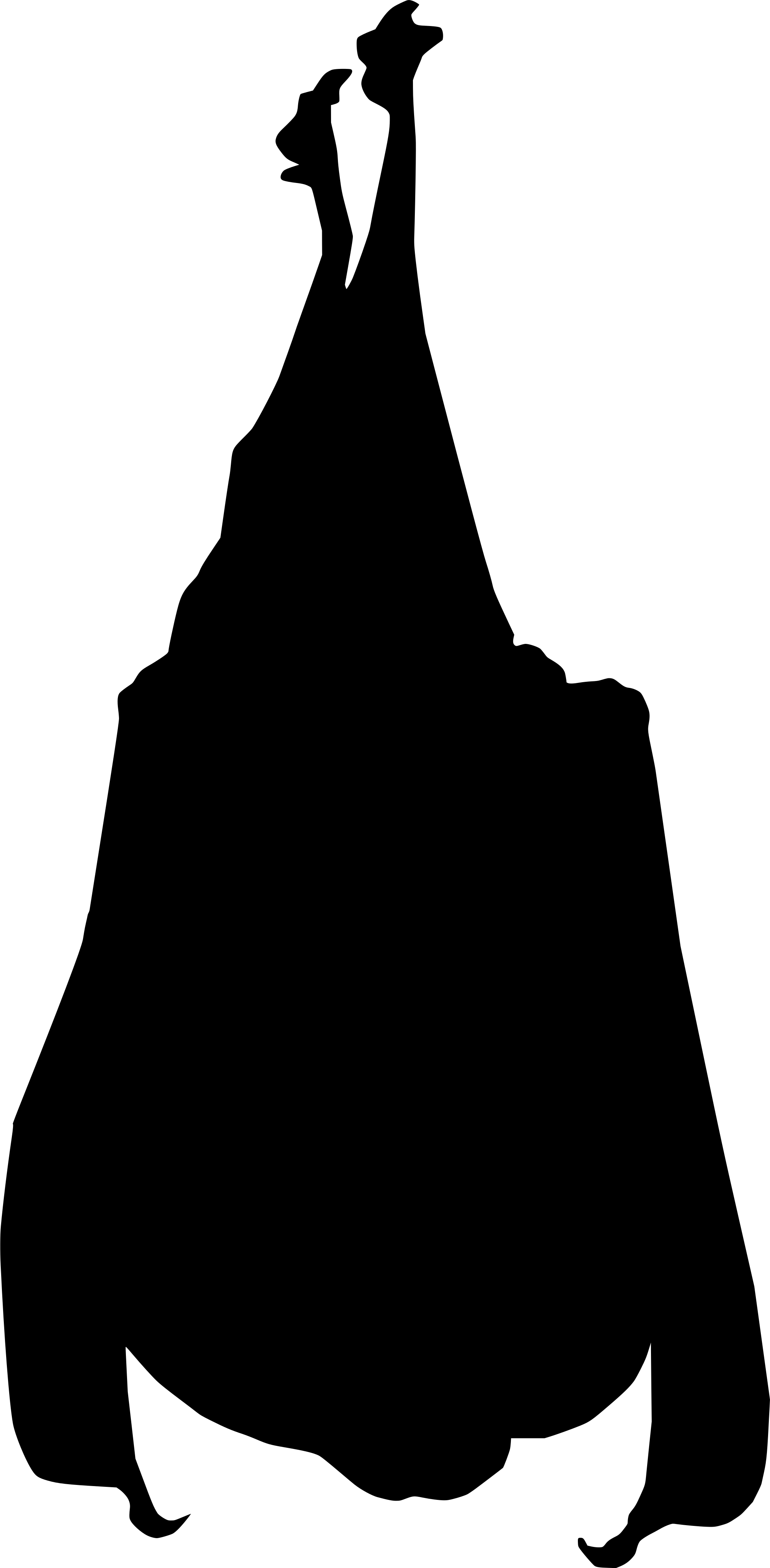
The western bonneted bat, also called the greater mastiff bat, is the largest bat in the United States and a scarce, high-flying resident of Arizona’s deserts. Open occurrence databases hold 65 records for it in the state, only 9 of them iNaturalist observations, a small tally for so large an animal because it lives most of its life far overhead.
A giant that roosts on cliffs
With a wingspan approaching two feet, this heavy-bodied bat needs a vertical drop to get airborne, so it roosts high in cliff crevices and launches into open air below. It ranges across the Sonoran Desert basins and the rocky Sky Island country, and the records reflect that, clustering in Pima, Mohave, and Maricopa counties around desert mountains and canyon walls rather than in the settled lowlands.
Heard more than seen
Sightings appear across the warm months and fall away toward winter, when activity drops and the bats grow torpid in cold weather. Unusually, the western bonneted bat gives a loud, high call as it flies that carries all the way to the ground, so it is often detected by ear on a still desert night long before anyone glimpses the animal itself. NatureServe ranks it S3, vulnerable, in Arizona, a reflection of its naturally sparse, cliff-tied distribution.
Common questions
How big is it really? Big enough that its wingspan and heavy body set it apart from every other bat in the state.
Where does it live? In desert and canyon country with tall cliffs for roosting, from the Sonoran basins to the rocky ranges.
 Full species profile




