
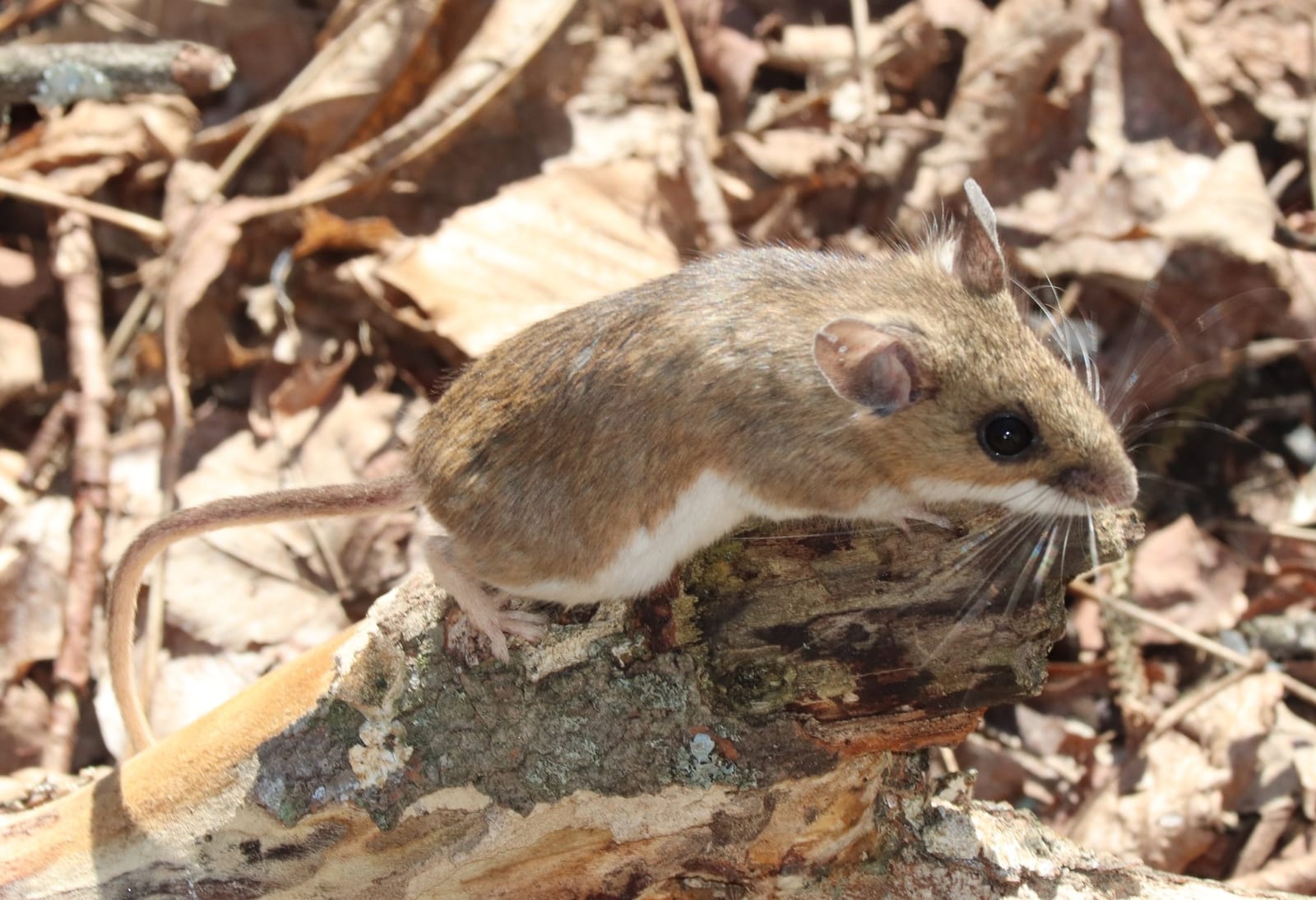
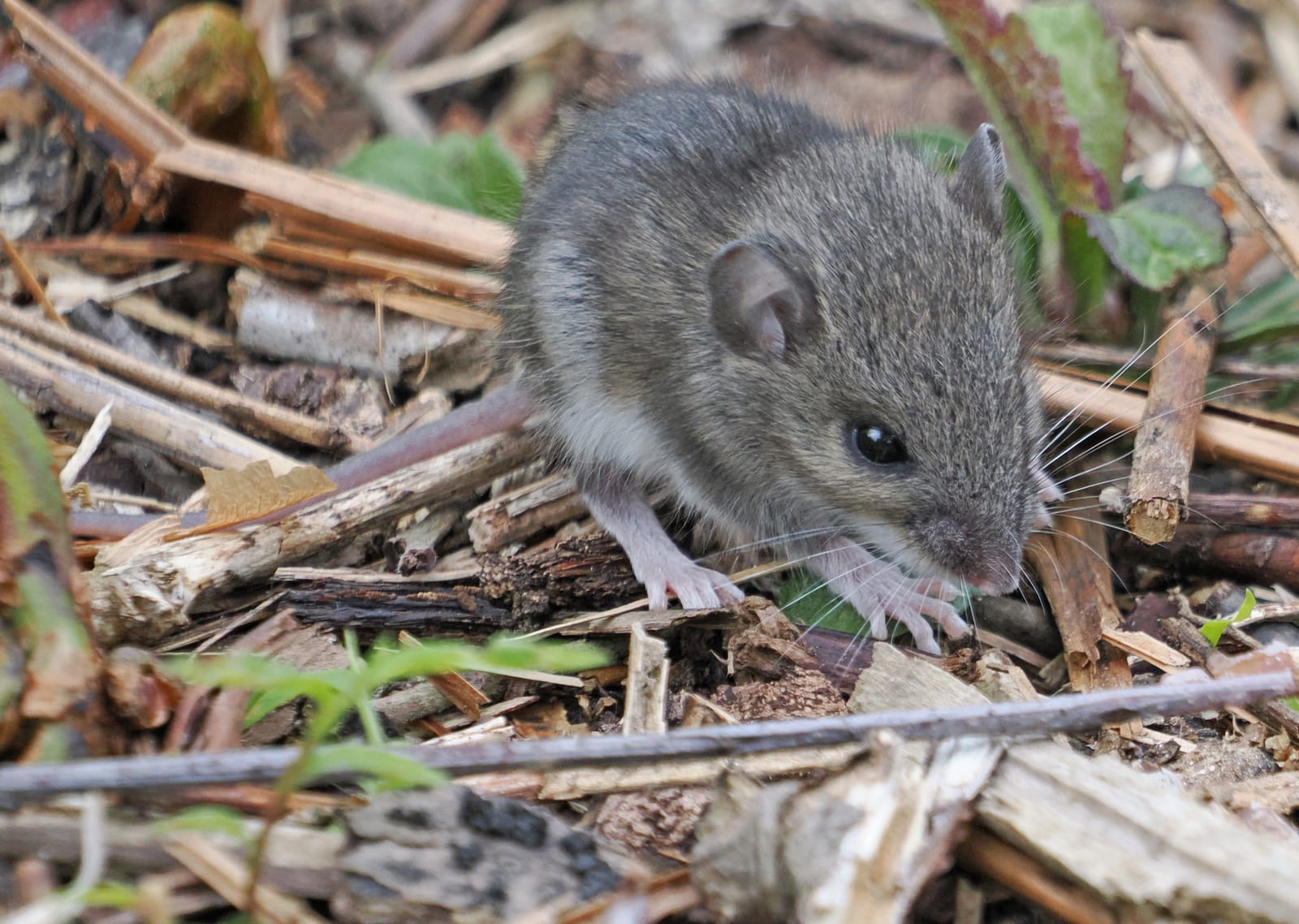
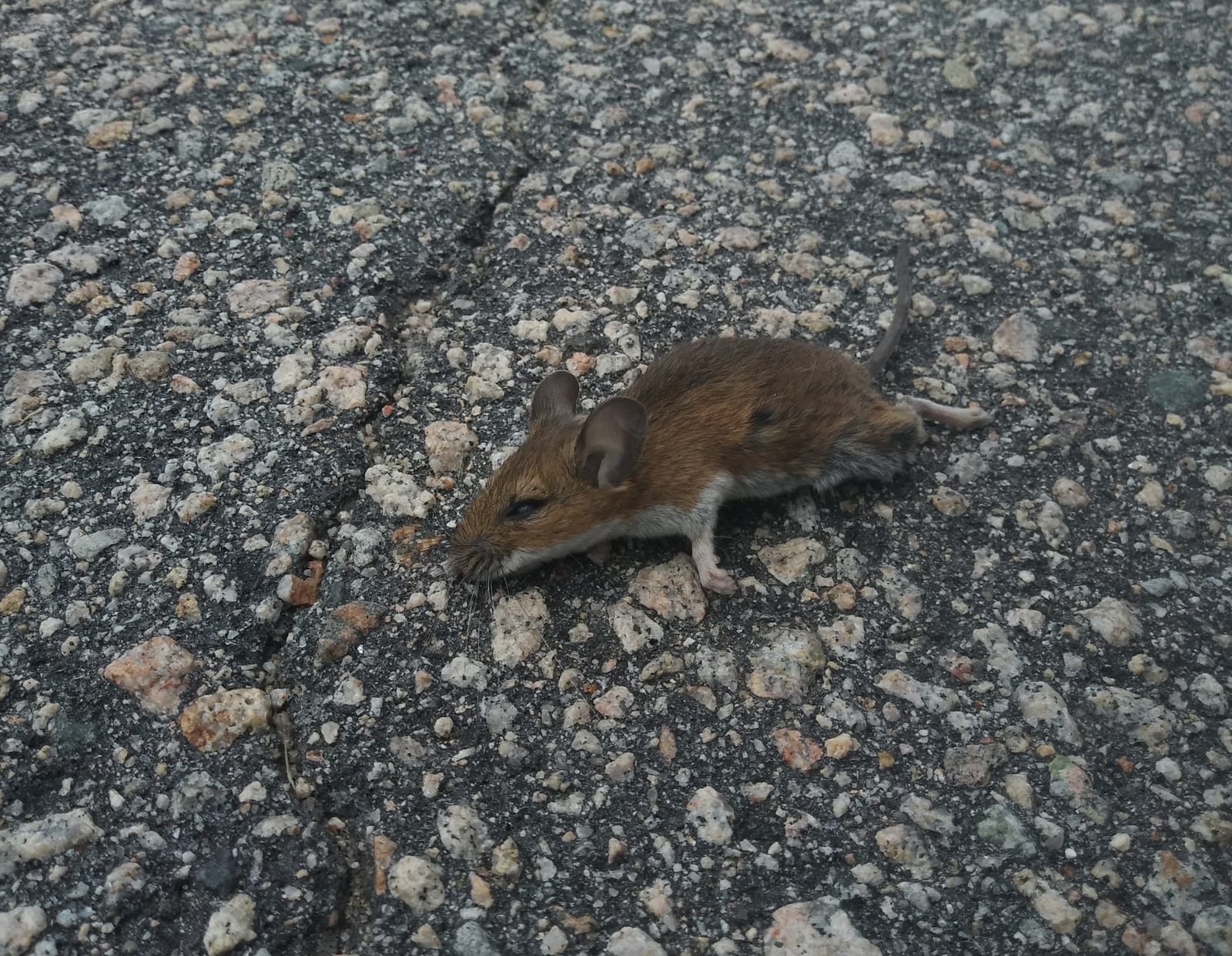
Massachusetts’ occurrence databases carry 5,565 records for the white-footed mouse, far more than almost any other mammal in this dataset. That volume says more about how often small-mammal traps get set in this state than about how the mouse compares to species nobody traps at all.
A generalist that fits nearly every corner of the state
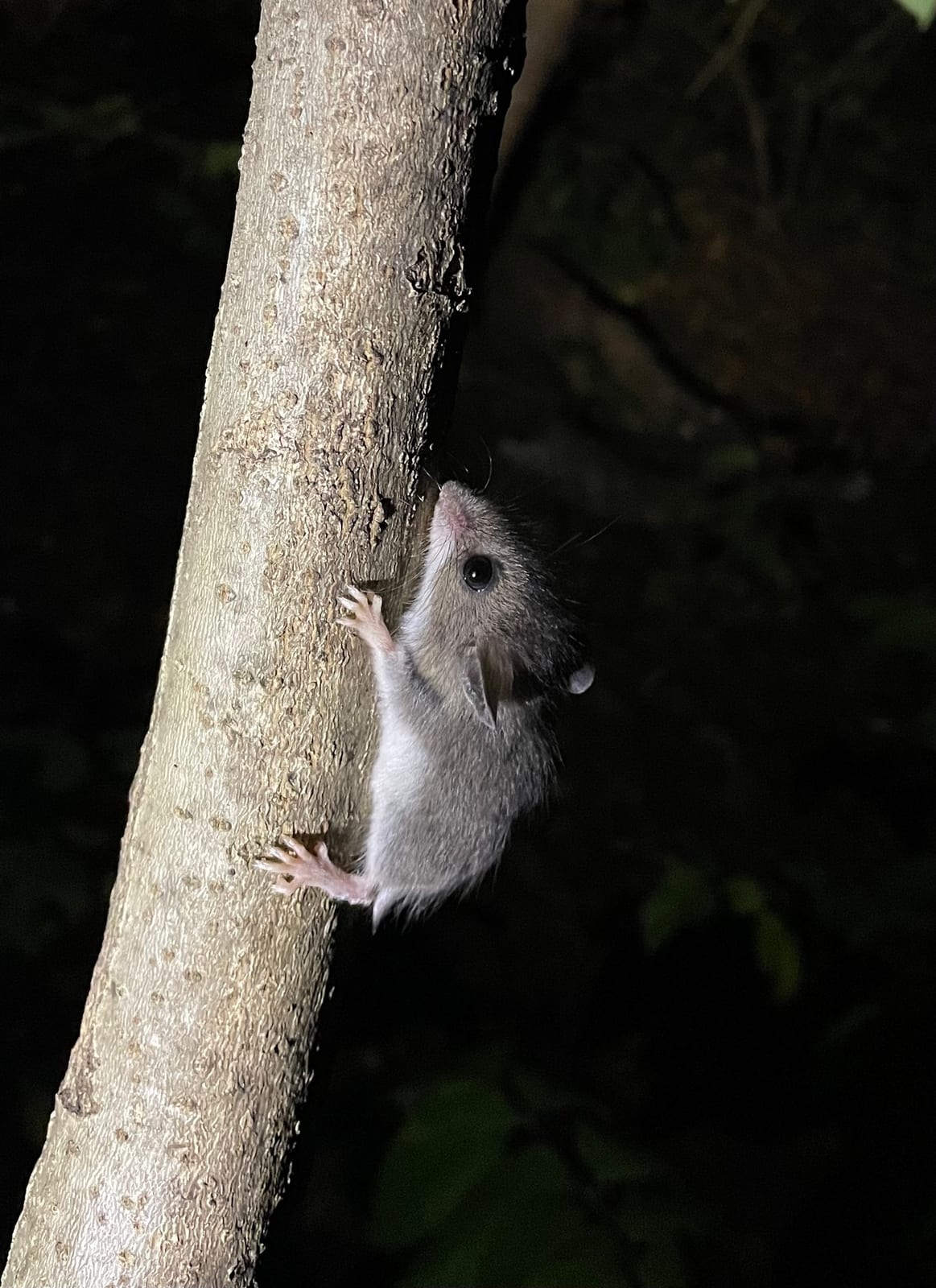
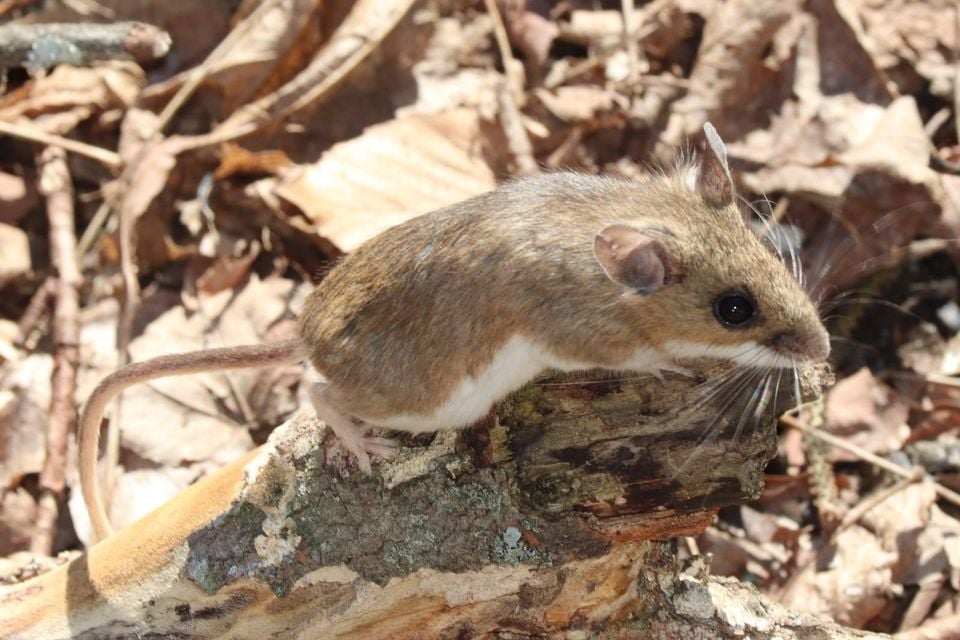
This mouse turns up from Berkshire woodland edges in the west to the dune scrub and bayberry thickets of Cape Cod and the Islands in the east, wherever oak and hickory woods meet brush, stone walls, or old fields. The state’s top records cluster around Monomoy and Parker River national wildlife refuges, both barrier-beach and salt-marsh settings where maritime shrub thickets give this climbing, nest-building mouse the same kind of dense low cover it uses further inland.
Records that spike with the field season, not the mouse’s own habits
Monthly counts jump sharply from June through September, peaking near 1,700 records in July alone, while the coldest months log only a small fraction of that. That swing traces the calendar of small-mammal trapping surveys far more than any real seasonal shift in the mouse itself. White-footed mice stay active and breed well into the colder months too; they just get caught, and counted, far less often once field crews pack up for the year.
A quiet link in the tick cycle
Beyond its own natural history, this species is one of the main early hosts for the bacterium behind Lyme disease, picked up and passed along by blacklegged ticks in their first life stage. In a state that reports some of the country’s highest tick-borne illness numbers, that makes an otherwise unremarkable woodland mouse a genuine piece of New England’s disease ecology.
Status in Massachusetts
NatureServe ranks the white-footed mouse S5, Secure, in Massachusetts, and it’s native across the whole state. Few Massachusetts mammals show up in this dataset as often as this one does, mostly because trapping surveys are built to catch a small, adaptable rodent exactly like it.
 Full species profile




