
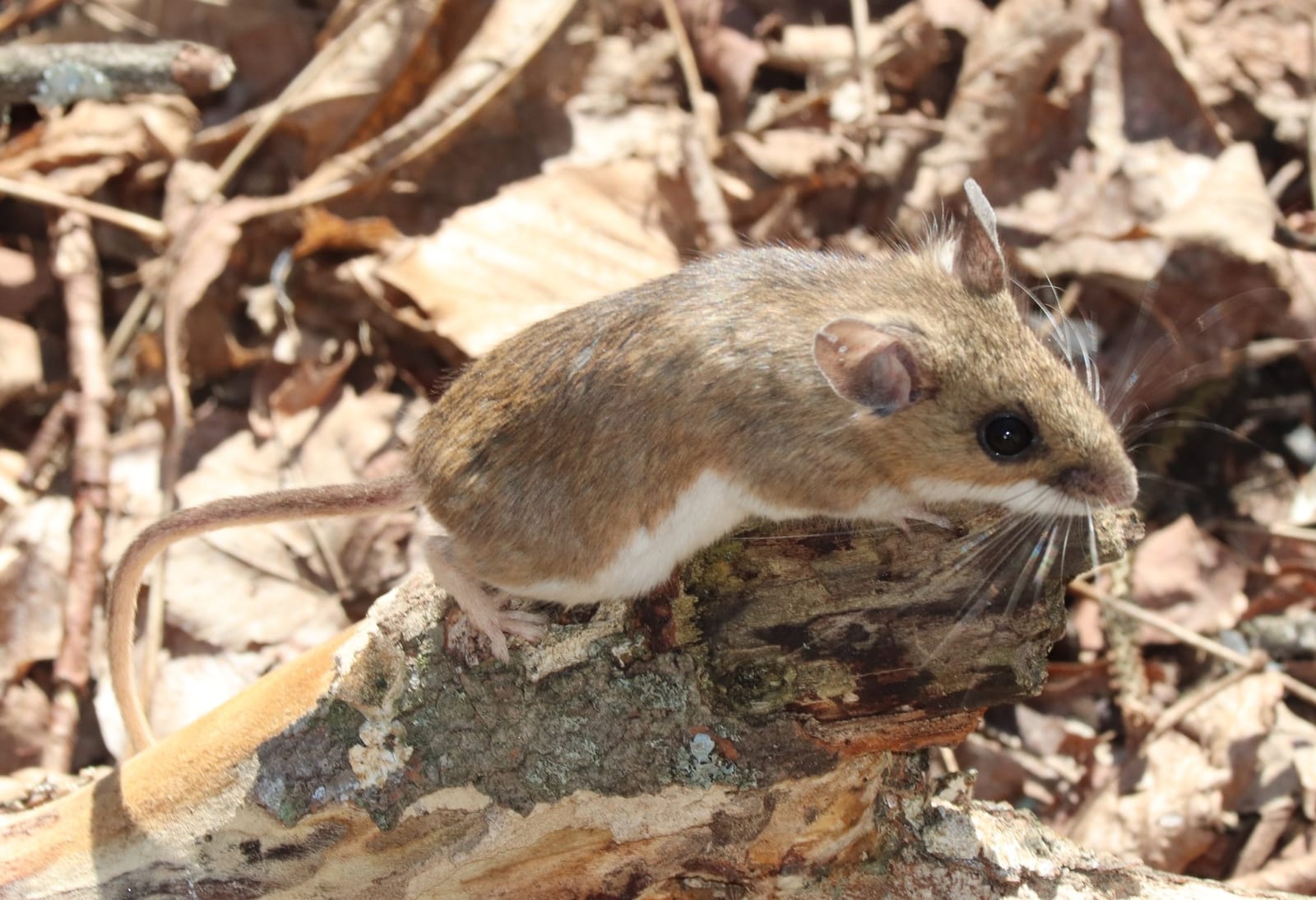
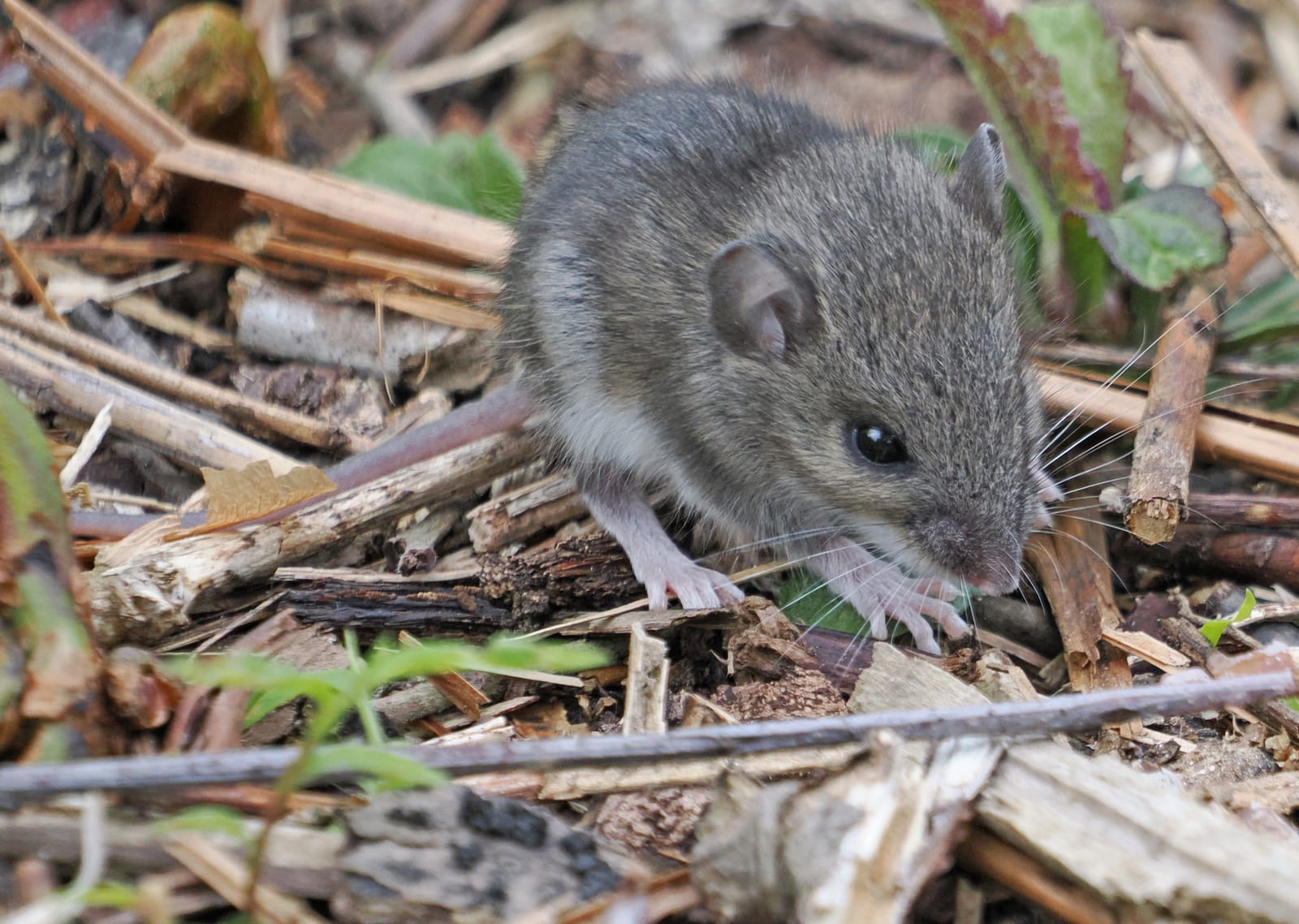
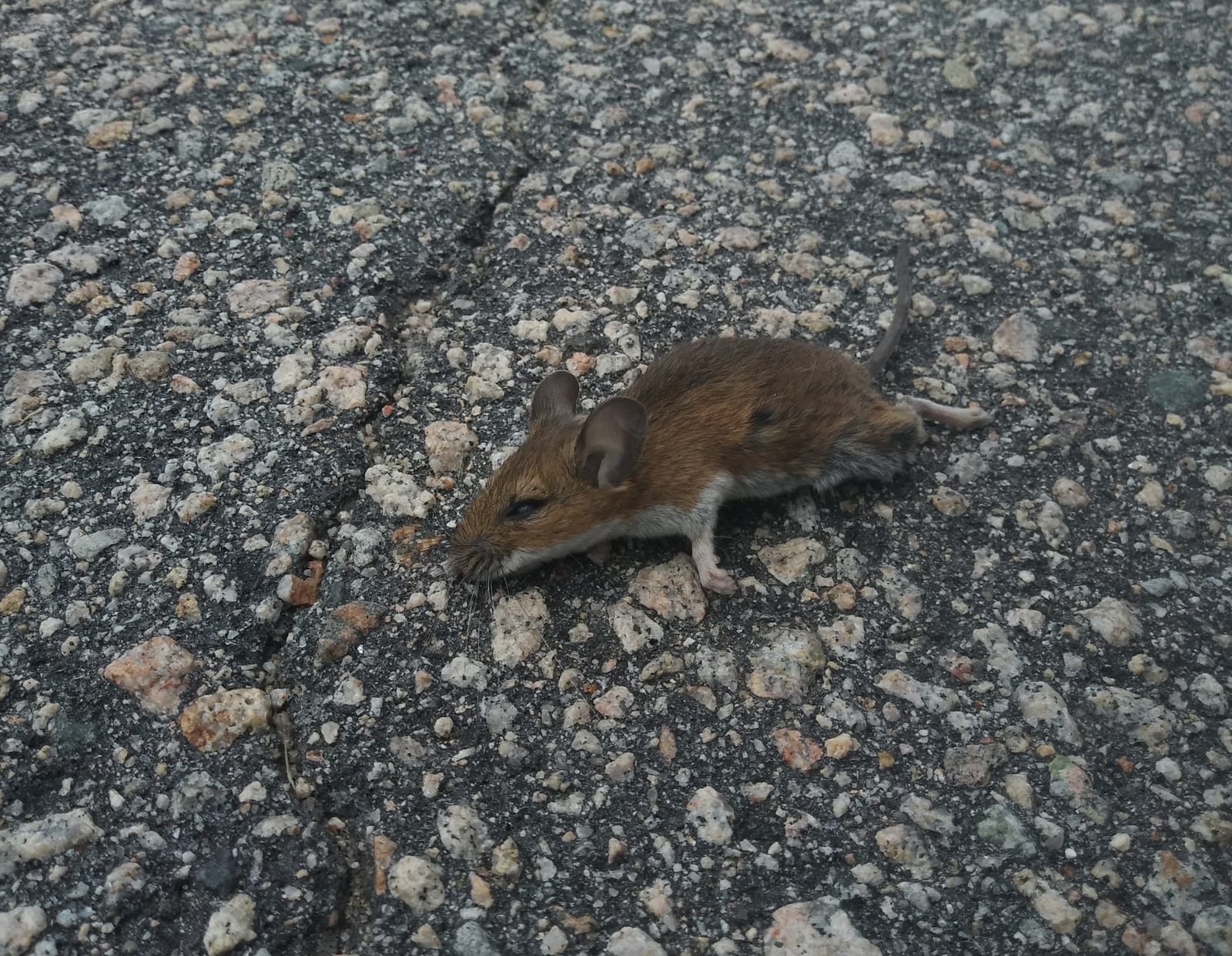
Michigan holds 1,094 records of the white-footed mouse, but only 81 come from iNaturalist, so most of the record is built from trapping surveys rather than photos. Reports concentrate around Ottawa National Forest in the Upper Peninsula and the dune forest behind Sleeping Bear Dunes National Lakeshore, both places with the woodland and brushy edge cover this mouse nests in.
A night-active tenant of stumps and cavities
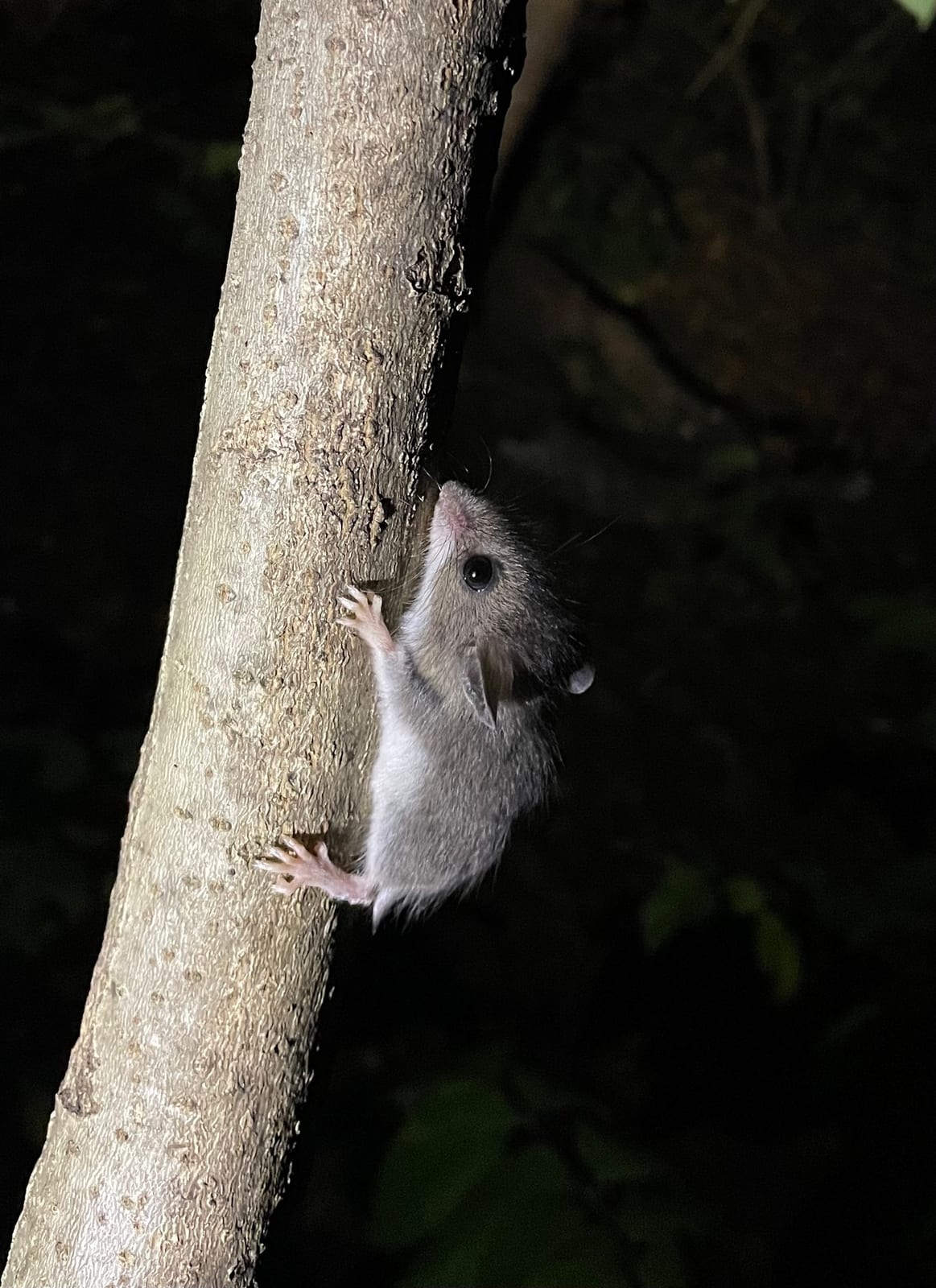
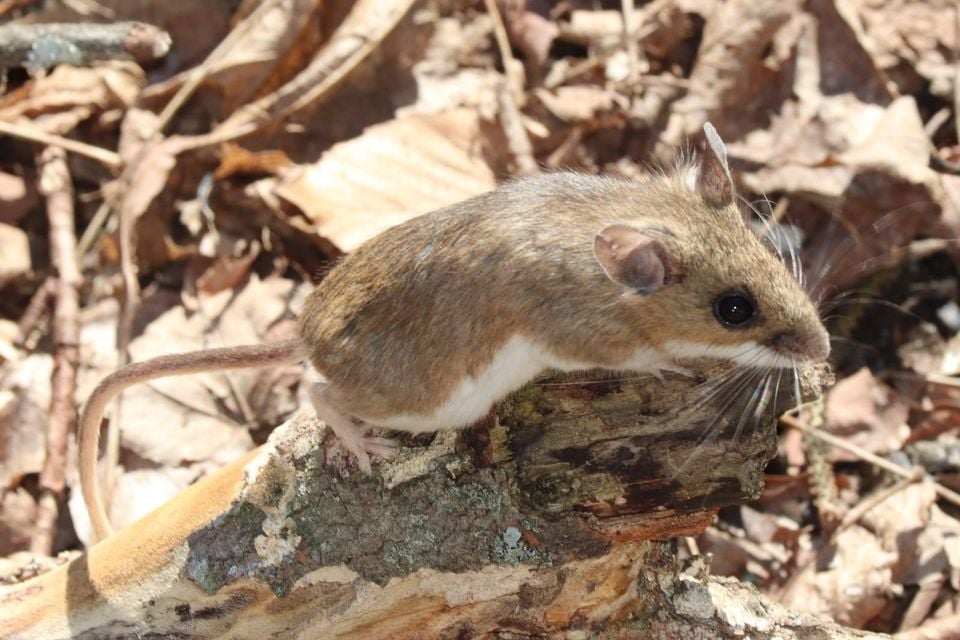
White-footed mice nest in tree cavities, old stumps, and brush piles across Michigan’s deciduous and mixed woods, including the wooded backdunes at Sleeping Bear. They stay active through winter rather than hibernating, but spend far more of that season in snow-covered tunnels out of sight, which helps explain why records run higher from July through September than in the colder months.
A quiet but important forest link
Beyond being a food source for owls, foxes, and snakes across Michigan’s woodlands, this mouse is also one of the main hosts that keeps blacklegged ticks circulating in the state’s forests, a genuine ecological role tied to how common the species is in leaf-litter and brushy habitat.
Status in Michigan
NatureServe ranks the white-footed mouse S5, secure, and Michigan lists it as native. Its record spans the state’s deciduous woods and dune forest, from Upper Peninsula stands to the Lower Peninsula’s lakeshore woodlands.
 Full species profile




