Mississippi mammals

White-footed Mouse in Mississippi

Peromyscus leucopus

Native to Mississippi S5 Secure in Mississippi

Not listed as nonindigenous in Mississippi by USGS NAS; native to its Mississippi range.

IUCN Red List status

  1. LC
  2. NT
  3. VU
  4. EN
  5. CR
  6. EW
  7. EX

LC – Least Concern

Widespread and abundant; not at risk.

White-footed Mouse in Mississippi, by the numbers

Occasional in Mississippi 43rd most recorded of 74 mammals logged in Mississippi

9 occurrence records
9 with iNaturalist photos
Apr 8, 2026 Last seen in Mississippi

Records from 2000–2026.

When to look for the White-footed Mouse in Mississippi

Most sightings fall in April.

9 Mississippi occurrence records (iNaturalist and GBIF) by month of year, 2000–2026. Shows when the species is recorded, not a guarantee of presence. Based on a small number of dated records; the seasonal pattern may not be representative.

Monthly Mississippi records (table)
MonthRecords
January0
February0
March0
April3
May0
June0
July1
August1
September0
October2
November2
December0

Monthly white-footed mouse occurrence records (iNaturalist and GBIF) in Mississippi, 2000–2026.

Seasonality

Sparse observation record in Mississippi; presence confirmed but timing of activity not well documented.

Occurrence map

Where White-footed Mouse has been recorded in Mississippi

9 records mapped · zoom and drag to explore

9 Mississippi records mapped

Where it's recorded in Mississippi

CountyRecords
Simpson County 5
Neshoba County 1
George County 1
Lowndes County 1
Lincoln County 1

The complete county distribution, spread across 5 Mississippi counties. Every occurrence record falls in one county, so these sum to the total. Counties from GBIF and US Census boundaries.

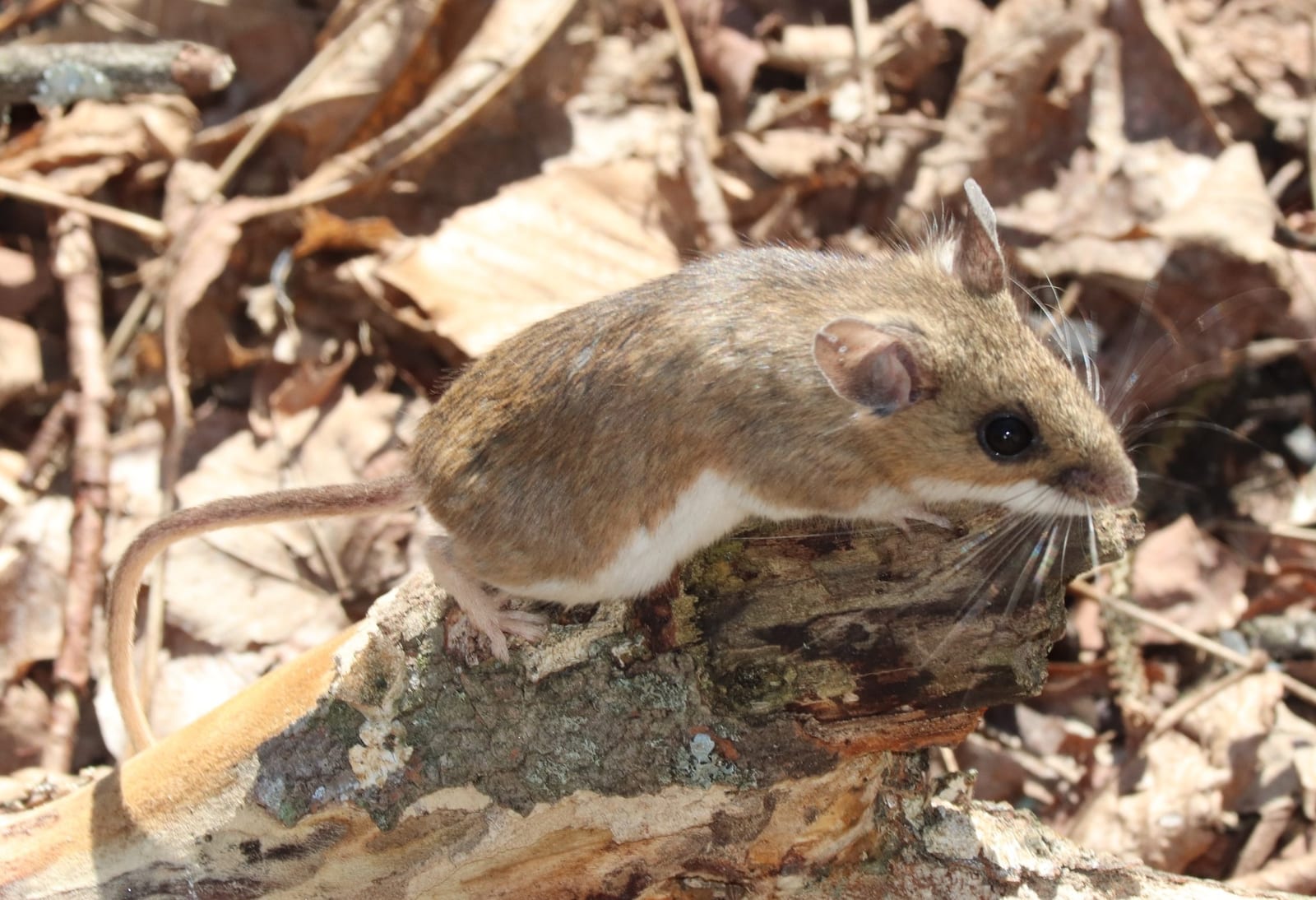
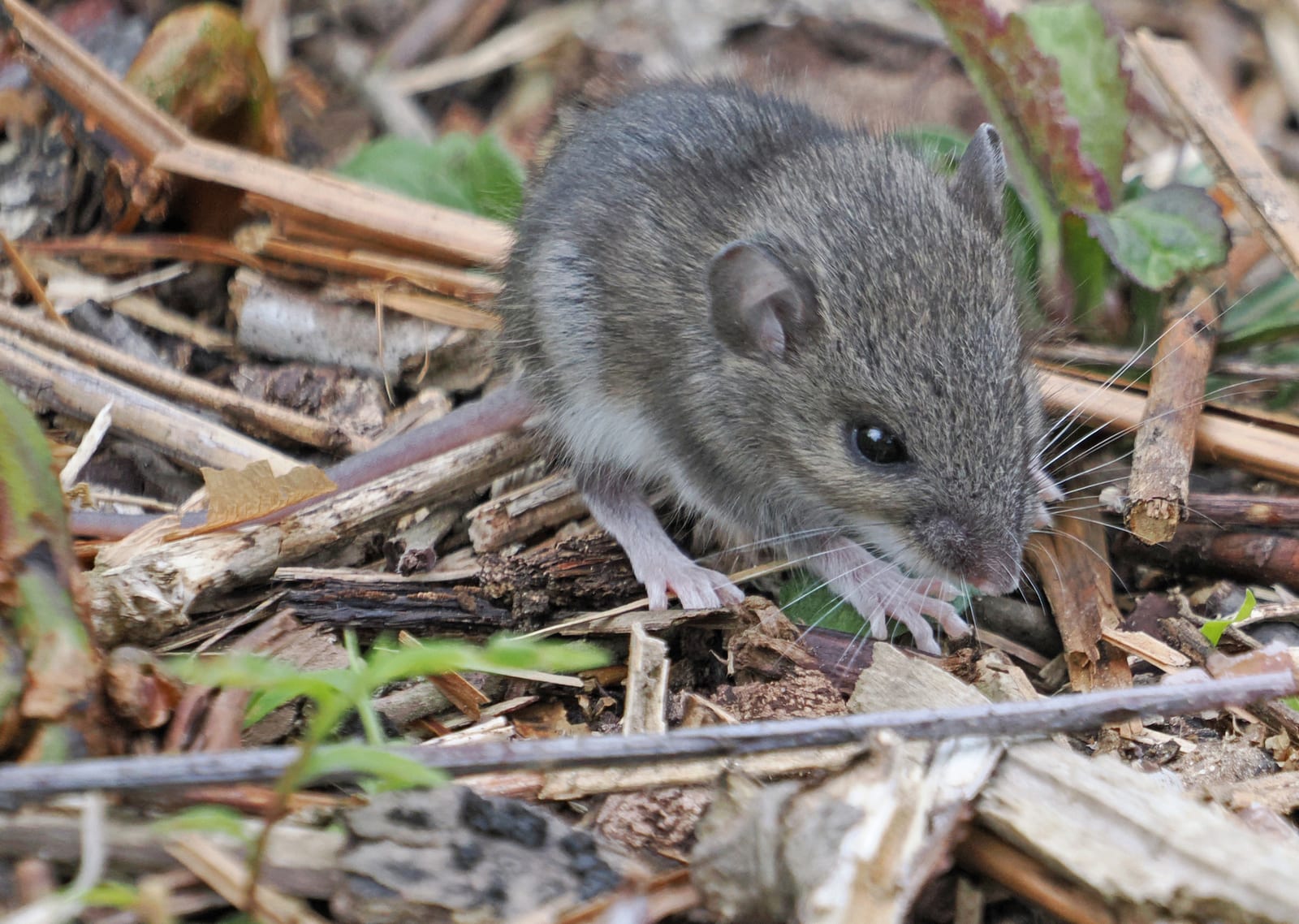
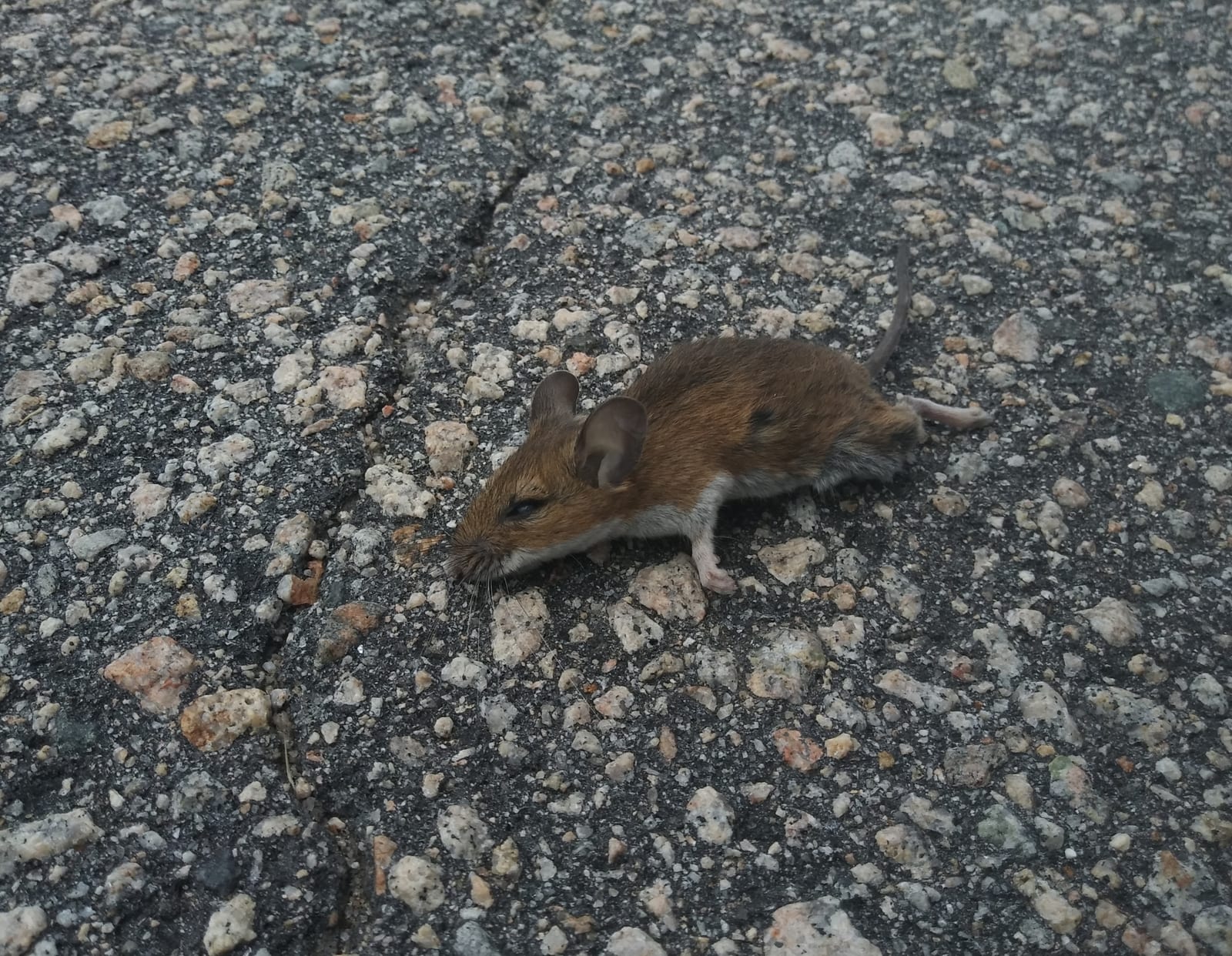
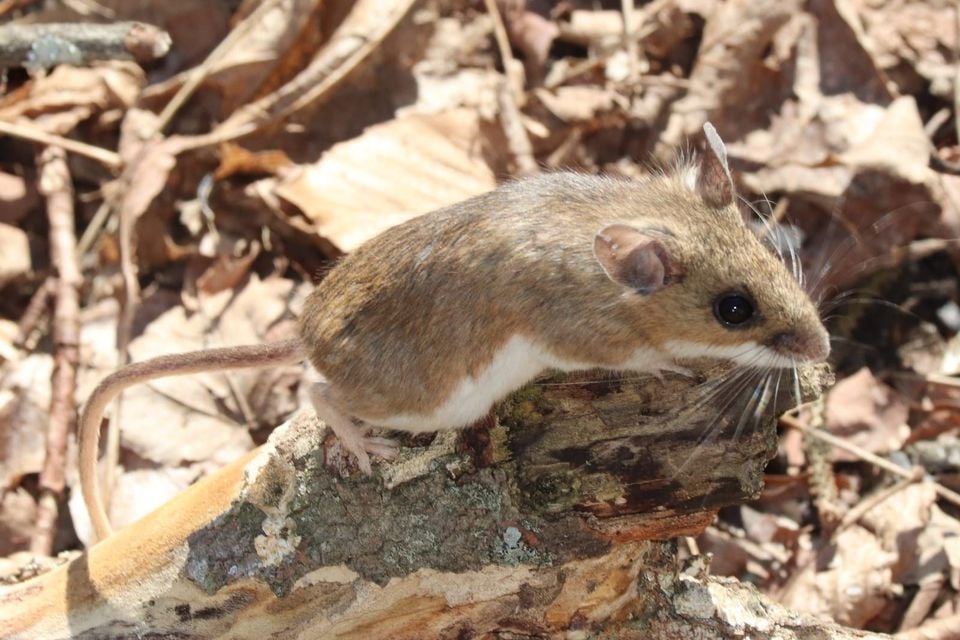
White-footed mice live in wooded and brushy habitat, from hardwood ravines to pine flatwoods, though Mississippi’s recent records come from only a handful of counties.

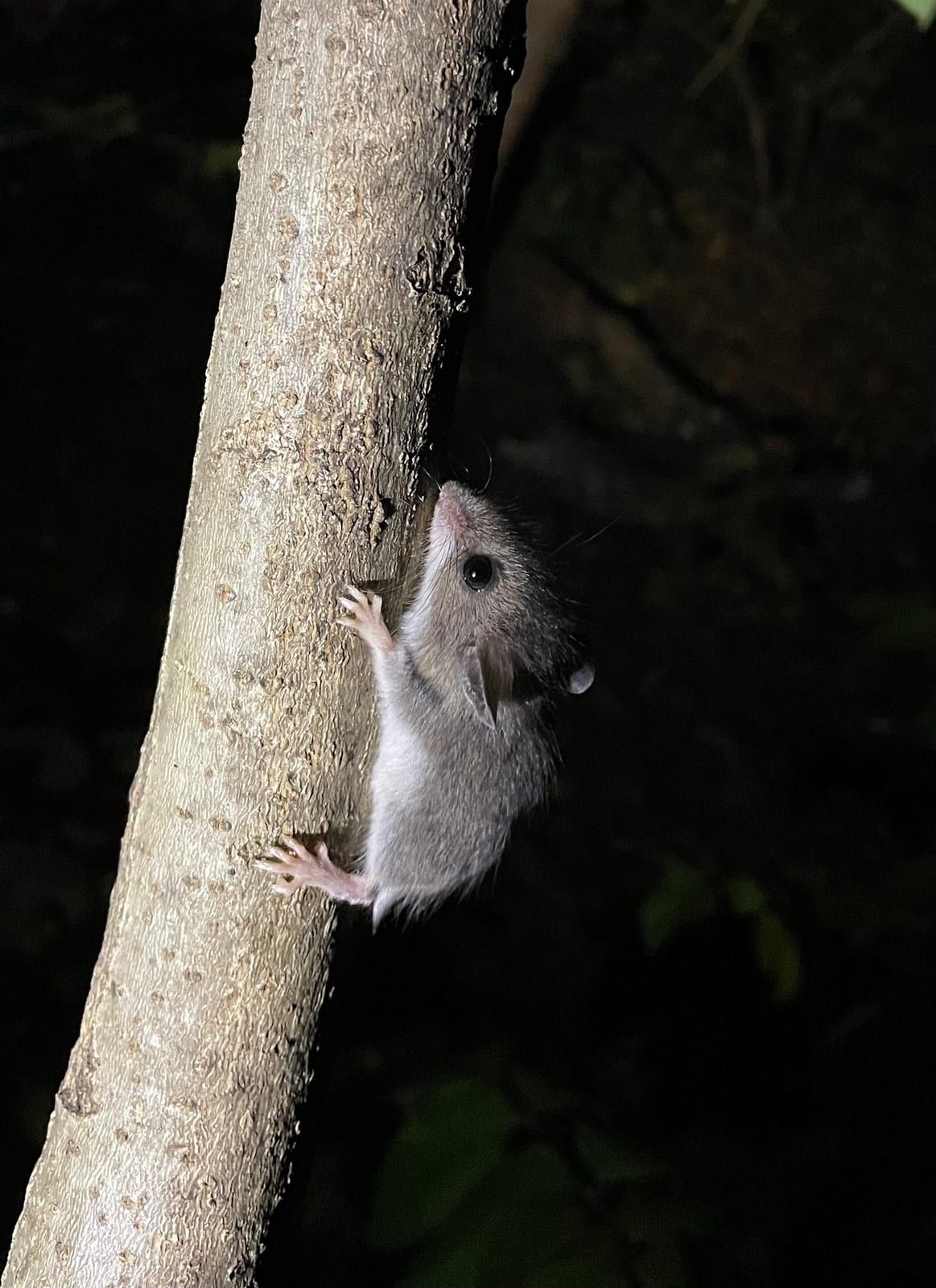
It’s a nocturnal omnivore that nests in tree cavities, stumps, and brush piles, feeding on seeds, nuts, and insects, and it’s also one of the main hosts ticks pick up Lyme disease bacteria from before biting other animals.

Mississippi’s record for this mouse from 2000 onward is just 9 reports, all of them iNaturalist observations, with 5 from Simpson County and single records from Neshoba, George, Lowndes, and Lincoln. That’s a thin showing for a species whose mapped range spans most of the eastern United States, and it says more about how seldom anyone photographs a small nocturnal mouse than about where it lives.

Occurrence data from iNaturalist and GBIF.

More mammals in Mississippi in the atlas

Data & sources

The data and visualizations on this page draw on these open sources:

  • GBIFCC-BY 4.0occurrence records behind the range map, elevation, and record counts
  • iNaturalistCC0 / CC-BY / CC-BY-SAobservations, photos, and audio recordings
  • NatureServe ExplorerCC-BYthe state conservation rank
  • IUCN Red Listattributed factthe global conservation status
  • USGS NASpublic domainnative / introduced status
  • Natural Earthpublic domainthe relief basemap
  • USFSpublic domainnational-forest boundaries




