Louisiana mammals

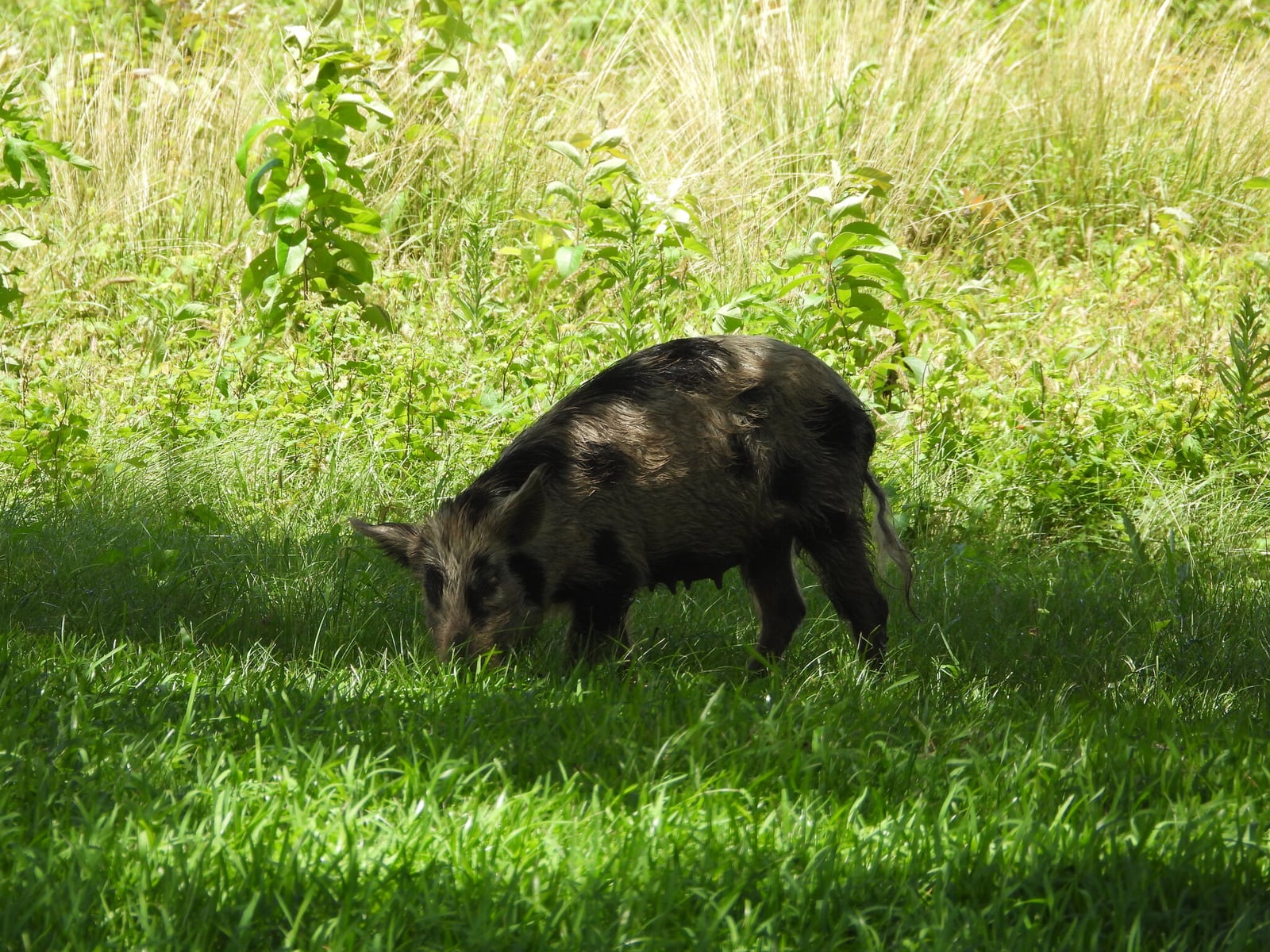
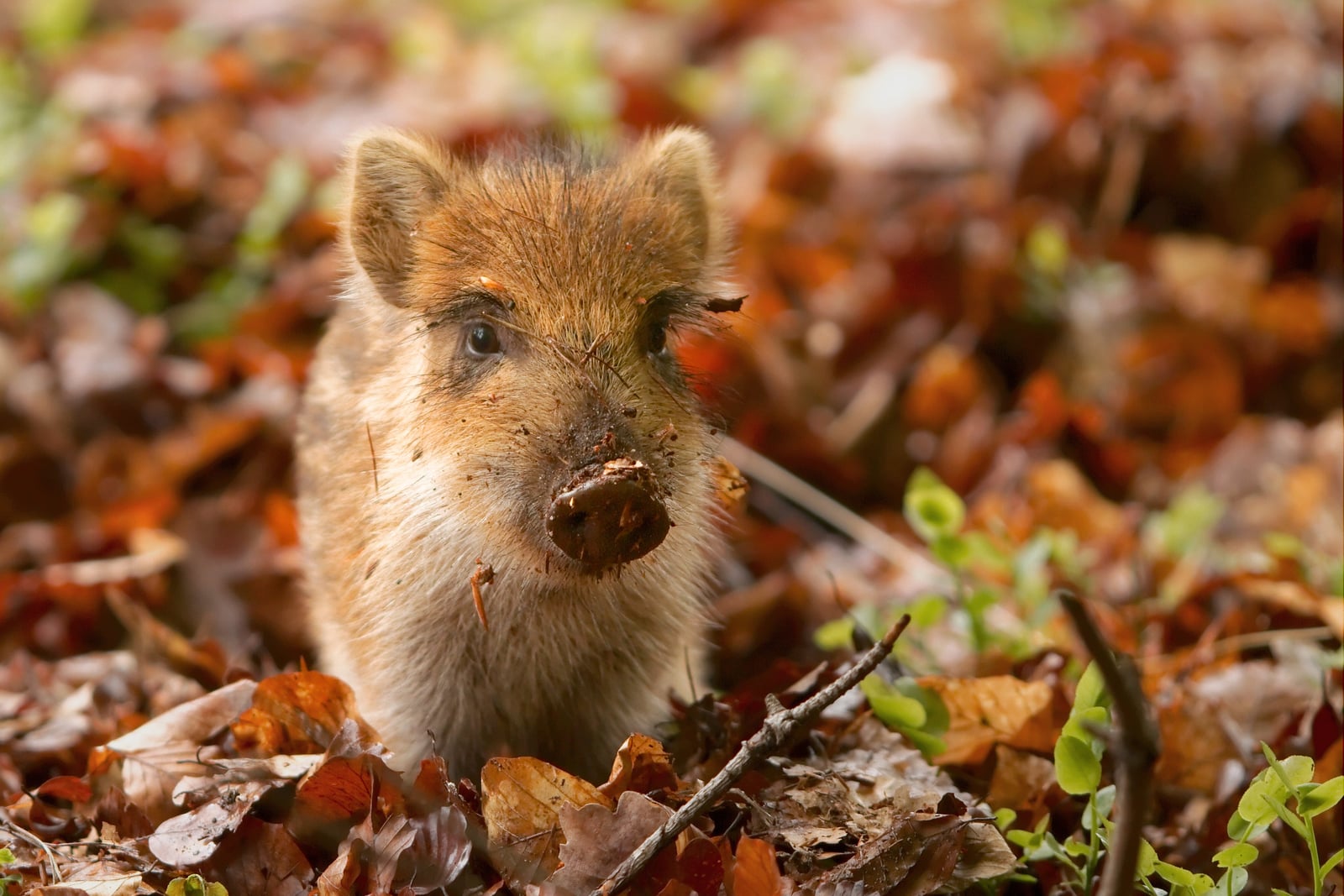
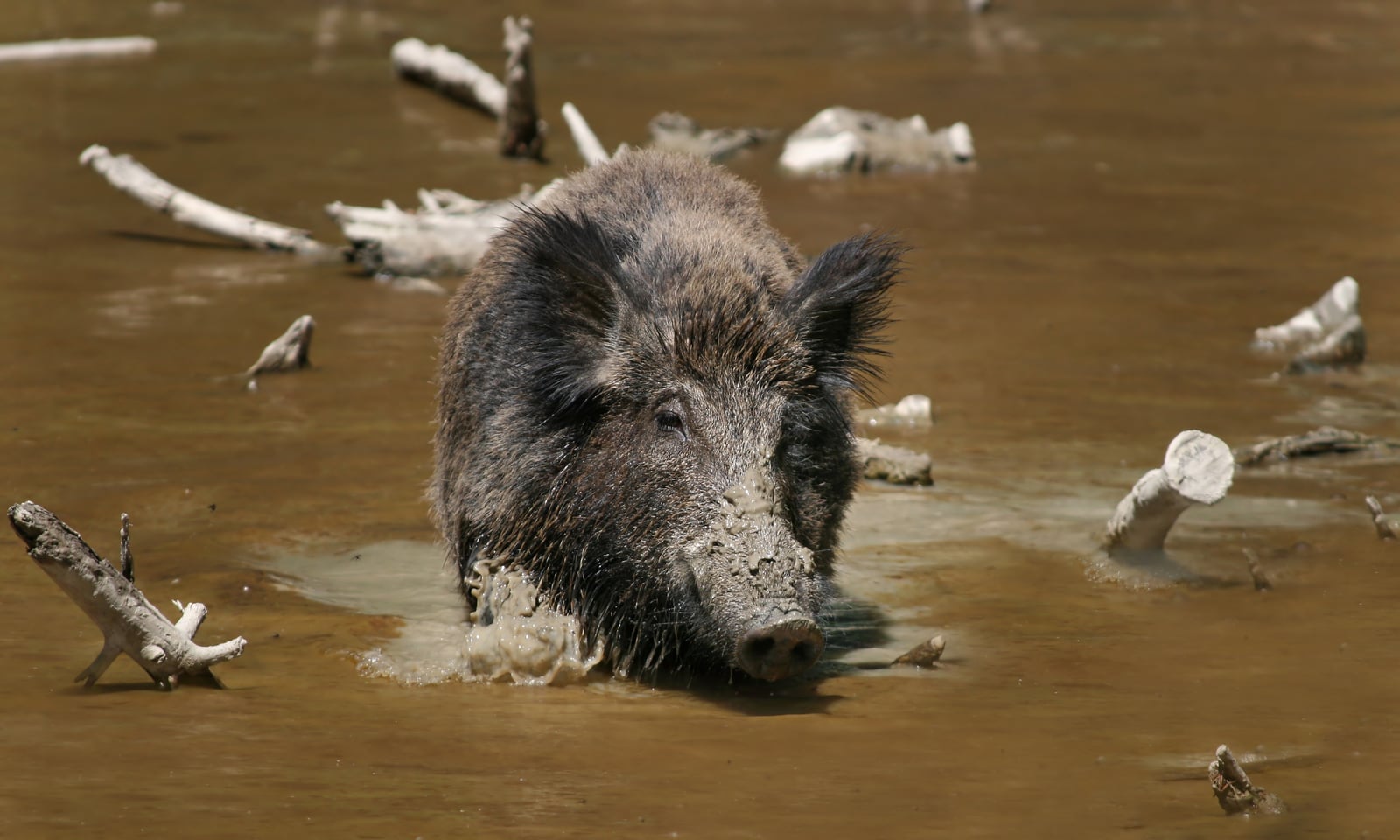
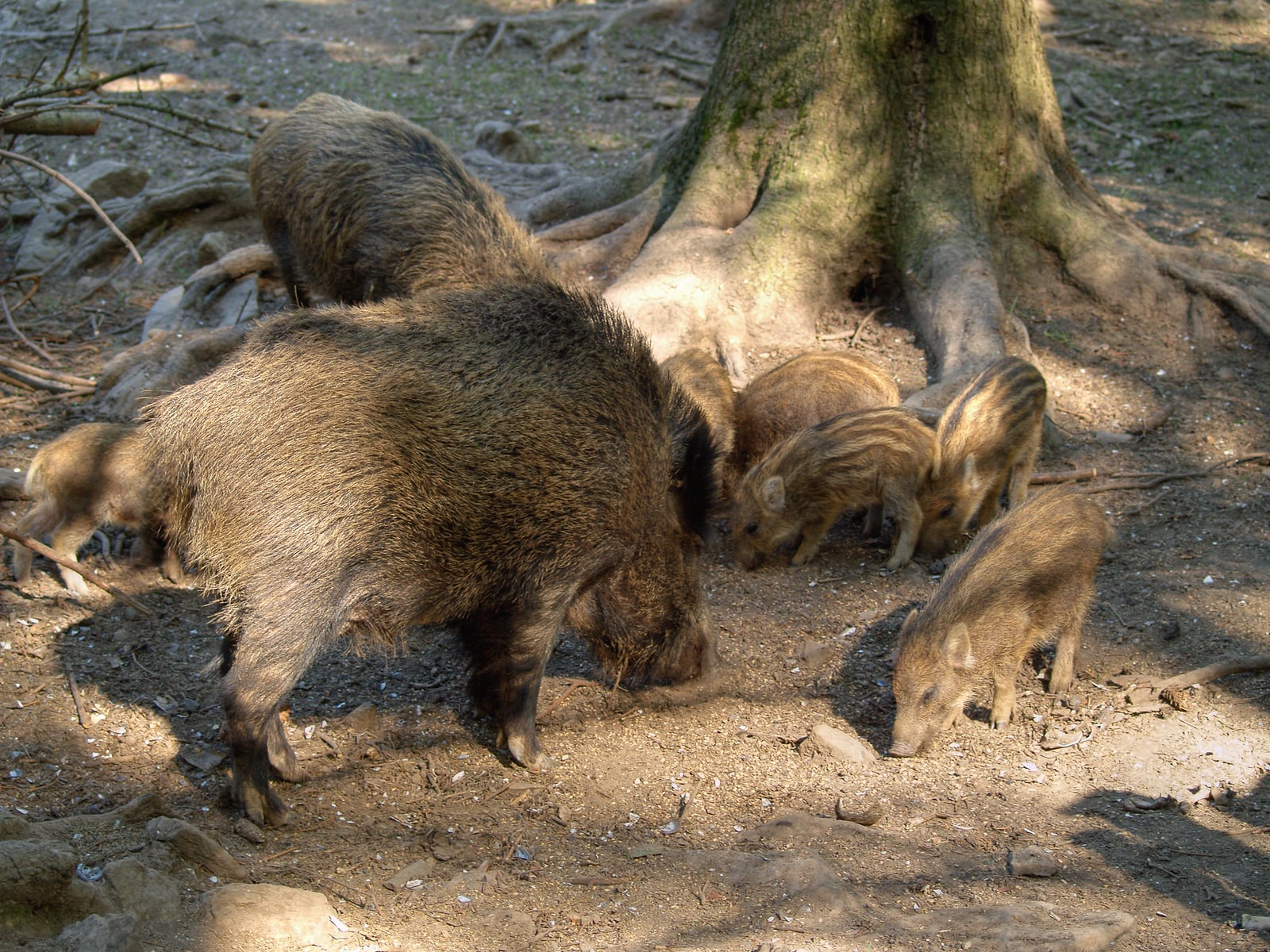
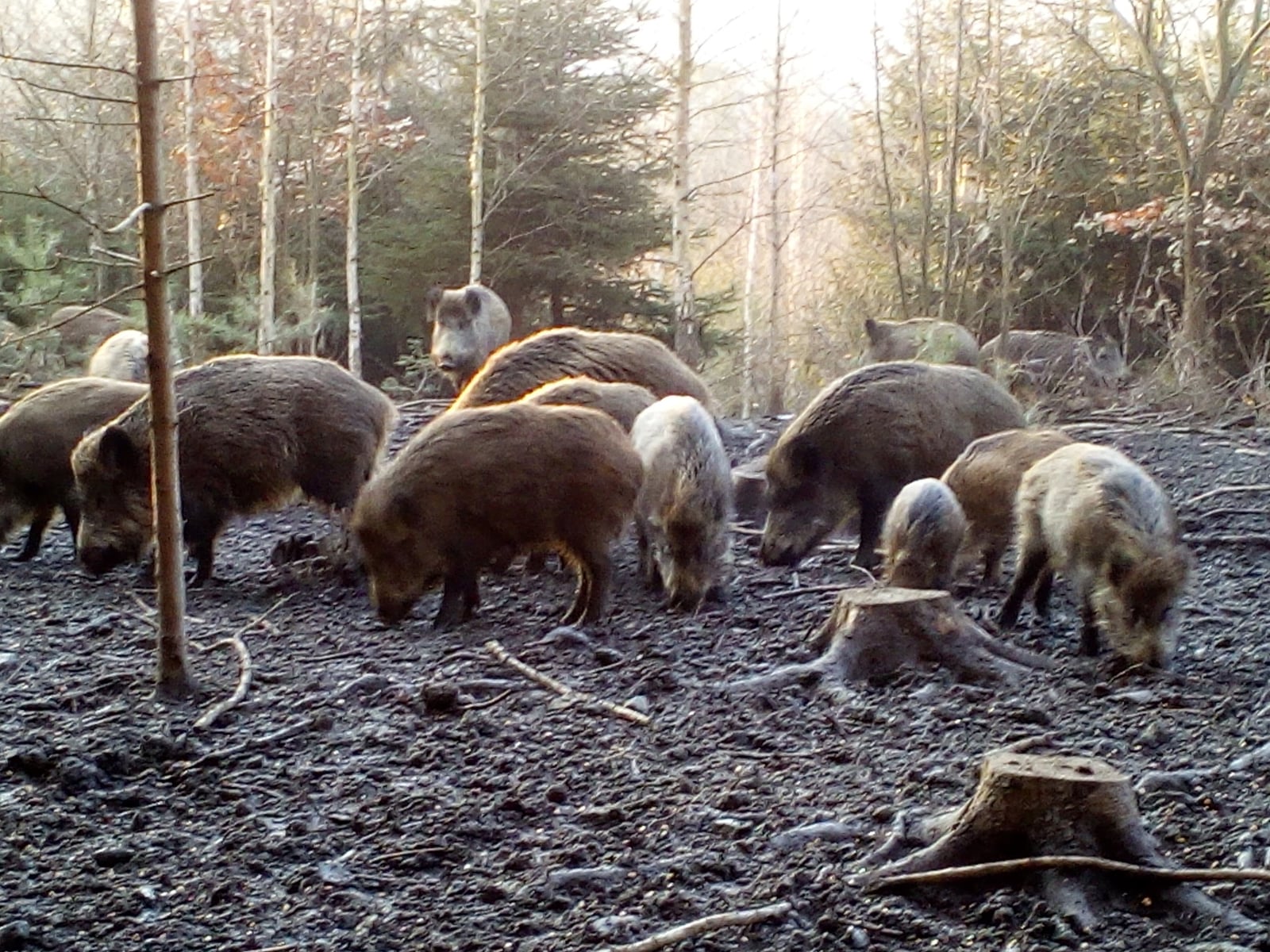
Wild Boar in Louisiana

Sus scrofa

Introduced to Louisiana

Louisiana's Sus scrofa records are of an introduced species; it does not occur here as a wild native population.

IUCN Red List status

  1. LC
  2. NT
  3. VU
  4. EN
  5. CR
  6. EW
  7. EX

LC – Least Concern

Widespread and abundant; not at risk.

Wild Boar in Louisiana, by the numbers

Common in Louisiana 10th most recorded of 72 mammals logged in Louisiana

386 occurrence records
386 with iNaturalist photos
Jul 5, 2026 Last seen in Louisiana

Records from 2000–2026.

386 total records count every Louisiana occurrence from GBIF and iNaturalist; the map plots a georeferenced sample of 300; the monthly chart covers the 369 records with a full observation date.

When to look for the Wild Boar in Louisiana

Most sightings fall in March to April.

369 Louisiana occurrence records (iNaturalist and GBIF) by month of year, 2000–2026. Shows when the species is recorded, not a guarantee of presence.

Monthly Louisiana records (table)
MonthRecords
January33
February25
March51
April39
May23
June21
July21
August23
September21
October41
November31
December40

Monthly wild boar occurrence records (iNaturalist and GBIF) in Louisiana, 2000–2026.

Seasonality

Year-round in Louisiana, with recorded sightings peaking in March–April, with a smaller rise in October–January.

Occurrence map

Where Wild Boar has been recorded in Louisiana

300 records mapped · zoom and drag to explore

300 Louisiana records mapped

Notable places to look

Park, forest, or monumentiNaturalist records
Bayou Sauvage National Wildlife Refuge 17
Pearl River Wildlife Management Area 13
West Pearl River 12
Jean Lafitte National Historical Park and Preserve 11
Palmetto Island State Park 10
Chicot State Park District II 6
Kisatchie National Forest 4
Sherburne Wildlife Management Area/atchafalaya National Wildlife Refuge/bayou Des Ourses Area (usacoe) 2

Protected places with the most wild boar sightings, from the USGS Protected Areas Database plus named mountain ranges, good spots to look, not a full breakdown, so they don't sum to the total.

Where it's recorded in Louisiana

CountyRecords
St. Tammany County 114
Orleans County 30
St. John the Baptist County 19
Vermilion County 17
Jefferson County 16
Madison County 14
Caddo County 14
Rapides County 13
Cameron County 13
West Feliciana County 11
Vernon County 9
East Baton Rouge County 9
31 other counties 107

The complete county distribution, spread across 43 Louisiana counties. Every occurrence record falls in one county, so these sum to the total. Counties from GBIF and US Census boundaries.

Louisiana’s hog records follow its water. St. Tammany Parish, on the north shore of Lake Pontchartrain, leads with 114 of the state’s 386, much of it from the Pearl River swamps along the Mississippi line, where Pearl River Wildlife Management Area and the West Pearl River each turn up a cluster. Orleans Parish comes second with 30, and about half of those are from Bayou Sauvage National Wildlife Refuge, a marsh that sits inside New Orleans city limits. South of the city, the Barataria swamps of Jean Lafitte National Historical Park and Preserve add 11 more, and Palmetto Island State Park in Vermilion Parish carries the record west into the coastal marsh.

Records reach 43 parishes in all, including Caddo in the far northwest and Madison along the Mississippi River. But the heavy weight on swamp and marsh near New Orleans reflects a crowded part of the state with many observers, as well as good hog habitat.

A summer lull

Reports run highest in March, at 51, and stay strong through April. They sag through the warm months, running in the low 20s each month from May through September, then return in October. Heat and insects keep many people out of the swamps in summer, and hogs lie up in shade by day.

Feral hogs are introduced in Louisiana, not native. They’re also one of the state’s most frequently recorded mammals, ninth of 72 by record count.
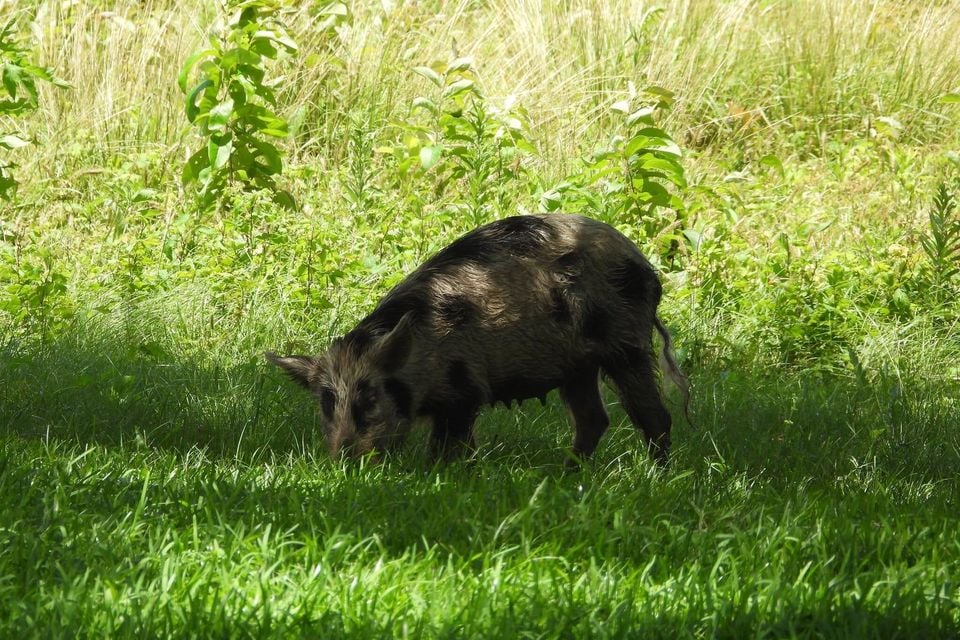
Occurrence data from iNaturalist and GBIF.

Wild Boar in other states

Wild Boar range map (all states)

More mammals in Louisiana in the atlas

Data & sources

The data and visualizations on this page draw on these open sources:

  • GBIFCC-BY 4.0occurrence records behind the range map, elevation, and record counts
  • iNaturalistCC0 / CC-BY / CC-BY-SAobservations, photos, and audio recordings
  • NatureServe ExplorerCC-BYthe state conservation rank
  • IUCN Red Listattributed factthe global conservation status
  • USGS NASpublic domainnative / introduced status
  • Natural Earthpublic domainthe relief basemap
  • USFSpublic domainnational-forest boundaries
  • USGS Protected Areas Databasepublic domainthe named parks, forests, and refuges behind "notable places to look"




