
Oklahoma mammals

Yuma Myotis in Oklahoma

Myotis yumanensis

Native to Oklahoma S3 Vulnerable in Oklahoma

Not listed as nonindigenous in Oklahoma by USGS NAS; native to its Oklahoma range.

IUCN Red List status

  1. LC
  2. NT
  3. VU
  4. EN
  5. CR
  6. EW
  7. EX

LC – Least Concern

Widespread and abundant; not at risk.

Yuma Myotis in Oklahoma, by the numbers

Rare in Oklahoma 85th most recorded of 120 mammals logged in Oklahoma

50 occurrence records
15 with iNaturalist photos
Jul 21, 2025 Last seen in Oklahoma

Records from 2000–2026.

50 total records count every Oklahoma occurrence from GBIF and iNaturalist; the map plots a georeferenced sample of 46; the monthly chart covers the 45 records with a full observation date.

When to look for the Yuma Myotis in Oklahoma

Most sightings fall in June.

45 Oklahoma occurrence records (iNaturalist and GBIF) by month of year, 2000–2026. Shows when the species is recorded, not a guarantee of presence.

Monthly Oklahoma records (table)
MonthRecords
January0
February1
March1
April0
May5
June24
July5
August1
September6
October2
November0
December0

Monthly yuma myotis occurrence records (iNaturalist and GBIF) in Oklahoma, 2000–2026.

Seasonality

Year-round in Oklahoma, with recorded sightings peaking in June.

Occurrence map

Where Yuma Myotis has been recorded in Oklahoma

46 records mapped · zoom and drag to explore

44 Oklahoma records mapped

Notable places to look

Park, forest, or monumentiNaturalist records
CLO Lands 10

Protected places with the most yuma myotis sightings, from the USGS Protected Areas Database plus named mountain ranges, good spots to look, not a full breakdown, so they don't sum to the total.

Where it's recorded in Oklahoma

CountyRecords
Cimarron County 40
Comanche County 1
Beaver County 1
Other localities 8

The complete county distribution, spread across 3 Oklahoma counties. Every occurrence record falls in one county, so these sum to the total. Counties from GBIF and US Census boundaries.

Yuma myotis carry a NatureServe S3 vulnerable rank in Oklahoma, at the eastern edge of a range centered farther west; the record leans toward GBIF (45 of 60 combined records) over iNaturalist, suggesting survey work documents this water-associated bat more than casual sightings do.

Records concentrate from May through October (15 of the year’s 16 monthly-tallied sightings, essentially the entire record), with July’s 5 sightings the single largest month, consistent with warm-season foraging activity over the panhandle’s scattered water sources before the bat becomes undetectable in winter.
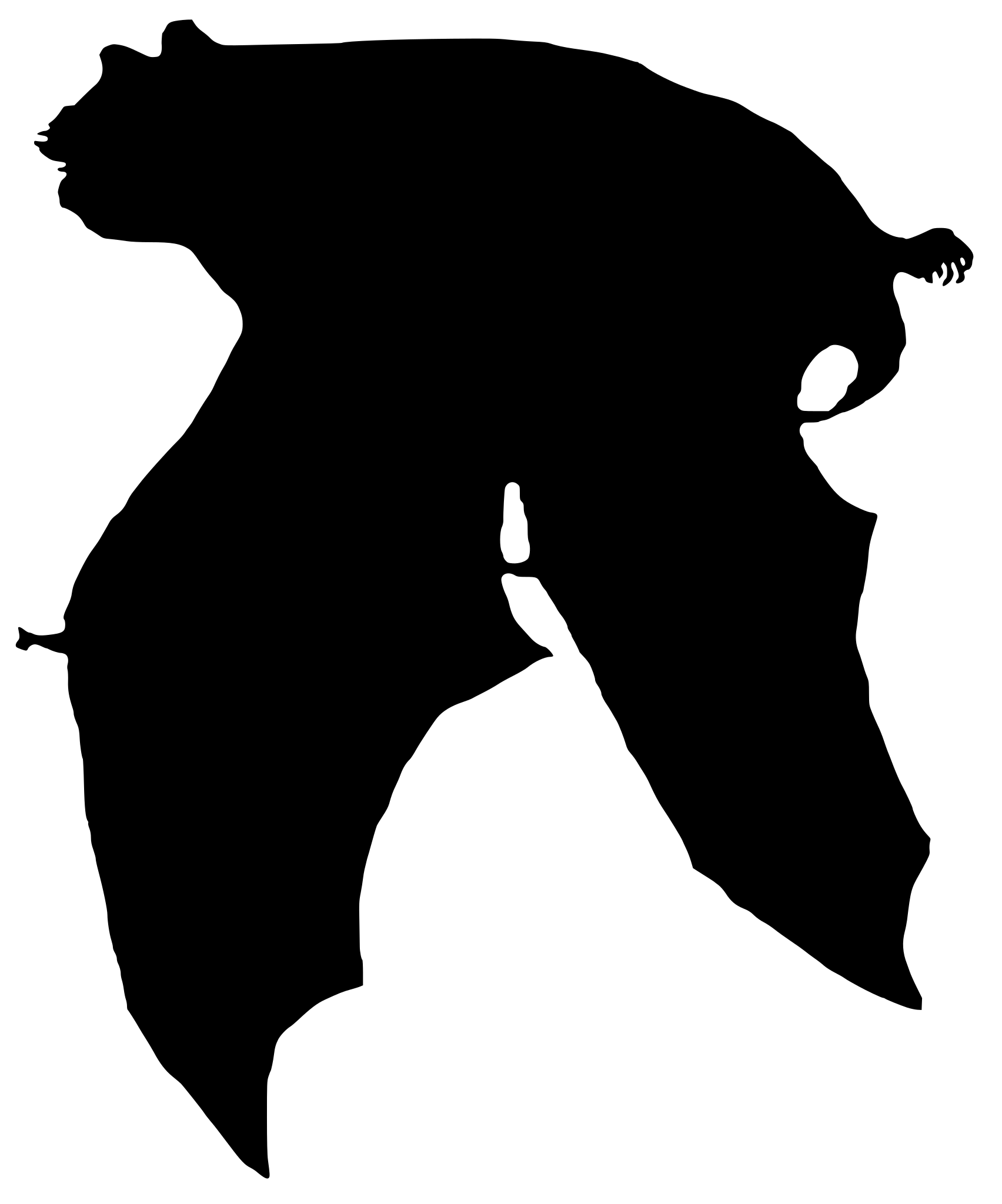
Occurrence data from iNaturalist and GBIF.

More mammals in Oklahoma in the atlas

Data & sources

The data and visualizations on this page draw on these open sources:

  • GBIFCC-BY 4.0occurrence records behind the range map, elevation, and record counts
  • iNaturalistCC0 / CC-BY / CC-BY-SAobservations, photos, and audio recordings
  • NatureServe ExplorerCC-BYthe state conservation rank
  • IUCN Red Listattributed factthe global conservation status
  • USGS NASpublic domainnative / introduced status
  • Natural Earthpublic domainthe relief basemap
  • USFSpublic domainnational-forest boundaries
  • USGS Protected Areas Databasepublic domainthe named parks, forests, and refuges behind "notable places to look"




