
Wyoming mammals

Yuma Myotis in Wyoming

Myotis yumanensis

Native to Wyoming S1 Critically Imperiled in Wyoming

Not listed as nonindigenous in Wyoming by USGS NAS; native to its Wyoming range.

IUCN Red List status

  1. LC
  2. NT
  3. VU
  4. EN
  5. CR
  6. EW
  7. EX

LC – Least Concern

Widespread and abundant; not at risk.

Yuma Myotis in Wyoming, by the numbers

Rare in Wyoming 93rd most recorded of 126 mammals logged in Wyoming

11 occurrence records

Records from 2000–2026.

When to look for the Yuma Myotis in Wyoming

Most sightings fall in August.

11 Wyoming occurrence records (iNaturalist and GBIF) by month of year, 2000–2026. Shows when the species is recorded, not a guarantee of presence. Based on a small number of dated records; the seasonal pattern may not be representative.

Monthly Wyoming records (table)
MonthRecords
January0
February0
March0
April1
May1
June2
July1
August5
September1
October0
November0
December0

Monthly yuma myotis occurrence records (iNaturalist and GBIF) in Wyoming, 2000–2026.

Seasonality

Sparse observation record in Wyoming; presence confirmed but timing of activity not well documented.

Occurrence map

Where Yuma Myotis has been recorded in Wyoming

11 records mapped · zoom and drag to explore

11 Wyoming records mapped

Notable places to look

Park, forest, or monumentiNaturalist records
Fossil Butte National Monument 1
Teton Wilderness 1

Protected places with the most yuma myotis sightings, from the USGS Protected Areas Database plus named mountain ranges, good spots to look, not a full breakdown, so they don't sum to the total.

Where it's recorded in Wyoming

CountyRecords
Lincoln County 4
Big Horn County 2
Sheridan County 2
Natrona County 1
Sweetwater County 1
Teton County 1

The complete county distribution, spread across 6 Wyoming counties. Every occurrence record falls in one county, so these sum to the total. Counties from GBIF and US Census boundaries.

Wyoming holds eleven records of the yuma myotis, and they’re scattered from corner to corner: Lincoln County in the southwest leads with four, while Big Horn and Sheridan in the north, plus Natrona, Sweetwater, and Teton, each contribute one or two. Named spots include Fossil Butte National Monument and the Teton Wilderness, both sitting near the rivers this bat hunts over.

Records run from April into September, with August the busiest month. The yuma myotis forages low over open water, so any Wyoming sighting is tied to a river, reservoir, or marsh, and the record’s thinness likely owes as much to dark, difficult survey work as to the bat itself.

NatureServe ranks it S1, critically imperiled, in Wyoming, even though the species is considered secure across its full western range. That contrast marks Wyoming as the cold, high edge of the bat’s world. Whether it’s a rare resident, a seasonal visitor, or simply undercounted along the state’s big rivers is exactly the kind of question eleven records can’t answer.
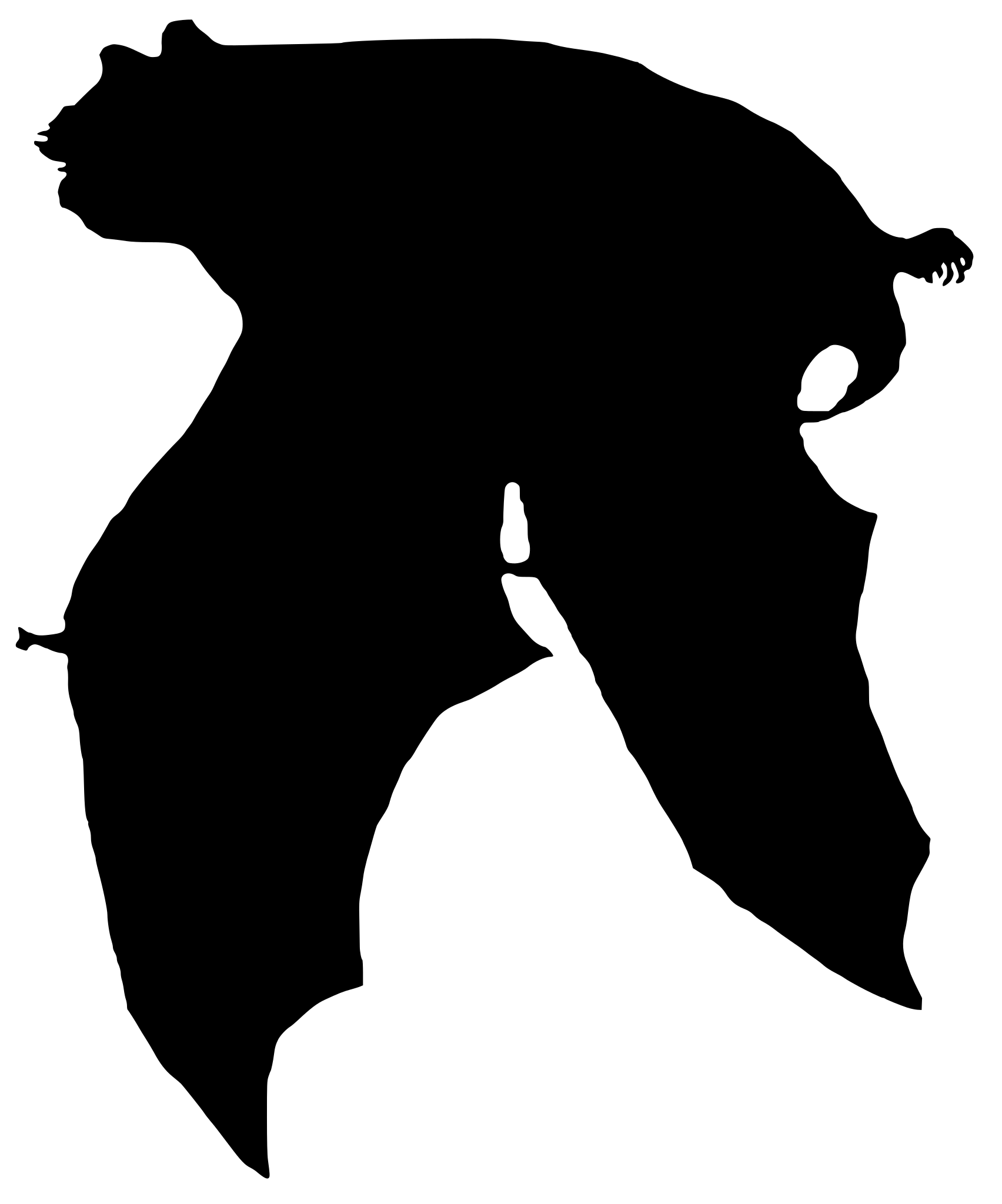
Occurrence data from GBIF.

More mammals in Wyoming in the atlas

Data & sources

The data and visualizations on this page draw on these open sources:

  • GBIFCC-BY 4.0occurrence records behind the range map, elevation, and record counts
  • iNaturalistCC0 / CC-BY / CC-BY-SAobservations, photos, and audio recordings
  • NatureServe ExplorerCC-BYthe state conservation rank
  • IUCN Red Listattributed factthe global conservation status
  • USGS NASpublic domainnative / introduced status
  • Natural Earthpublic domainthe relief basemap
  • USFSpublic domainnational-forest boundaries
  • USGS Protected Areas Databasepublic domainthe named parks, forests, and refuges behind "notable places to look"




