Skip to content
Outforia
  • Wildlife
  • Atlas
  • Plants
  • Destinations
  • How-To
  • Research
  • Tools
  • Topics
  • About Us
  • Wildlife
  • Atlas
  • Plants
  • Destinations
  • How-To
  • Research
  • Tools
  • Topics
  • About Us

The Outforia Field Guide

Page 4 of 45

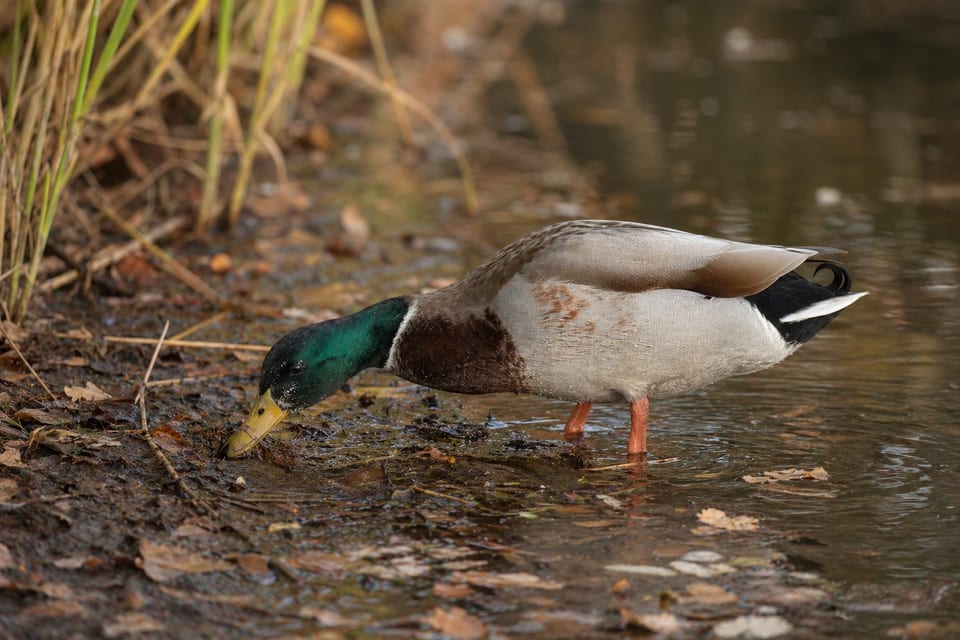
A male mallard dips its bill to the muddy edge of a pond, foraging among fallen leaves and reeds
Wildlife

Why You Shouldn’t Feed Ducks Bread + 6 Suitable Alternatives

Bread harms ducks through poor nutrition, overcrowding, rats, and disease. Feed sweetcorn, lettuce, oats, rice, seeds, and peas instead.

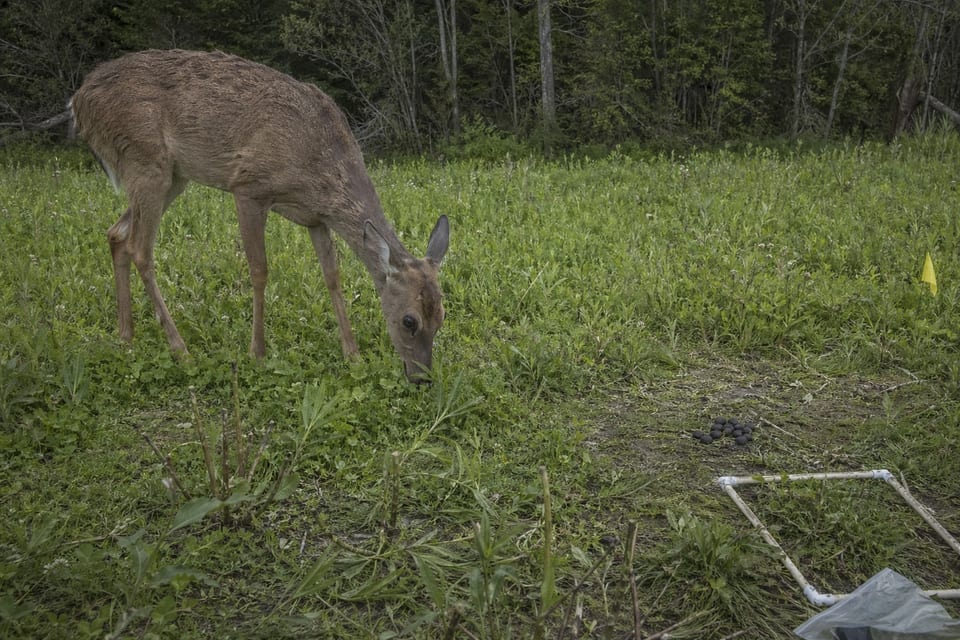
A deer grazing in a grassy clearing near a pile of droppings and a white pipe sampling frame
Natural World

How Do Animals Get Nitrogen? From Air to Organism

Animals get nitrogen by eating plants or other animals that contain converted nitrogen in proteins and amino acids; the nitrogen cycle enables this.

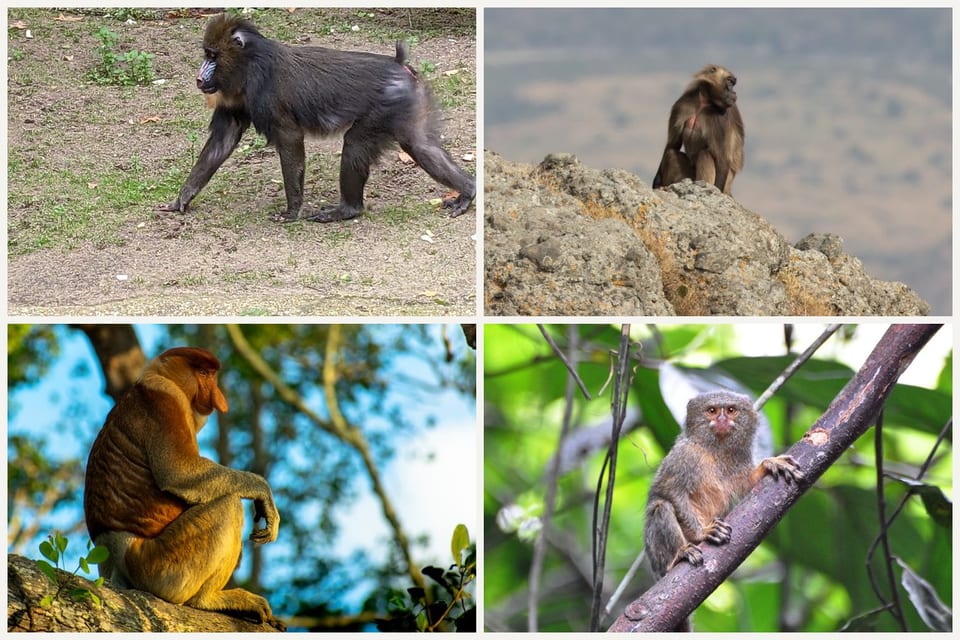
Four monkeys: a mandrill walking, a gelada on a rock, a proboscis monkey in a tree, and a pygmy marmoset on a branch
Wildlife

25 Remarkable Types of Monkeys: An Exploration Through The Wild

Meet 25 monkey species spanning 260+ types globally, from tiny pygmy marmosets to massive mandrills, each with unique social behaviors.

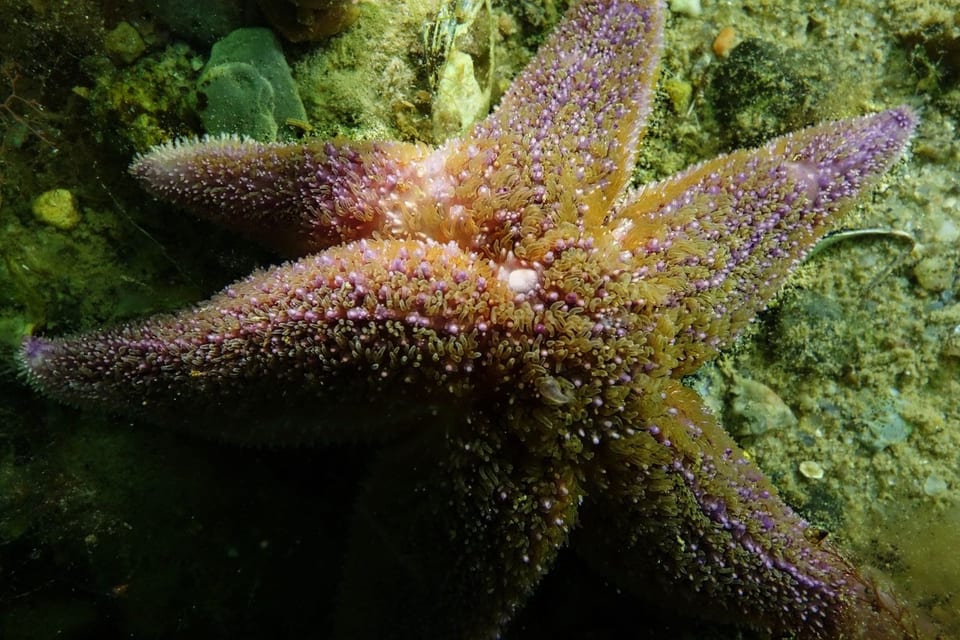
Common starfish on a rocky seabed, its purple and orange arms and central disc covered in tiny spines and soft tube feet
Wildlife

How Do Starfish Reproduce? A Deep Dive into the Dual Modes of Starfish Reproduction

Starfish broadcast spawn sexually by releasing millions of eggs and sperm, or clone themselves asexually via fissiparity and autonomy.

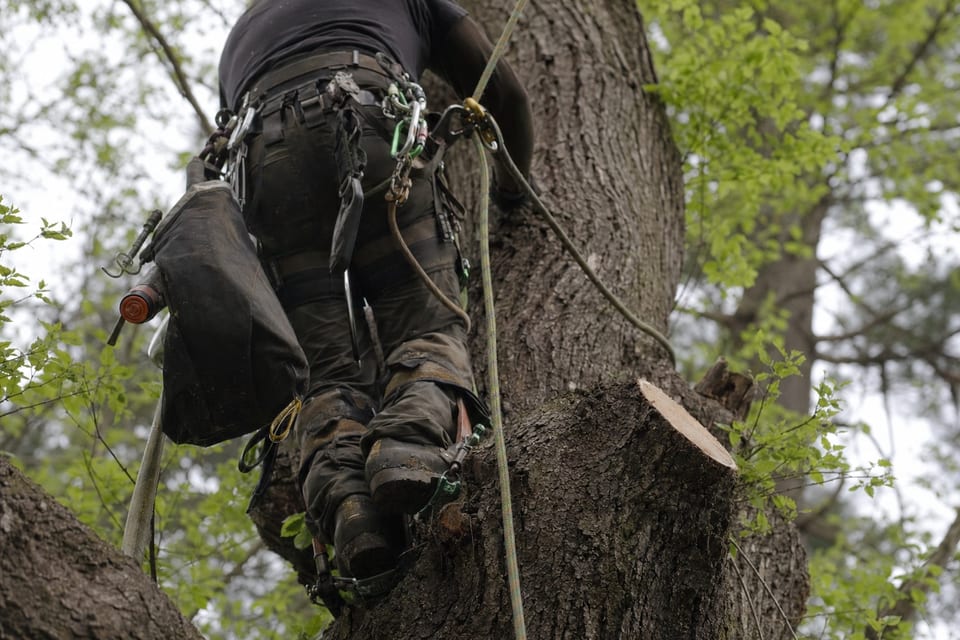
An arborist in a climbing harness and gear-laden belt scales a large tree trunk beside a freshly cut limb stump
How-To

The Science of Tree Care and Maintenance: What is an Arborist?

Arborists are tree care professionals who maintain individual trees through pruning, trimming, disease diagnosis, and removal. Entry-level positions require a high school diploma.

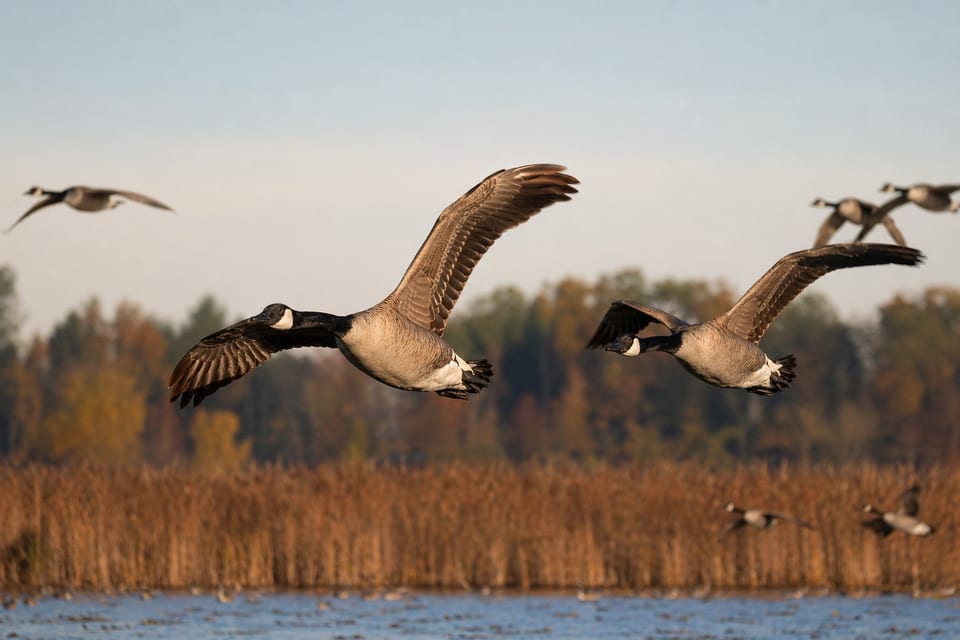
Geese flying low over a lake in warm autumn light, with golden reeds and colorful trees behind them
Wildlife

Crossing Borders: A Look at the Lives of 24 Animals That Migrate

24 migratory animals from arctic terns flying 25,000 miles to wildebeests crossing 500 miles travel seasonally seeking food, breeding grounds, and optimal climates.

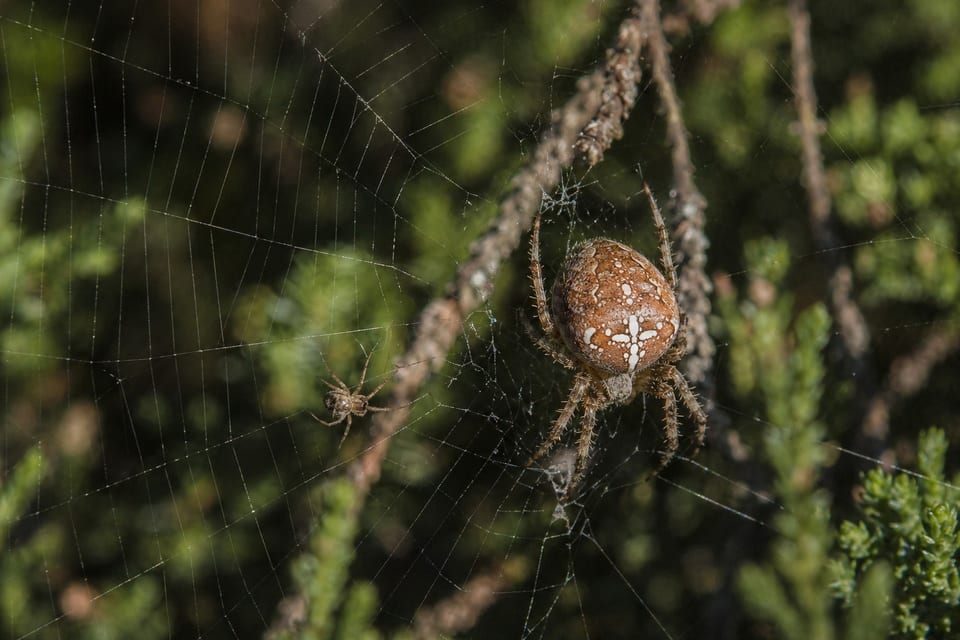
A large brown orb-weaver spider sits in its sunlit web while a much smaller spider hangs near the left edge
Wildlife

How Do Spiders Mate? From Courtship to Cannibalism

Male spiders use risky courting tactics to avoid female cannibalism, including dancing, gift-wrapping, tying up, and drumming rhythms.

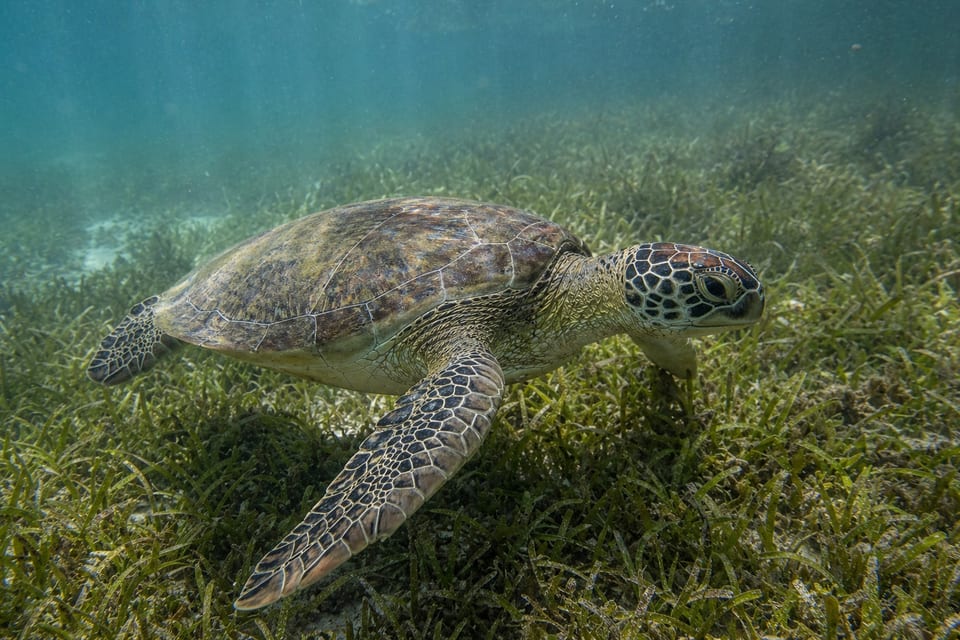
A green sea turtle glides low over a swaying seagrass meadow in clear, turquoise shallow water
Wildlife

Facing the Waves: A Deep Dive into the Endangered World of Green Sea Turtles

Green sea turtles are the largest hard-shelled sea turtles globally, endangered due to poaching, fishing bycatch, and climate change threats.

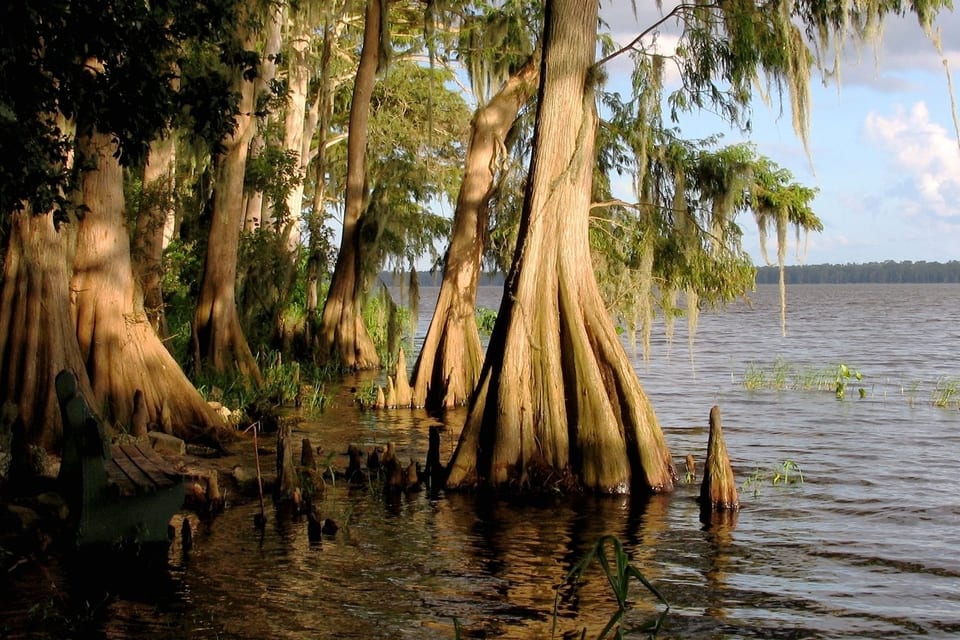
Bald cypress trunks with flared bases and knees standing in a lake at golden hour, Spanish moss hanging from the branches
Plant Life

33 Types of Florida Trees to Look for in the Sunshine State

Identify 33 tree species in Florida, from iconic live oaks to hardy bald cypress and rare torreya trees.

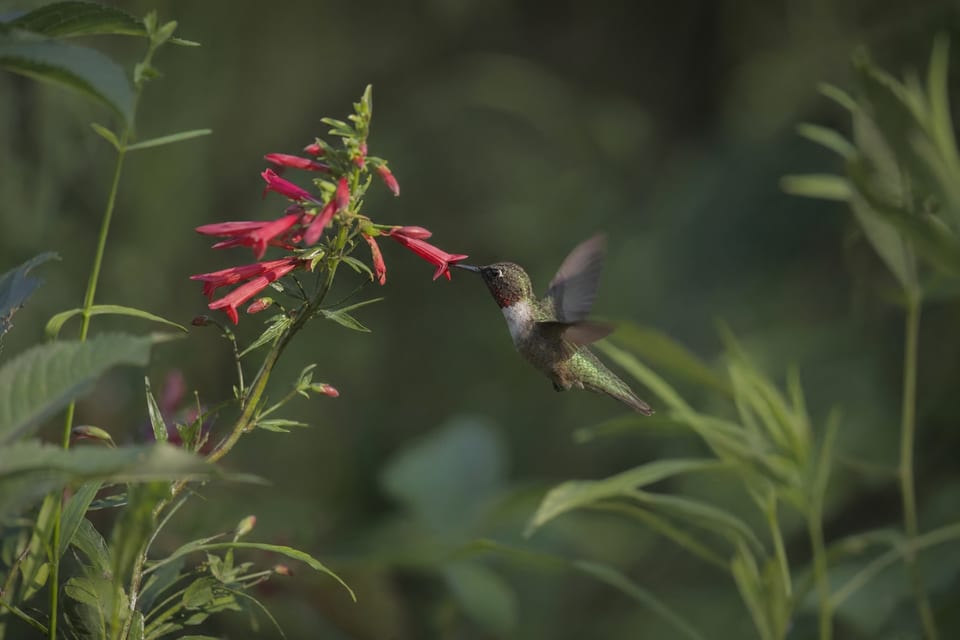
A hummingbird hovers with blurred wings to feed from a cluster of red tubular flowers against a dark green background
Wildlife

Unveiling Nature’s Aerial Acrobats: 23 Types of Hummingbirds

Discover 23 hummingbird species across the Americas with iridescent plumage, rapid wing beats up to 80 times per second, and remarkable migration abilities.

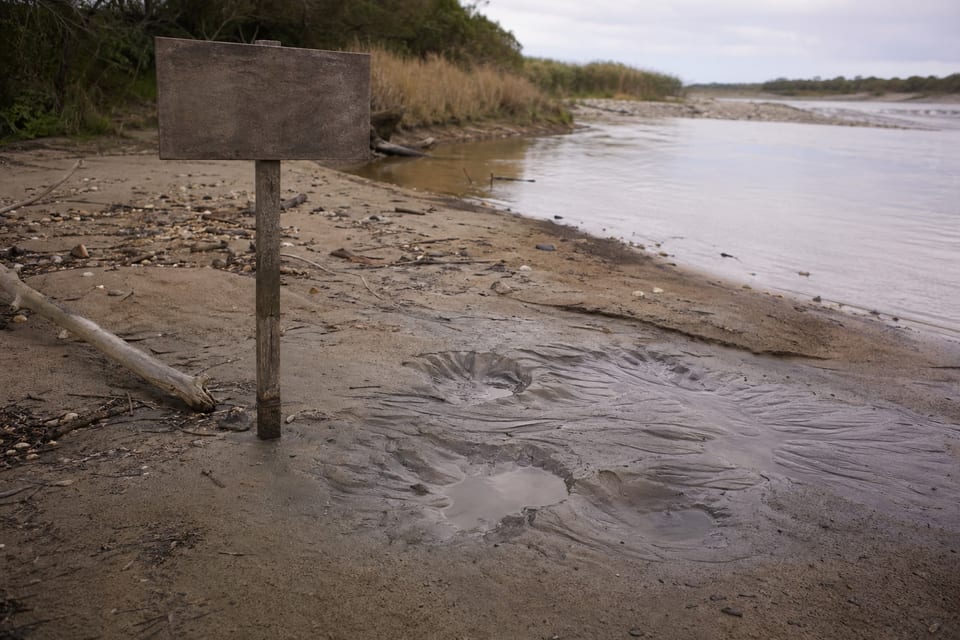
A blank wooden sign on a post beside swirling ripples in wet sand on a muddy bank near a slow river
How-To

Quicksand Debunked: Where Is Quicksand Found in Reality?

Quicksand forms near moving water and river mouths worldwide. Discover hotspots, avoidance tips, and the surprising physics behind this non-Newtonian fluid.

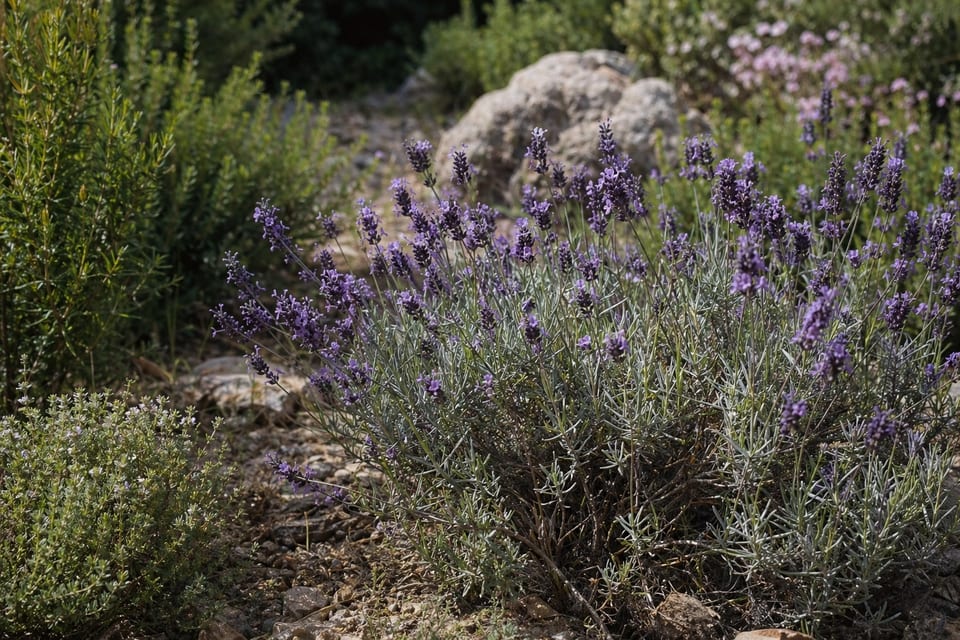
A mature lavender bush covered in purple flower spikes grows among rocks and other Mediterranean herbs
Plant Life

Is Lavender a Perennial? Unearthing Facts About The Fragrant Herb

Lavender is a perennial herb that survives temperate winters by going dormant, with English lavender lasting up to 15 years.
← Newer Page 4 / 45 Older →
Outforia

Your stepping stone to outdoor wonder.

Explore

  • Species Atlas
  • Species directory
  • Compare species
  • Wildlife
  • Natural World
  • Plants
  • Gardening
  • Destinations
  • Camping
  • Hiking
  • How-To
  • Research
  • Interactive tools
  • All topics →

About

  • About Outforia
  • Editorial policy
  • Contact
  • Press
  • Privacy

© 2026 Outforia · Published by CJB AS · Org. nr. 836 856 252 MVA

Privacy · Editorial policy

Latest articles

  • Wildlife Snakes in Alabama: 46 Types and How to Identify Them
  • Wildlife Snakes in California: 47 Types and How to Identify Them
  • Wildlife Snakes in Louisiana: 49 Types and How to Identify Them
  • Wildlife Snakes in Mississippi: 44 Types and How to Identify Them
  • Wildlife Snakes in North Carolina: 38 Types and How to Identify Them

    Nothing on yet, but our wildlife desk takes requests.

    Browse the latest articles

    Search is unavailable right now. Try again in a moment, or browse the latest articles.