Wildlife
40 Types of Moths: Day-Flyers, Night-Crawlers, and Everything in Between
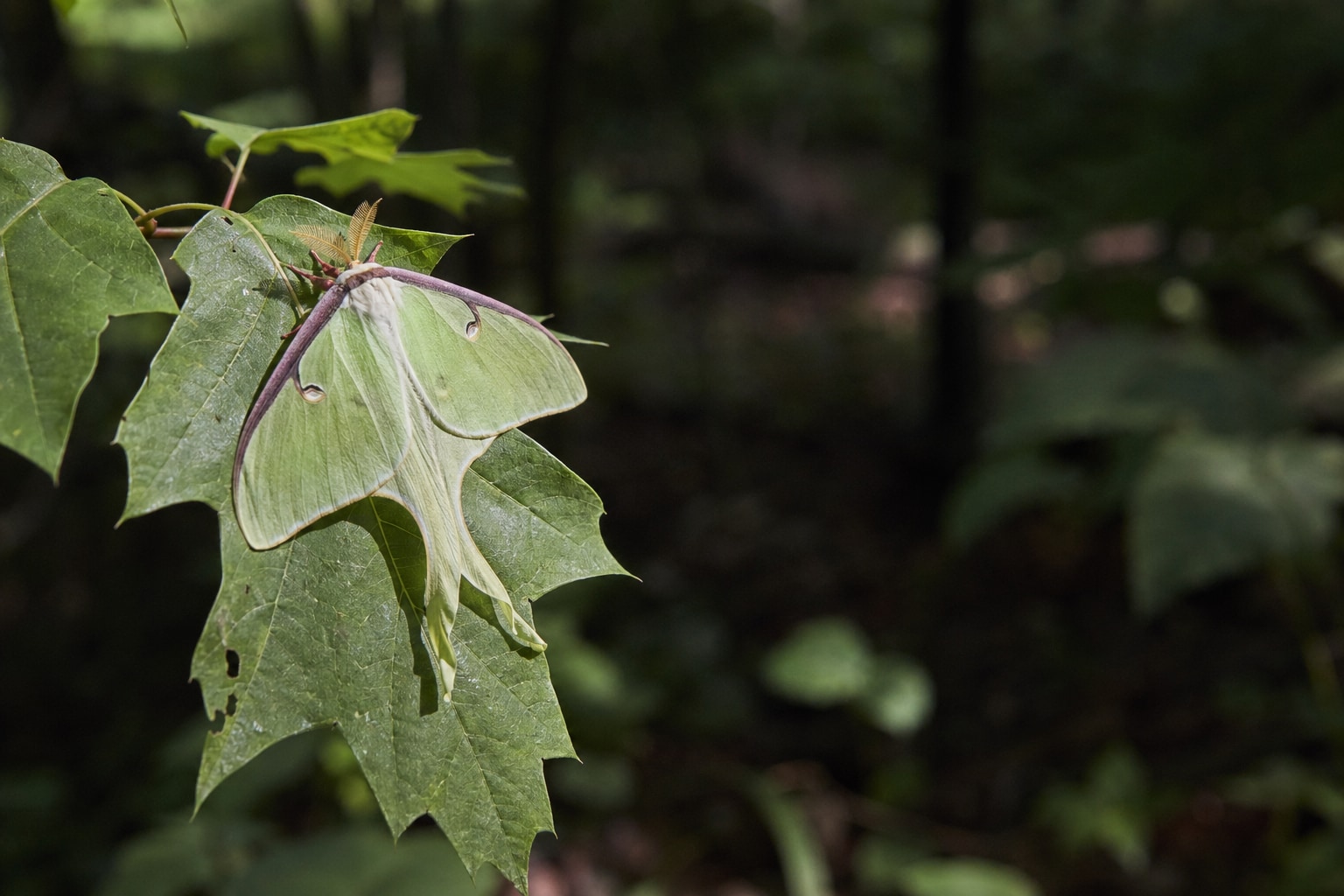
Discover 40 moth species from 160,000 total types worldwide, including luna moths, death's-head hawkmoths, and gypsy moths.
Discover 40 moth species from 160,000 total types worldwide, including luna moths, death's-head hawkmoths, and gypsy moths.
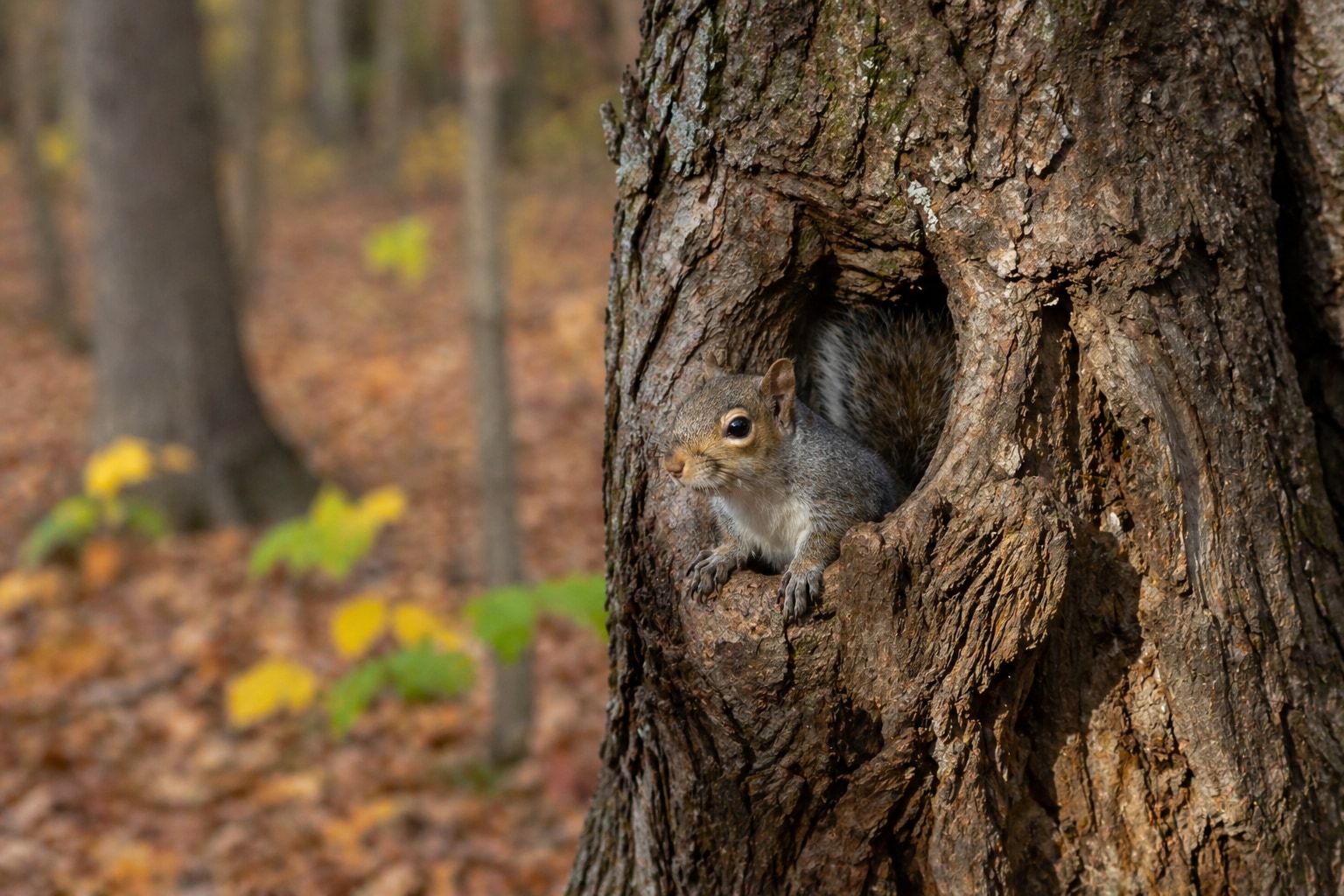
40 arboreal animals from gibbons traveling 35 mph to orangutans weighing 183 pounds live in trees with specialized adaptations like opposable thumbs and prehensile tails.
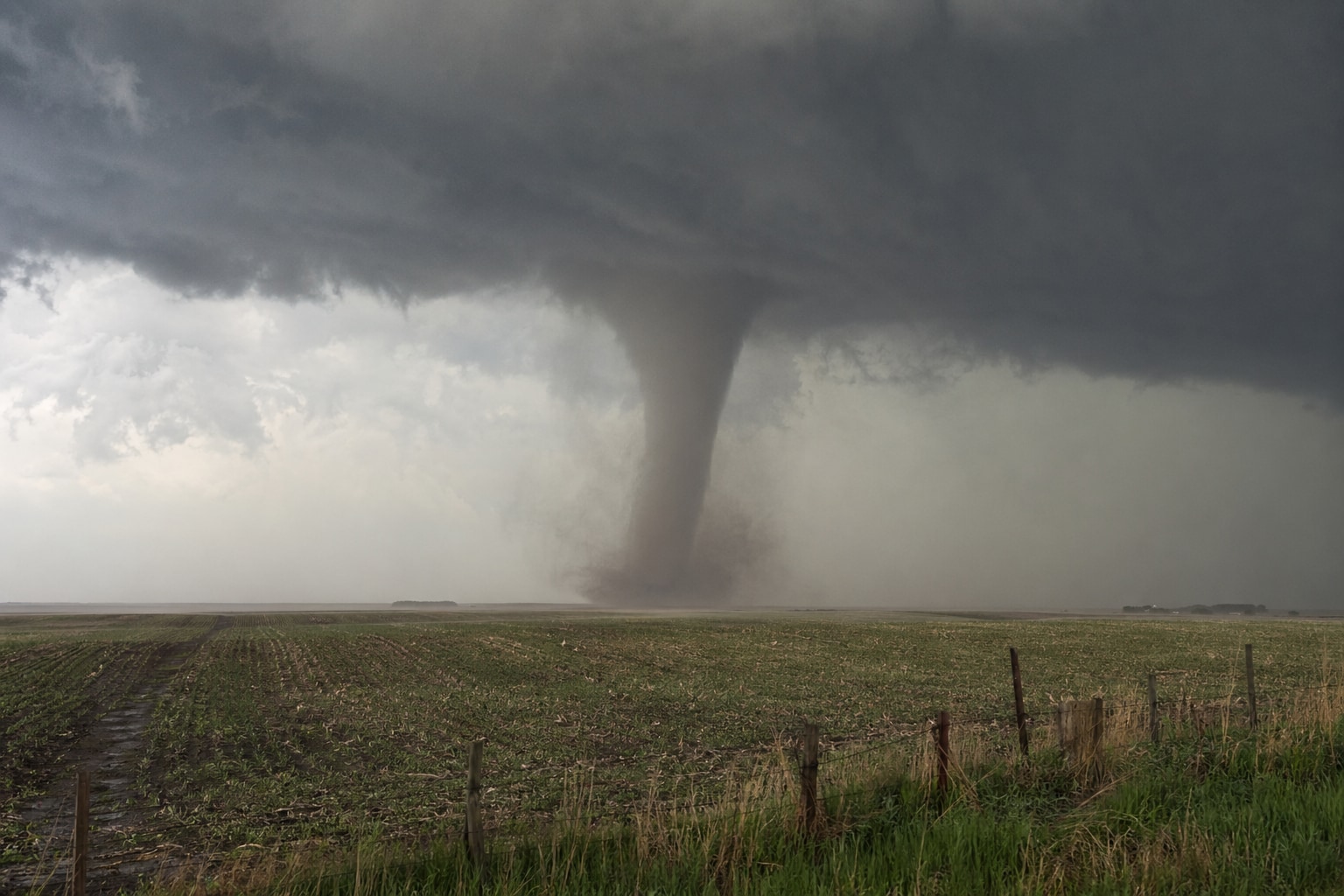
Discover how warm and cold air collide to create spinning tornadoes, why Tornado Alley sees the most activity, and the Enhanced Fujita scale.
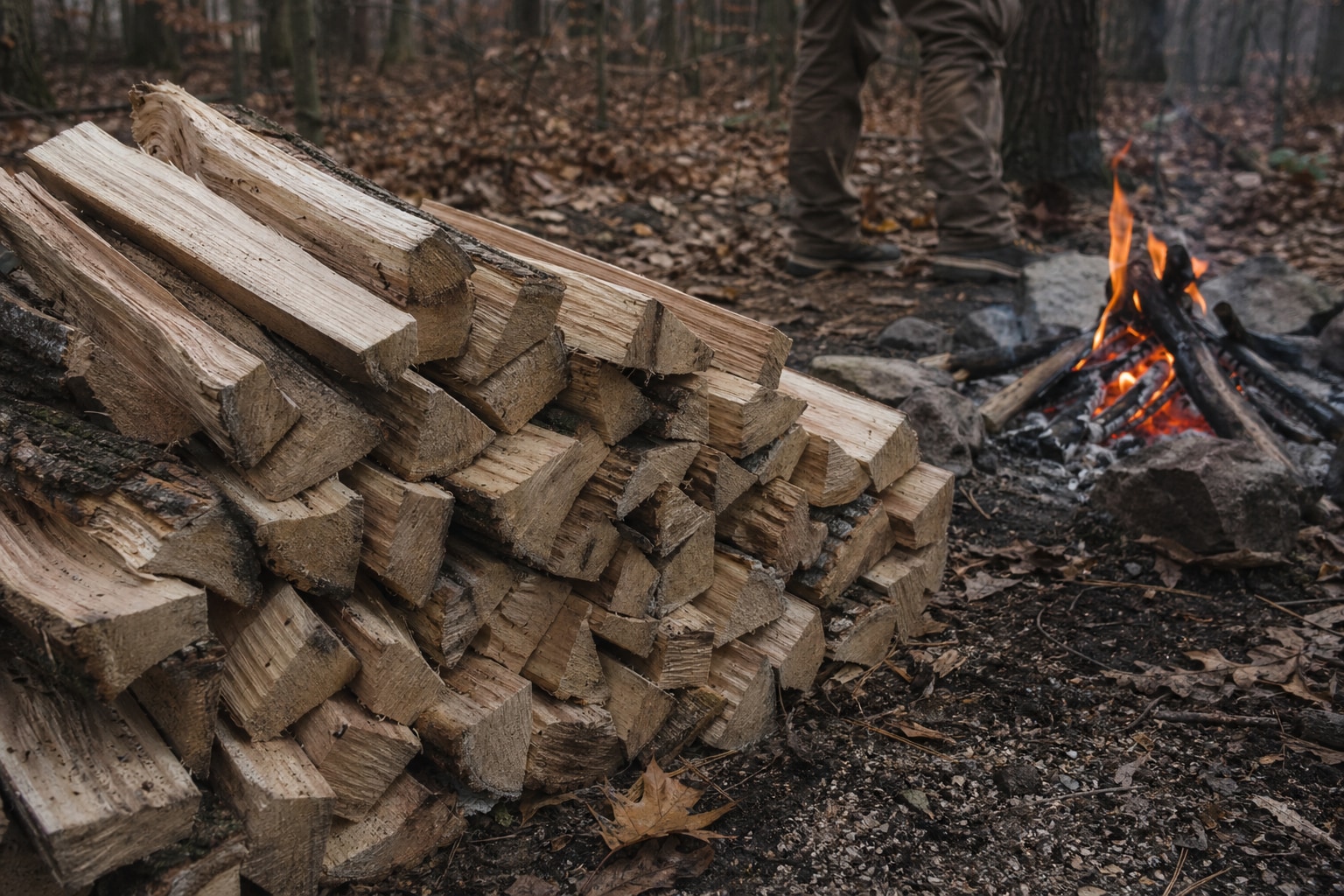
Ash, oak, and hickory are superior hardwoods for campfires and cooking, burning hot and long, while pine and cedar ignite quickly but create sparks and tar.
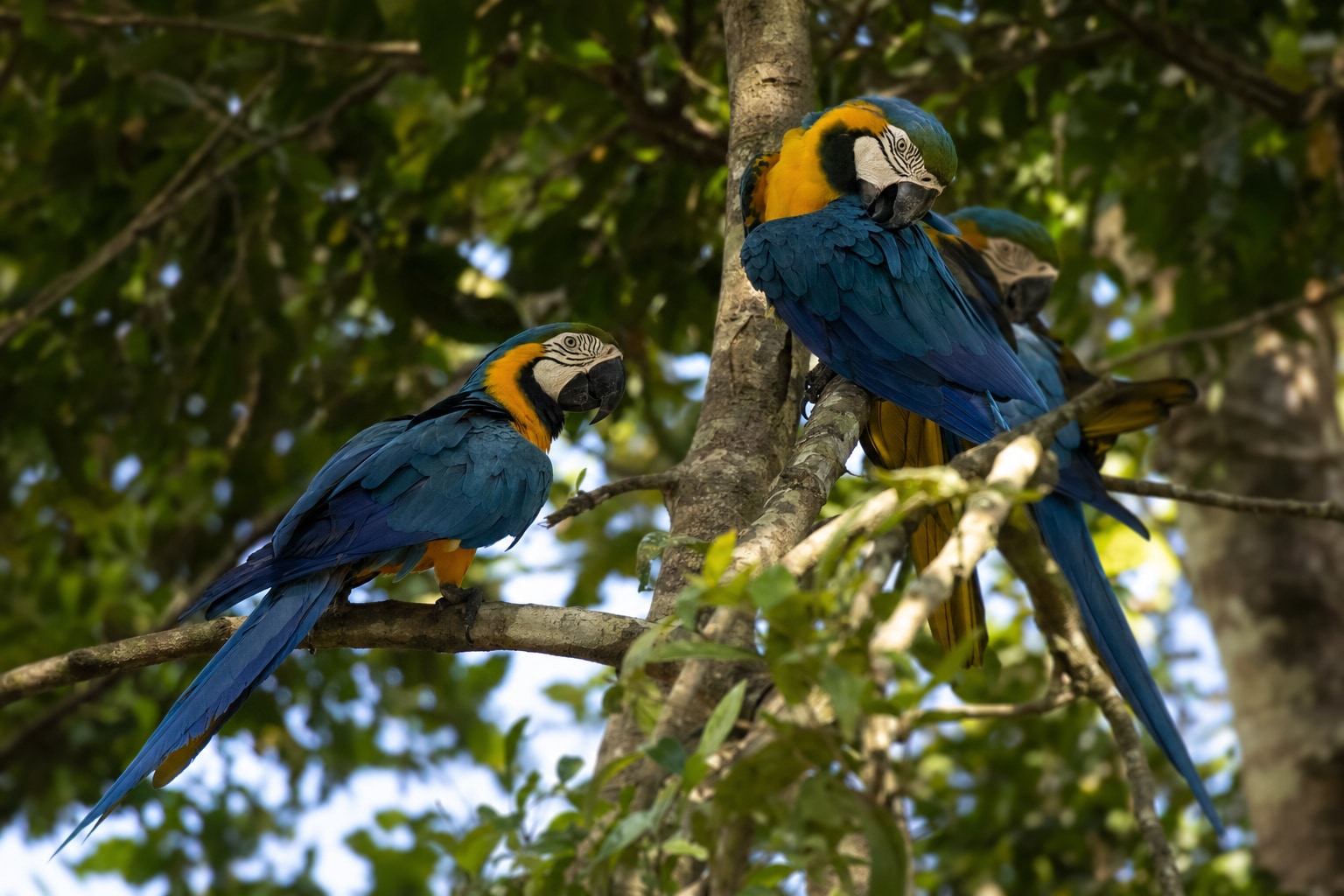
19 macaw species range from giant hyacinth macaws to tiny red-shouldered mini-macaws, with several critically endangered and 2 already extinct.
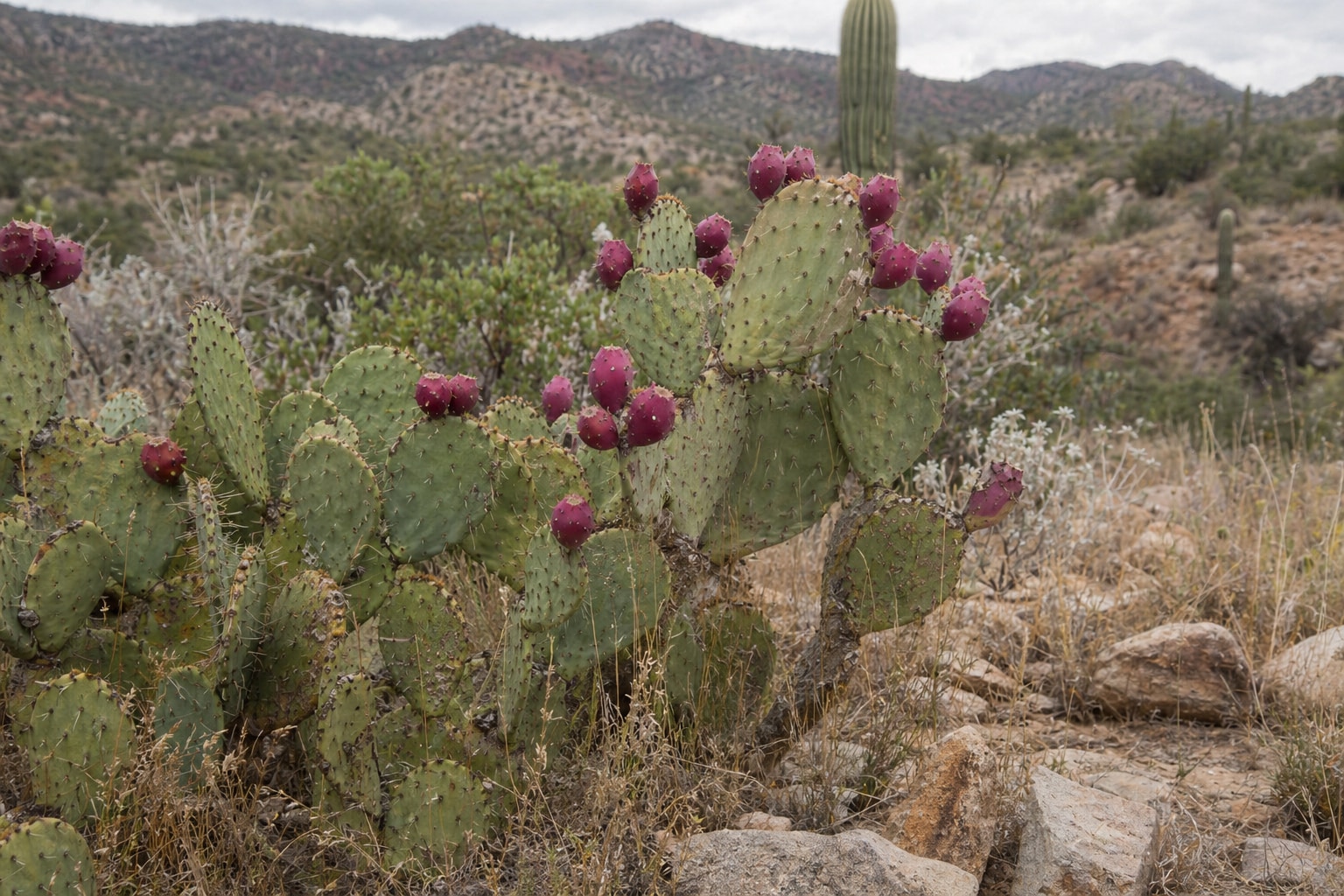
Discover 20 edible wild plants globally, from prickly pear cacti to guarana, with safe identification tips and traditional preparation methods.
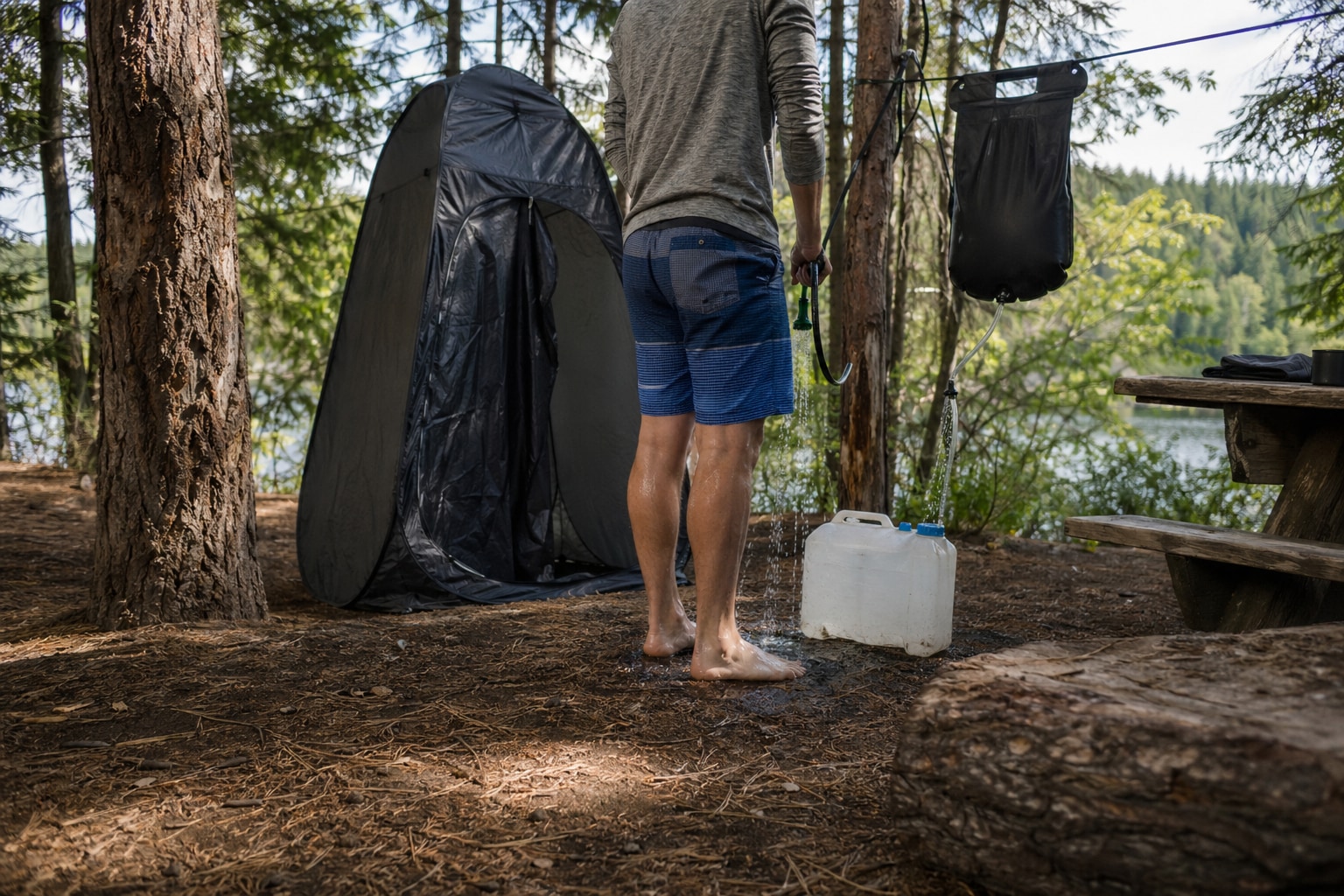
Five methods for staying clean while camping; from wild swimming to sponge baths, privacy tents, and car showers that keep you fresh.
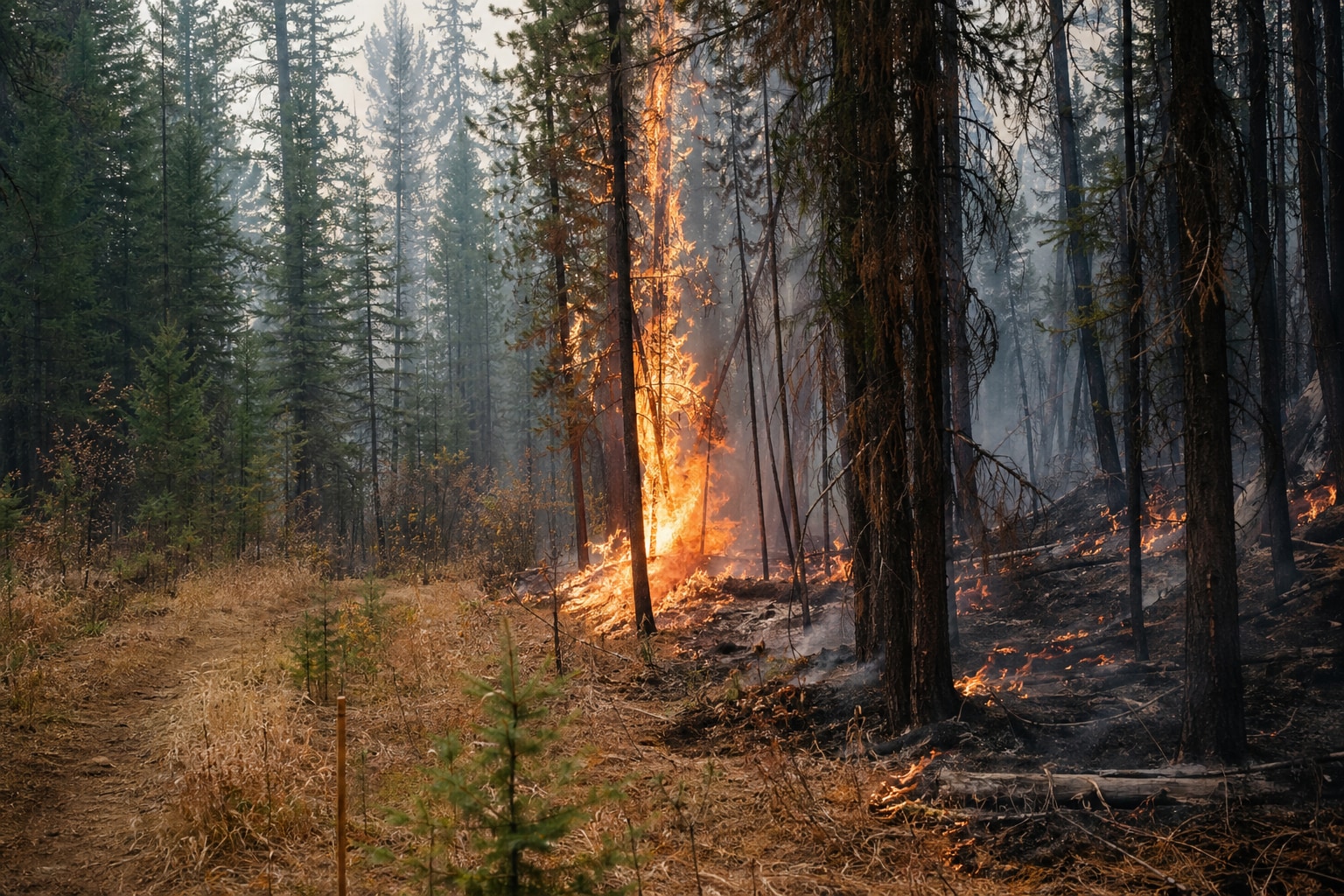
Explore wildfire causes, the fire triangle's fuel-oxygen-heat formula, the 5-level danger scale, and how weather, topography, and fuel drive spread.
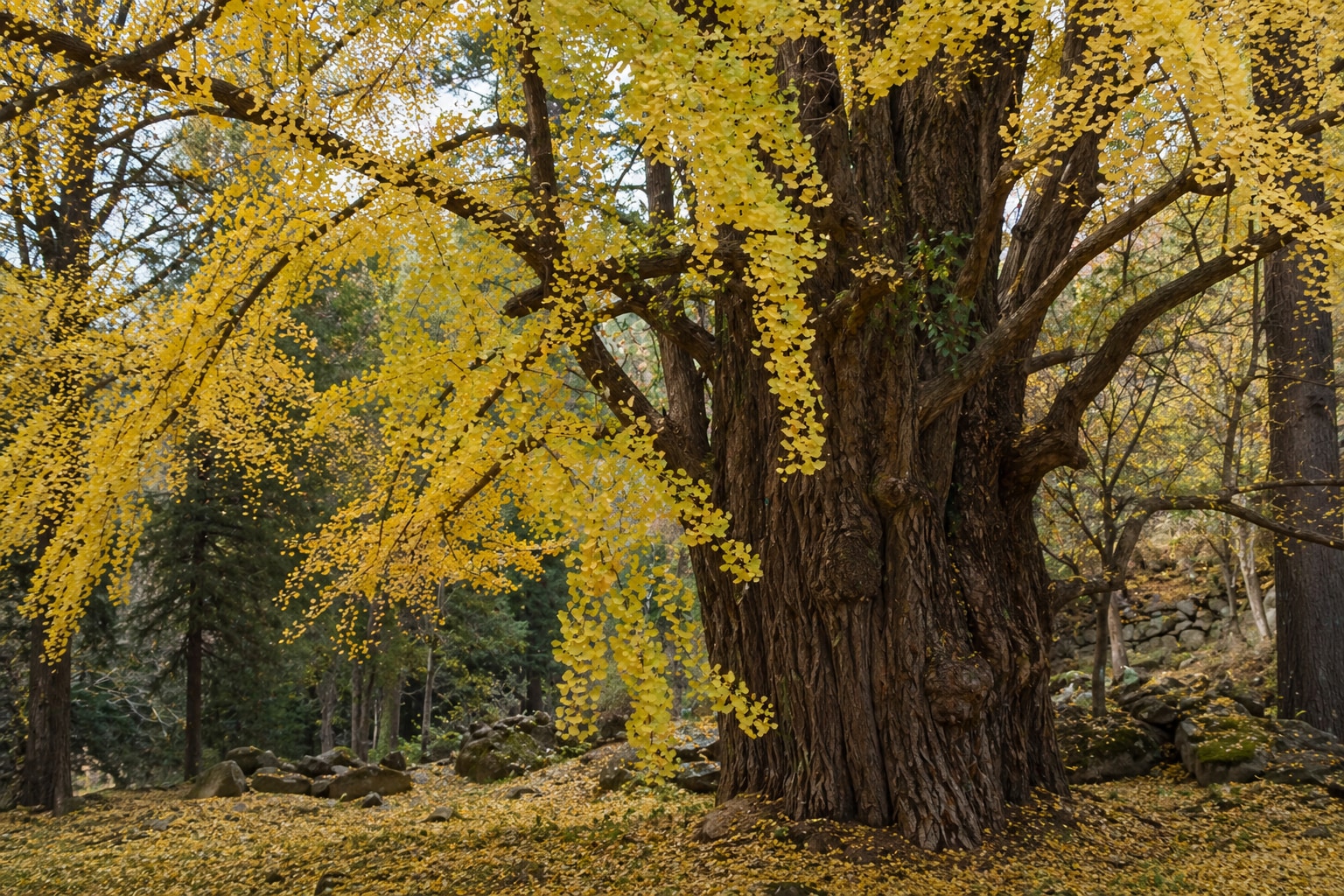
Ancient trees are exceptionally old specimens marked by large trunks, fissured bark, and bare branches; dating uses growth rings and carbon testing.
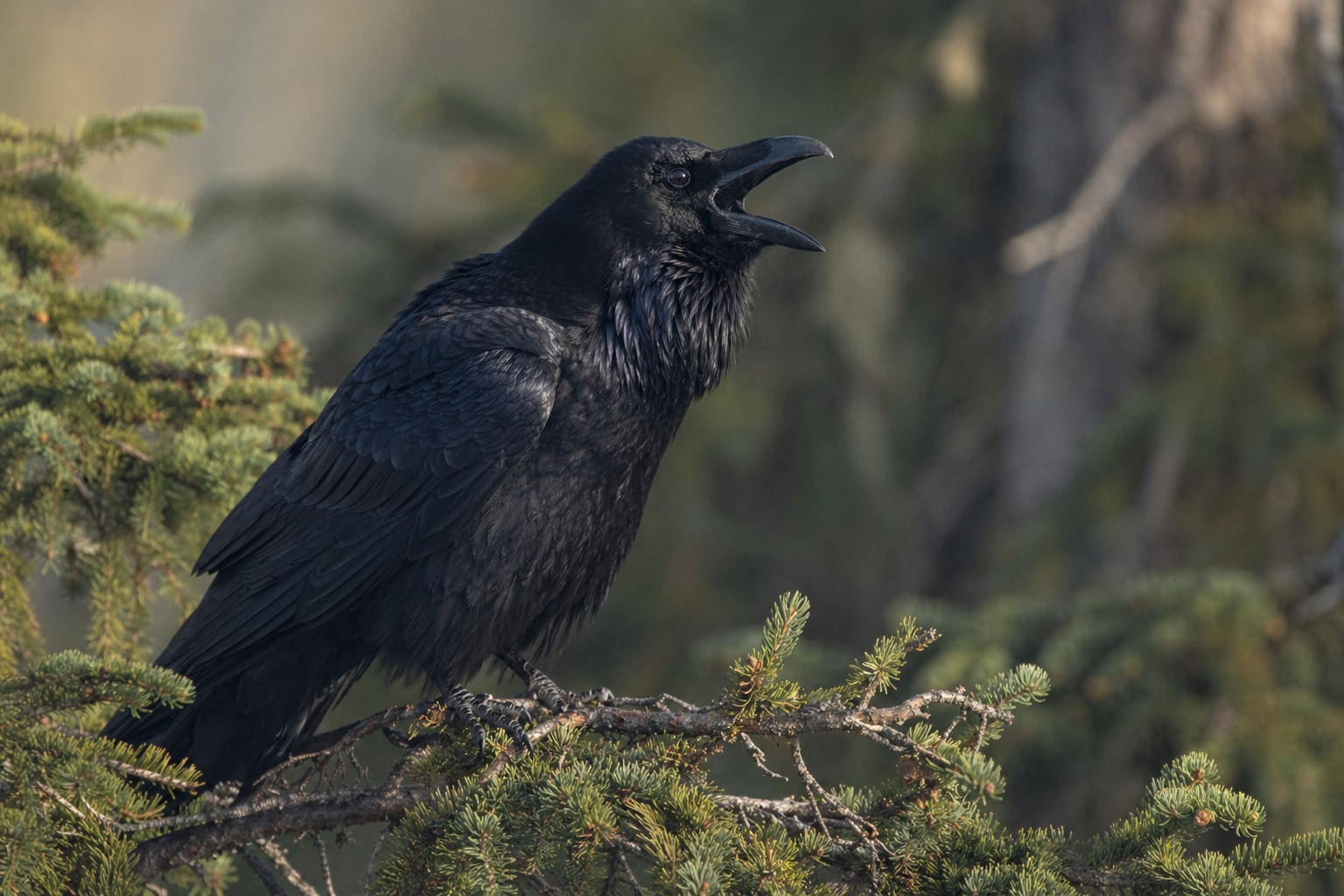
Ravens can learn 100 words using a specialized syrinx organ, matching the cognitive ability of 7-year-old children with problem-solving skills rivaling great apes.
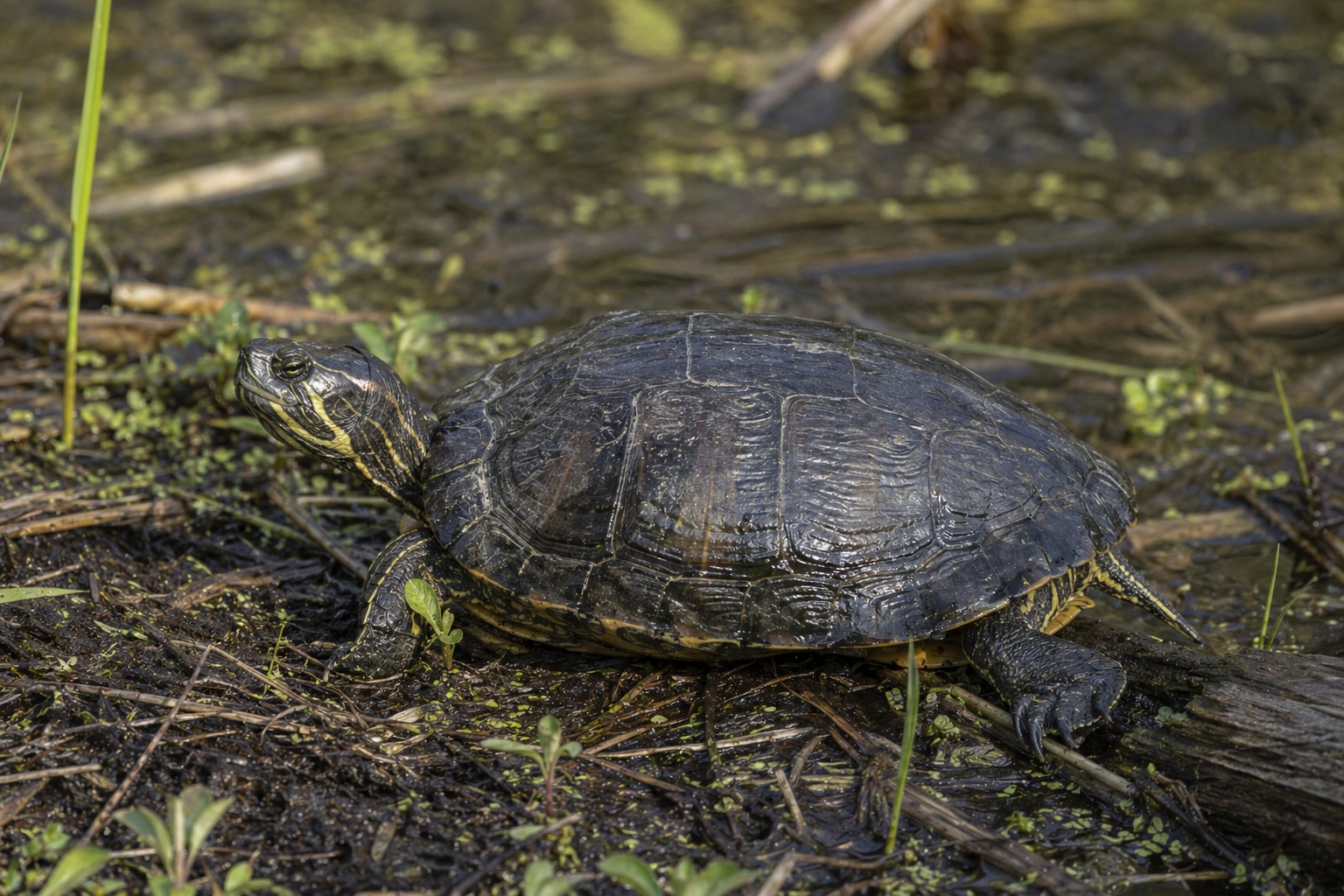
Turtles are reptiles classified in order Testudines; they have shells with scutes, breathe air through lungs, and are cold-blooded.
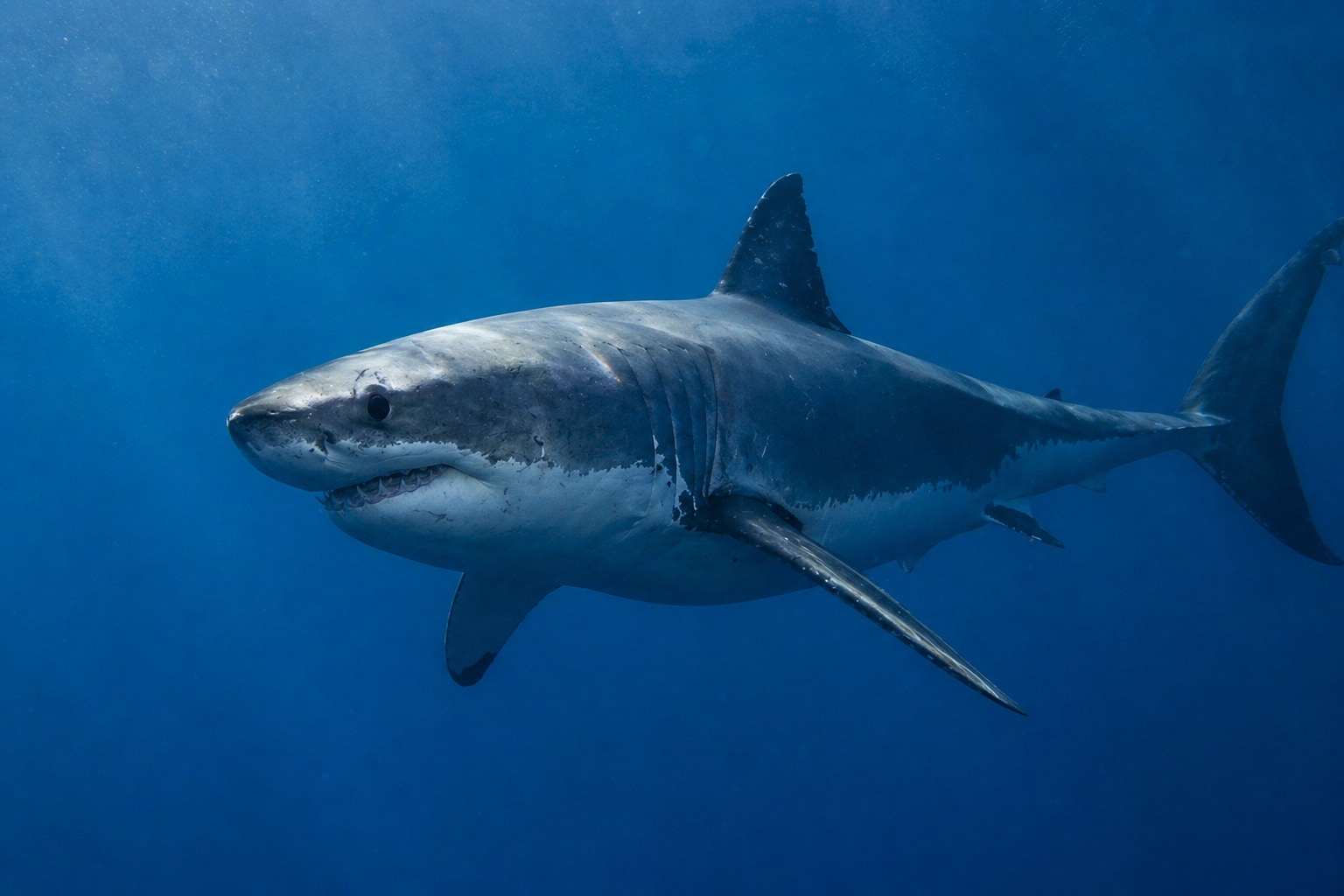
Deep Blue, a 20-foot female great white, is the largest recorded, though a 1945 Cuban shark weighed 7,100 pounds, and the whale shark grows twice as large.