Wildlife
Exploring the Unique Ecosystem of Coniferous Forests
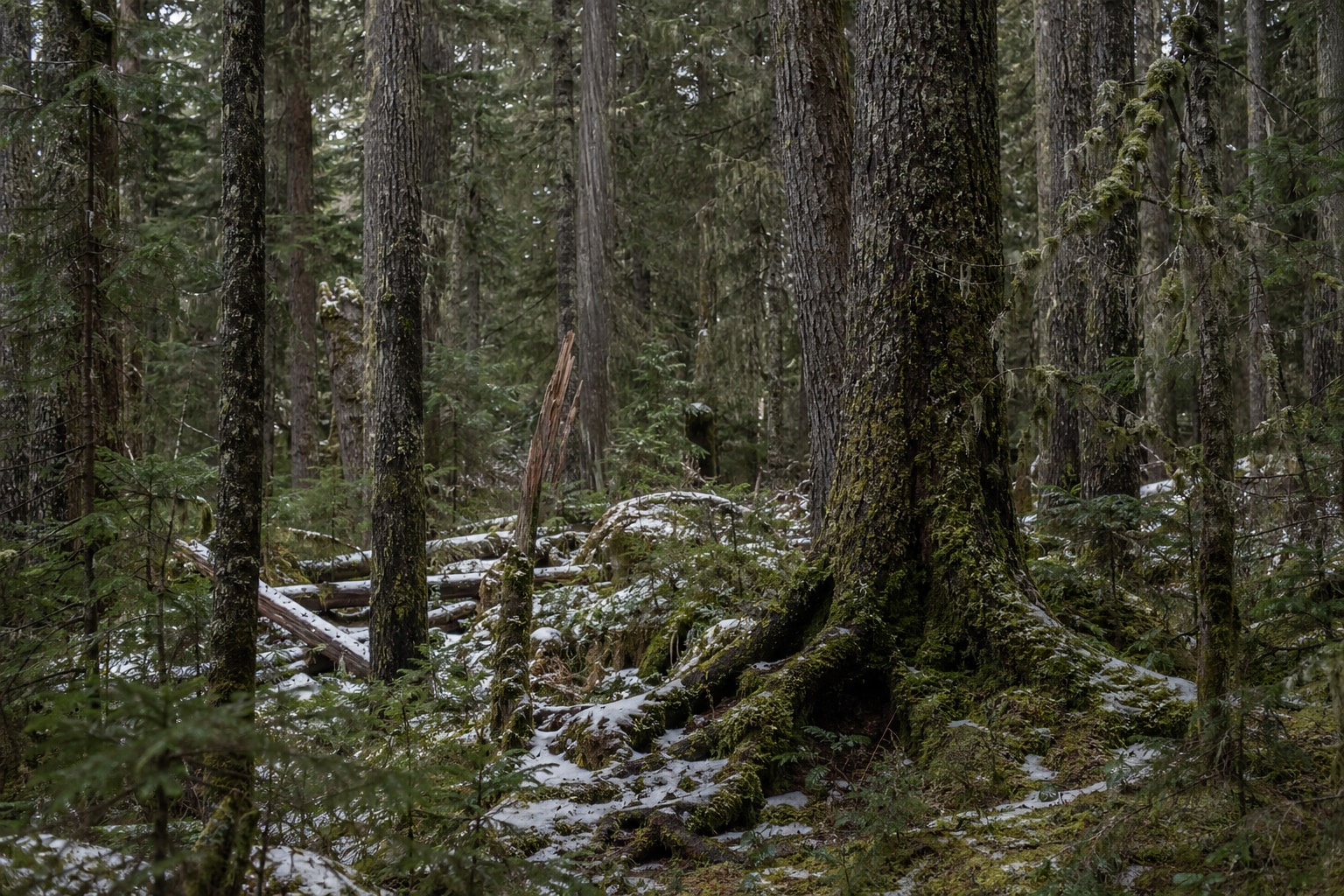
Coniferous forests contain evergreen needle-bearing trees like spruce, pine, and fir thriving in acidic, nutrient-poor soils with low light and cold climates.
Coniferous forests contain evergreen needle-bearing trees like spruce, pine, and fir thriving in acidic, nutrient-poor soils with low light and cold climates.
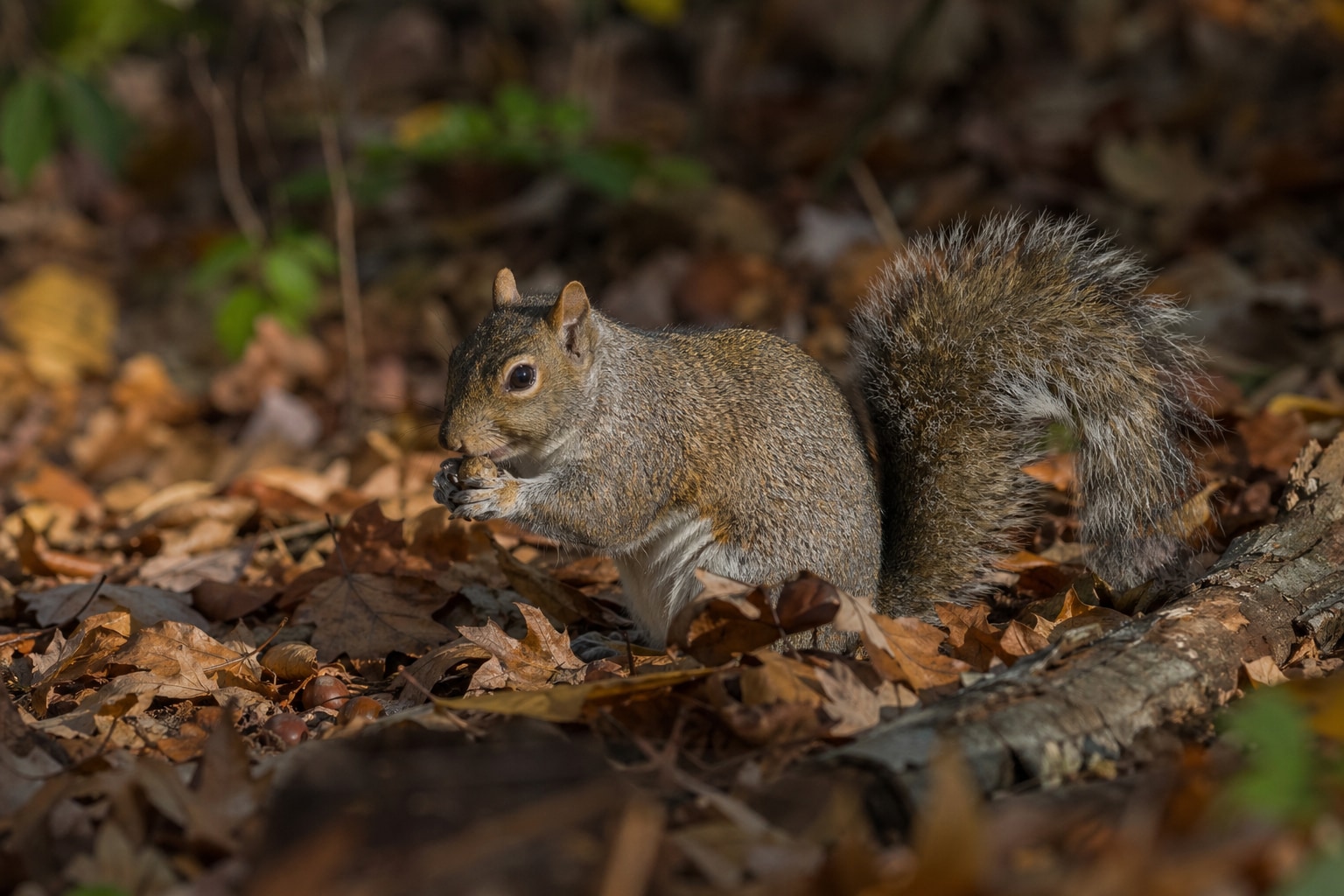
Deciduous forests of eastern North America host 13+ animal species, from pollinators and hunters to decomposers, each playing vital ecological roles.
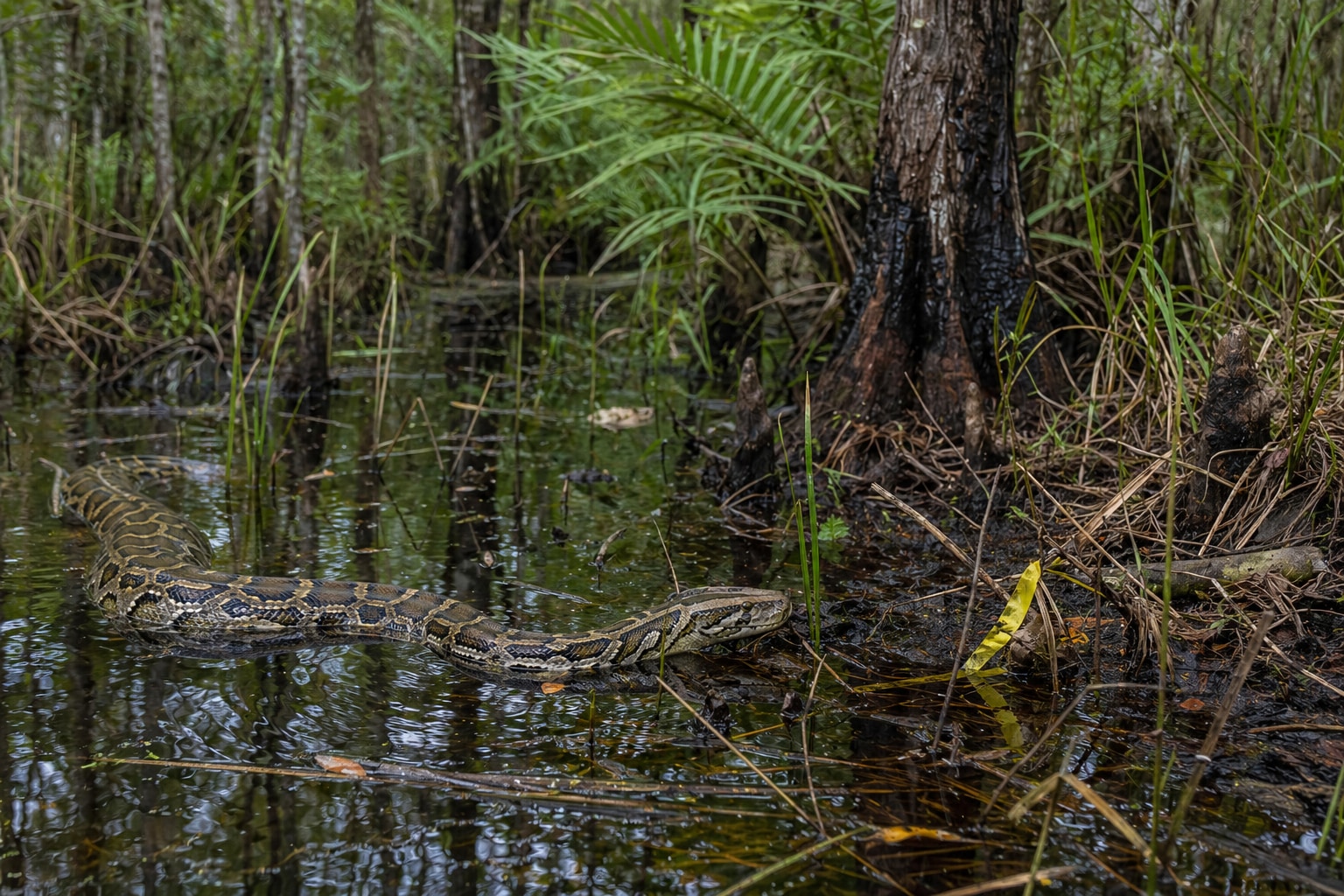
Invasive species cost the global economy 1.288 trillion dollars over 50 years, with Florida and California having the most.
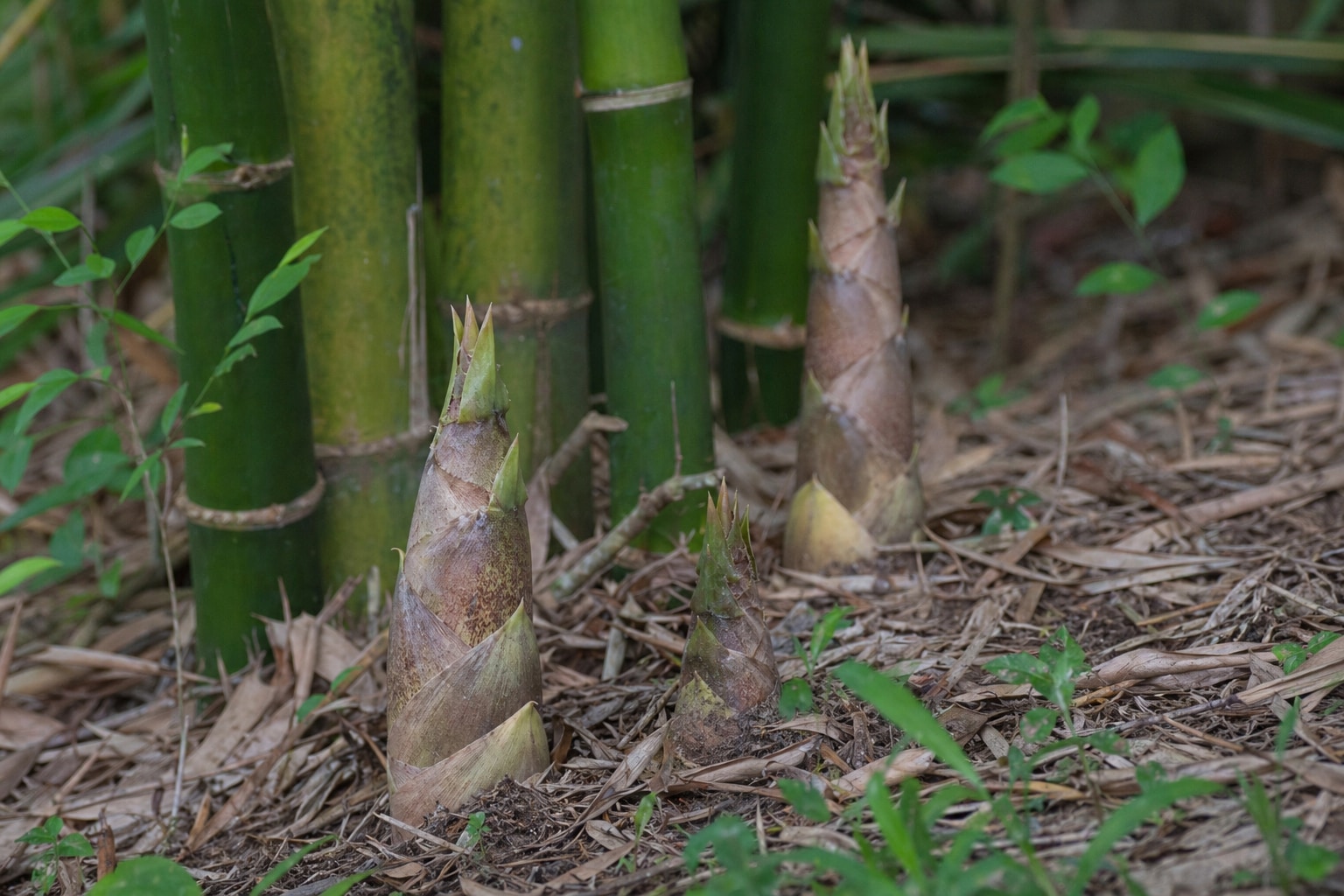
Bamboo grows up to 1 meter daily; 1,200 species span subtropical, tropical, temperate, and cold climates.
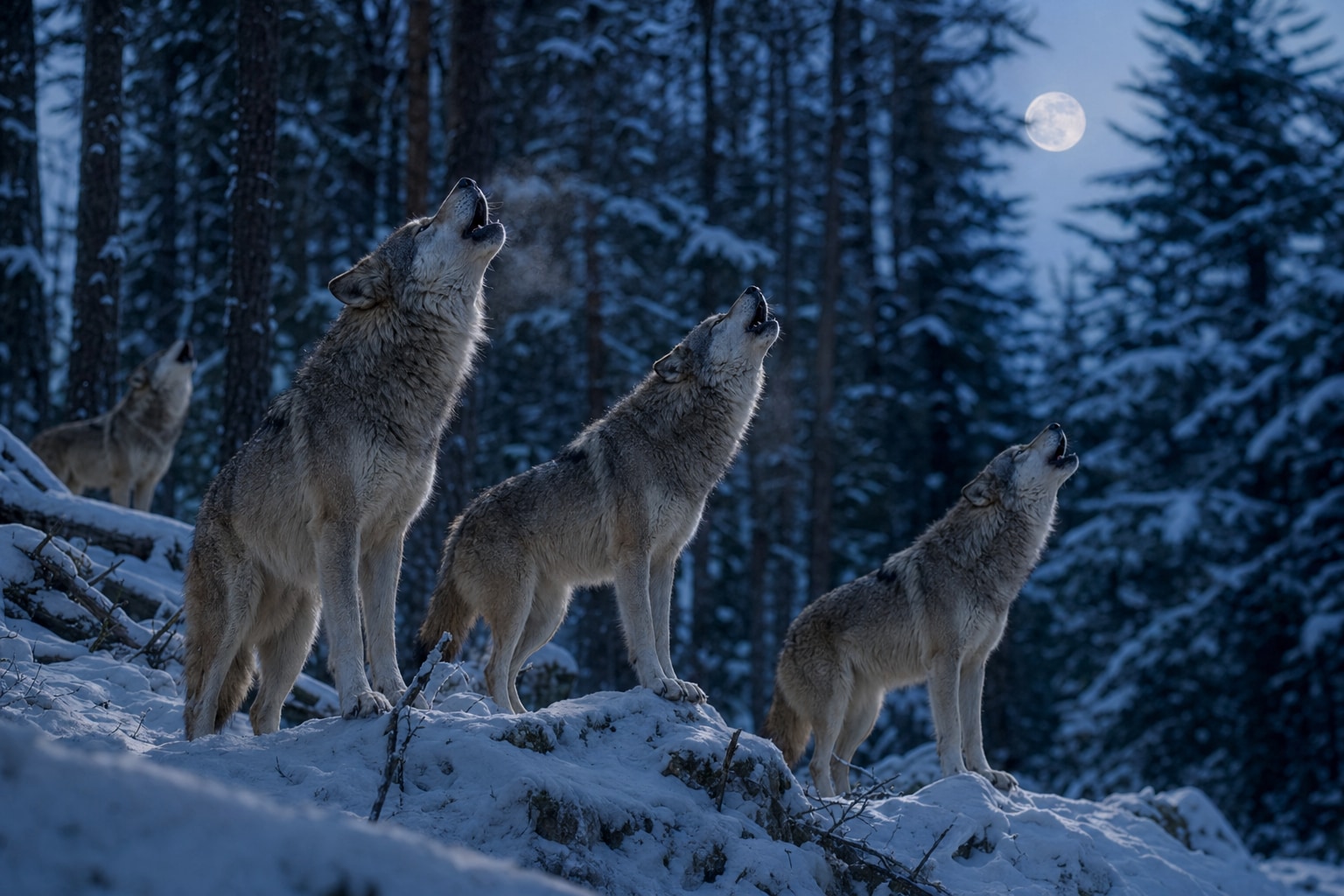
Wolves don't howl at the moon. They howl to coordinate hunts, bond with packs, establish territory, and find mates heard 7 miles away.
35 pigeon species from urban flocks to endangered varieties, with diverse roles in history, culture, and ecosystems.
Paracord is military-grade nylon rope with inner strands and woven sheath; durable for camping, crafting bracelets, and outdoor survival.
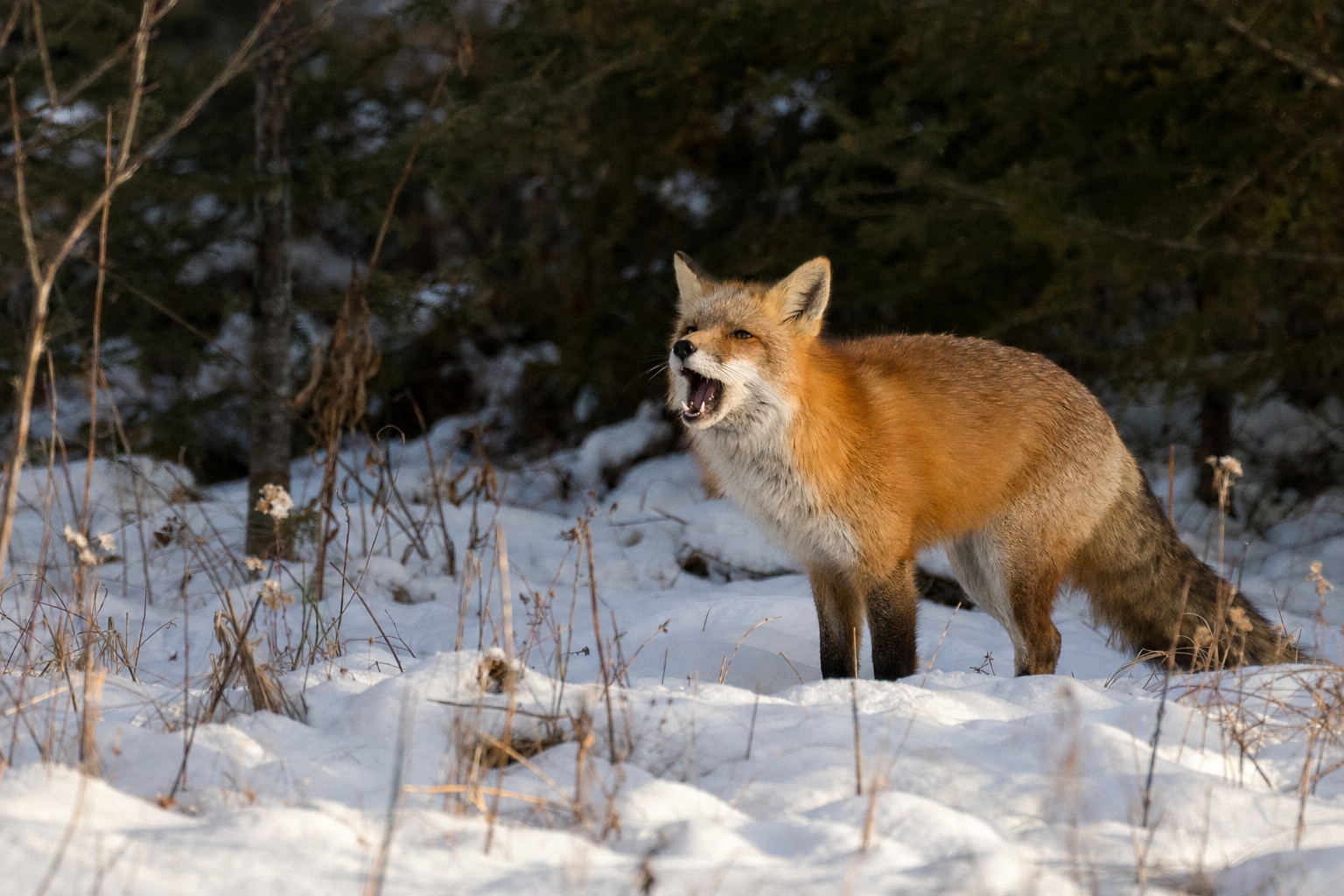
Foxes scream during mating season to find mates, but also use 28 distinct vocalizations for communication, pack bonding, and territorial defense.
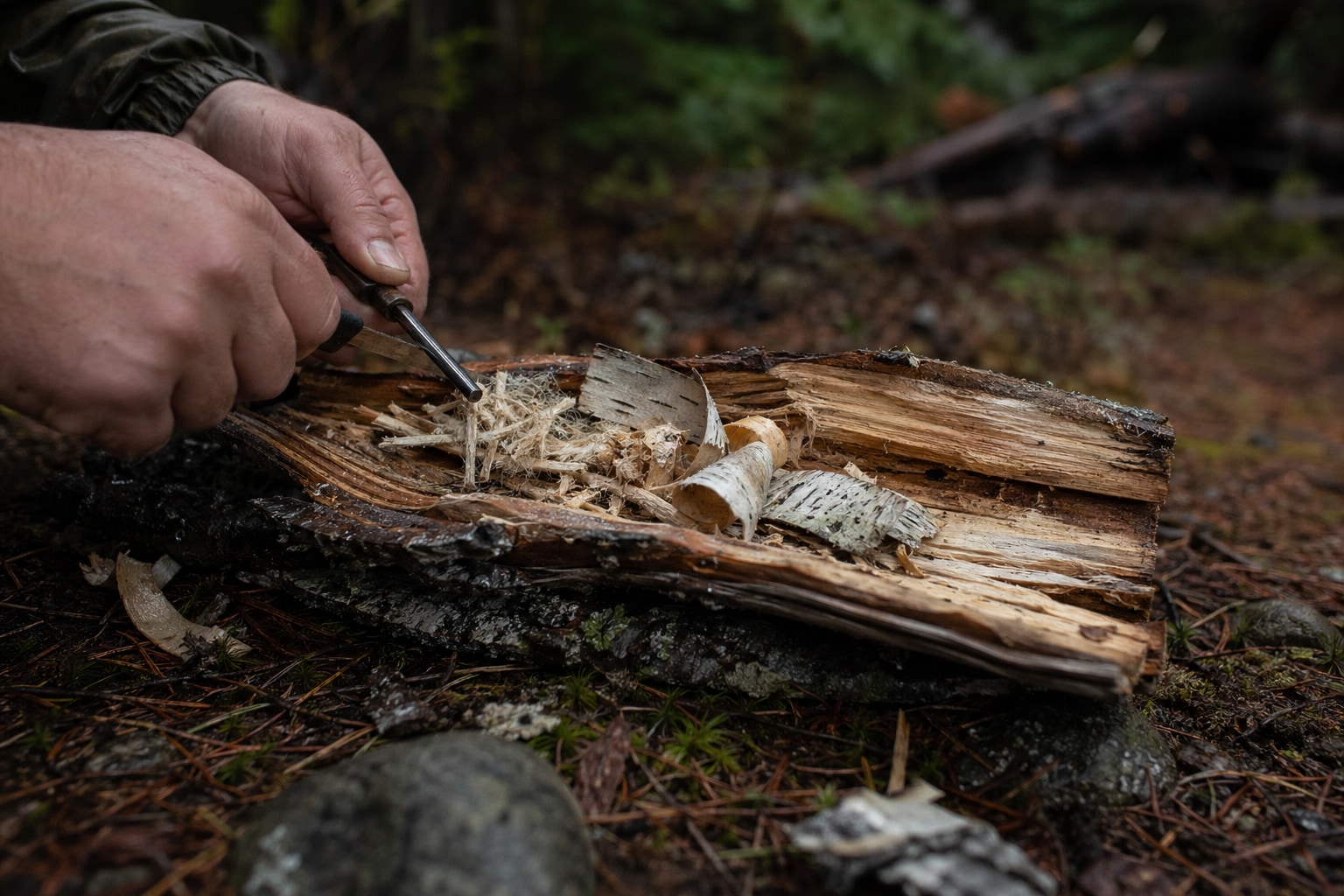
Build fires on platforms with four times more tinder, natural firelighters like birch bark, or chemical aids like paraffin wax.
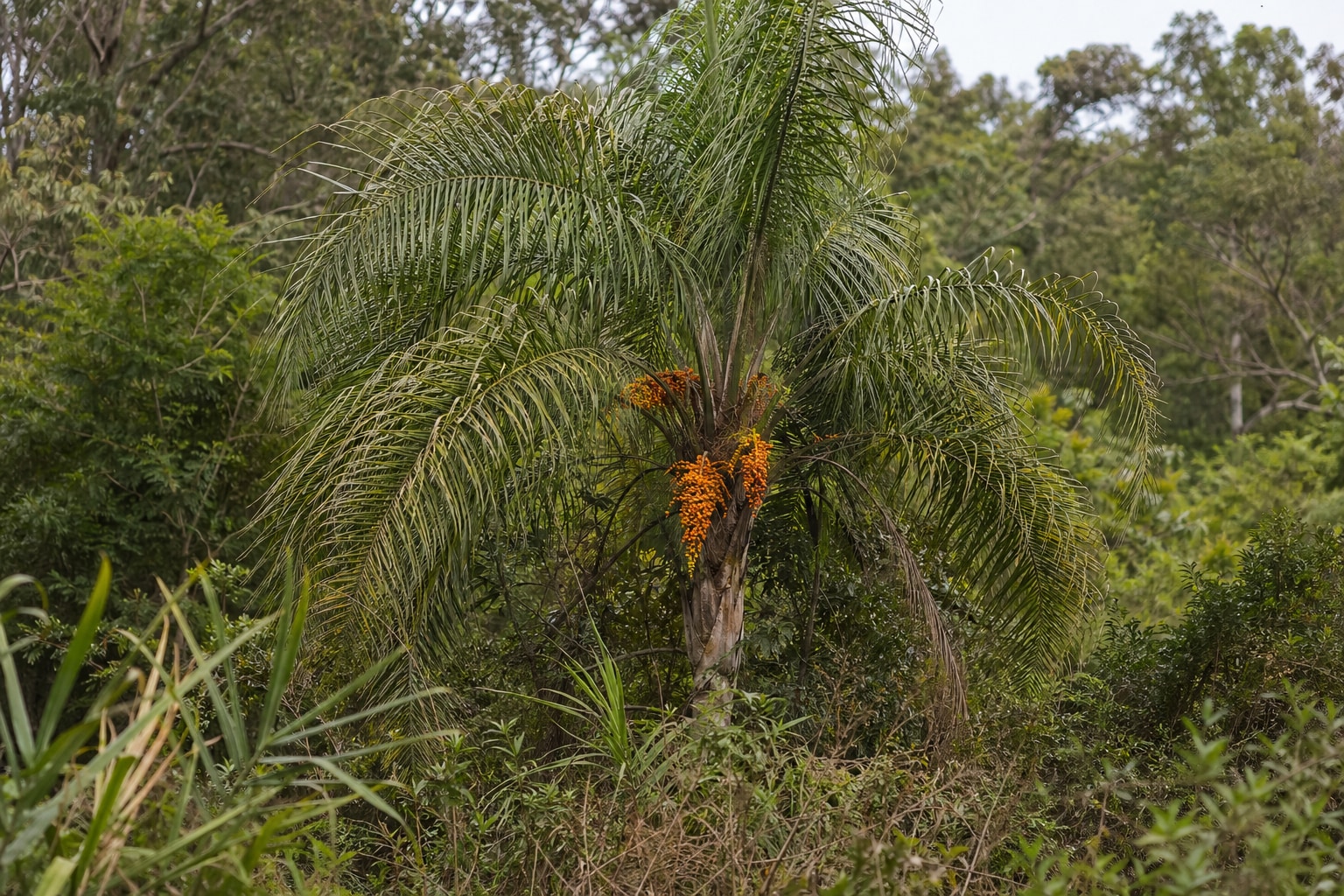
Queen Palms reach 50 feet with feathery leaves and bright orange fruits. Native to South America, they are cold-hardy, low-maintenance landscape trees producing edible berries.
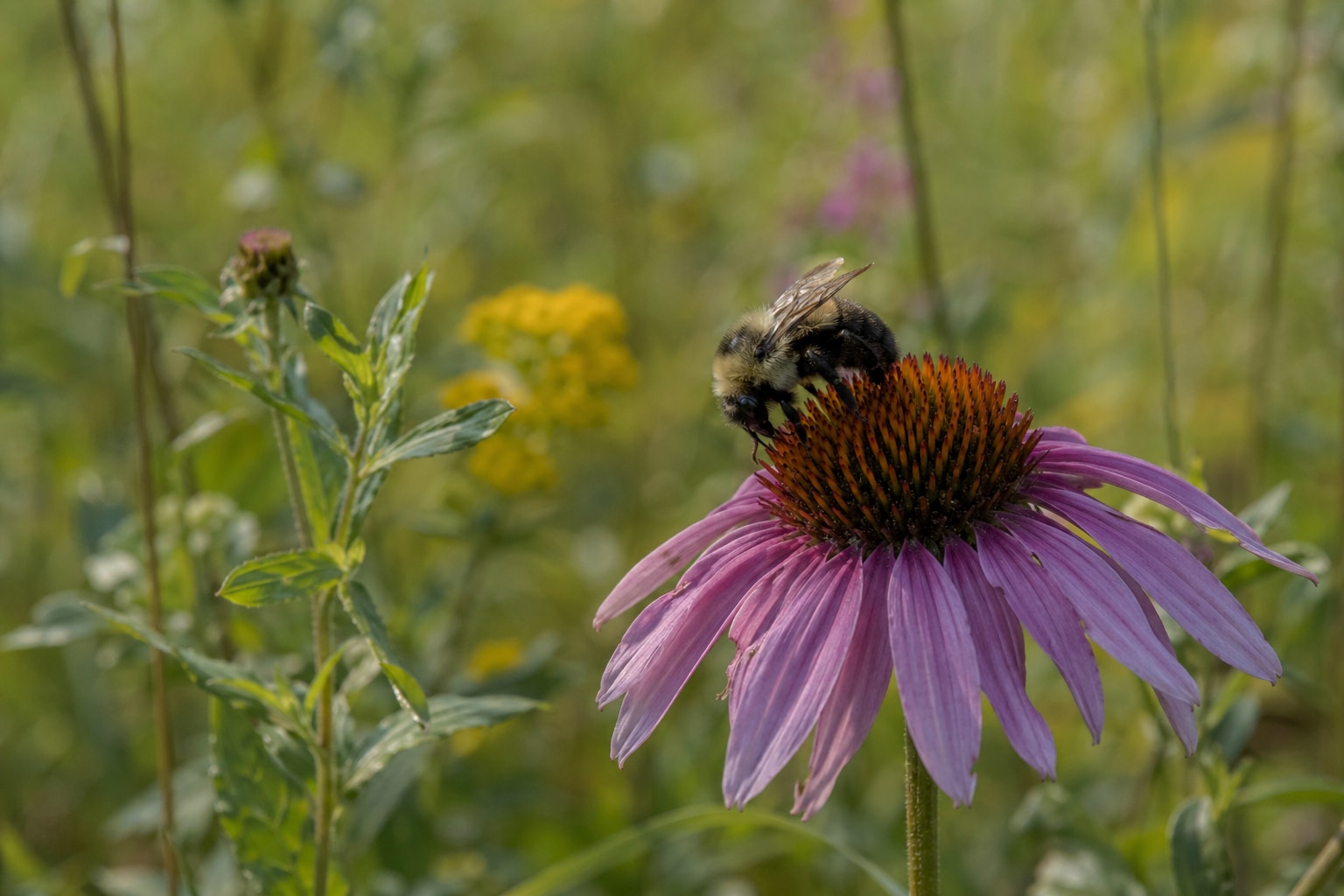
20 bumblebee species pollinate crops and wildflowers across temperate and arctic regions worldwide.
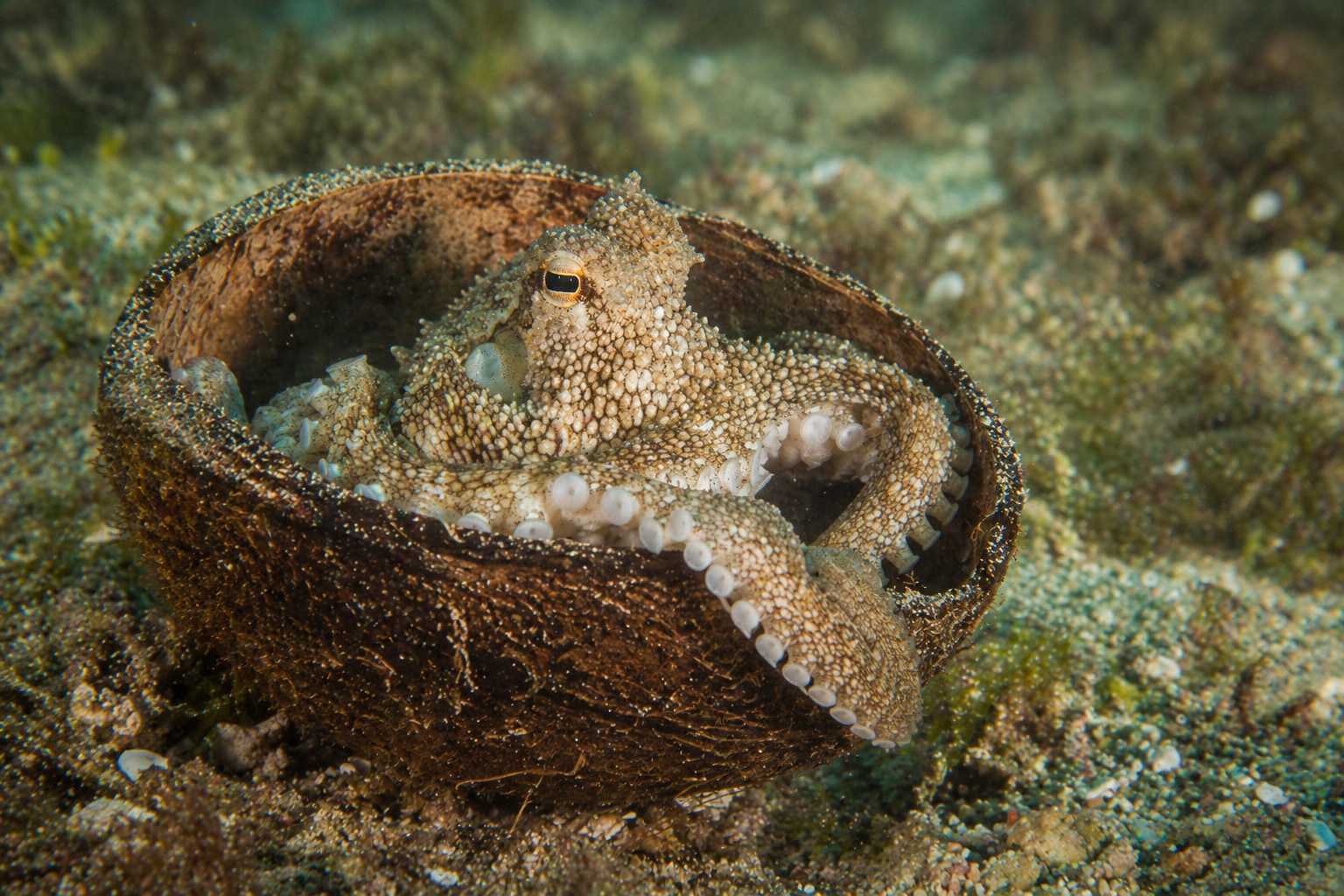
Coconut octopuses are highly intelligent invertebrates that carry and use coconut shells as portable shelters, representing the first known tool use by an invertebrate.