Natural World
What is the Largest Desert in the World? Discover the Surprising Answer
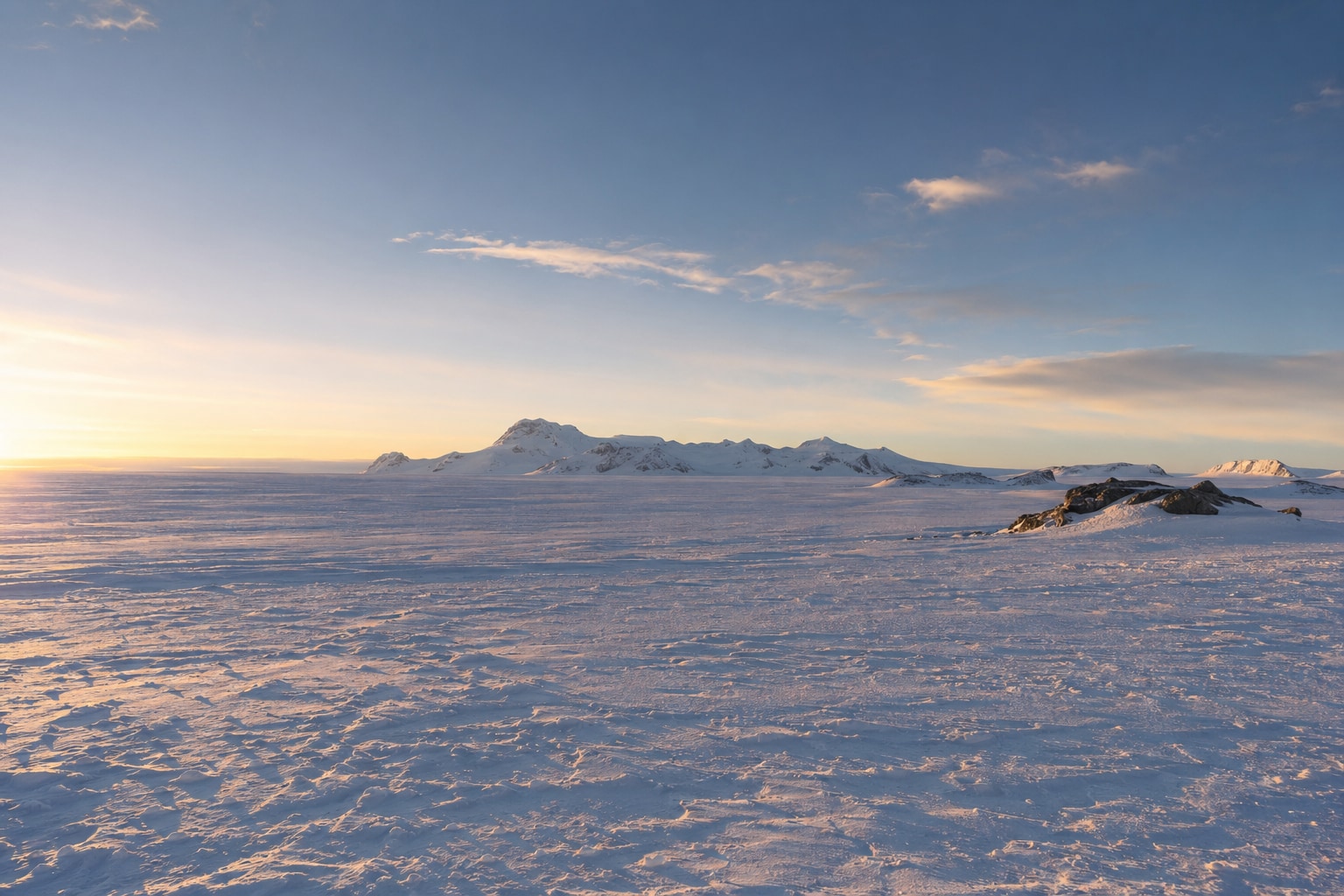
The Antarctic Desert covers 5.4 million square miles, making it the world's largest desert, despite popular assumptions about the Sahara.
The Antarctic Desert covers 5.4 million square miles, making it the world's largest desert, despite popular assumptions about the Sahara.
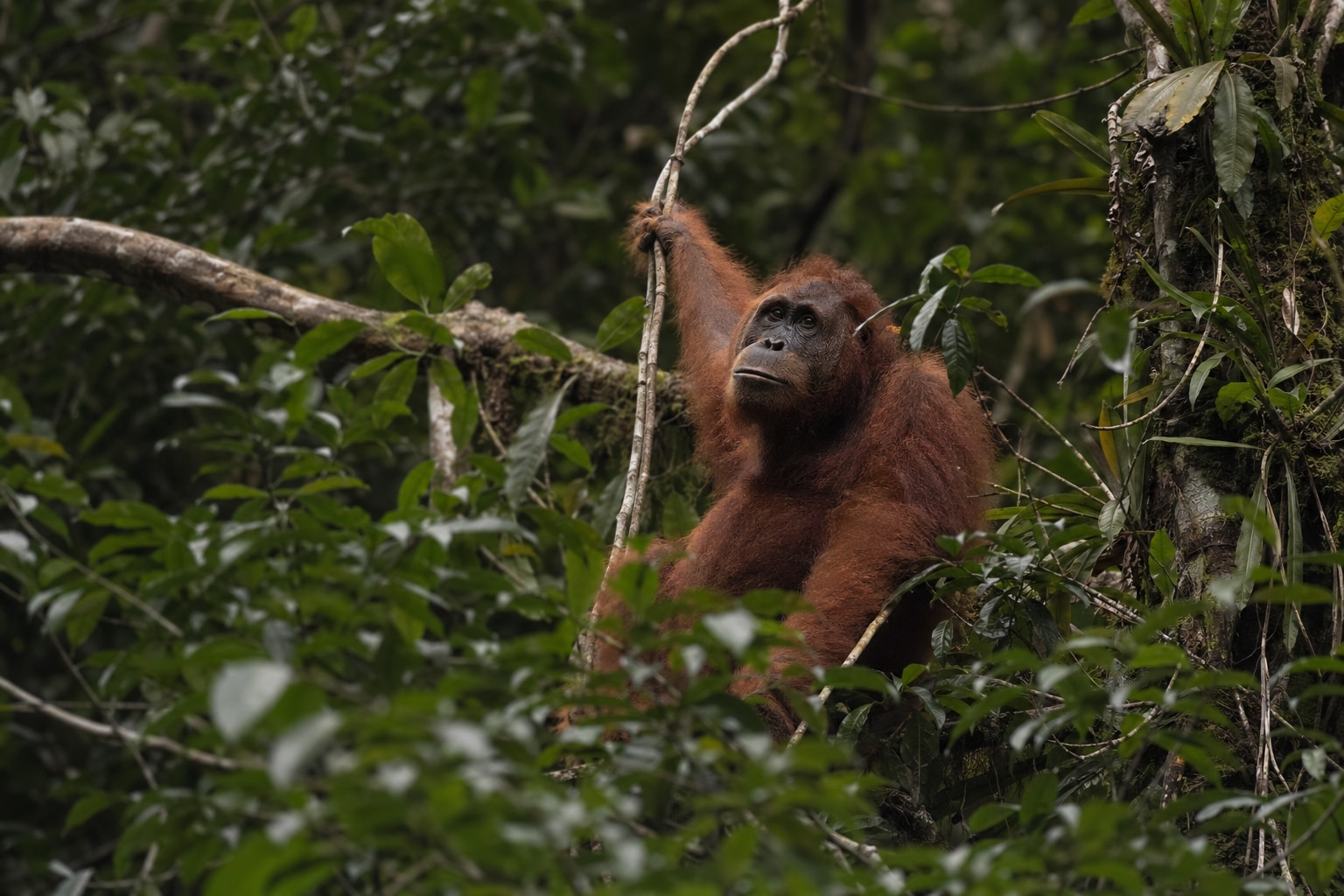
The Tapanuli orangutan, discovered in 2017, is the world's rarest great ape with fewer than 800 individuals remaining.
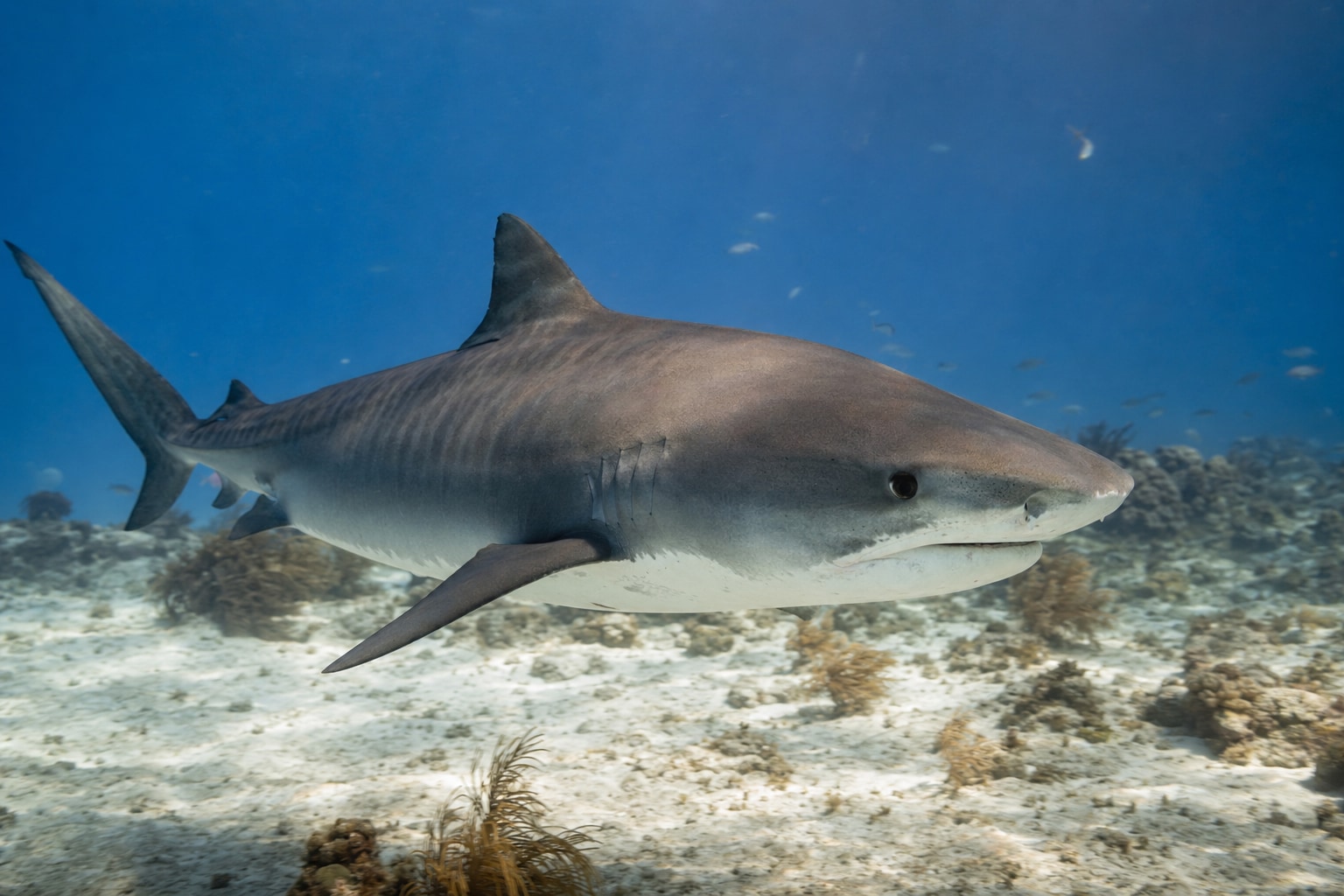
Tiger sharks eat diverse prey from tropical coastal waters; great whites hunt seals from temperate oceans with distinct size, appearance, and habitat differences.
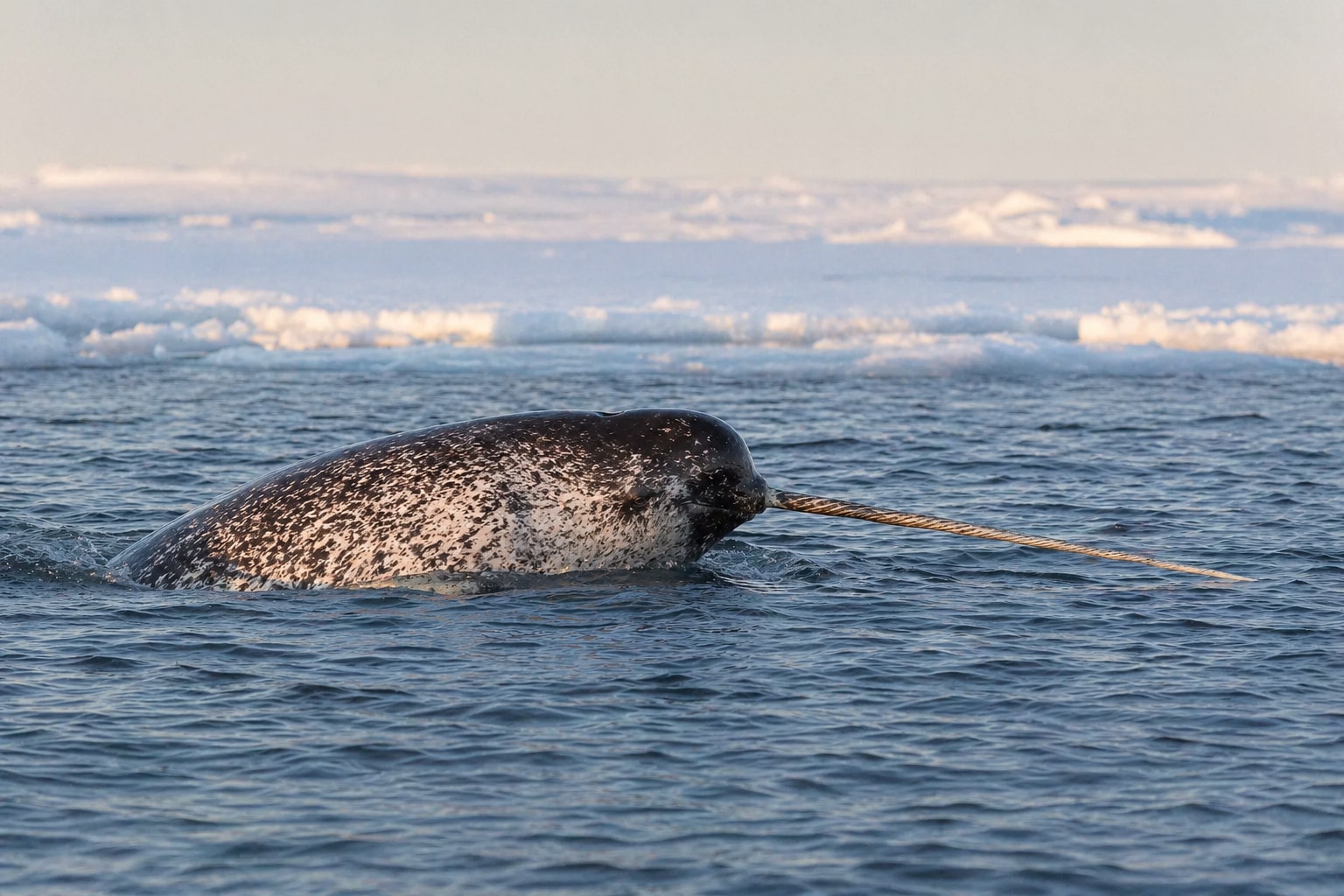
15 animals starting with N range from narwhals with 10-foot tusks to Nile crocodiles reaching 20 feet long and mysterious rare species.
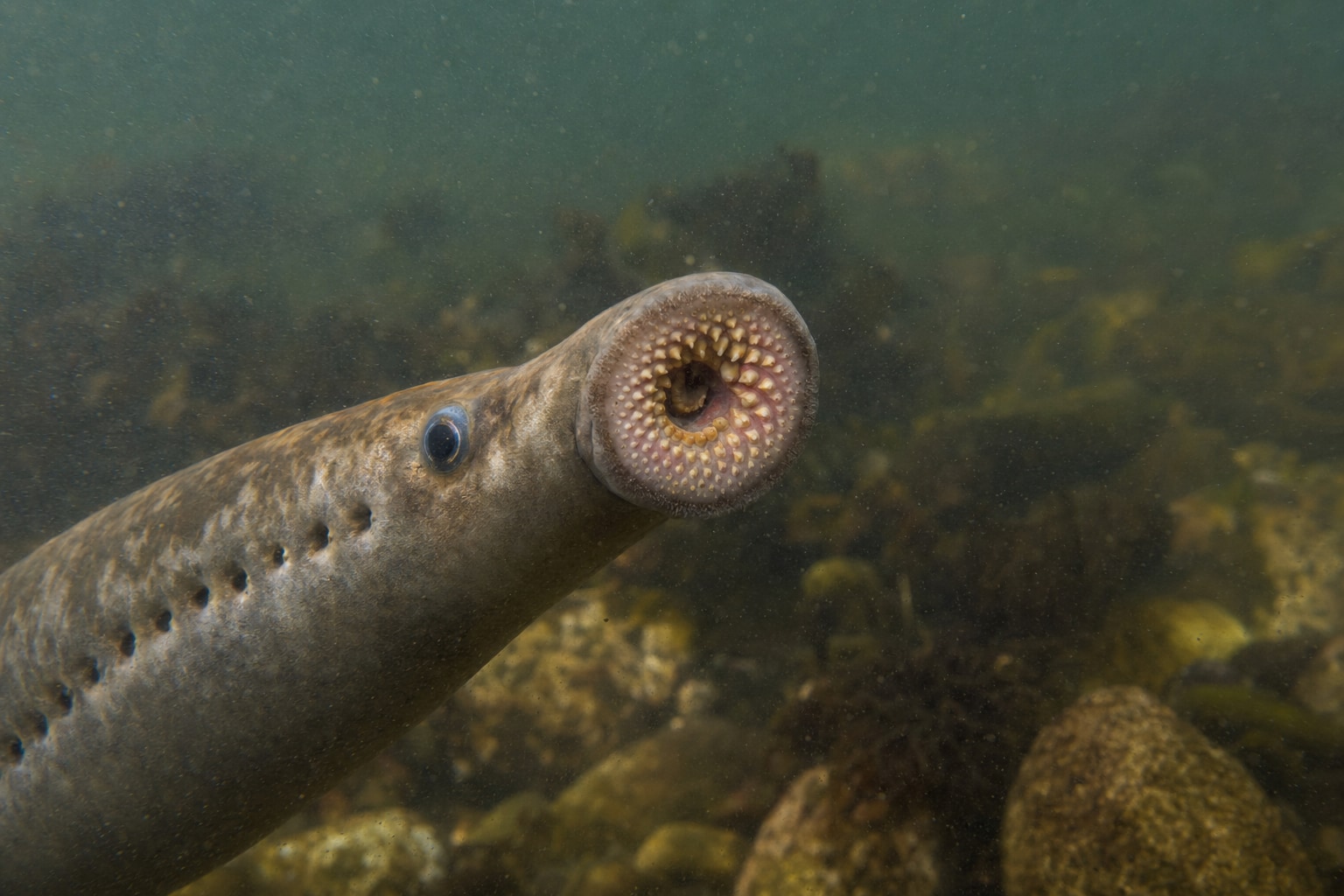
Explore 12 of the world's ugliest deep-sea fish, from blobfish to goblin sharks, and learn why their unique adaptations thrive in extreme ocean environments.
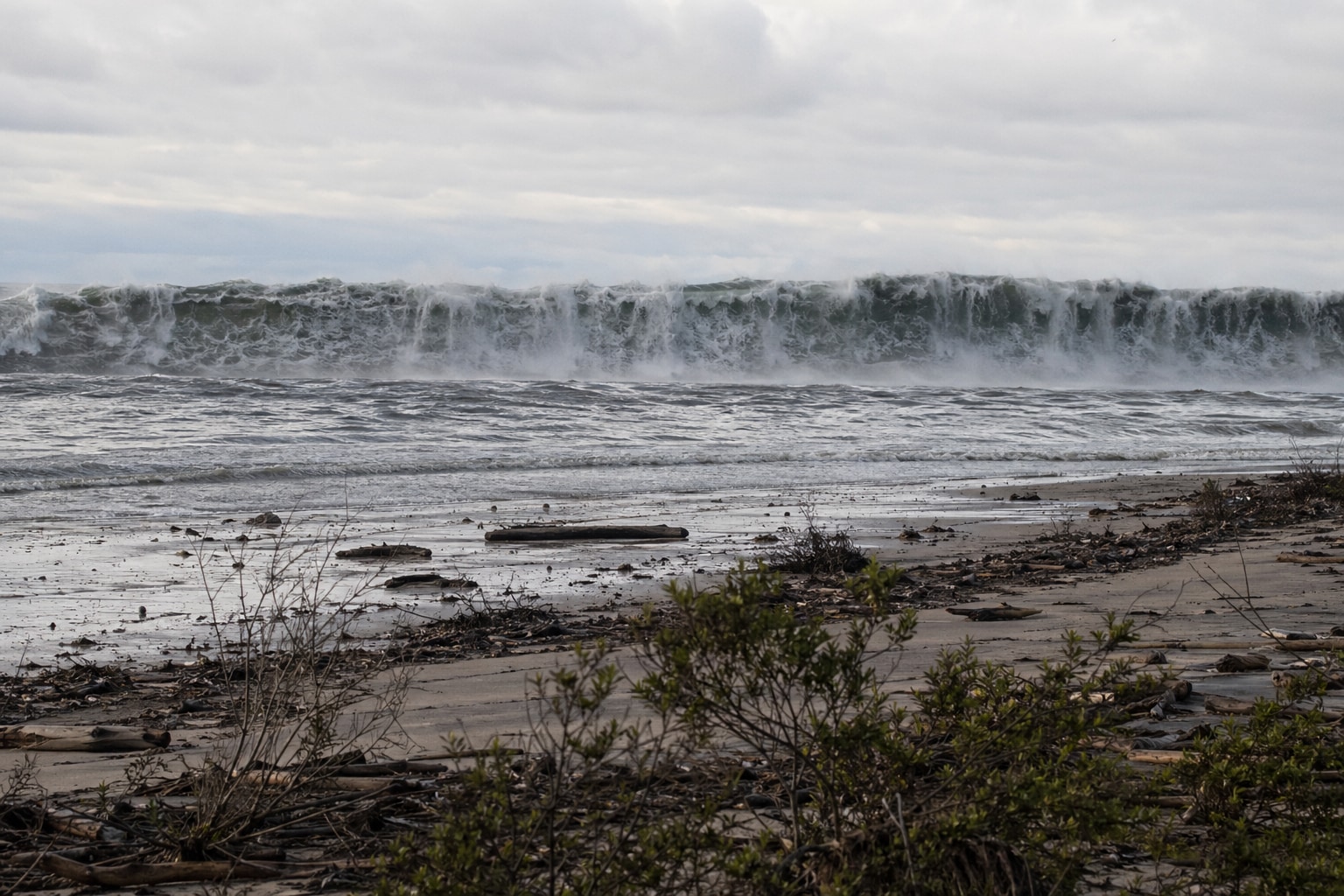
Tsunamis form from water displacement caused by earthquakes, landslides, volcanic activity; can reach 500 mph and travel entire ocean basins.
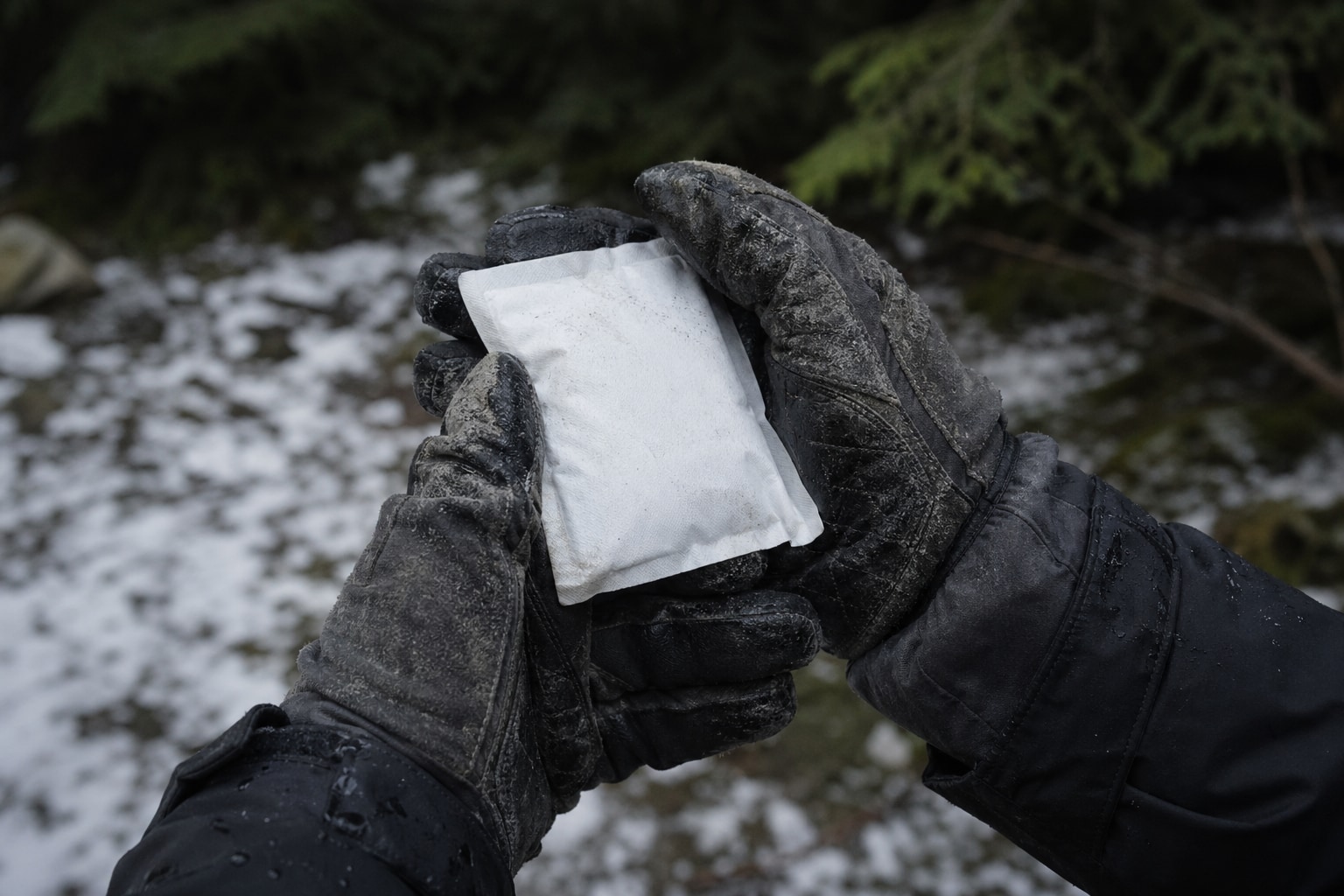
Hand warmers generate heat via chemical reactions; disposable versions use iron oxidation and last 7 to 12 hours in cold weather.
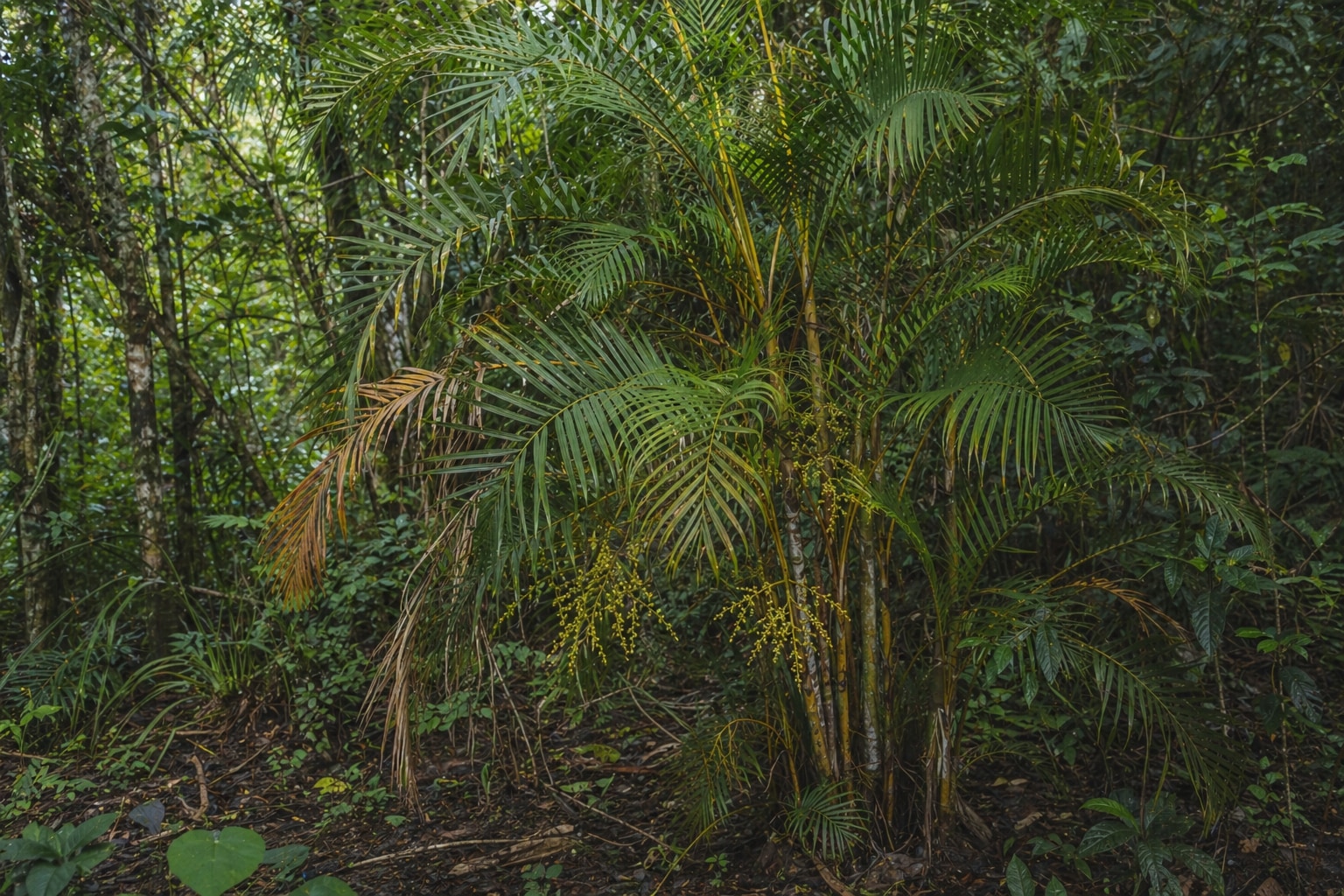
Areca palms from Madagascar are air-purifying houseplants with butterfly-shaped leaves that absorb toxic gasses like formaldehyde and xylene.
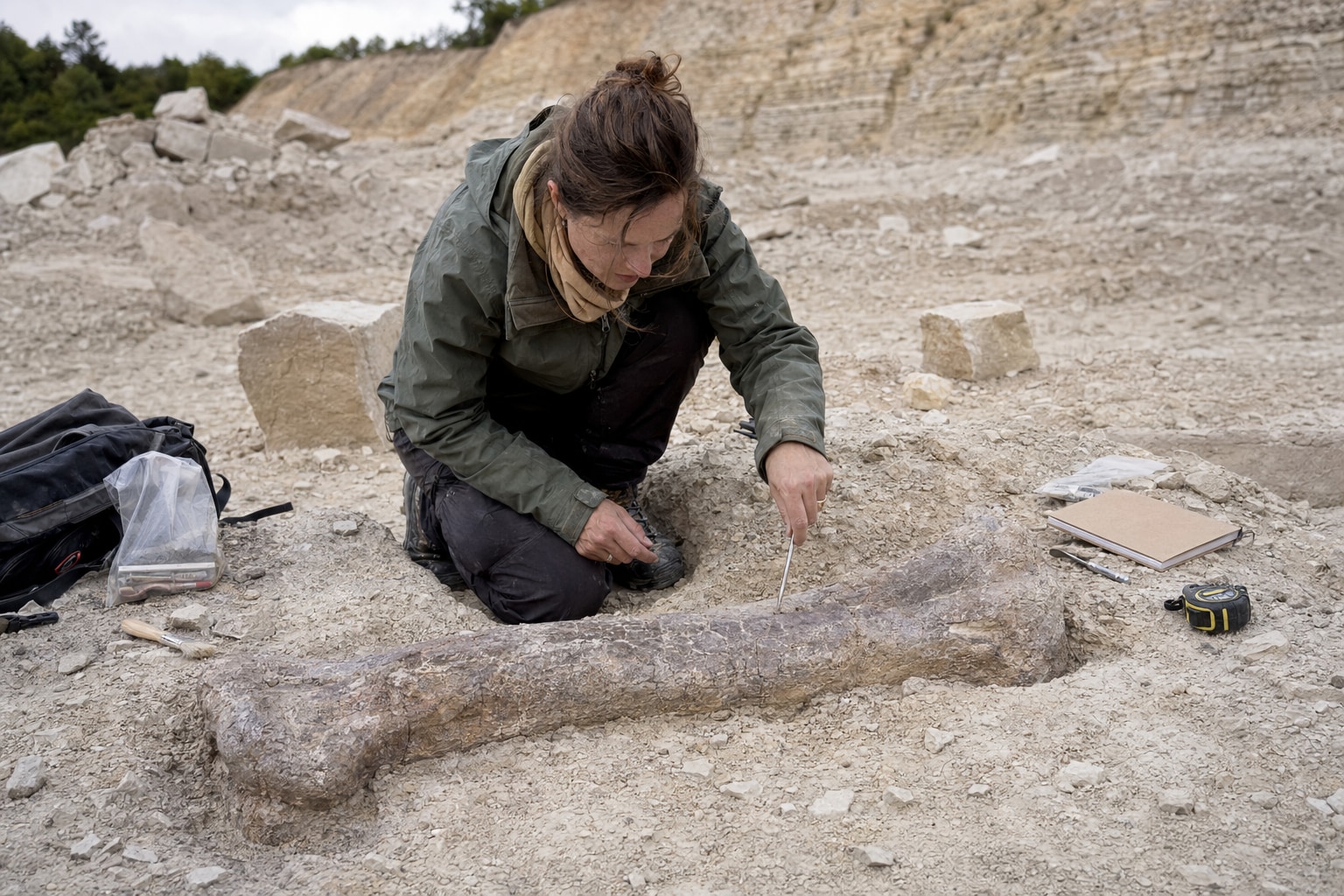
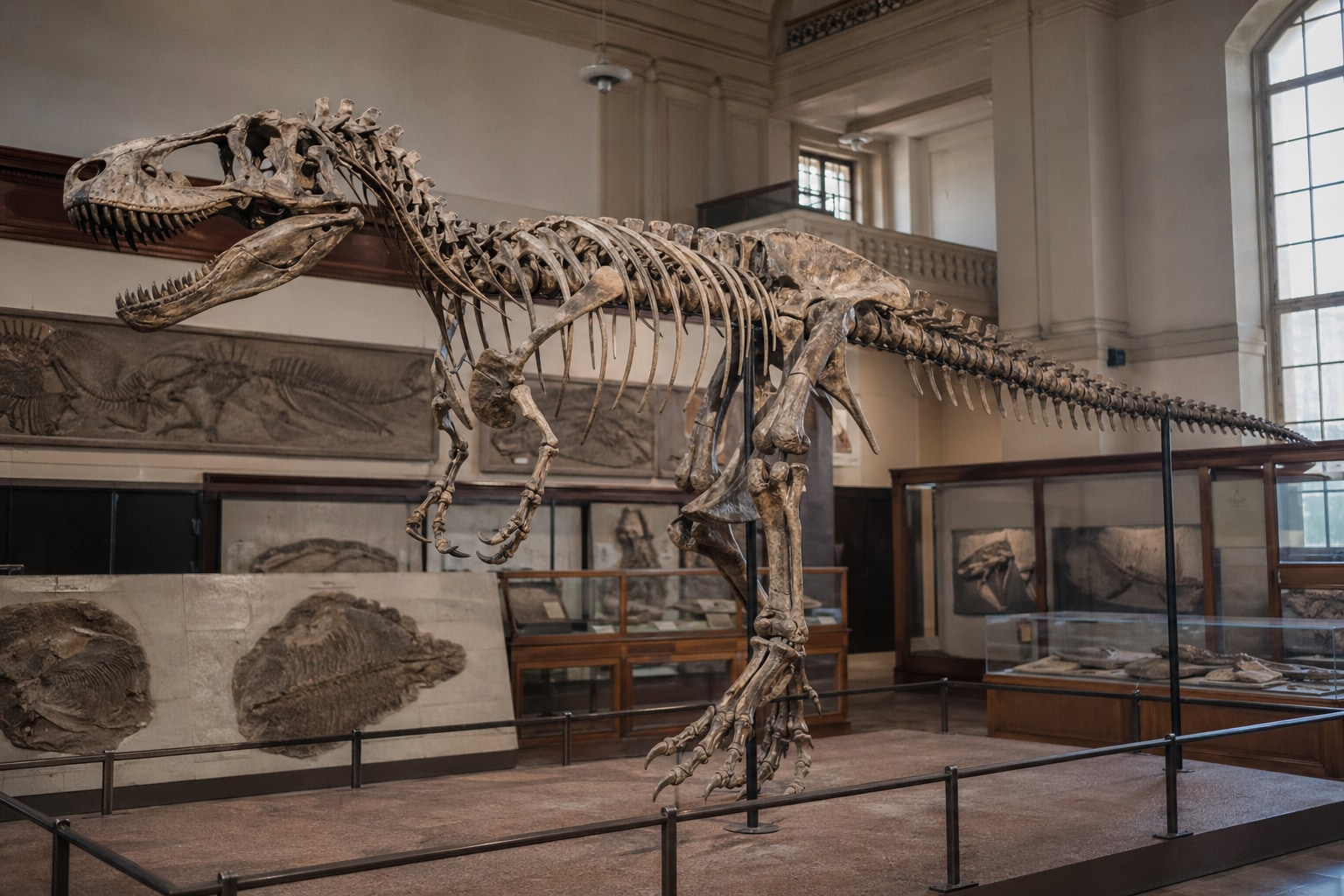
Robert Plot found the first dinosaur bone in 1676; Richard Owen coined Dinosauria in 1842 after identifying 3 specimens.
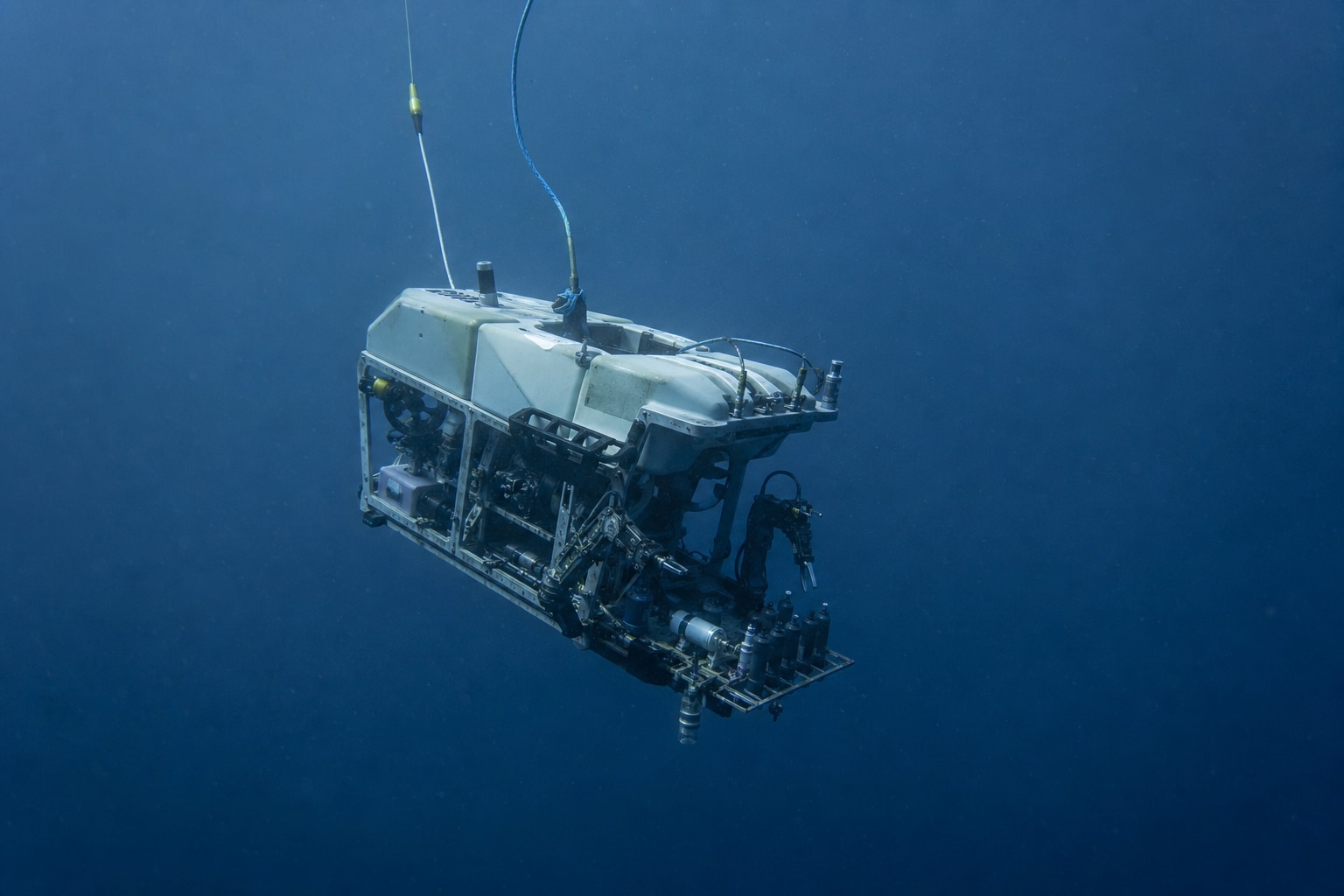
Humans have explored just five percent of the ocean despite water covering seventy-one percent of Earth's surface.
Dinosaurs are reptiles that lived 245-66 million years ago, defined by upright leg stance and unique pelvic structures. Birds are living dinosaurs.
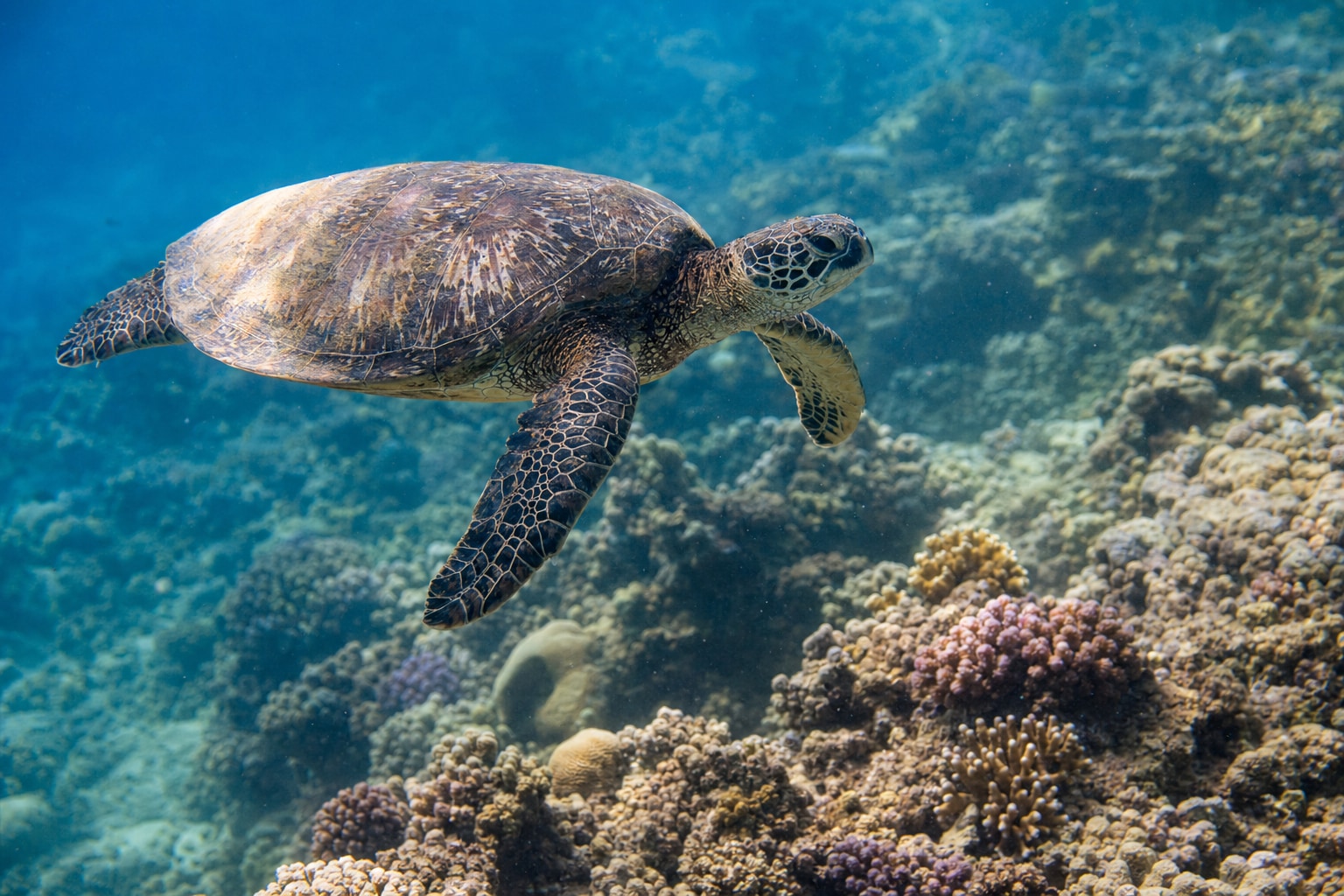
Coral reefs house 25% of marine life across 100+ countries, featuring corals, fish, sharks, and invertebrates in warm shallow waters.