
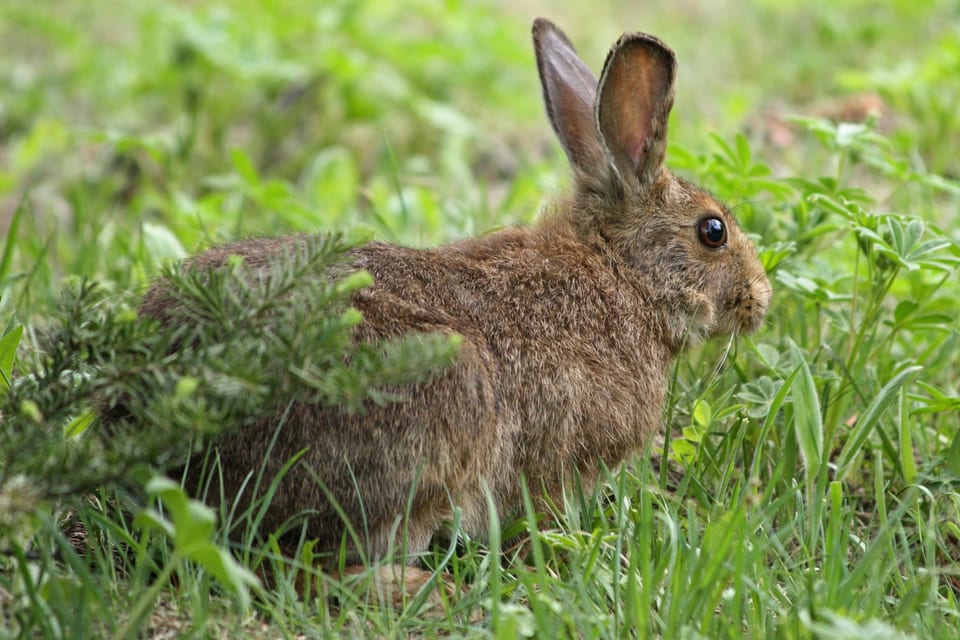
The biggest hare in North America, built for open ground
Adults can weigh up to around sixteen pounds, dwarfing every other hare in the country, and they spend their whole lives out on bare, treeless ground. An Alaskan hare doesn’t dig a burrow the way a rabbit does. Instead, it scratches out a shallow scrape in the tundra, sometimes tucked against a tussock or rock for a windbreak, and leans on stillness and camouflage rather than a den to get through the day. Long, powerful hind legs let it cover ground fast when a scrape isn’t enough, but running is the backup plan, not the first one.
How to tell it apart from Alaska’s other white hares
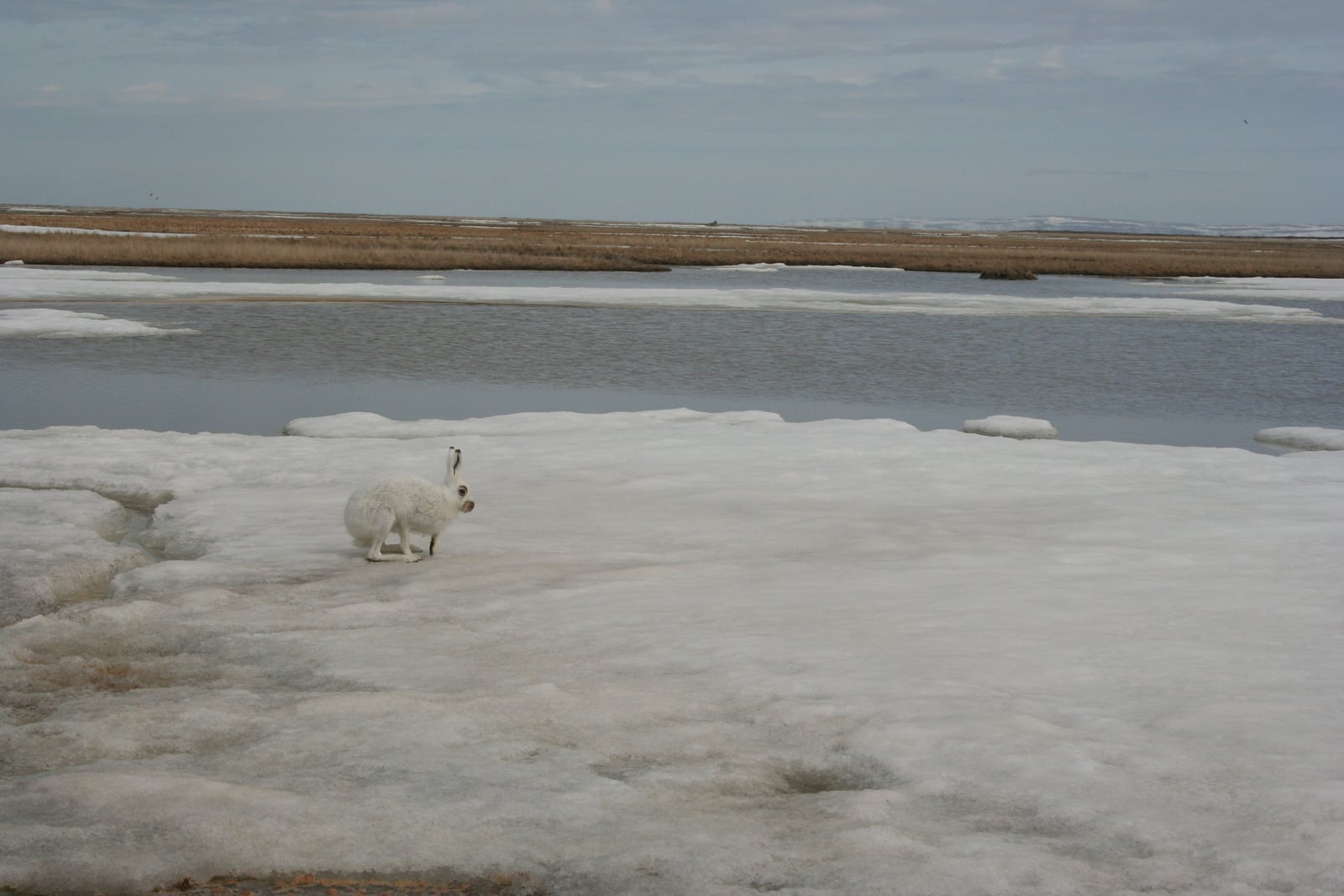
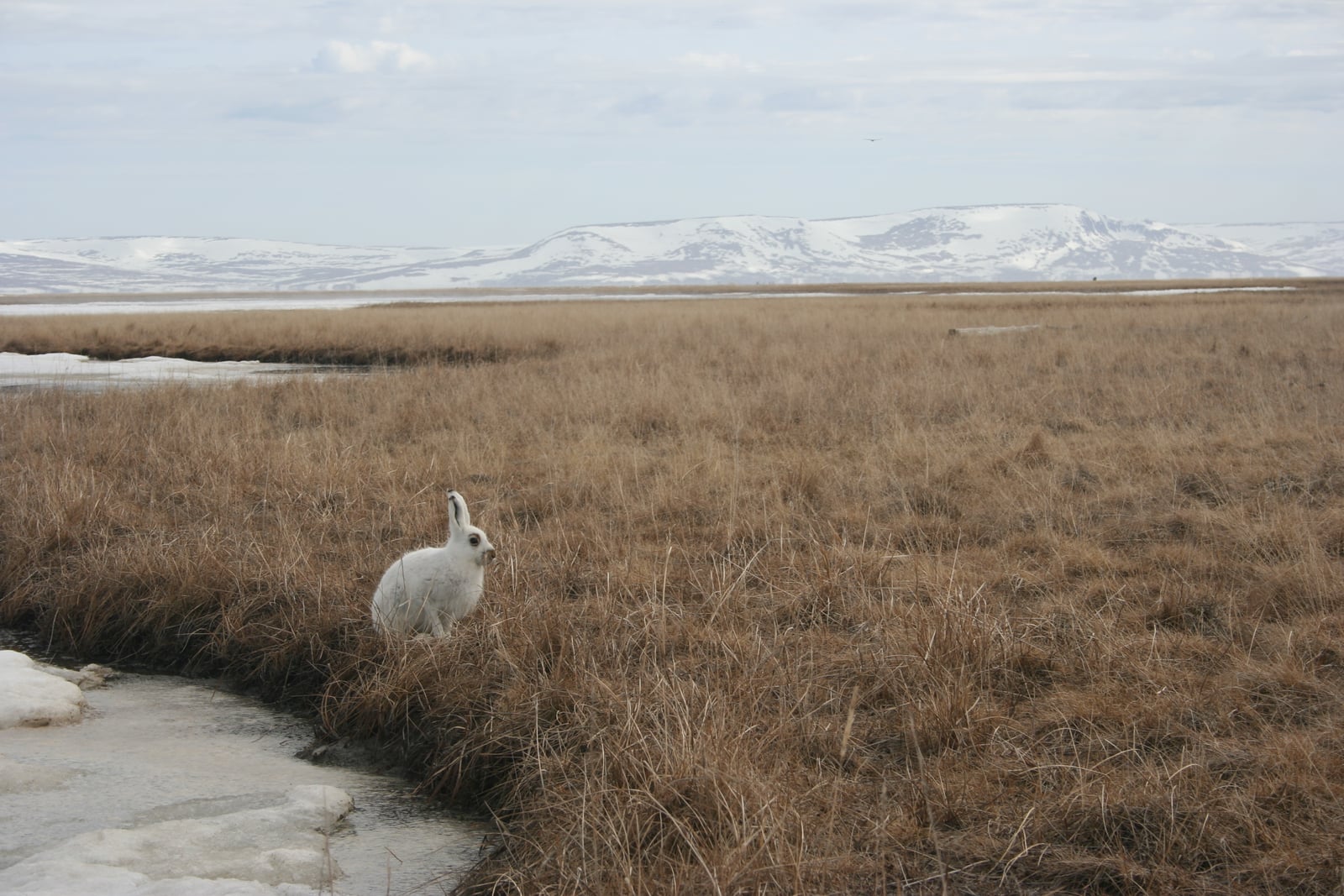
Alaska has more than one hare that turns snow-white for winter, and mislabeled photos circulate constantly. The snowshoe hare is smaller, sticks to the shrubby edges of forest and brush rather than open tundra, and carries proportionally shorter ears. The Arctic hare, a species of Canada and Greenland, doesn’t naturally occur in Alaska at all, though its name gets pinned to Alaskan hare photos often enough that any caption using it is worth a second look. The clearest tell for the real Alaskan hare is habitat. If the animal sits out on open, treeless tundra with nothing but low grass and dwarf shrubs around it, that’s a much stronger sign than coat color alone.
Two coats, one open landscape
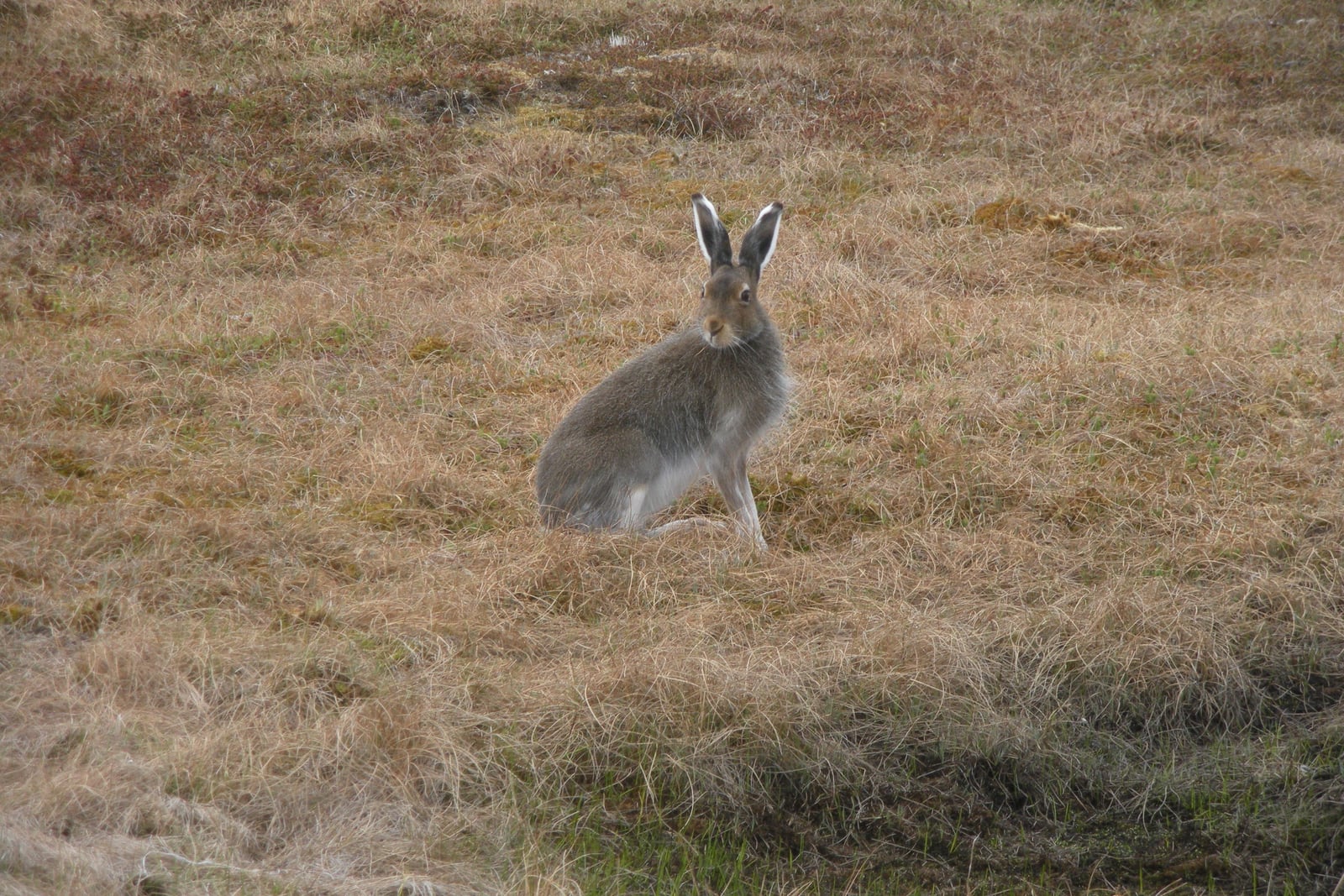
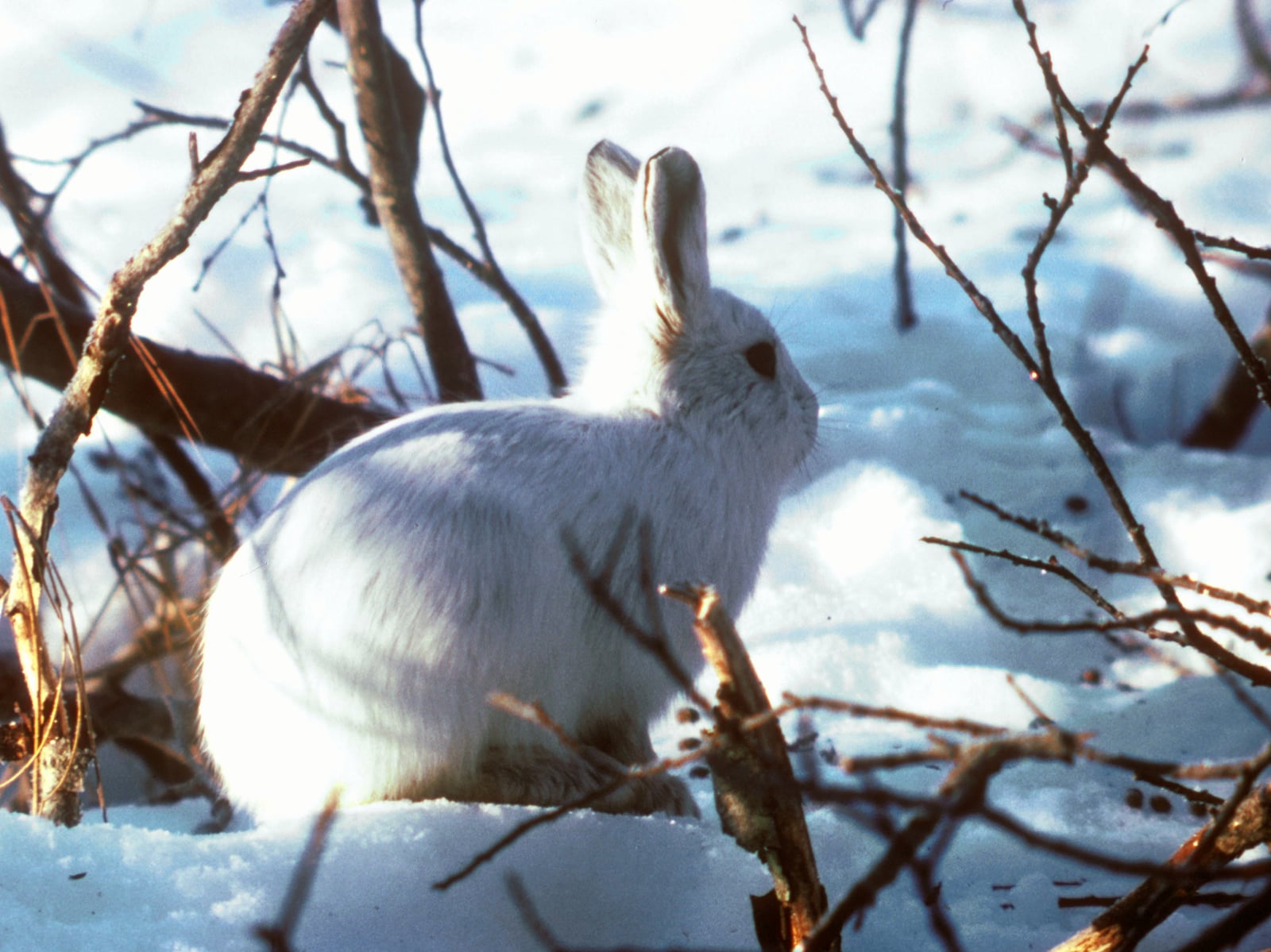
With no trees or deep brush to hide in, an Alaskan hare’s best defense is matching the ground beneath it. Its coat runs mottled brown and gray in summer, blending into tundra grass and lichen, then turns solid white once snow settles in for winter. That switch is a genuine molt, not just fresh growth over old fur, and it tracks day length more than temperature. Unlike the ground squirrels and marmots sharing this same landscape, an Alaskan hare does not hibernate. It stays active right through the polar night, moving mostly after dark, foraging on whatever the snow hasn’t buried yet.
Solitary most of the year, with a narrow window to breed
Outside the breeding season, Alaskan hares mostly keep to themselves rather than living in groups. That changes for a short stretch each spring, when animals come together to mate. A female can raise more than one litter in a year, and a typical litter runs around four young, though as many as eight have been recorded. Young hares grow fast. A female can be ready to breed herself well within her first year, which helps a population recover quickly after the harsh winters that thin out one generation after another.
What they eat through an arctic year
Alaskan hares are strict plant eaters. Summer brings sedges, grasses, and the leaves of dwarf tundra shrubs, all cropped close to the ground. Once snow covers the low plants, hares switch to woodier fare, the twigs, buds, and bark of willow and other shrubs that still poke up above the snowpack. That shift from soft summer greens to tough winter bark is common across the hare family, but it carries more weight here than almost anywhere else, since an Alaskan hare has nowhere warmer to retreat to once the tundra plants disappear under snow.
Common questions
How big does an Alaskan hare get? Adults can weigh up to around sixteen pounds, making it the largest hare in North America, well above a snowshoe hare or a cottontail.
Do Alaskan hares hibernate? No. They stay active through the entire winter, relying on their white coat and stillness rather than sleep to get through the cold months.
Why is the Alaskan hare only found in Alaska? Its whole way of life, no burrowing, camouflage over shelter, staying active on open snow-covered ground, is built around treeless arctic and subarctic tundra. In the US, that habitat exists only across western and northern Alaska, so the species’ range stops where the tundra does.




