North Dakota mammals

American Ermine in North Dakota

Mustela erminea

Native to North Dakota

Not listed as nonindigenous in North Dakota by USGS NAS; treated as native to its mapped North Dakota range.

IUCN Red List status

  1. LC
  2. NT
  3. VU
  4. EN
  5. CR
  6. EW
  7. EX

LC – Least Concern

Widespread and abundant; not at risk.

American Ermine in North Dakota, by the numbers

Rare in North Dakota 65th most recorded of 92 mammals logged in North Dakota

3 occurrence records
3 with iNaturalist photos

Records from 2000–2026.

When to look for the American Ermine in North Dakota

Most sightings fall in May to June.

3 North Dakota occurrence records (iNaturalist and GBIF) by month of year, 2000–2026. Shows when the species is recorded, not a guarantee of presence. Based on a small number of dated records; the seasonal pattern may not be representative.

Monthly North Dakota records (table)
MonthRecords
January0
February0
March0
April0
May1
June1
July0
August1
September0
October0
November0
December0

Monthly american ermine occurrence records (iNaturalist and GBIF) in North Dakota, 2000–2026.

Seasonality

Sparse observation record in North Dakota; presence confirmed but timing of activity not well documented.

Occurrence map

Where American Ermine has been recorded in North Dakota

3 records mapped · zoom and drag to explore

3 North Dakota records mapped

Where it's recorded in North Dakota

CountyRecords
Richland County 2
Barnes County 1

The complete county distribution, spread across 2 North Dakota counties. Every occurrence record falls in one county, so these sum to the total. Counties from GBIF and US Census boundaries.

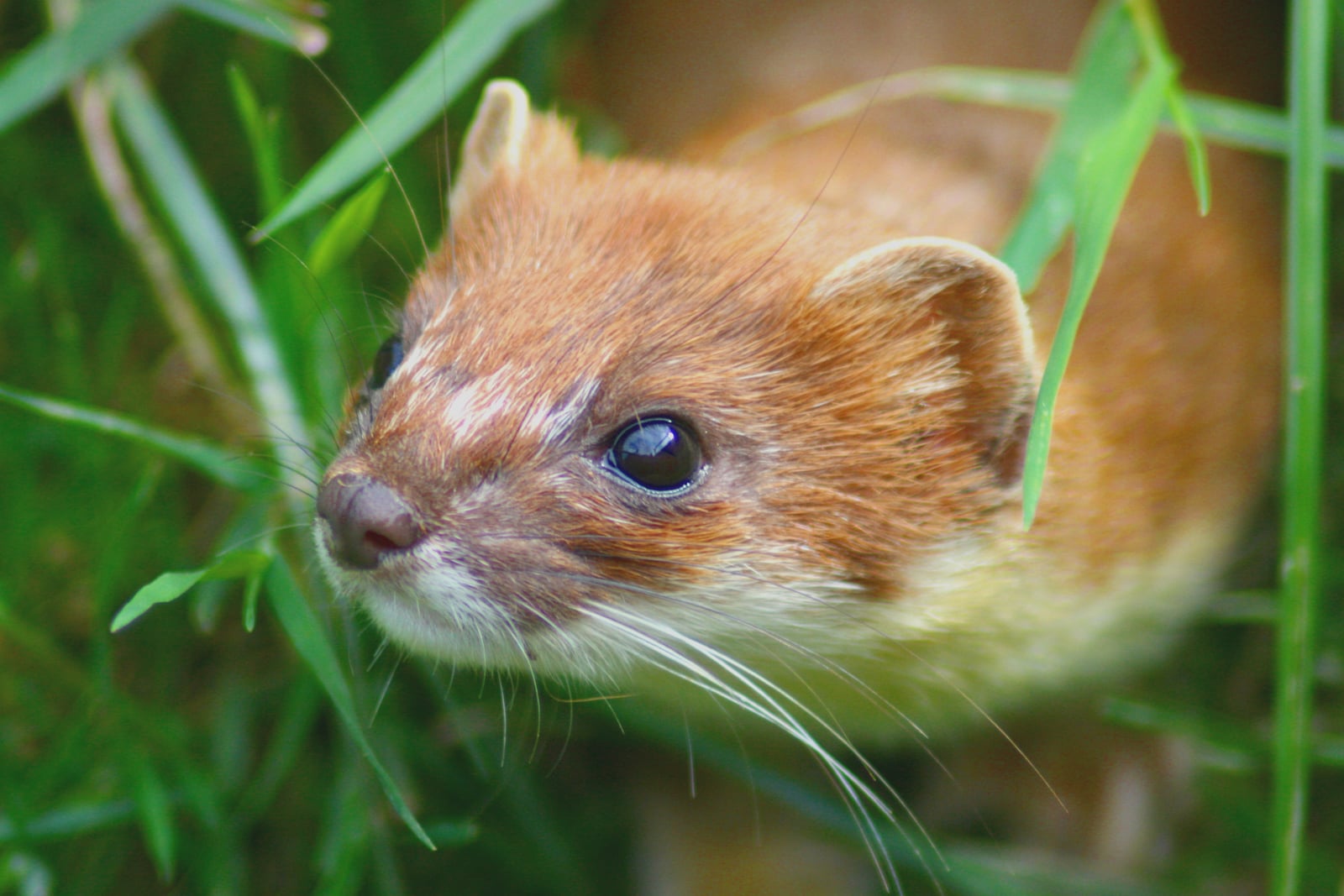
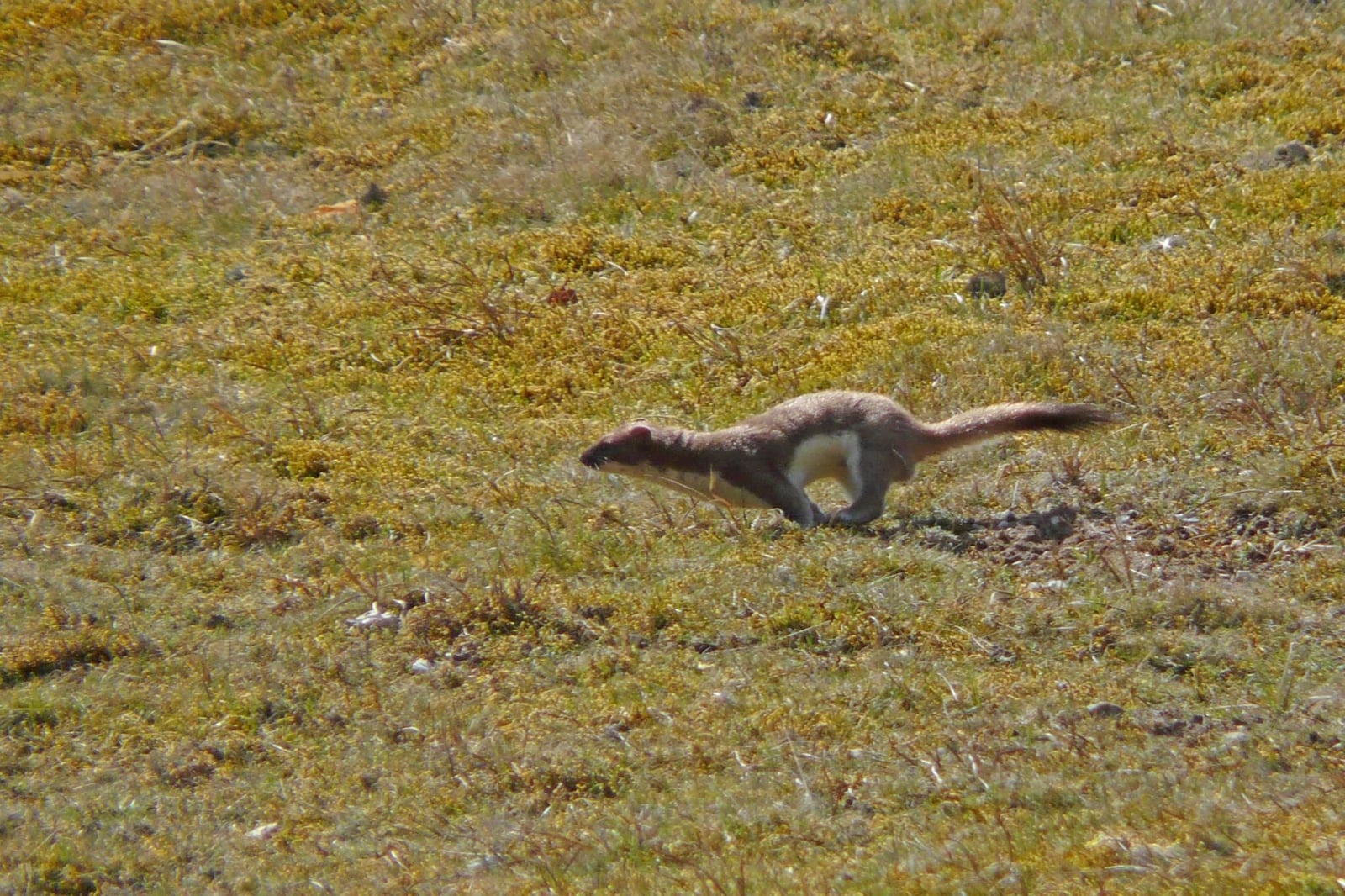
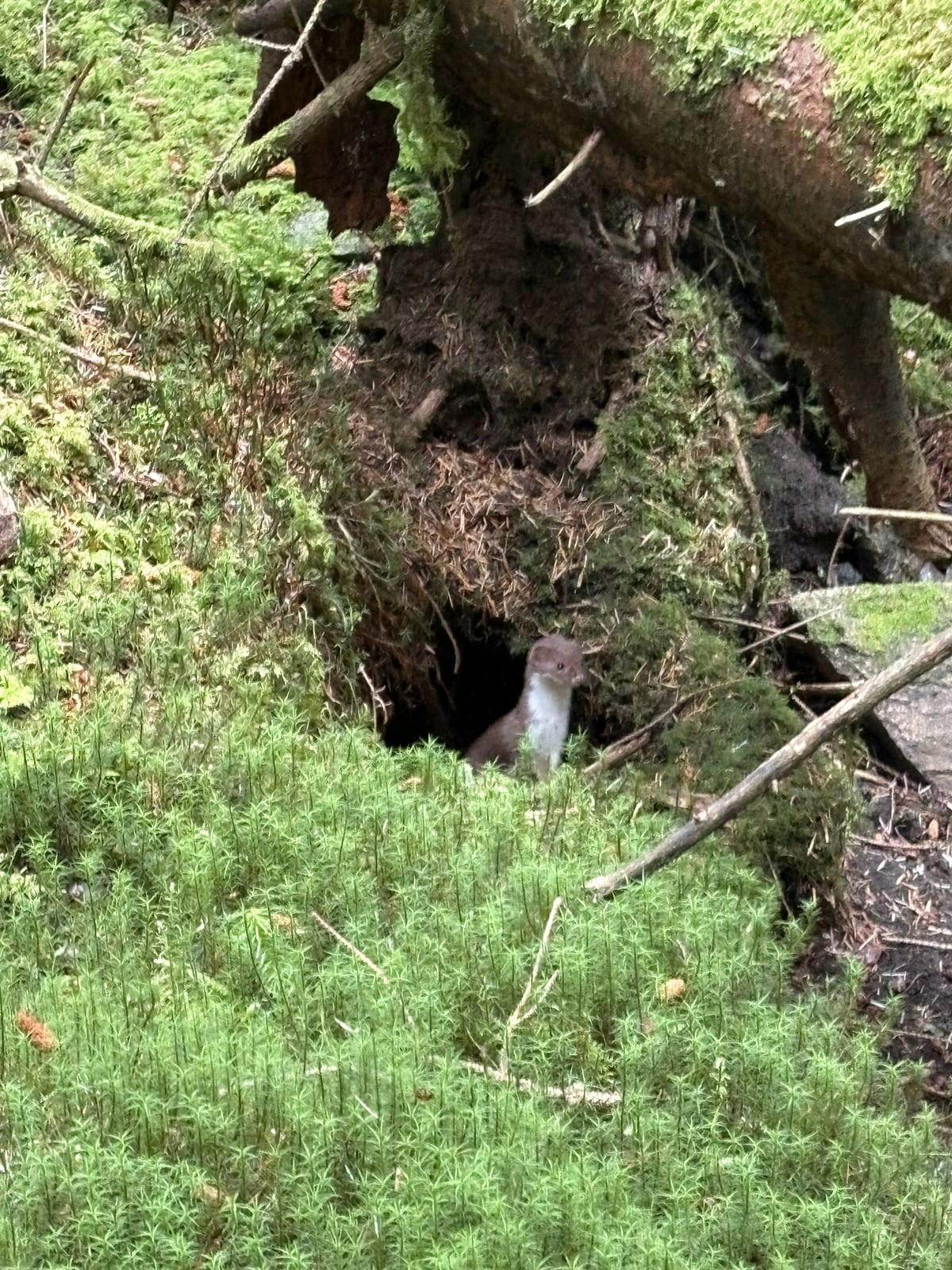
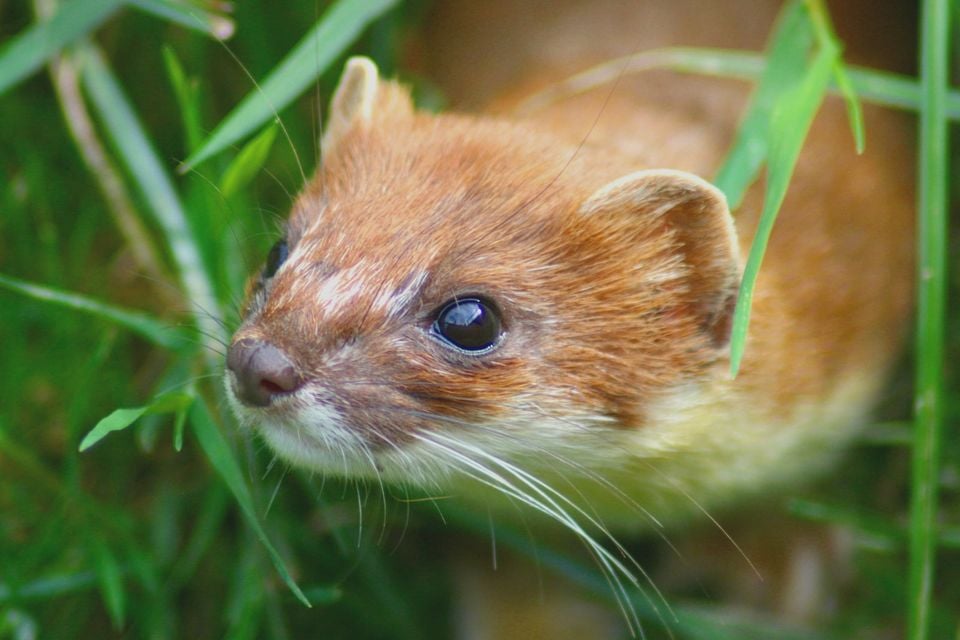
Just 3 records document the ermine in North Dakota, two from Richland County in the southeast and one from Barnes County, a sign of how rarely anybody catches one on camera or in the hand. These are small, fast weasels that hunt under snow and through dense grass, and they turn up in reports mostly by accident.

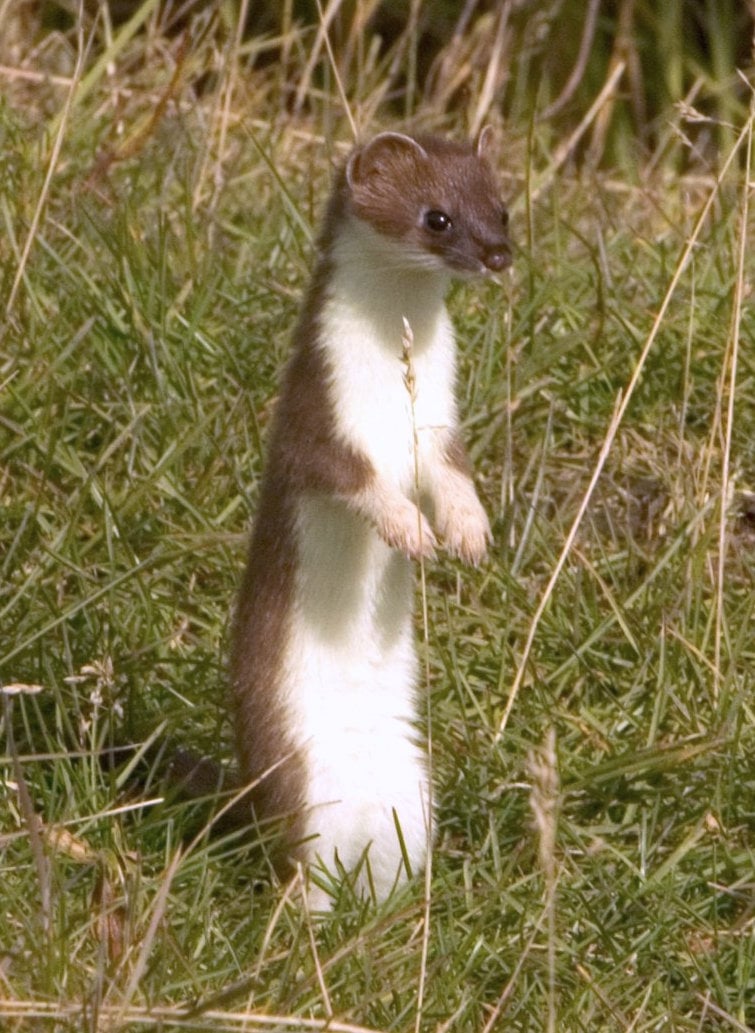
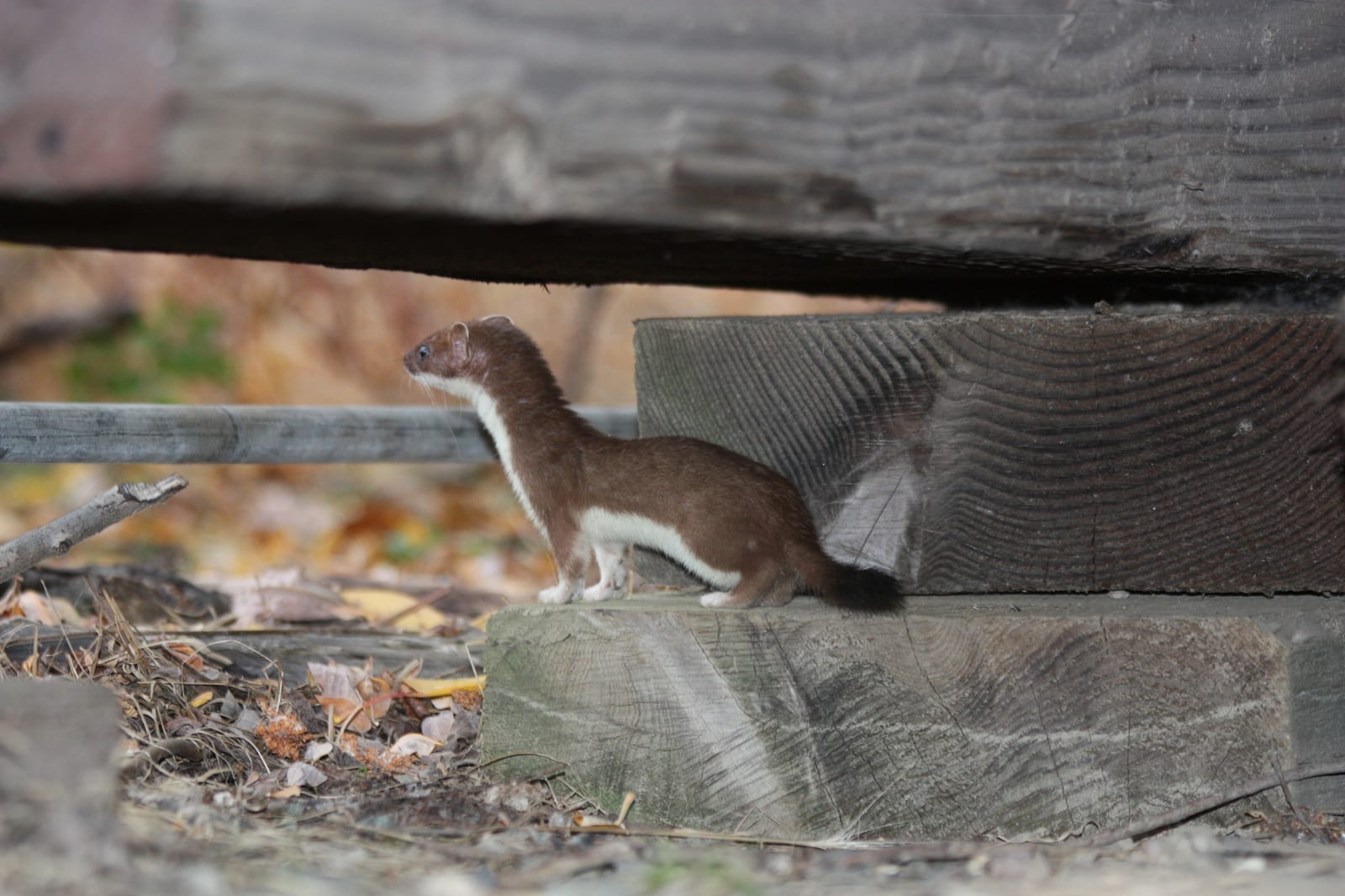
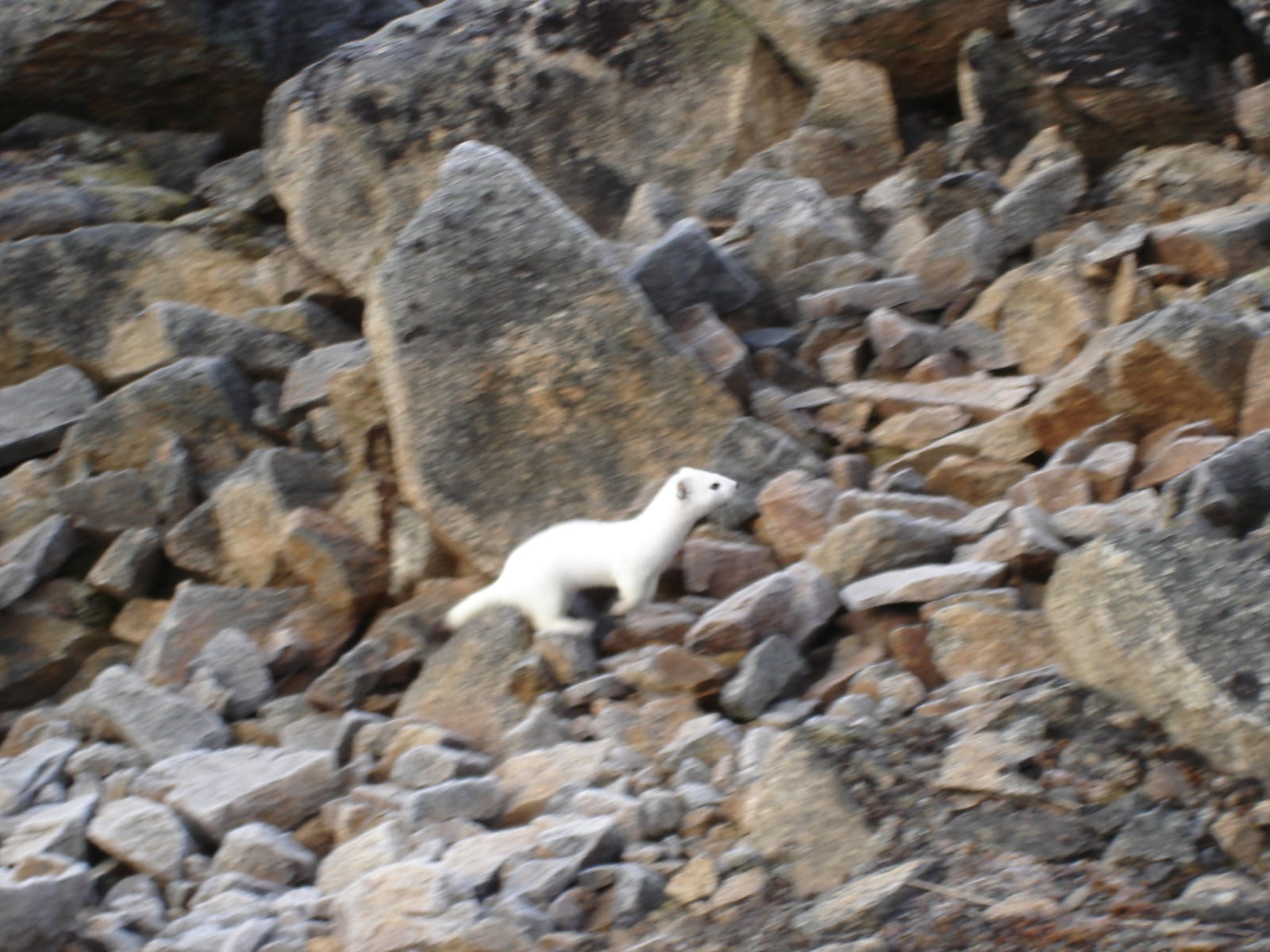
Three records can’t show a pattern. They fall in May, June, and August, which says more about when someone happened to see one than about an animal that’s active all year, trading summer brown for winter white as the seasons turn.

The big prairie refuges, J. Clark Salyer, Long Lake, Chase Lake, hold the kind of wet meadow and brushy edge an ermine likes. The low report count reflects how hard they are to see, not how rare they necessarily are. A walk after fresh snow is when this species is most likely to write its name across the state, one bounding trail at a time.
Occurrence data from iNaturalist and GBIF.

American Ermine in other states

More mammals in North Dakota in the atlas

Data & sources

The data and visualizations on this page draw on these open sources:

  • GBIFCC-BY 4.0occurrence records behind the range map, elevation, and record counts
  • iNaturalistCC0 / CC-BY / CC-BY-SAobservations, photos, and audio recordings
  • IUCN Red Listattributed factthe global conservation status
  • USGS NASpublic domainnative / introduced status
  • Natural Earthpublic domainthe relief basemap
  • USFSpublic domainnational-forest boundaries




