California mammals

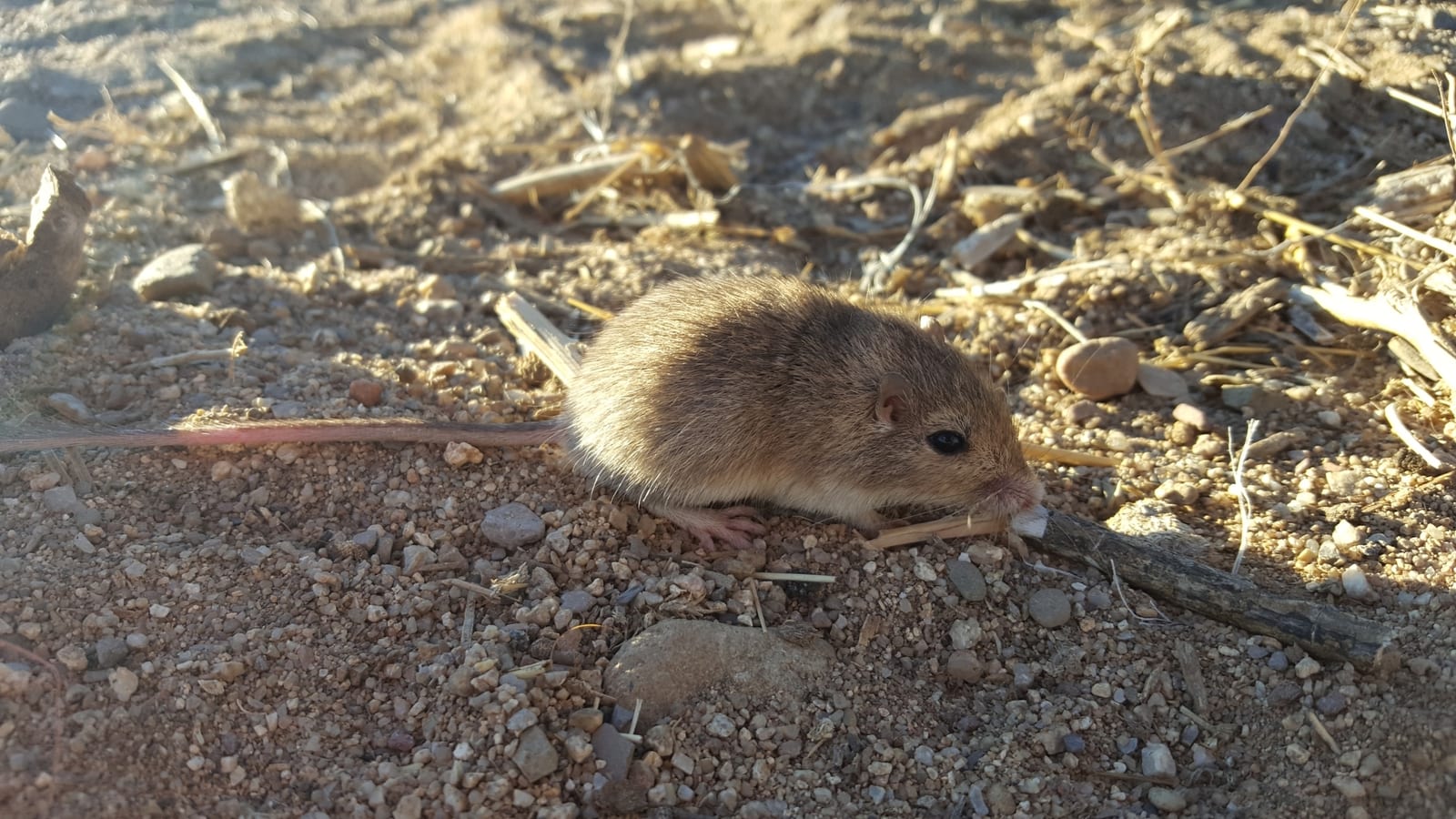
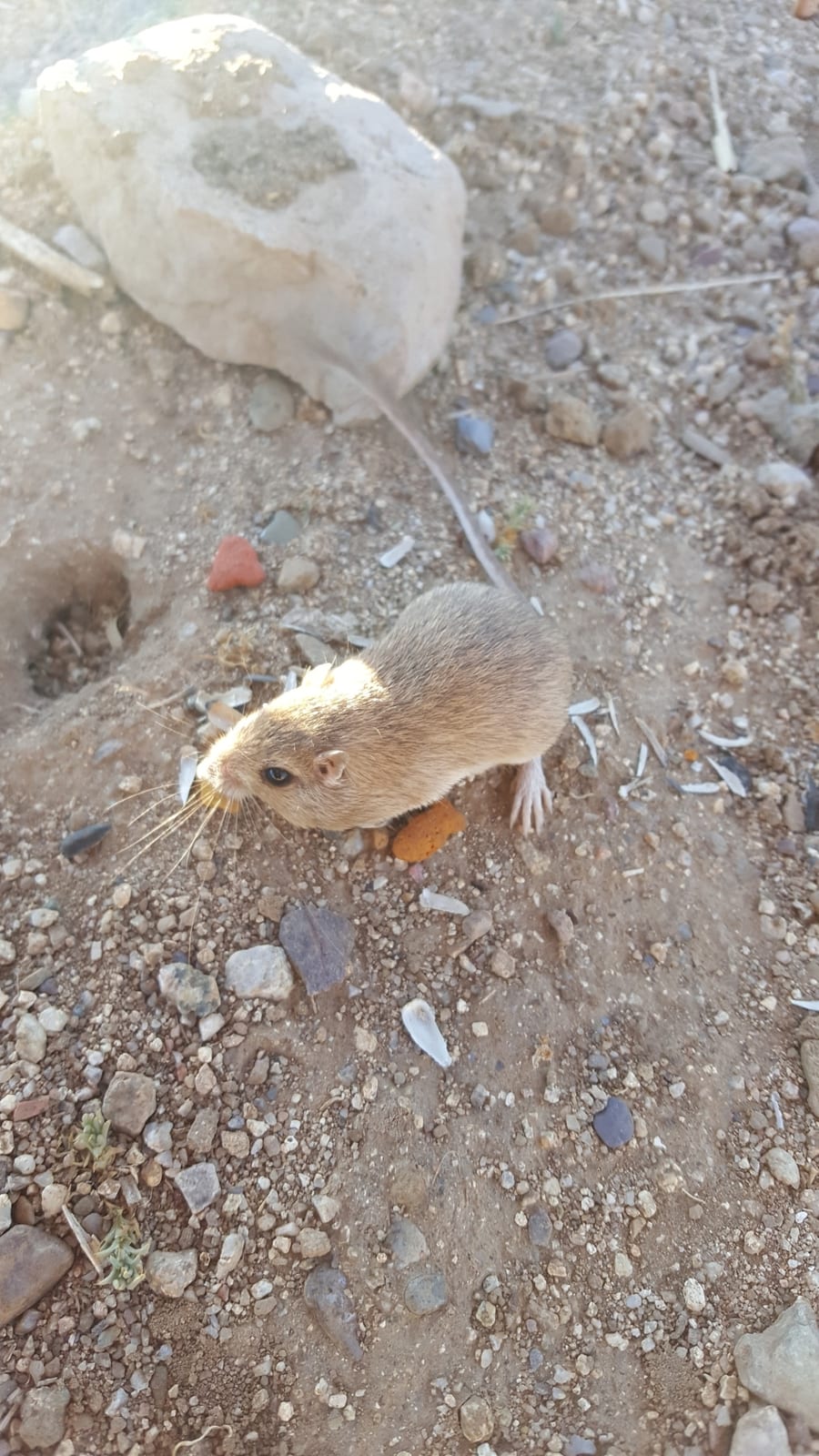
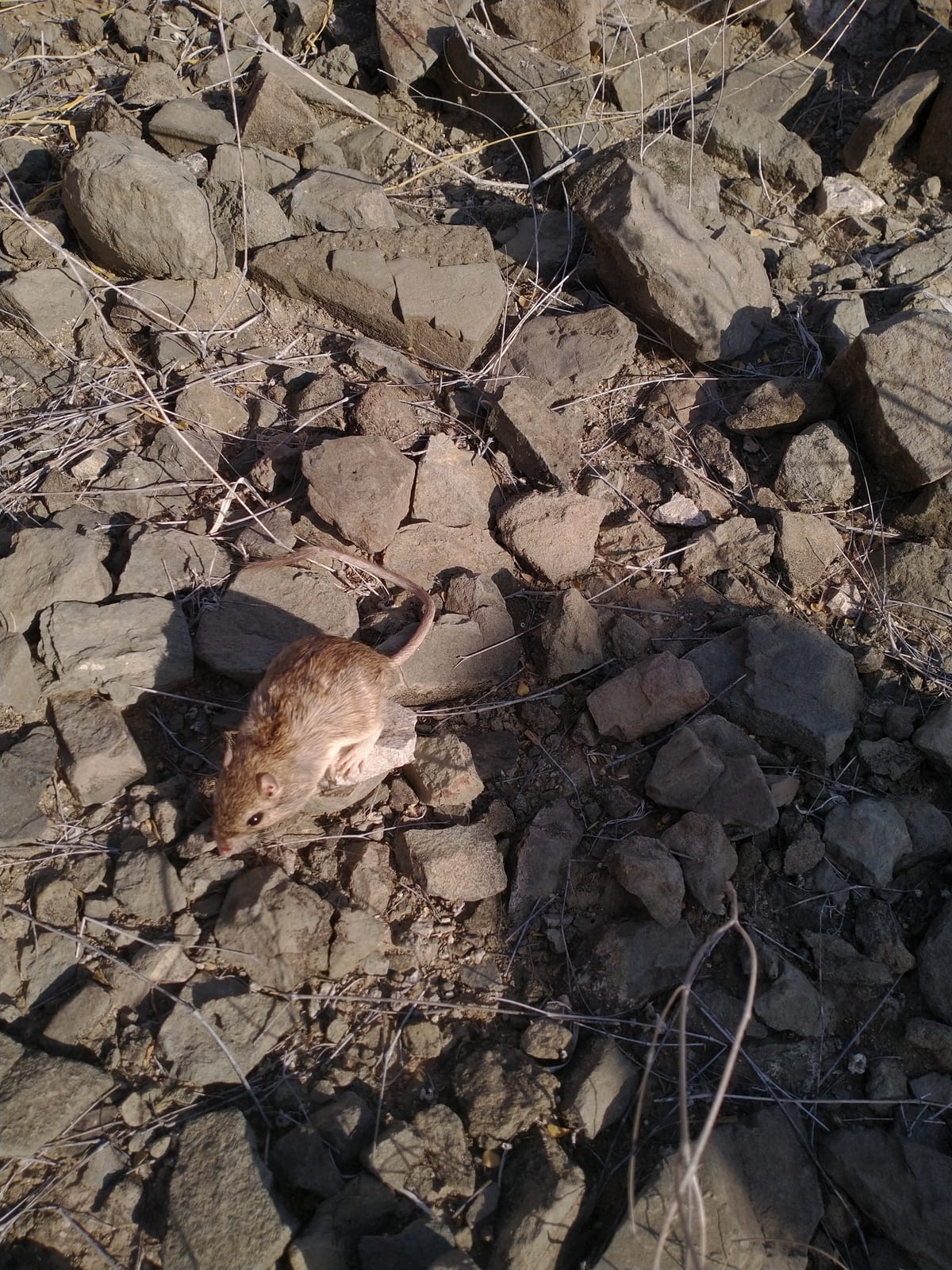
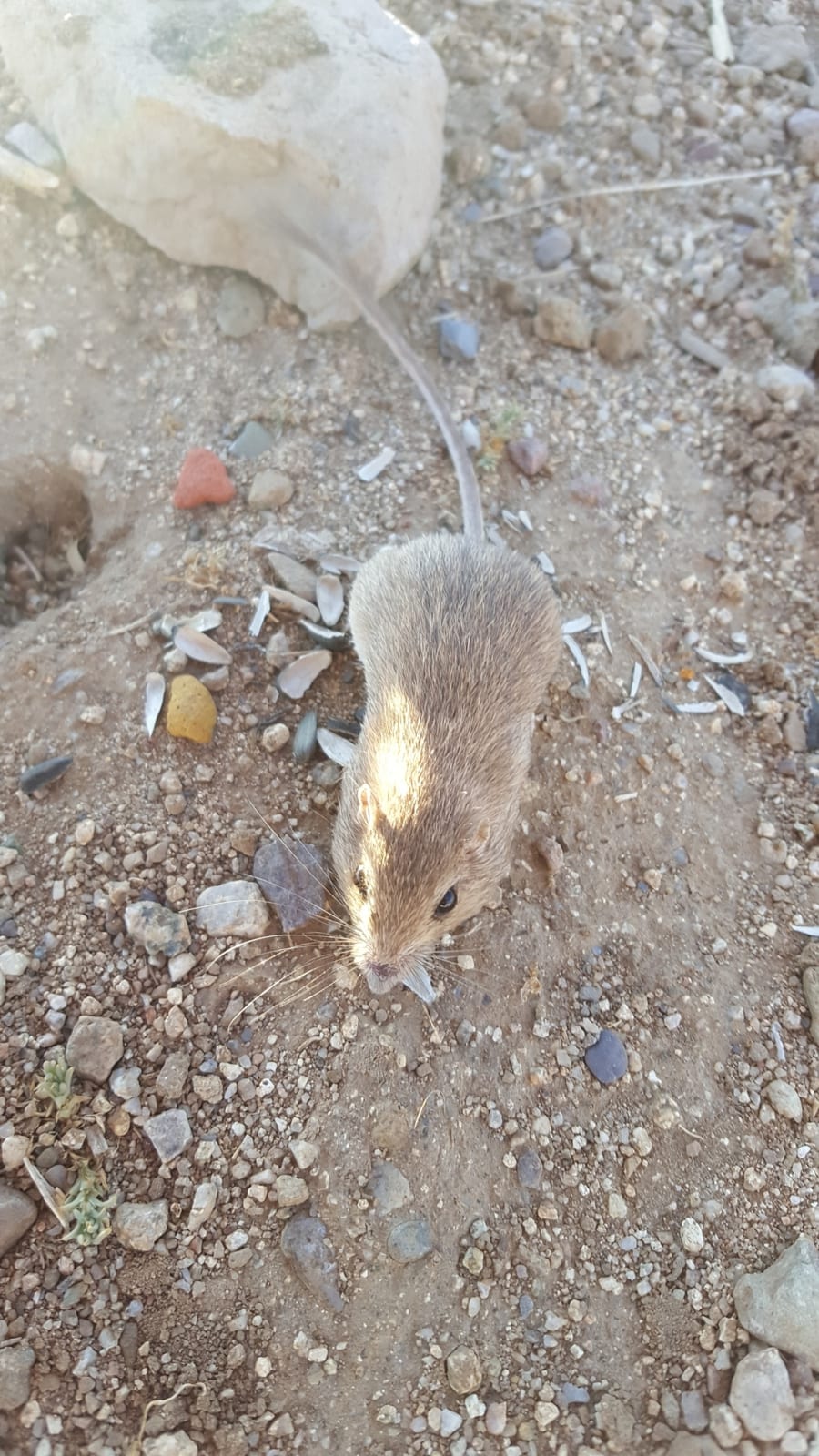
Bailey's Pocket Mouse in California

Chaetodipus baileyi

Native to California

Not listed as nonindigenous in California by USGS NAS; treated as native to its mapped California range.

IUCN Red List status

  1. LC
  2. NT
  3. VU
  4. EN
  5. CR
  6. EW
  7. EX

LC – Least Concern

Widespread and abundant; not at risk.

Bailey's Pocket Mouse in California, by the numbers

Rare in California 177th most recorded of 233 mammals logged in California

19 occurrence records

Records from 2000–2026.

When to look for the Bailey's Pocket Mouse in California

Most sightings fall in October.

19 California occurrence records (iNaturalist and GBIF) by month of year, 2000–2026. Shows when the species is recorded, not a guarantee of presence. Based on a small number of dated records; the seasonal pattern may not be representative.

Monthly California records (table)
MonthRecords
January0
February0
March0
April0
May5
June0
July0
August6
September0
October8
November0
December0

Monthly bailey's pocket mouse occurrence records (iNaturalist and GBIF) in California, 2000–2026.

Seasonality

Year-round in California, with recorded sightings peaking in October, with a smaller rise in May and August.

Occurrence map

Where Bailey's Pocket Mouse has been recorded in California

19 records mapped · zoom and drag to explore

19 California records mapped

Where it's recorded in California

CountyRecords
Riverside County 13
Imperial County 6

The complete county distribution, spread across 2 California counties. Every occurrence record falls in one county, so these sum to the total. Counties from GBIF and US Census boundaries.

Bailey’s Pocket Mouse records in California fit dry scrub, rocky canyons, and sandy or gravelly ground.

Reports center on the Mojave and Colorado deserts, including Death Valley and the Joshua Tree region. They show where people have documented the species, and they don’t rank California’s best habitat.

Reports rise most clearly in May, Aug, Oct. That pattern can reflect animal movements, weather, and observer effort, so it isn’t a population count.
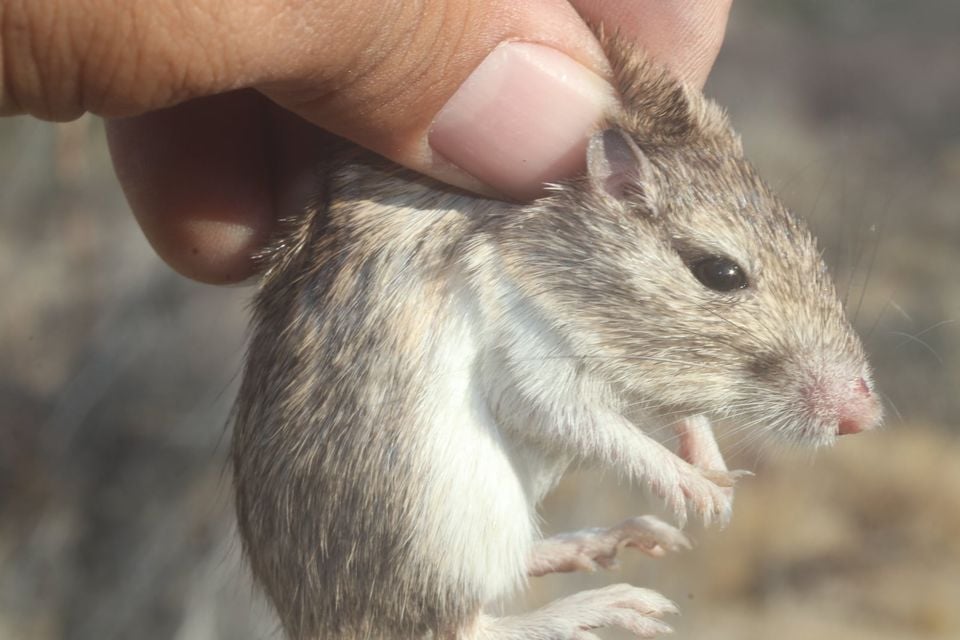

Occurrence data from GBIF.

More mammals in California in the atlas

Data & sources

The data and visualizations on this page draw on these open sources:

  • GBIFCC-BY 4.0occurrence records behind the range map, elevation, and record counts
  • iNaturalistCC0 / CC-BY / CC-BY-SAobservations, photos, and audio recordings
  • IUCN Red Listattributed factthe global conservation status
  • USGS NASpublic domainnative / introduced status
  • Natural Earthpublic domainthe relief basemap
  • USFSpublic domainnational-forest boundaries




