
Alaska mammals

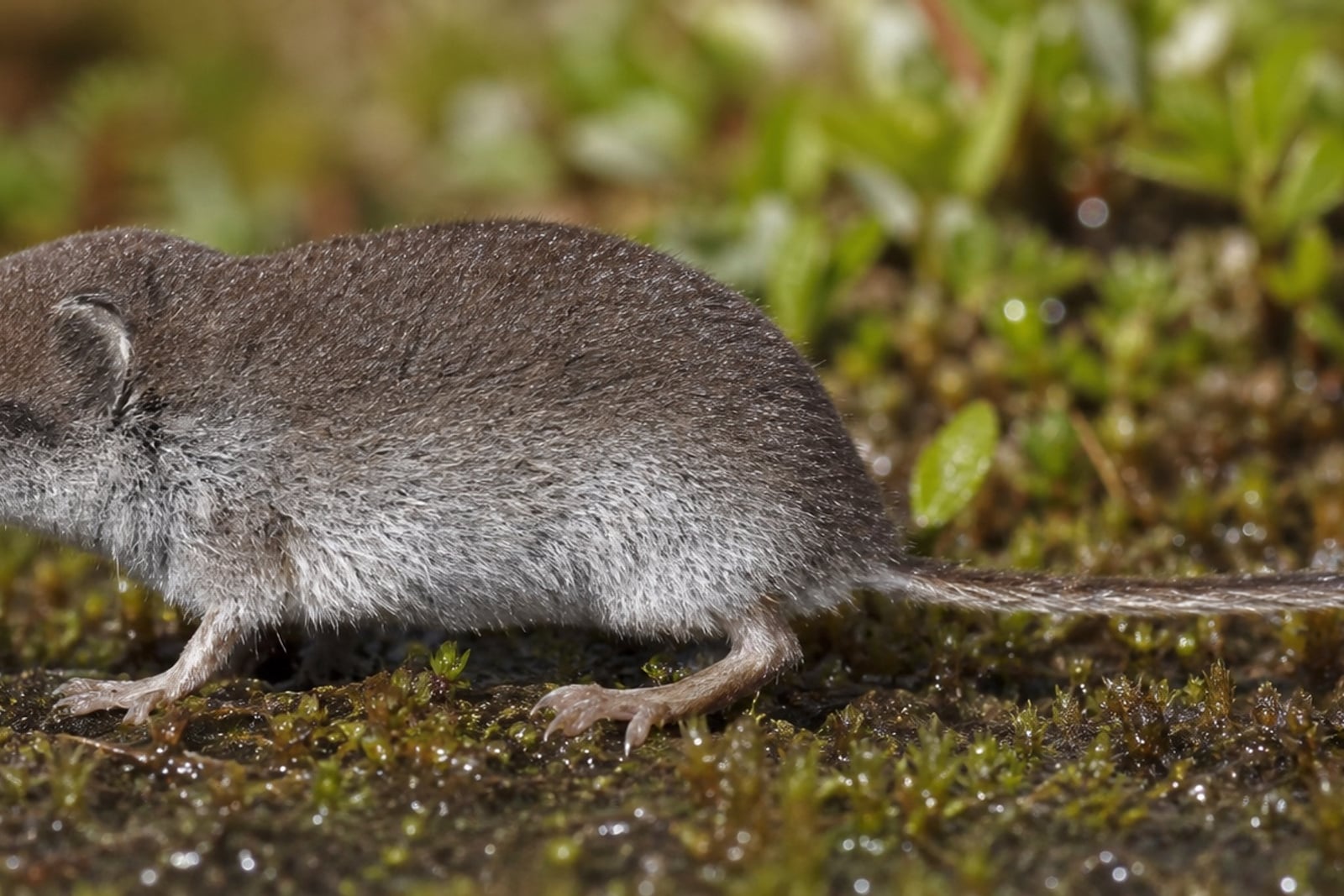
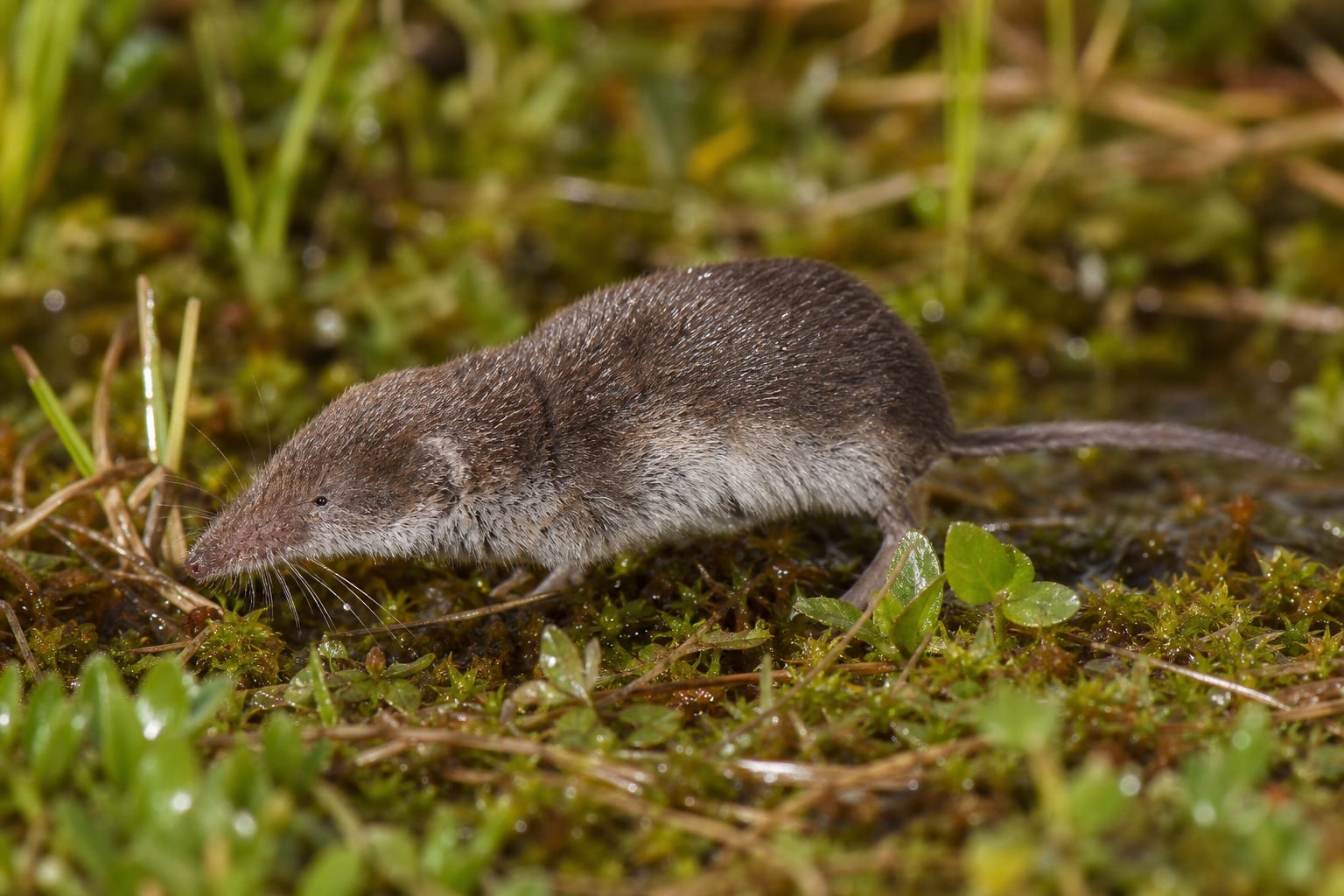
Barren Ground Shrew in Alaska

Sorex ugyunak

Native to Alaska S5 Secure in Alaska

Not listed as nonindigenous in Alaska by USGS NAS; native to its Alaska range.

IUCN Red List status

  1. LC
  2. NT
  3. VU
  4. EN
  5. CR
  6. EW
  7. EX

LC – Least Concern

Widespread and abundant; not at risk.

Barren Ground Shrew in Alaska, by the numbers

Occasional in Alaska 46th most recorded of 108 mammals logged in Alaska

308 occurrence records

308 total records count every Alaska occurrence from GBIF and iNaturalist; the map plots a georeferenced sample of 300.

When to look for the Barren Ground Shrew in Alaska

Most sightings fall in August.

308 Alaska occurrence records (iNaturalist and GBIF) by month of year. Shows when the species is recorded, not a guarantee of presence.

Monthly Alaska records (table)
MonthRecords
January0
February0
March2
April2
May0
June8
July67
August194
September30
October5
November0
December0

Monthly barren ground shrew occurrence records (iNaturalist and GBIF) in Alaska.

Seasonality

Year-round in Alaska, with recorded sightings peaking in August.

Occurrence map

Where Barren Ground Shrew has been recorded in Alaska

300 records mapped · zoom and drag to explore

299 Alaska records mapped

Notable places to look

Park, forest, or monumentiNaturalist records
Gates of the Arctic National Park 67
Noatak National Preserve 38
Bering Land Bridge National Preserve 15
State Tentatively Approved (tad) 14
Gates of the Arctic National Preserve 11
Mollie Beattie Wilderness Area 10
Kobuk Valley National Park 10
Cape Krusenstern National Monument 6

Protected places with the most barren ground shrew sightings, from the USGS Protected Areas Database plus named mountain ranges, good spots to look, not a full breakdown, so they don't sum to the total.

Where it's recorded in Alaska

CountyRecords
North Slope County 171
Northwest Arctic County 101
Nome County 20
Yukon-Koyukuk County 9
Other localities 7

The complete county distribution, spread across 4 Alaska counties. Every occurrence record falls in one county, so these sum to the total. Counties from GBIF and US Census boundaries.

GBIF records, 308 of them and zero from iNaturalist, concentrate in Arctic National Wildlife Refuge, the North Slope, and Gates of the Arctic National Park and Preserve, the wet sedge tundra and grassland this tiny shrew calls home.

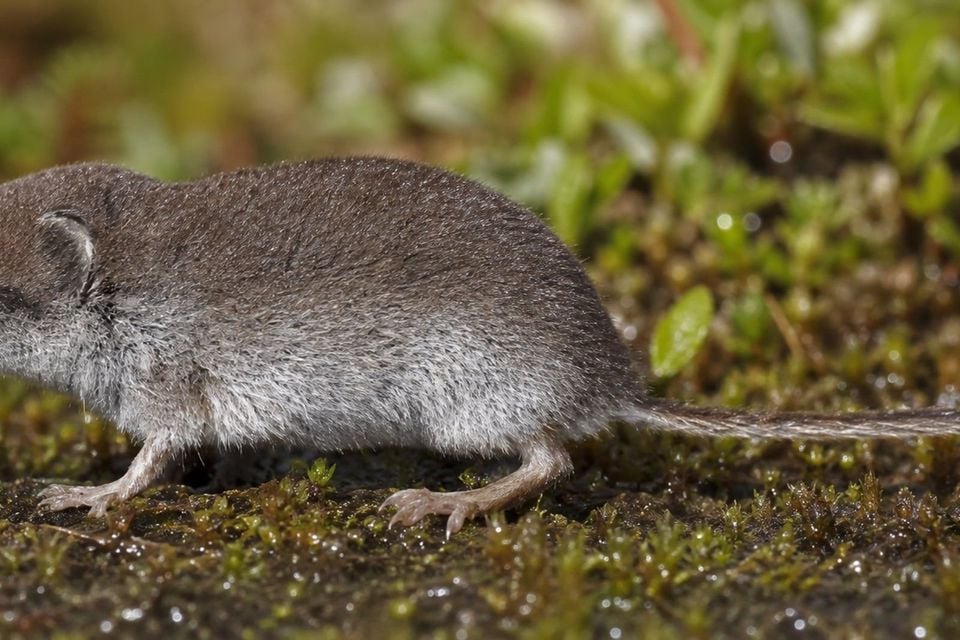
Barely three inches long including its tail and weighing about as much as a nickel, this shrew hunts insects and other small invertebrates almost constantly, a pace it needs to fuel a metabolism that runs hot at that size. It doesn’t hibernate, staying active through the Arctic winter under snow cover rather than sleeping it off.

Nearly all records land in July and August. That narrow window says less about when the shrew is actually active and more about when researchers are out trapping small mammals during the Arctic’s brief field season.
Occurrence data from GBIF.

More mammals in Alaska in the atlas

Data & sources

The data and visualizations on this page draw on these open sources:

  • GBIFCC-BY 4.0occurrence records behind the range map, elevation, and record counts
  • iNaturalistCC0 / CC-BY / CC-BY-SAobservations, photos, and audio recordings
  • NatureServe ExplorerCC-BYthe state conservation rank
  • IUCN Red Listattributed factthe global conservation status
  • USGS NASpublic domainnative / introduced status
  • Natural Earthpublic domainthe relief basemap
  • USFSpublic domainnational-forest boundaries
  • USGS Protected Areas Databasepublic domainthe named parks, forests, and refuges behind "notable places to look"




