
A tiny shrew built for the tundra edge
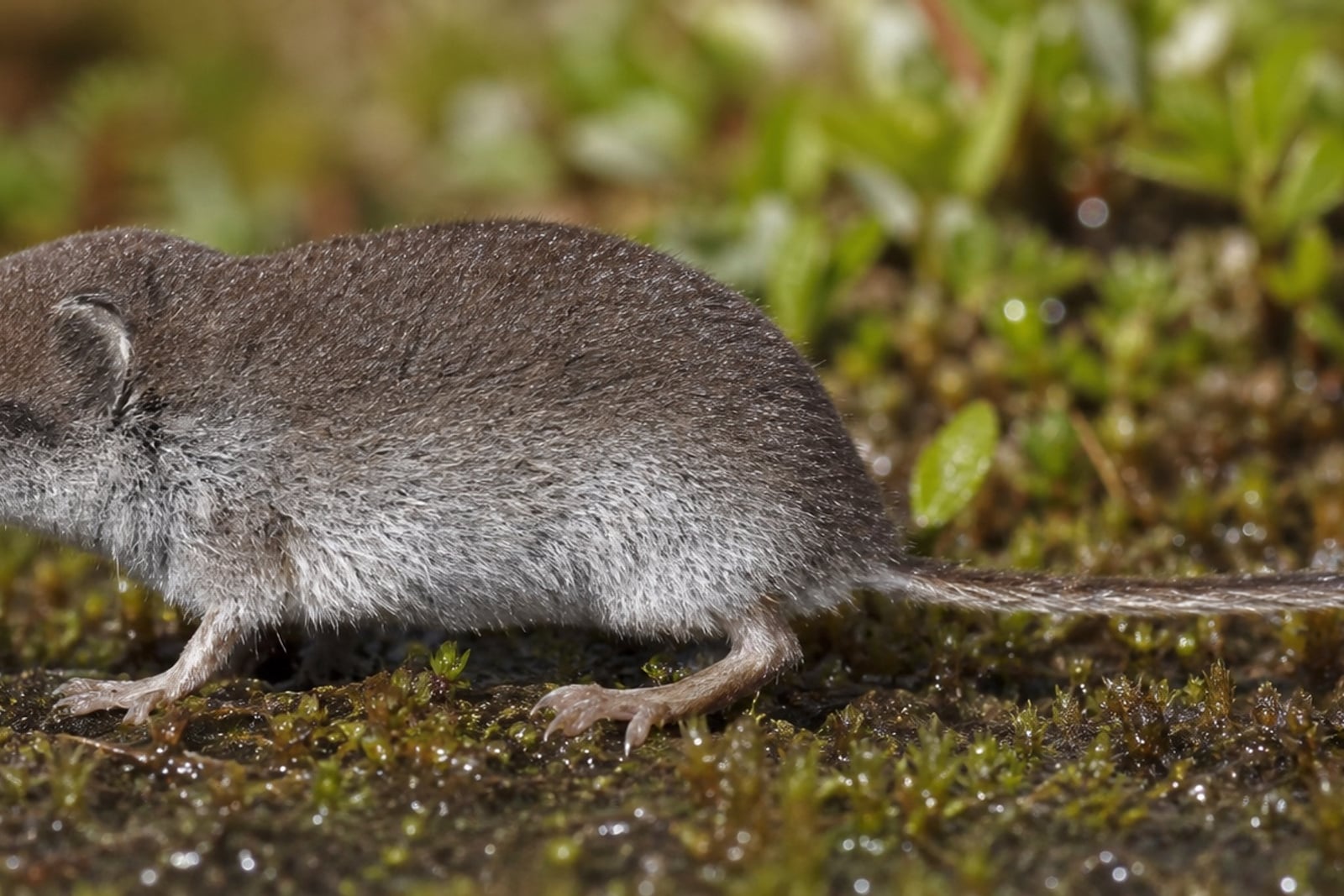
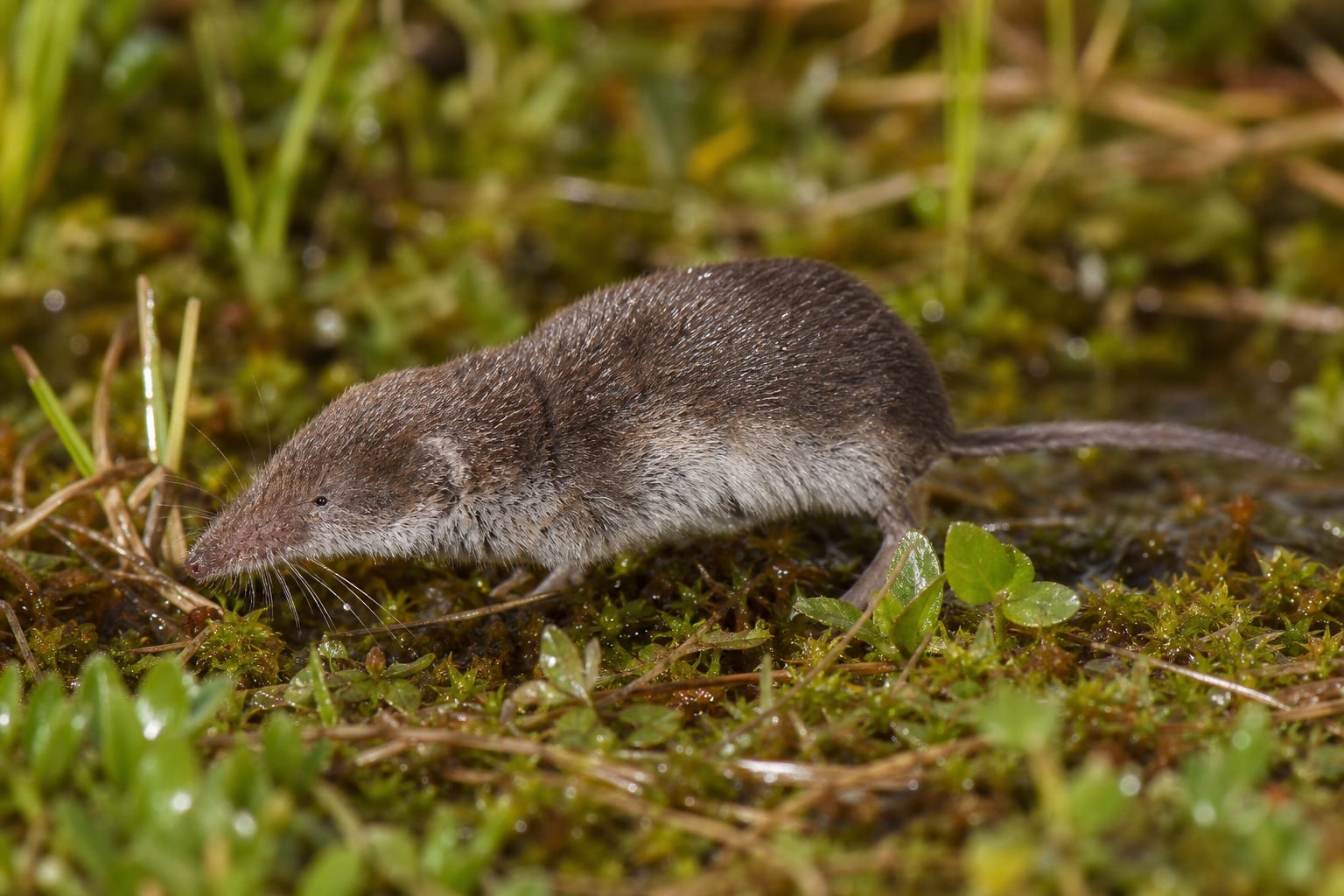
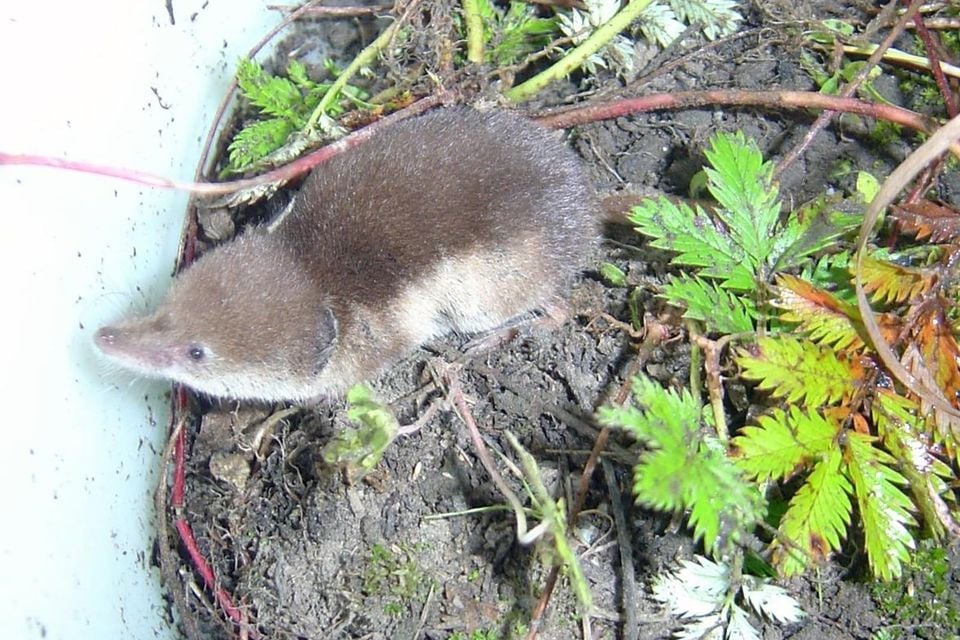
The barren ground shrew is one of the smallest mammals in Alaska. It weighs about as much as a couple of paperclips and measures roughly 3 inches nose to tail, more than a third of that length in the tail alone. Like every Sorex shrew, it runs on a tiny, high-metabolism body plan: a pointed snout bristling with whiskers, small eyes it barely relies on, and a need to eat almost constantly just to cover the energy cost of staying warm. Its name describes its habitat rather than a bare landscape devoid of life. It’s a shrew of open, low tundra and wet sedge meadows well north of the tree line. That ground looks stark compared to forest, but it supports a dense living of insects and other invertebrates just under the surface.
Where the records point
Nearly every documented record of this shrew comes from Alaska. The pattern within the year is sharp: reports climb through July and peak hard in August, then fall away fast. That’s less a statement about when the shrew is active and more a reflection of when researchers and trappers are out working the tundra, since shrews are notoriously undersampled outside the short arctic field season. Its habitat runs to wet sedge meadows, tussock tundra, and grassy wetland edges. Surface moisture on that ground keeps invertebrate prey abundant even through a short growing season.
An insect-hunter that never really stops
Diet leans heavily on invertebrates, supplemented by scavenged carrion when the chance comes up, an opportunism common across the whole shrew family. Activity records show it moving around the clock rather than settling into one clear schedule. It hunts by day, at dusk, and at night in roughly equal measure. That constant activity isn’t a lifestyle choice so much as a metabolic requirement. A body this small loses heat fast, especially through a subarctic summer’s cool nights, and a shrew that stops foraging for too long risks starving before its next meal.
A short, fast life at the edge of the world
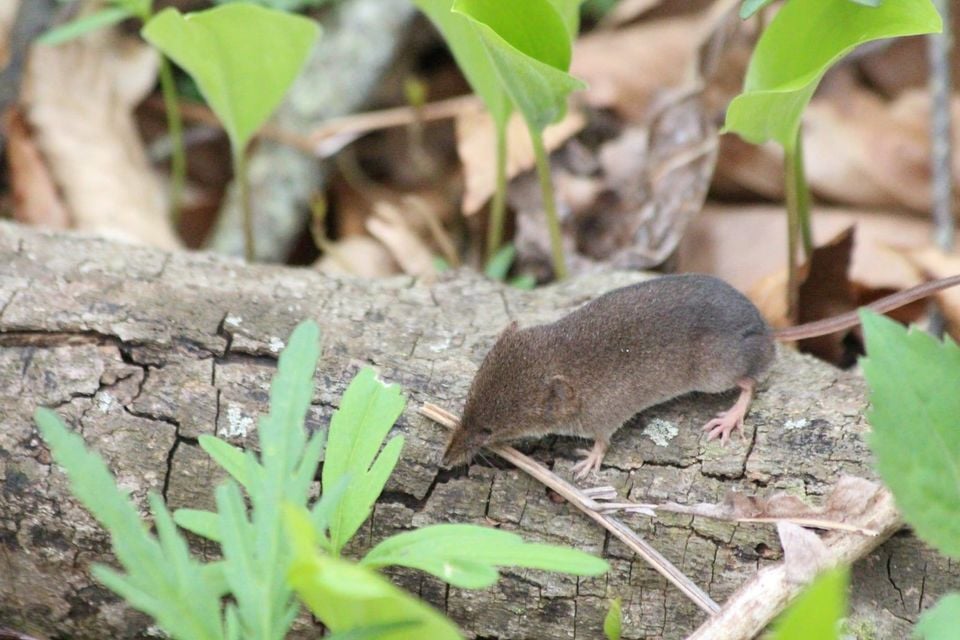
Barren ground shrews breed fast and don’t live long. Litters average six or seven pups, females can produce close to two litters a year, and few individuals survive much past two years even in good conditions. That rapid turnover is typical of small shrews generally, trading a short lifespan for a population that can rebound quickly after a hard winter. Identifying a barren ground shrew in hand is difficult even for specialists. Several other small Sorex shrews share very similar coloring and proportions across the Alaskan tundra, and confirming the exact species usually depends on dental or genetic examination rather than looks alone. The IUCN lists it as Least Concern, consistent with a shrew whose range and habitat both remain intact across the open tundra it calls home.




