
Florida mammals

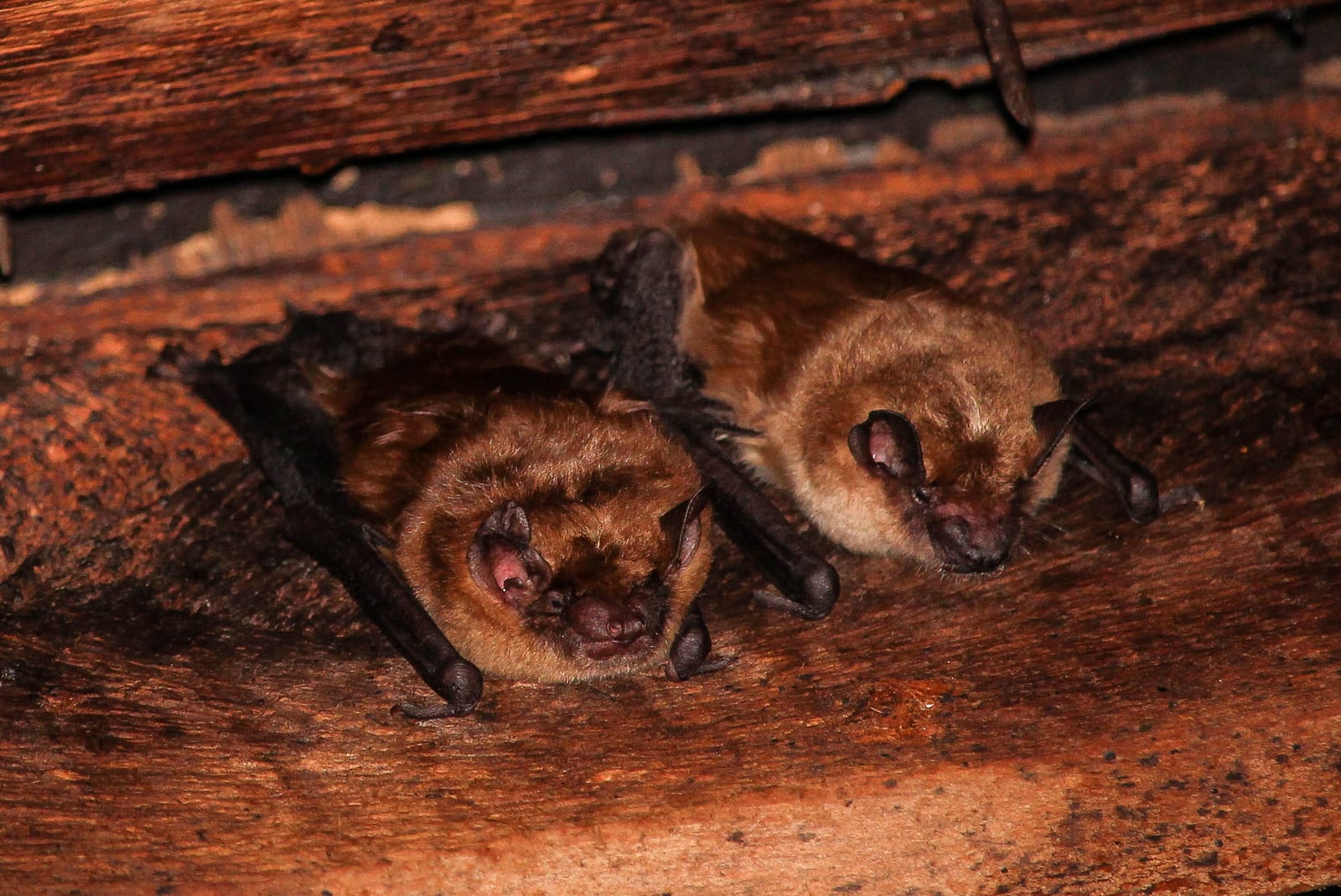
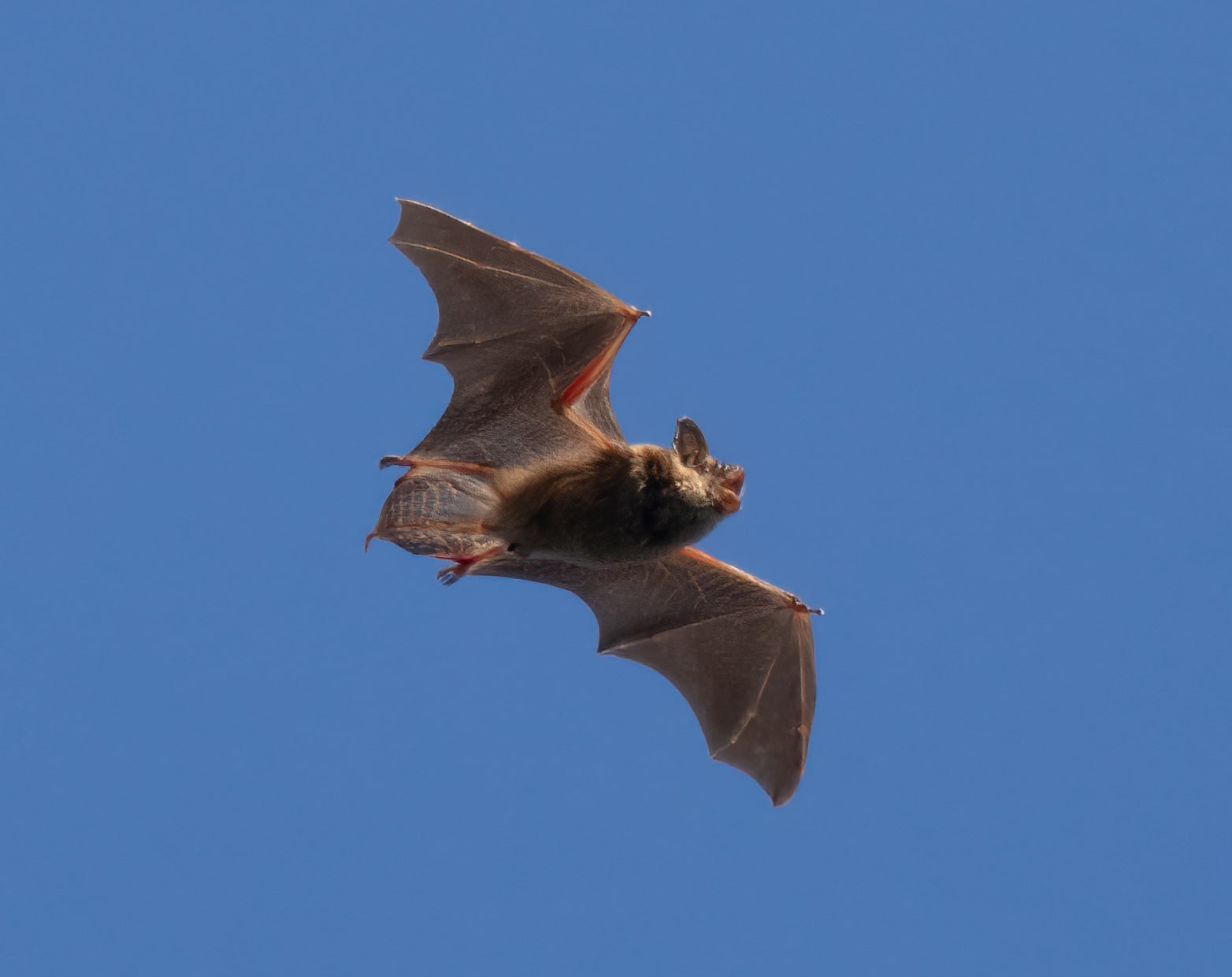
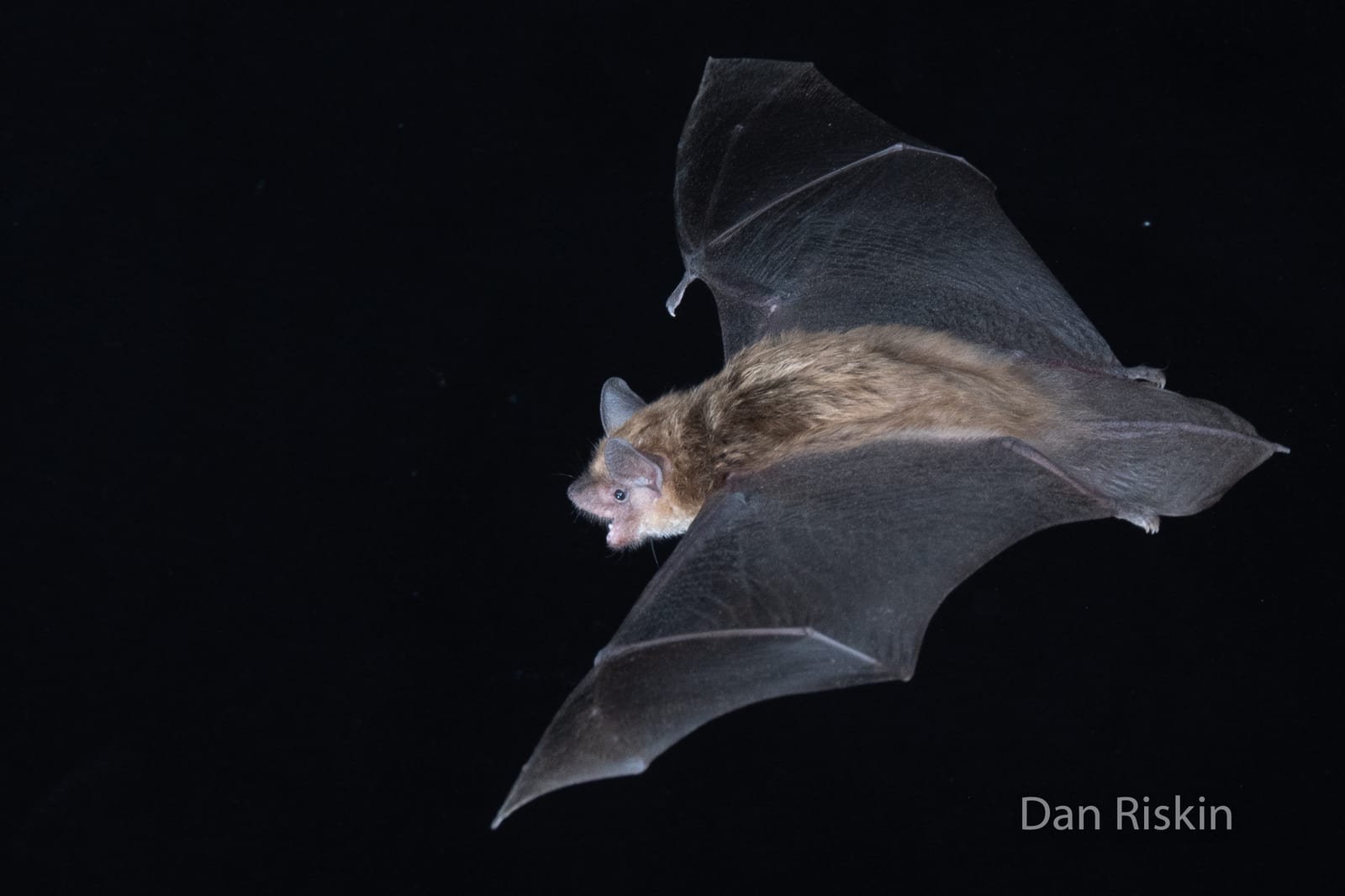
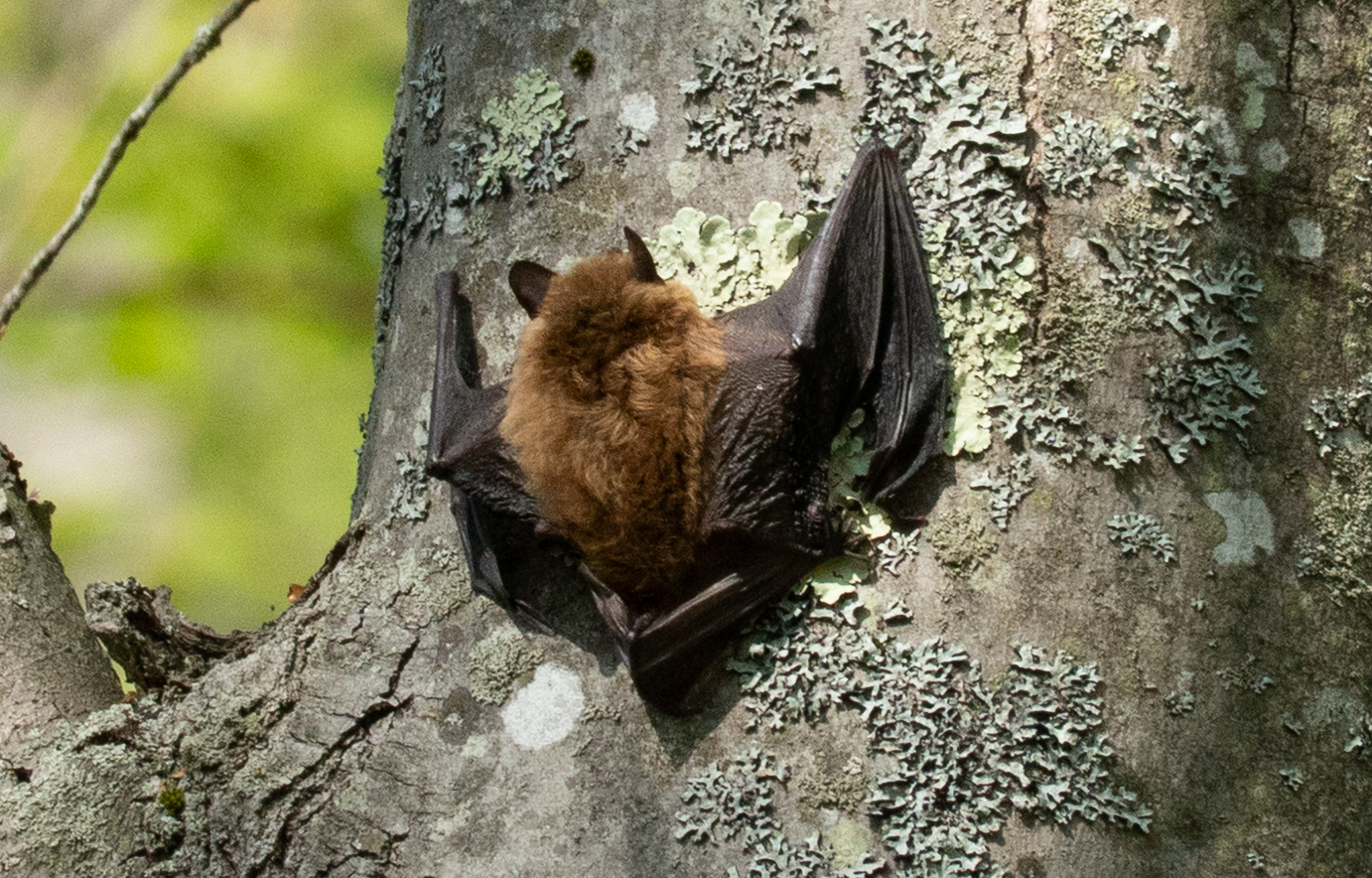
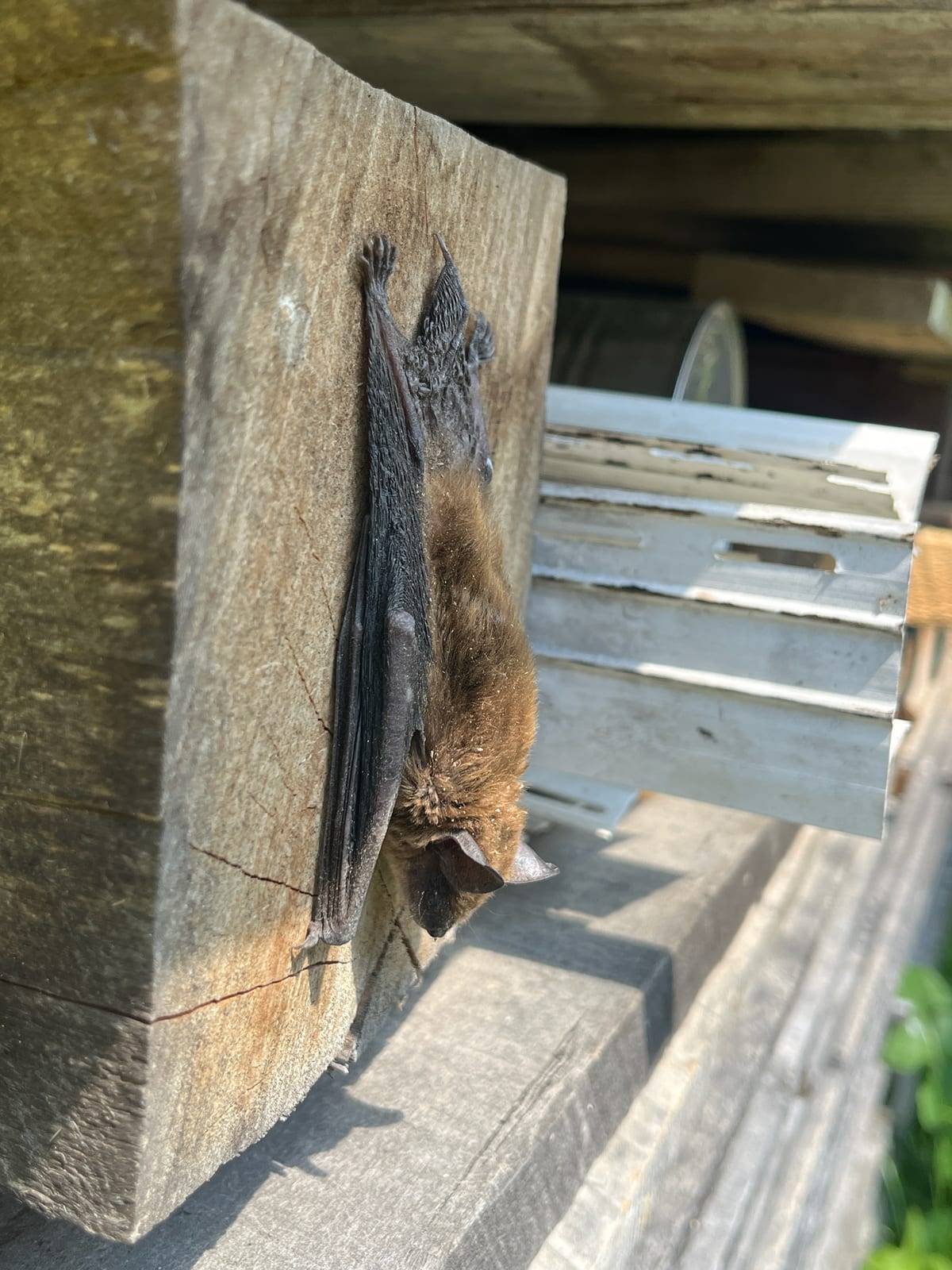
Big Brown Bat in Florida

Eptesicus fuscus

Native to Florida S3 Vulnerable in Florida

Not listed as nonindigenous in Florida by USGS NAS; native to its Florida range.

IUCN Red List status

  1. LC
  2. NT
  3. VU
  4. EN
  5. CR
  6. EW
  7. EX

LC – Least Concern

Widespread and abundant; not at risk.

Big Brown Bat in Florida, by the numbers

Occasional in Florida 71st most recorded of 116 mammals logged in Florida

66 occurrence records
12 with iNaturalist photos
Jun 21, 2026 Last seen in Florida

Records from 2000–2026.

66 total records count every Florida occurrence from GBIF and iNaturalist; the monthly chart covers the 44 records with a full observation date.

When to look for the Big Brown Bat in Florida

Most sightings fall in June.

44 Florida occurrence records (iNaturalist and GBIF) by month of year, 2000–2026. Shows when the species is recorded, not a guarantee of presence.

Monthly Florida records (table)
MonthRecords
January3
February4
March2
April2
May3
June14
July6
August4
September2
October0
November2
December2

Monthly big brown bat occurrence records (iNaturalist and GBIF) in Florida, 2000–2026.

Seasonality

Year-round in Florida, with recorded sightings peaking in June.

Occurrence map

Where Big Brown Bat has been recorded in Florida

66 records mapped · zoom and drag to explore

66 Florida records mapped

Notable places to look

Park, forest, or monumentiNaturalist records
Stephen Foster Folk Culture Center State Park 1
Gulf Islands National Seashore 1
Split Oak Forest Mitigation Park Wildlife and Environmental Area 1

Protected places with the most big brown bat sightings, from the USGS Protected Areas Database plus named mountain ranges, good spots to look, not a full breakdown, so they don't sum to the total.

Where it's recorded in Florida

CountyRecords
Miami-Dade County 21
Collier County 8
Escambia County 6
Leon County 5
Duval County 3
Marion County 3
Polk County 3
Volusia County 3
Sarasota County 2
Columbia County 2
Highlands County 2
Indian River County 2
6 other counties 6

The complete county distribution, spread across 18 Florida counties. Every occurrence record falls in one county, so these sum to the total. Counties from GBIF and US Census boundaries.

Florida’s 66 big brown bat records span a data window back to 2000, with most coming through GBIF survey data and a smaller share, 12 records, posted to iNaturalist. NatureServe ranks the species S3, vulnerable in Florida, even though it’s classified as globally secure (G5), a reminder that state-level status can differ from the bigger picture.

June stands out clearly, with 14 records, roughly double any other month. That could reflect maternity roosts becoming more active and detectable in early summer, or simply more people out and reporting bats then. Either way, the rest of the year shows only scattered records, two or three per month.
Occurrence data from iNaturalist and GBIF.

More mammals in Florida in the atlas

Data & sources

The data and visualizations on this page draw on these open sources:




