Texas mammals

Botta's Pocket Gopher in Texas

Thomomys bottae

Native to Texas S5 Secure in Texas

Not listed as nonindigenous in Texas by USGS NAS; native to its Texas range.

IUCN Red List status

  1. LC
  2. NT
  3. VU
  4. EN
  5. CR
  6. EW
  7. EX

LC – Least Concern

Widespread and abundant; not at risk.

Botta's Pocket Gopher in Texas, by the numbers

Occasional in Texas 123rd most recorded of 197 mammals logged in Texas

21 occurrence records

Records from 2000–2026.

When to look for the Botta's Pocket Gopher in Texas

Most sightings fall in October.

21 Texas occurrence records (iNaturalist and GBIF) by month of year, 2000–2026. Shows when the species is recorded, not a guarantee of presence. Based on a small number of dated records; the seasonal pattern may not be representative.

Monthly Texas records (table)
MonthRecords
January4
February2
March4
April0
May1
June0
July2
August1
September0
October7
November0
December0

Monthly botta's pocket gopher occurrence records (iNaturalist and GBIF) in Texas, 2000–2026.

Seasonality

Year-round in Texas, with recorded sightings peaking in October.

Occurrence map

Where Botta's Pocket Gopher has been recorded in Texas

21 records mapped · zoom and drag to explore

21 Texas records mapped

Where it's recorded in Texas

CountyRecords
Jeff Davis County 12
Presidio County 4
El Paso County 2
Culberson County 2
Pecos County 1

The complete county distribution, spread across 5 Texas counties. Every occurrence record falls in one county, so these sum to the total. Counties from GBIF and US Census boundaries.

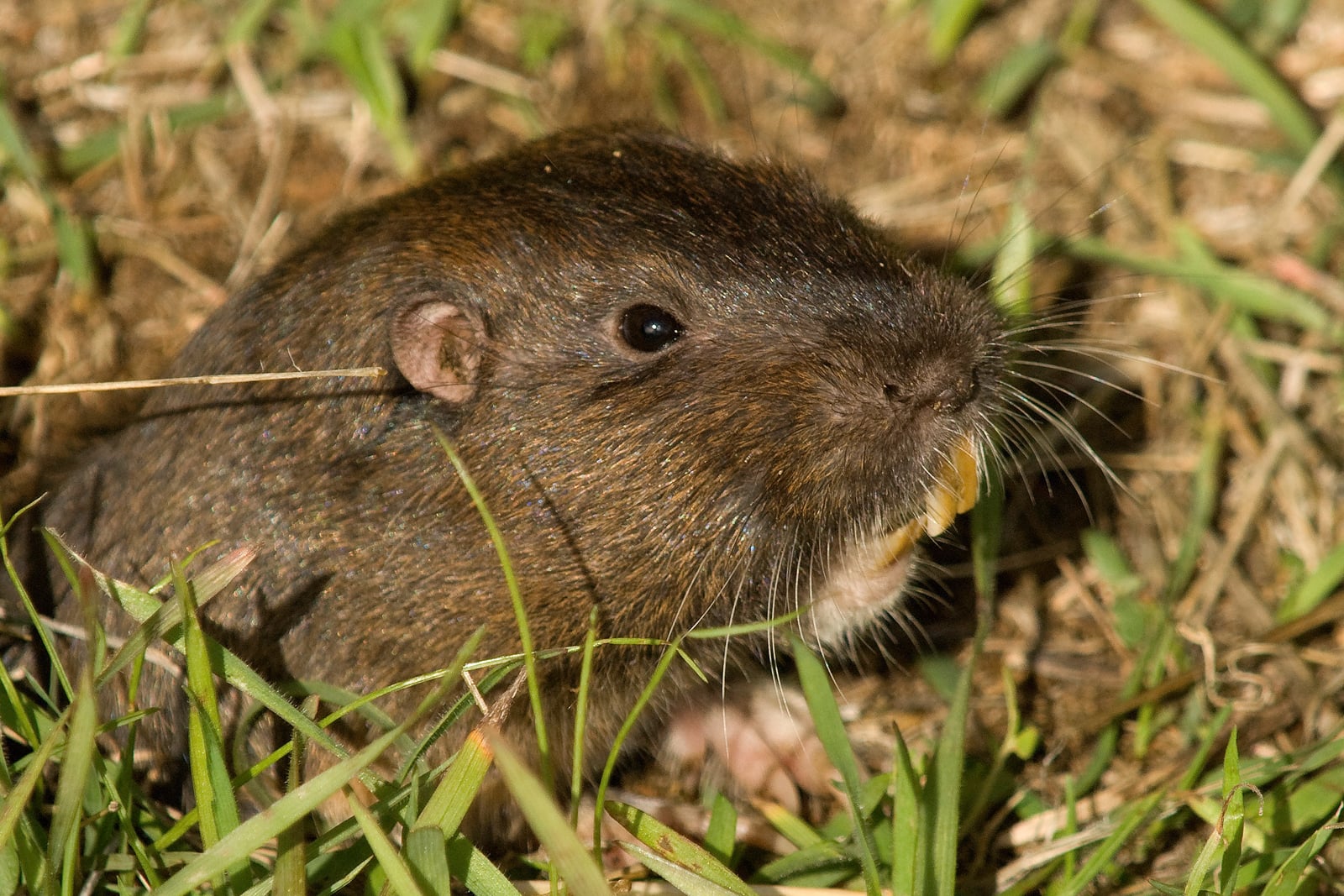
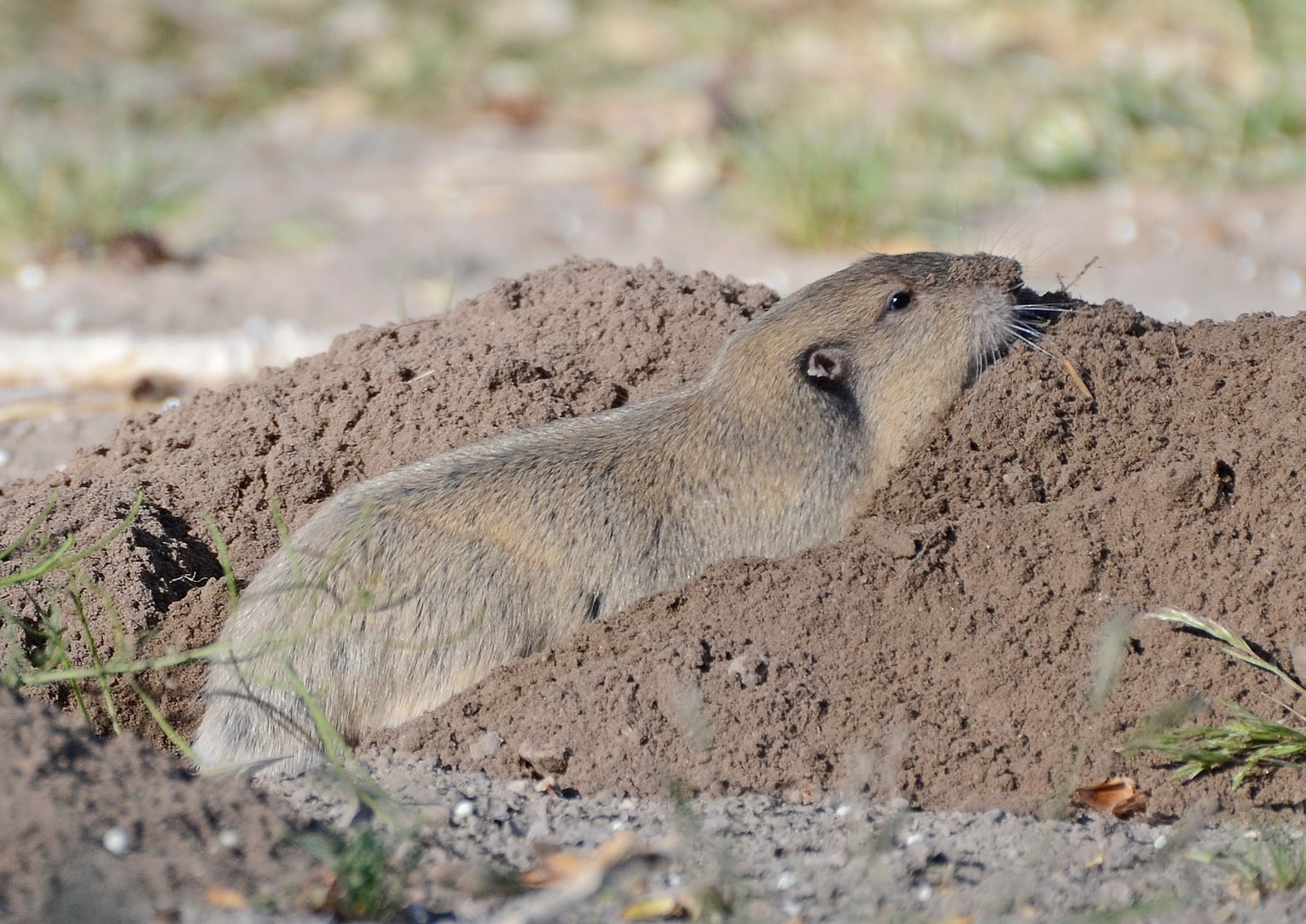
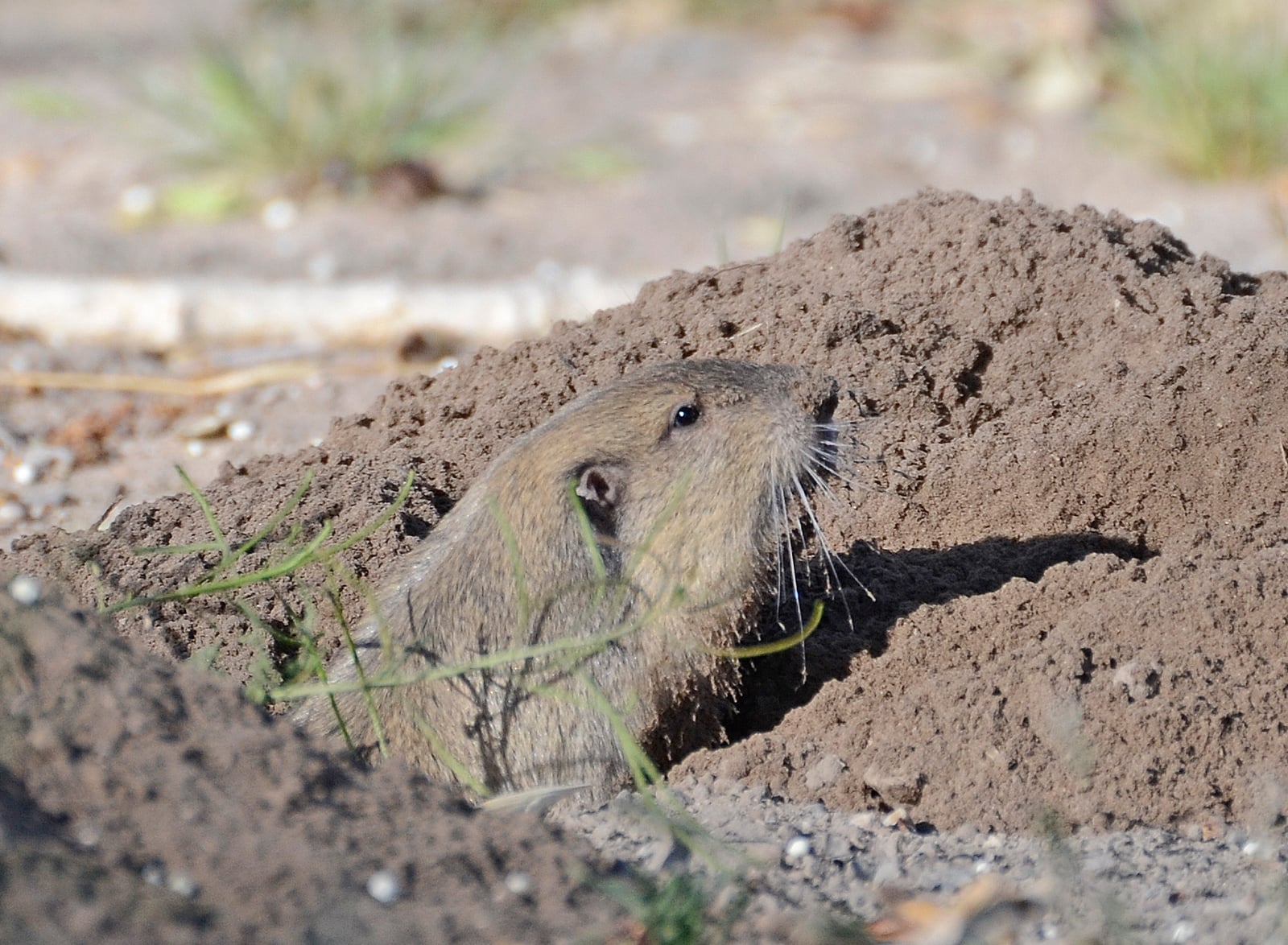
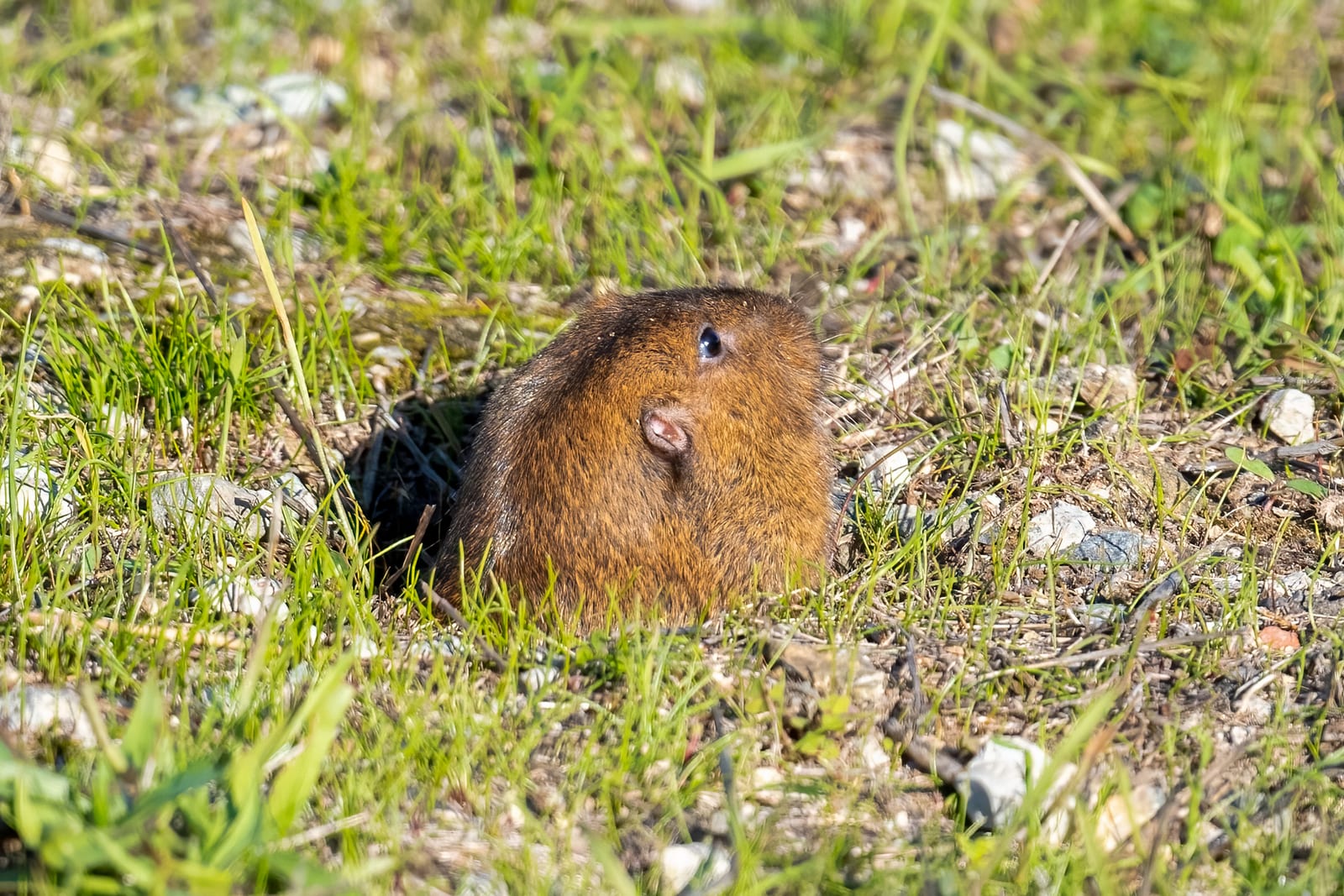
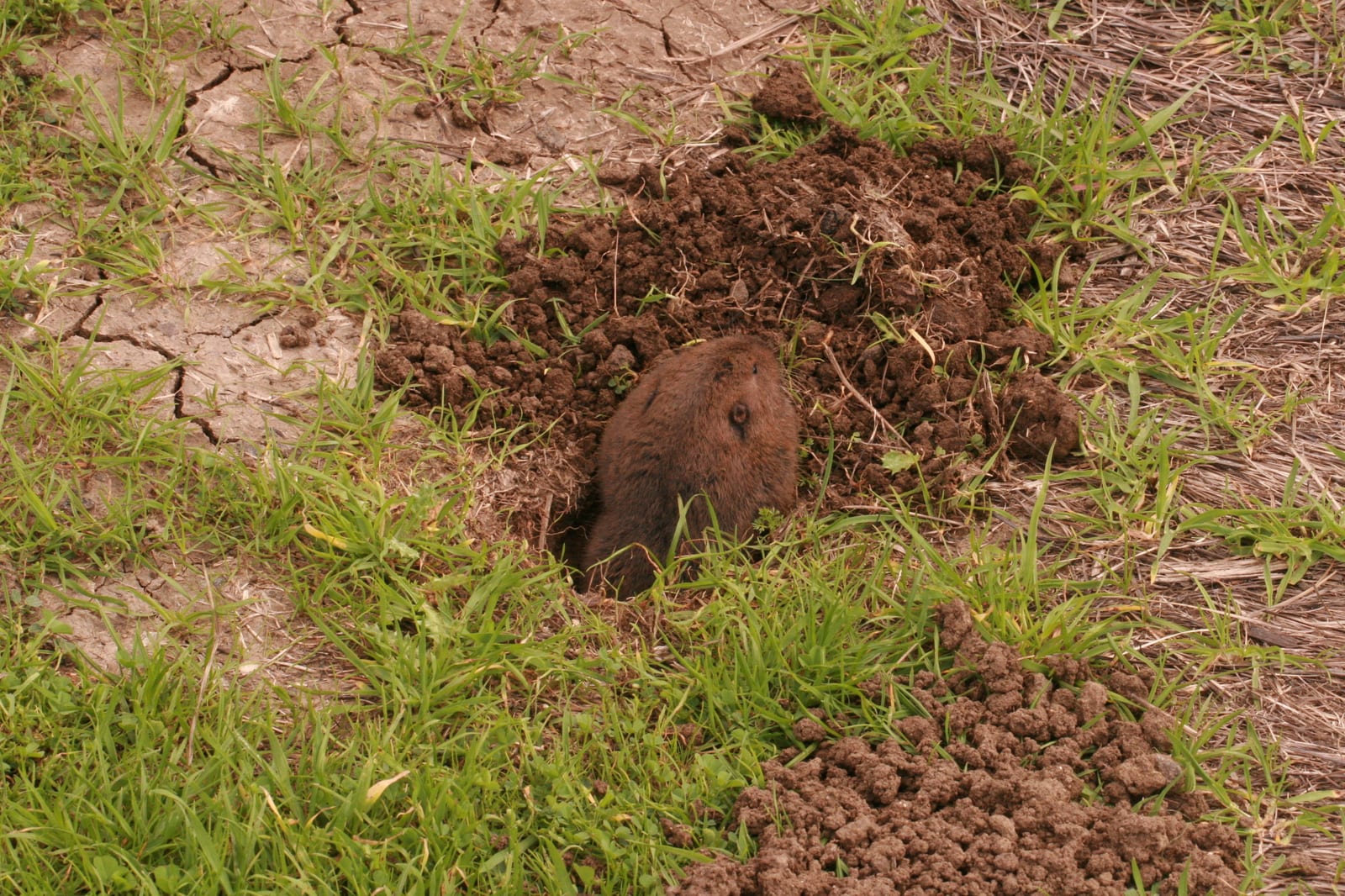
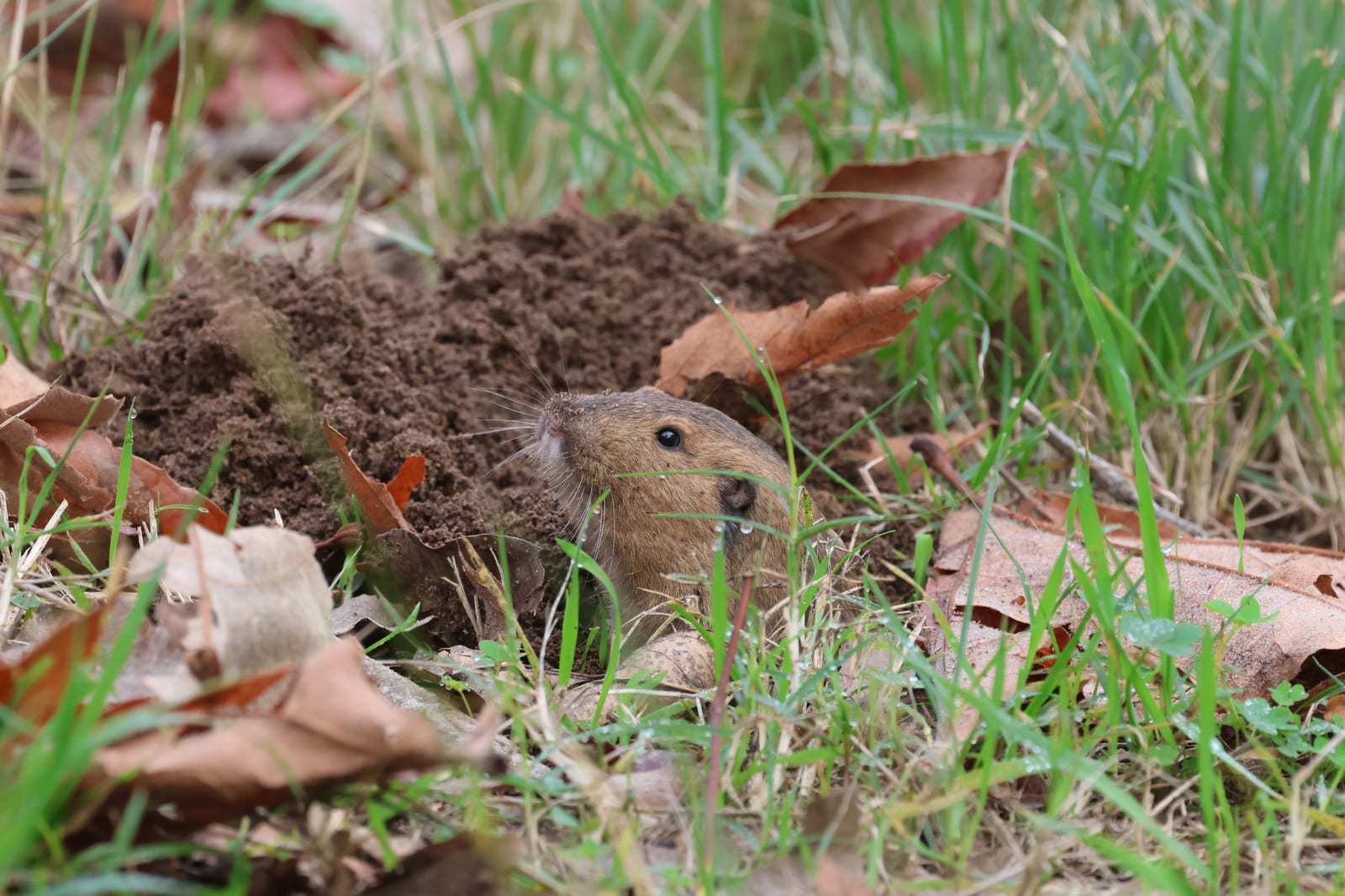
Botta’s pocket gopher is famous for how much it varies from valley to valley. Isolated populations across the West once earned researchers more than 200 subspecies names, and Texas’s own piece of that range sits in the separated desert mountains of the Trans-Pecos, Big Bend, the Guadalupe Mountains, and the Davis Mountains, each holding its own pocket of diggable soil.

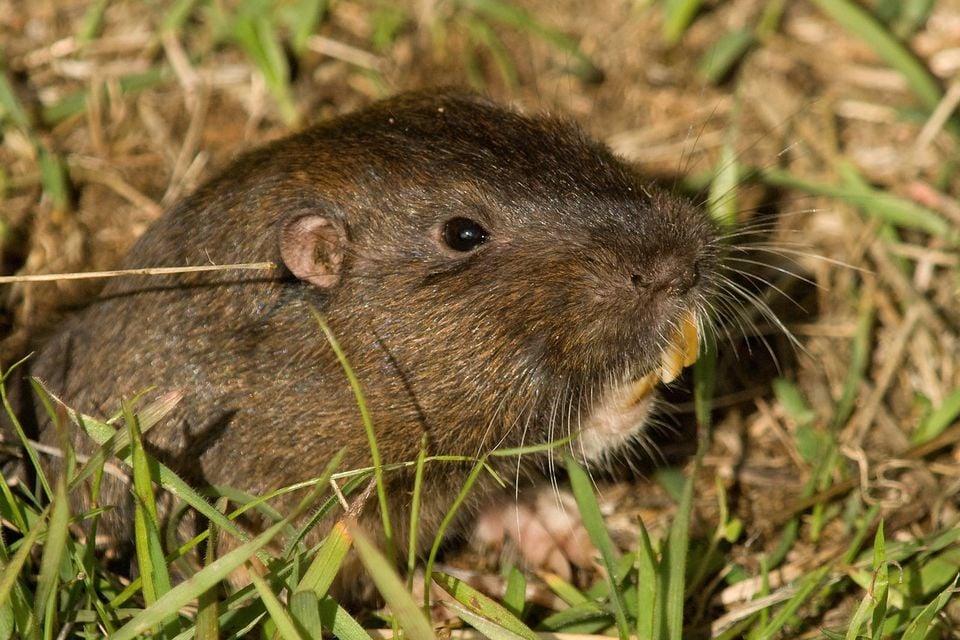
Every one of the state’s 21 records comes through GBIF, with no iNaturalist observations at all, unsurprising for a burrower that spends nearly its whole life below ground and is known mainly by its crescent-shaped surface mounds rather than by sight. Monthly counts are scattered and thin, with October the high point at 7, far too few records to show a real season. NatureServe lists the Texas population S5, Secure.

Occurrence data from GBIF.

More mammals in Texas in the atlas

Data & sources

The data and visualizations on this page draw on these open sources:

  • GBIFCC-BY 4.0occurrence records behind the range map, elevation, and record counts
  • iNaturalistCC0 / CC-BY / CC-BY-SAobservations, photos, and audio recordings
  • NatureServe ExplorerCC-BYthe state conservation rank
  • IUCN Red Listattributed factthe global conservation status
  • USGS NASpublic domainnative / introduced status
  • Natural Earthpublic domainthe relief basemap
  • USFSpublic domainnational-forest boundaries




