
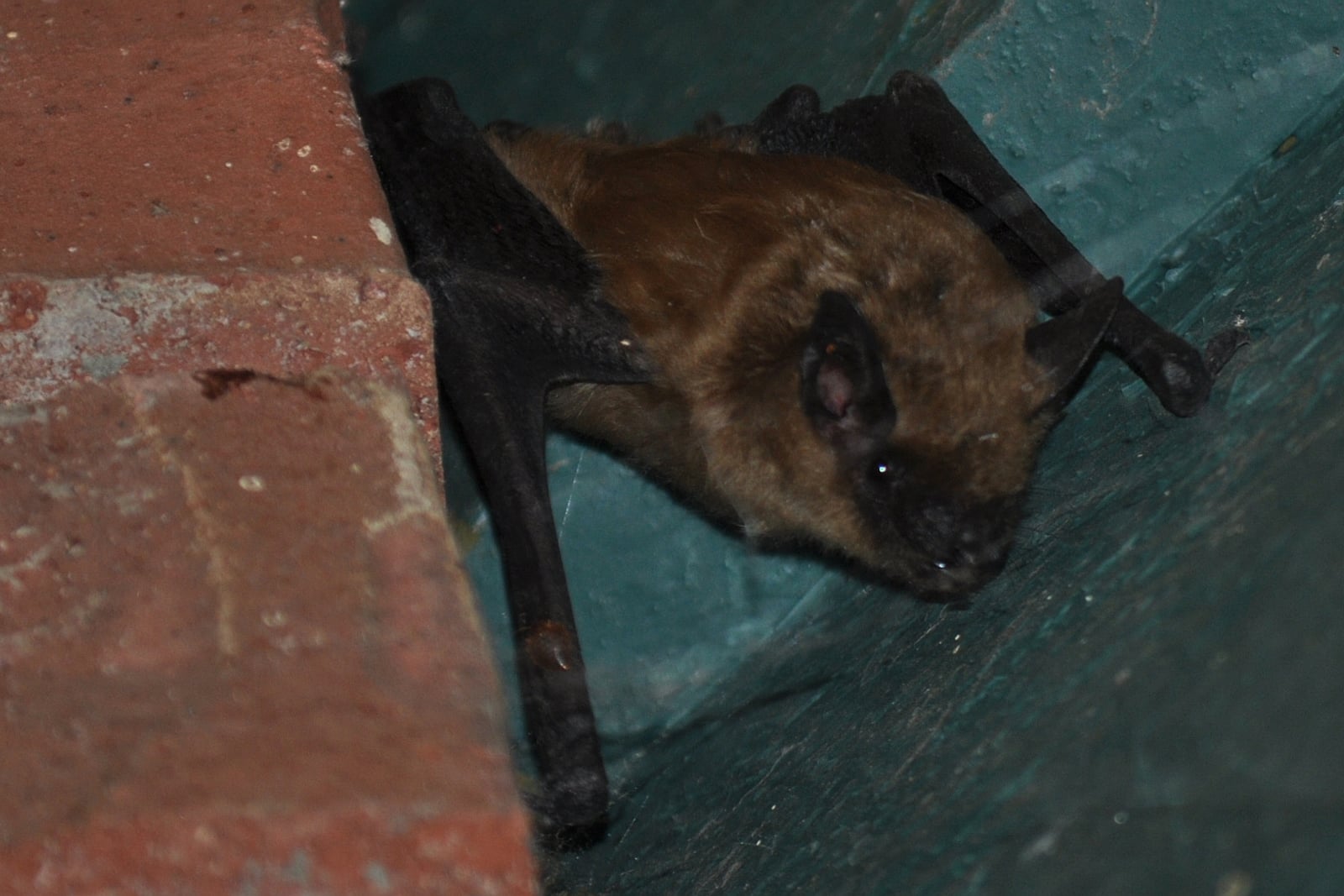
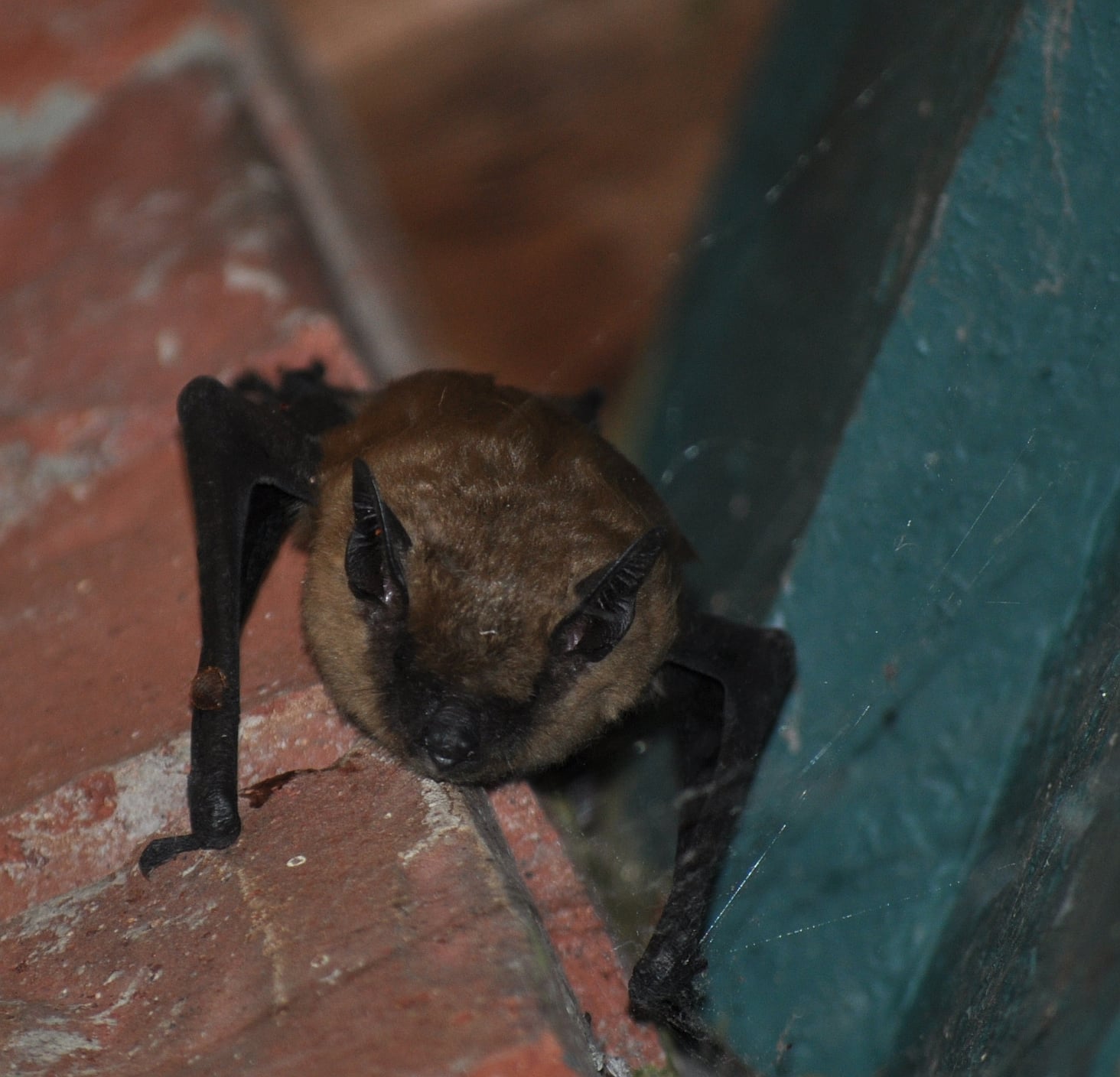
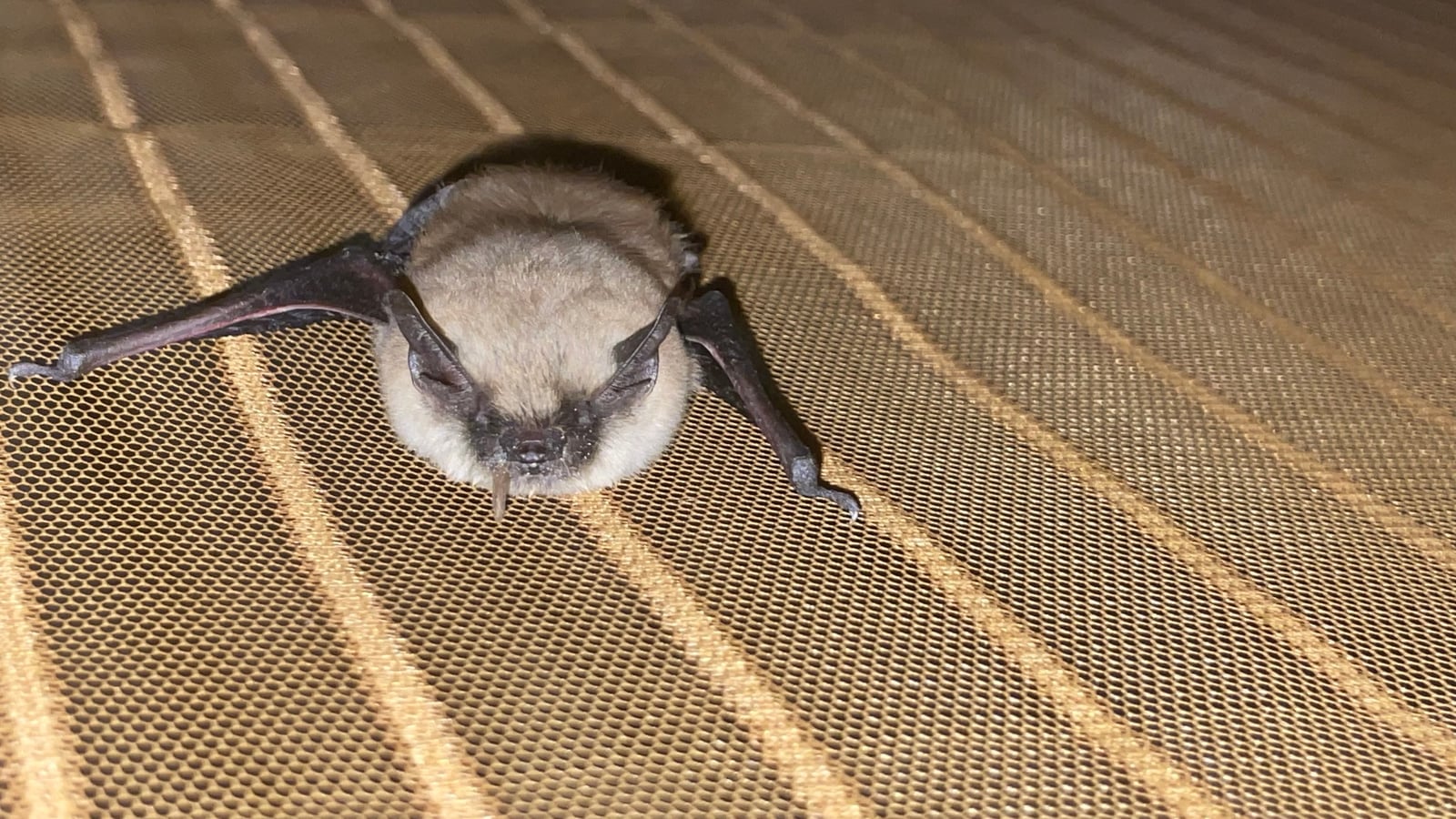
Alaska marks the northern limit of this bat’s range, and its reports here concentrate along the coastal fringe of the Panhandle and Southcentral Alaska, especially around Glacier Bay’s temperate rainforest, Prince William Sound, and Kenai Fjords. That’s a narrow strip of coastline compared to the bat’s much larger range through California, Nevada, and the desert Southwest.
It’s one of the smallest bats in North America, small enough to squeeze into cracks too narrow for bulkier species. By day it hides in loose bark, rock crevices, or building gaps, and after dark it flutters low and slow along shorelines and forest edges hunting beetles and other flying insects rather than coursing high through open air.
Records here run year-round but cluster from May through July, likely tracking the short window when Southeast Alaska’s coastal nights stay warm enough for steady insect activity. Records outside that window are rare rather than proof the bat leaves the state entirely.
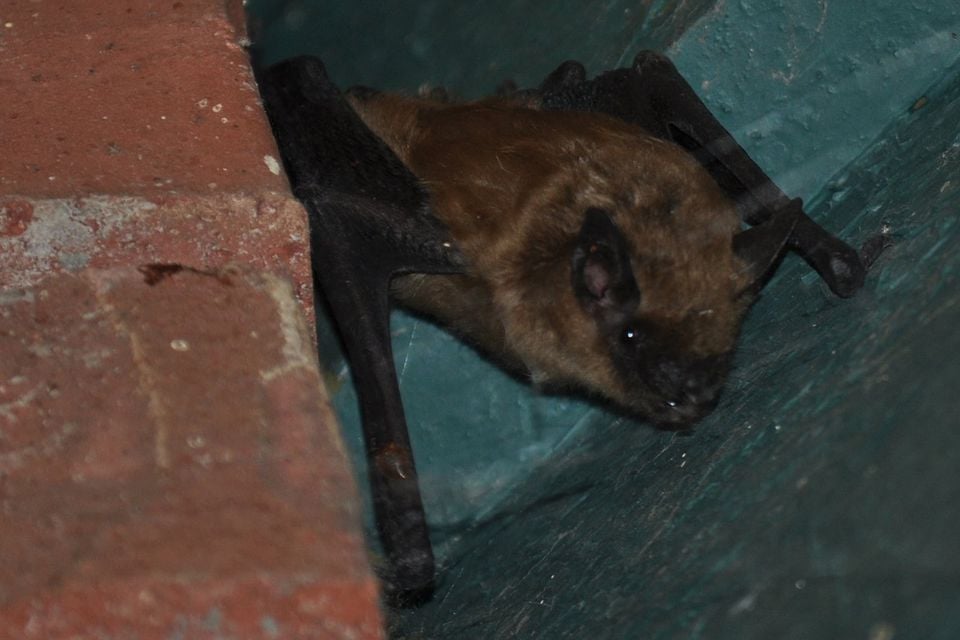
 Full species profile




