California mammals

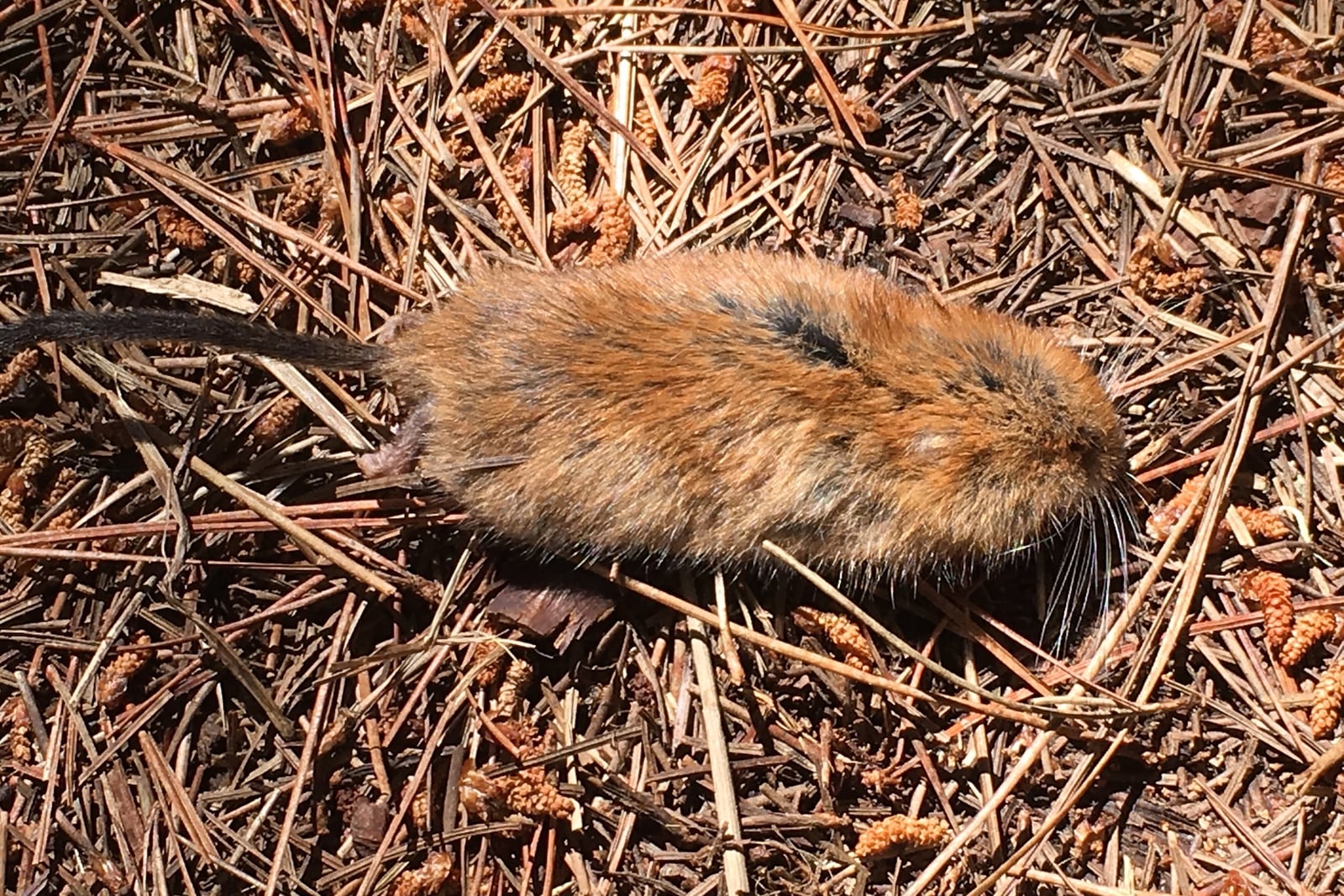
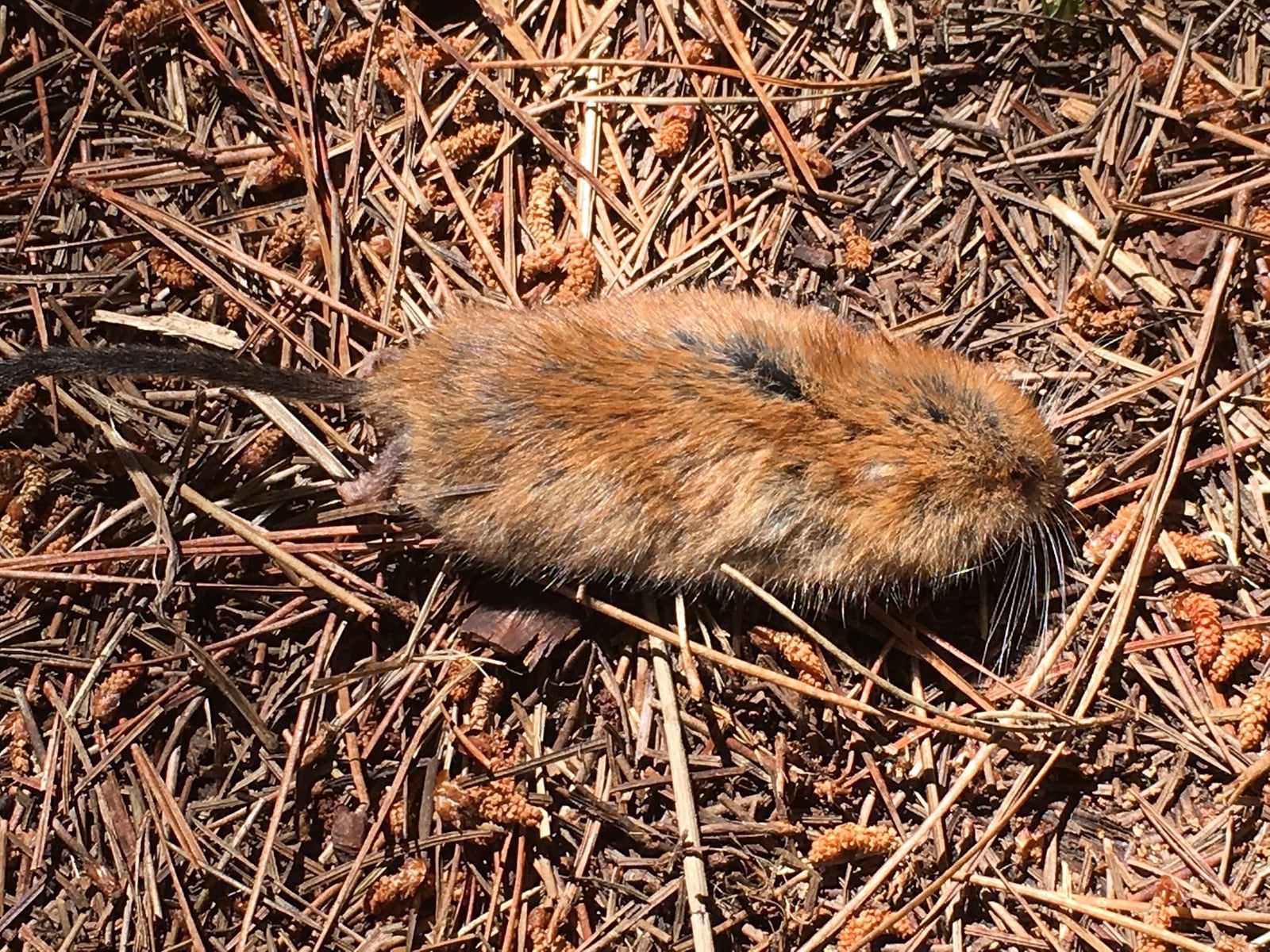
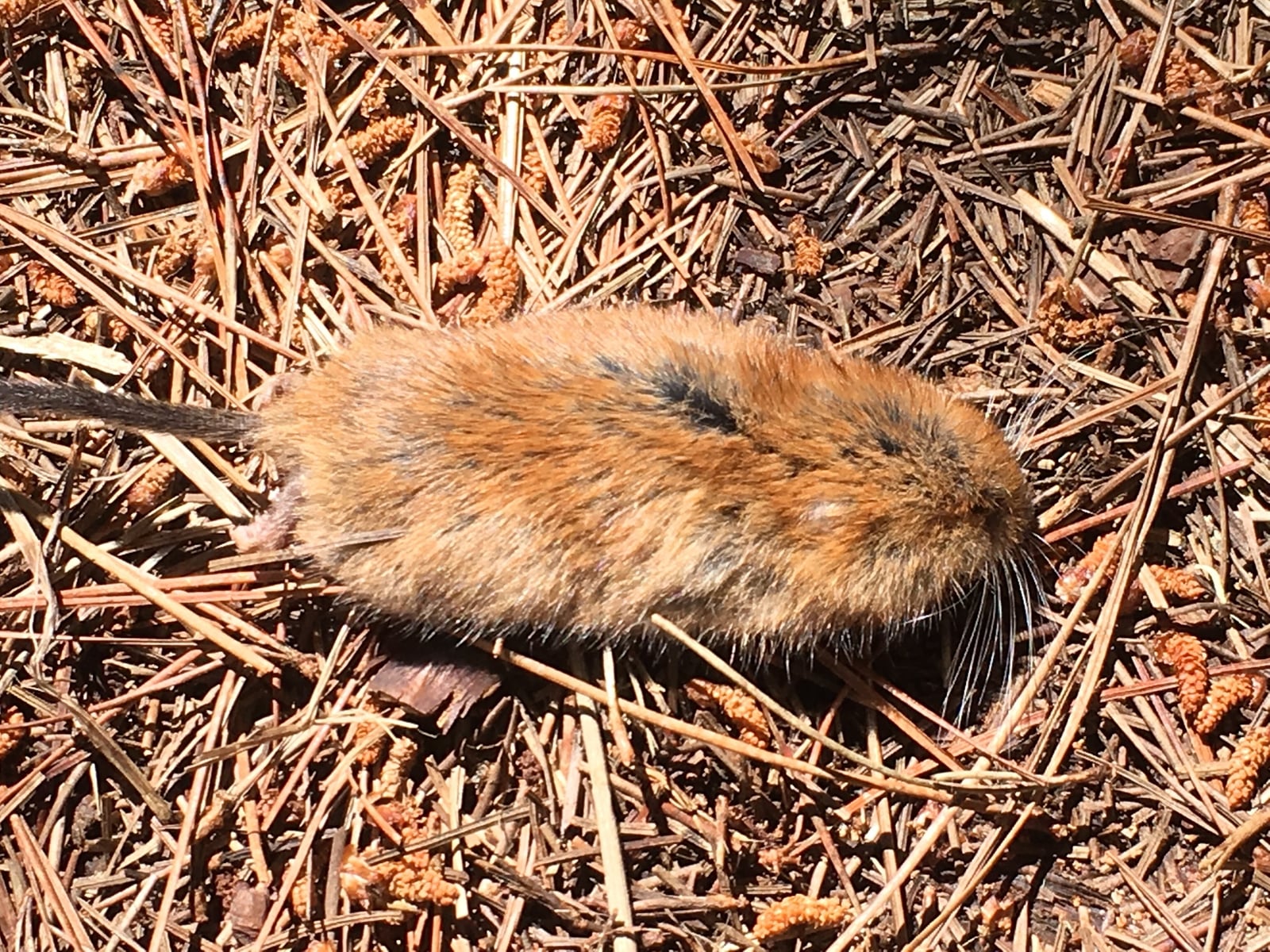
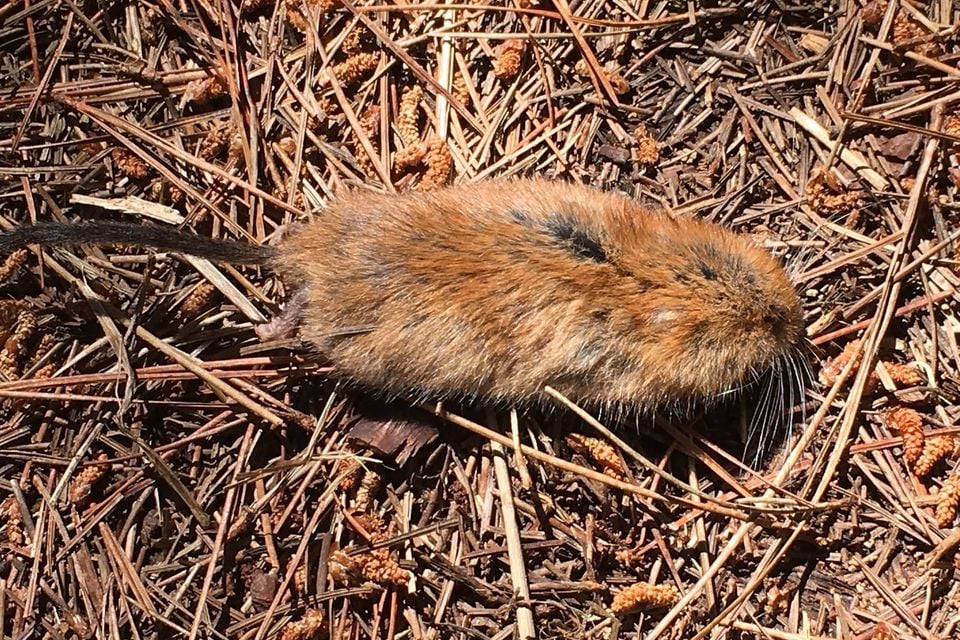
California red tree mouse in California

Arborimus pomo

Native to California S3 Vulnerable in California

Not listed as nonindigenous in California by USGS NAS; native to its California range.

IUCN Red List status

  1. LC
  2. NT
  3. VU
  4. EN
  5. CR
  6. EW
  7. EX

NT – Near Threatened

Close to qualifying as threatened in the near future.

California red tree mouse in California, by the numbers

Occasional in California 142nd most recorded of 233 mammals logged in California

67 occurrence records
67 with iNaturalist photos

Records from 2000–2026.

67 total records count every California occurrence from GBIF and iNaturalist; the map plots a georeferenced sample of 66; the monthly chart covers the 66 records with a full observation date.

When to look for the California red tree mouse in California

Most sightings fall in April.

66 California occurrence records (iNaturalist and GBIF) by month of year, 2000–2026. Shows when the species is recorded, not a guarantee of presence.

Monthly California records (table)
MonthRecords
January2
February3
March2
April13
May1
June10
July3
August8
September6
October4
November8
December6

Monthly california red tree mouse occurrence records (iNaturalist and GBIF) in California, 2000–2026.

Seasonality

Year-round in California, with recorded sightings peaking in April, with a smaller rise in June and August.

Occurrence map

Where California red tree mouse has been recorded in California

66 records mapped · zoom and drag to explore

66 California records mapped

Where it's recorded in California

CountyRecords
Humboldt County 31
Mendocino County 20
Sonoma County 3
Trinity County 1
Other localities 12

The complete county distribution, spread across 4 California counties. Every occurrence record falls in one county, so these sum to the total. Counties from GBIF and US Census boundaries.

California red tree mouse reports are scattered through every month, without a single sustained season. March is highest in the supplied monthly series, while September and November form smaller rises and January is quietest; that differs from the broader seasonality summary, which highlights April, August, and October.

The file suggests the Sierra Nevada, Los Padres National Forest, and Central Valley but supplies no place counts to show how records relate to those settings. NatureServe ranks the species S3, vulnerable, in California. The 67 reports document an uneven observation record rather than statewide abundance or a hierarchy of sites.

Occurrence data from iNaturalist and GBIF.

More mammals in California in the atlas

Data & sources

The data and visualizations on this page draw on these open sources:

  • GBIFCC-BY 4.0occurrence records behind the range map, elevation, and record counts
  • iNaturalistCC0 / CC-BY / CC-BY-SAobservations, photos, and audio recordings
  • NatureServe ExplorerCC-BYthe state conservation rank
  • IUCN Red Listattributed factthe global conservation status
  • USGS NASpublic domainnative / introduced status
  • Natural Earthpublic domainthe relief basemap
  • USFSpublic domainnational-forest boundaries




