
Texas mammals

Cave Myotis in Texas

Myotis velifer

Native to Texas S2 Imperiled in Texas

Not listed as nonindigenous in Texas by USGS NAS; native to its Texas range.

IUCN Red List status

  1. LC
  2. NT
  3. VU
  4. EN
  5. CR
  6. EW
  7. EX

LC – Least Concern

Widespread and abundant; not at risk.

Cave Myotis in Texas, by the numbers

Common in Texas 63rd most recorded of 197 mammals logged in Texas

1,110 occurrence records
81 with iNaturalist photos
Apr 25, 2026 Last seen in Texas

Records from 2000–2026.

1,110 total records count every Texas occurrence from GBIF and iNaturalist; the map plots a georeferenced sample of 300; the monthly chart covers the 1,077 records with a full observation date.

When to look for the Cave Myotis in Texas

Most sightings fall in June to July.

1,077 Texas occurrence records (iNaturalist and GBIF) by month of year, 2000–2026. Shows when the species is recorded, not a guarantee of presence.

Monthly Texas records (table)
MonthRecords
January15
February19
March76
April100
May38
June234
July262
August115
September92
October71
November29
December26

Monthly cave myotis occurrence records (iNaturalist and GBIF) in Texas, 2000–2026.

Seasonality

Year-round in Texas, with recorded sightings peaking in June–July.

Occurrence map

Where Cave Myotis has been recorded in Texas

300 records mapped · zoom and drag to explore

300 Texas records mapped

Notable places to look

Park, forest, or monumentiNaturalist records
Big Bend National Park 10
Devils River State Natural Area 7
Bentsen - Rio Grande Valley State Park 4
Fort Leaton State Historic Site 3
Freeman Ranch 2
Guadalupe River State Park 1
Chaparral Wildlife Management Area 1
Amistad National Recreation Area 1

Protected places with the most cave myotis sightings, from the USGS Protected Areas Database plus named mountain ranges, good spots to look, not a full breakdown, so they don't sum to the total.

Where it's recorded in Texas

CountyRecords
Uvalde County 210
Presidio County 130
Val Verde County 71
Hays County 70
Williamson County 47
Brewster County 45
Tom Green County 30
Comal County 28
Webb County 28
Sutton County 27
Travis County 26
Kerr County 23
60 other counties 375

The complete county distribution, spread across 72 Texas counties. Every occurrence record falls in one county, so these sum to the total. Counties from GBIF and US Census boundaries.

Cave myotis roost by the thousands in limestone caves and abandoned mines across the Trans-Pecos, and Texas’s 1,110 records trace that geology closely: Big Bend, Guadalupe Mountains, and the Davis Mountains all sit on the limestone karst these bats need for daytime shelter and maternity colonies.

Records spike hard in June and July, the maternity season when colonies swell with pups and bats leave the cave in large, visible nightly emergences that draw the most observers; the near-silence from November through February simply reflects a bat that’s torpid or has moved to a winter roost, not one that’s disappeared.

Texas carries a NatureServe rank of S2, Imperiled, for cave myotis, a meaningfully sharper conservation signal than the species’ secure global status, tied to how few of these limestone roost sites exist and how vulnerable a single disturbed cave can be for an entire colony.
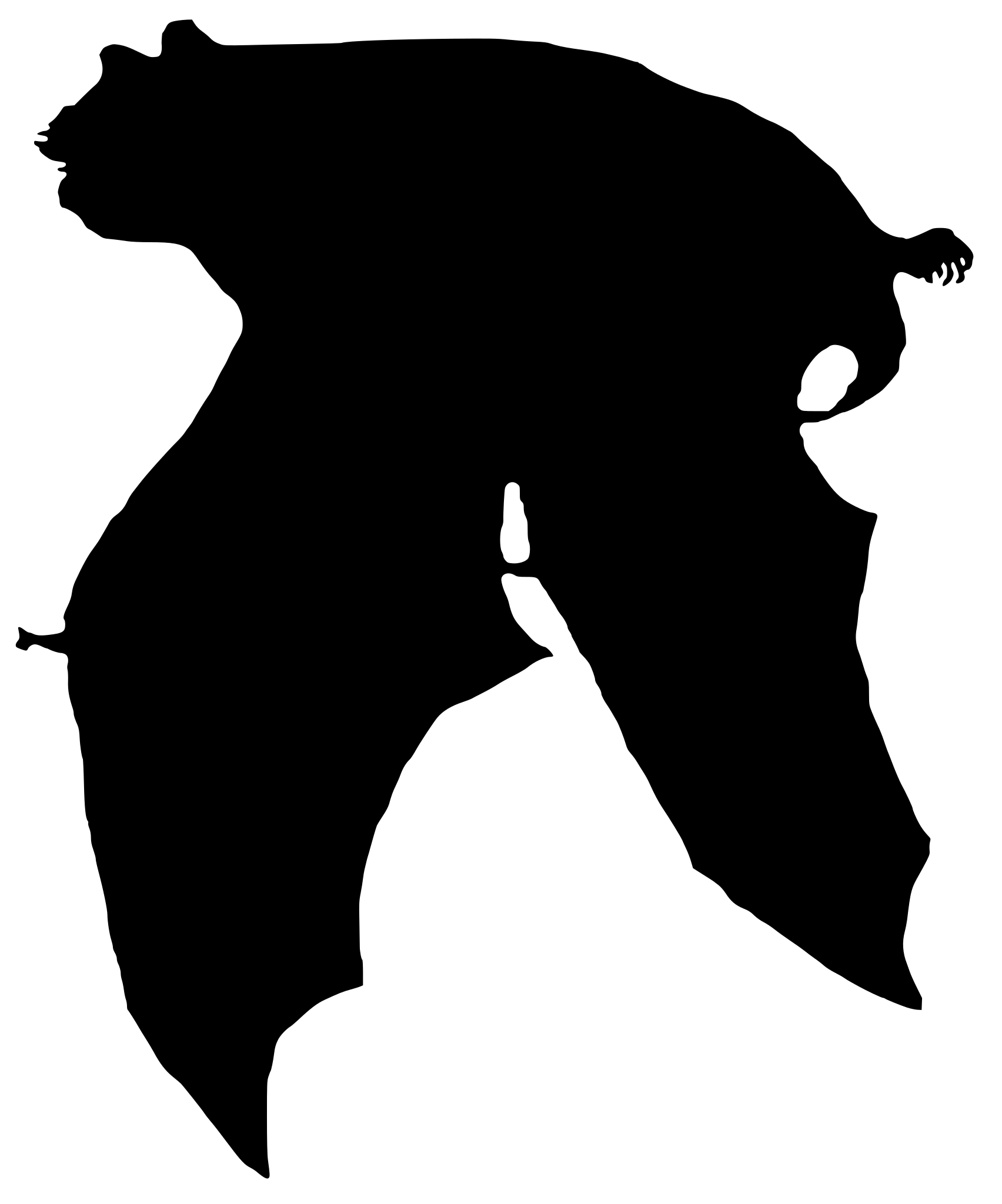
Occurrence data from iNaturalist and GBIF.

More mammals in Texas in the atlas

Data & sources

The data and visualizations on this page draw on these open sources:

  • GBIFCC-BY 4.0occurrence records behind the range map, elevation, and record counts
  • iNaturalistCC0 / CC-BY / CC-BY-SAobservations, photos, and audio recordings
  • NatureServe ExplorerCC-BYthe state conservation rank
  • IUCN Red Listattributed factthe global conservation status
  • USGS NASpublic domainnative / introduced status
  • Natural Earthpublic domainthe relief basemap
  • USFSpublic domainnational-forest boundaries
  • USGS Protected Areas Databasepublic domainthe named parks, forests, and refuges behind "notable places to look"




