Texas mammals

Collared Peccary in Texas

Pecari tajacu

Native to Texas S5 Secure in Texas

Not listed as nonindigenous in Texas by USGS NAS; native to its Texas range.

IUCN Red List status

  1. LC
  2. NT
  3. VU
  4. EN
  5. CR
  6. EW
  7. EX

LC – Least Concern

Widespread and abundant; not at risk.

Collared Peccary in Texas, by the numbers

Common in Texas 14th most recorded of 197 mammals logged in Texas

4,875 occurrence records
4,854 with iNaturalist photos
Jul 10, 2026 Last seen in Texas

Records from 2000–2026.

4,875 total records count every Texas occurrence from GBIF and iNaturalist; the map plots a georeferenced sample of 300; the monthly chart covers the 4,695 records with a full observation date.

When to look for the Collared Peccary in Texas

Most sightings fall in September to May.

4,695 Texas occurrence records (iNaturalist and GBIF) by month of year, 2000–2026. Shows when the species is recorded, not a guarantee of presence.

Monthly Texas records (table)
MonthRecords
January490
February447
March554
April515
May338
June230
July218
August274
September354
October353
November532
December390

Monthly collared peccary occurrence records (iNaturalist and GBIF) in Texas, 2000–2026.

Seasonality

Year-round in Texas, with recorded sightings peaking in September–May.

Occurrence map

Where Collared Peccary has been recorded in Texas

300 records mapped · zoom and drag to explore

298 Texas records mapped

Notable places to look

Park, forest, or monumentiNaturalist records
Big Bend National Park 360
Bentsen - Rio Grande Valley State Park 356
Davis Mountains State Park 123
Falcon State Park 108
Resaca de la Palma State Park 72
Big Bend Ranch State Park 67
Estero Llano Grande State ParK 44
San Angelo State Park 41

Protected places with the most collared peccary sightings, from the USGS Protected Areas Database plus named mountain ranges, good spots to look, not a full breakdown, so they don't sum to the total.

Where it's recorded in Texas

CountyRecords
Hidalgo County 744
Brewster County 630
Cameron County 460
Jeff Davis County 391
El Paso County 273
Nueces County 221
Webb County 209
McMullen County 196
Starr County 168
Kleberg County 140
Aransas County 137
Presidio County 122
87 other counties 1,184

The complete county distribution, spread across 99 Texas counties. Every occurrence record falls in one county, so these sum to the total. Counties from GBIF and US Census boundaries.

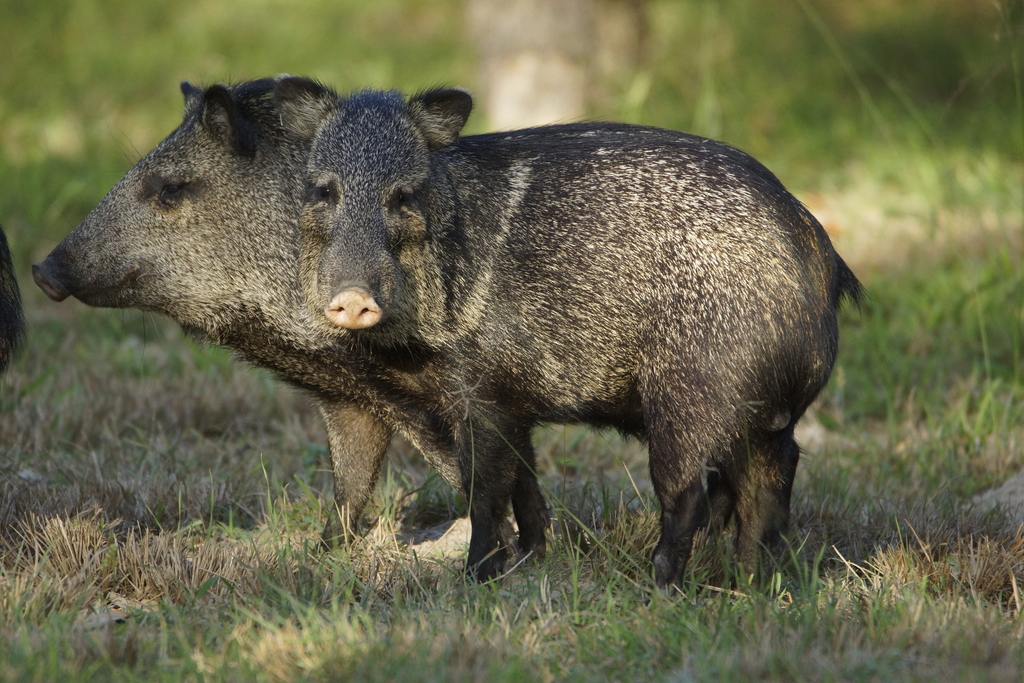
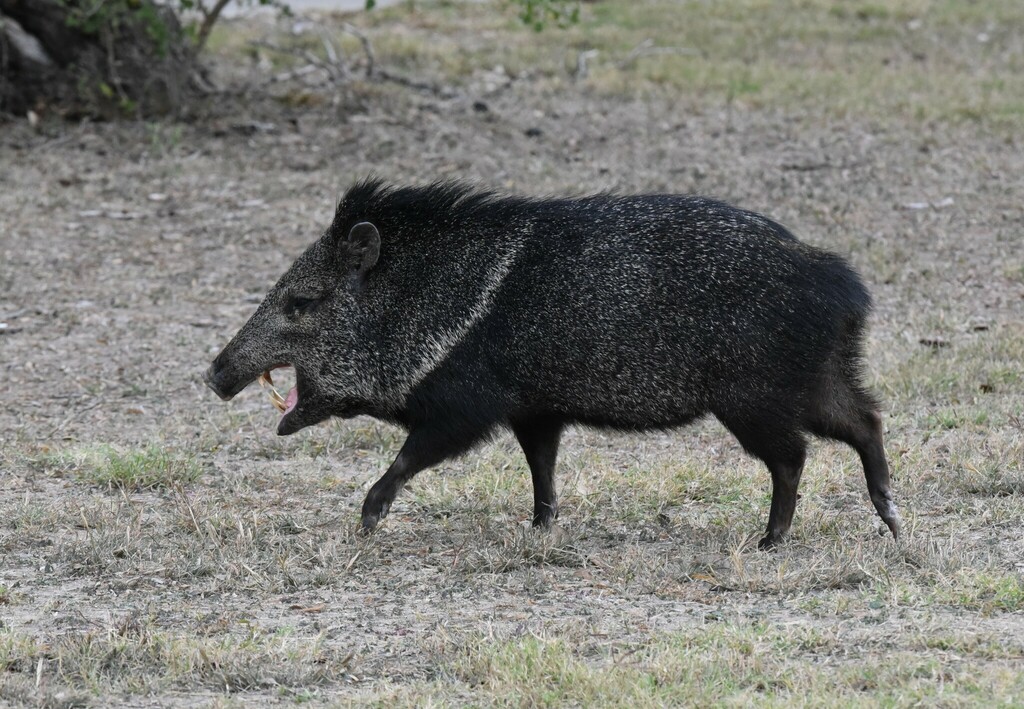
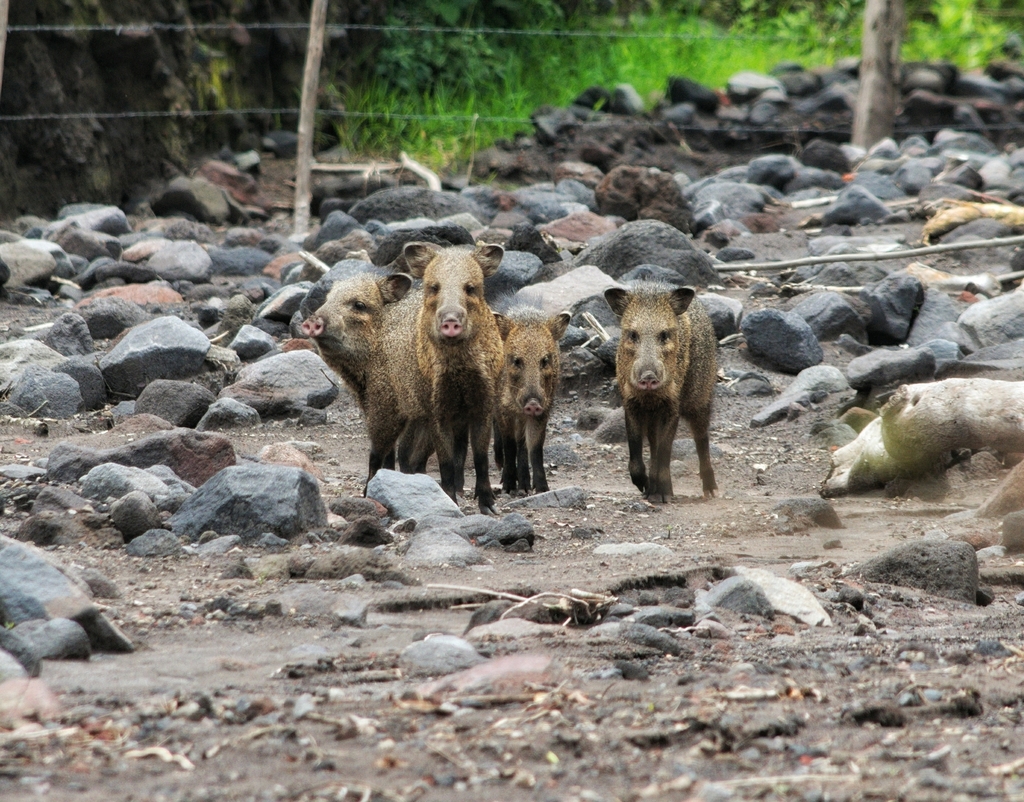
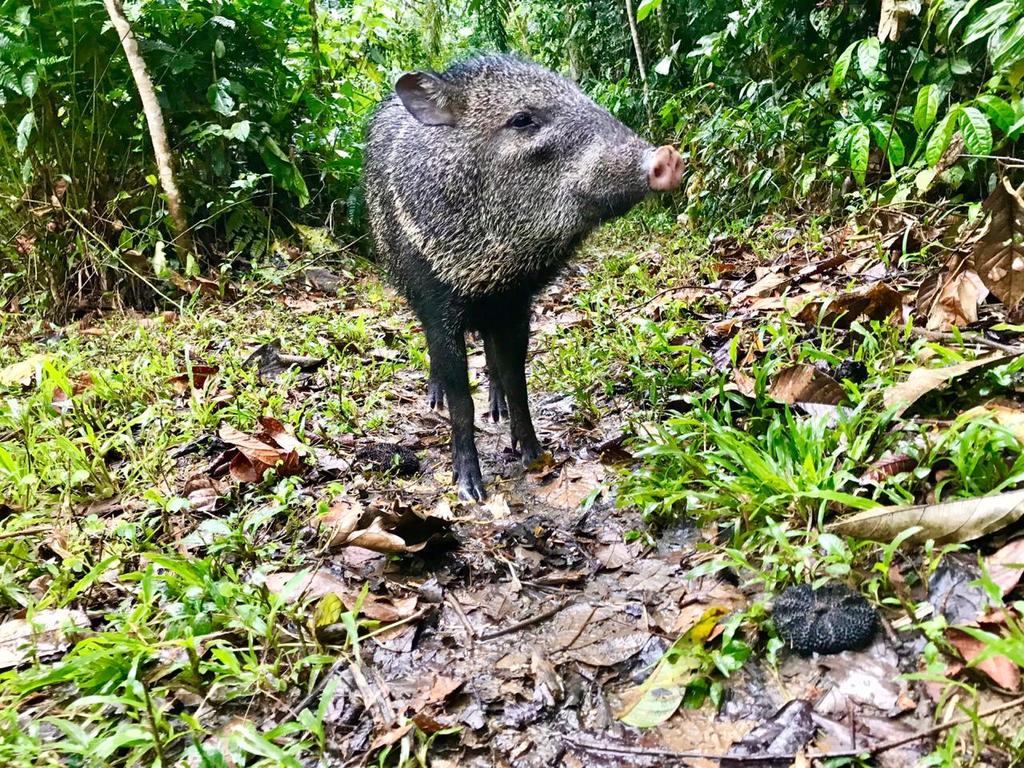
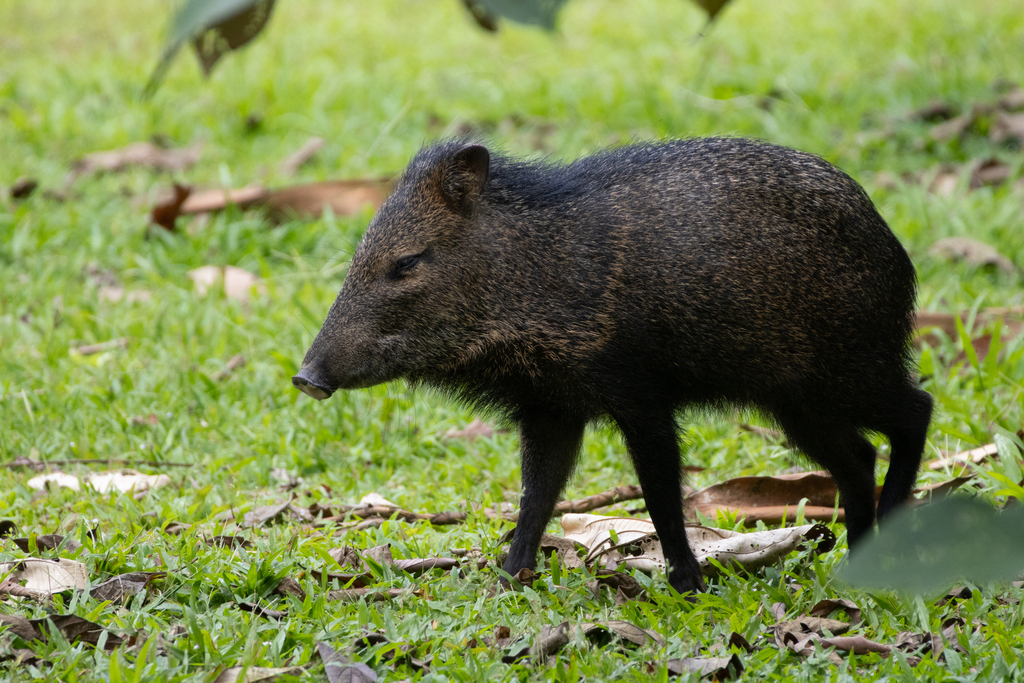
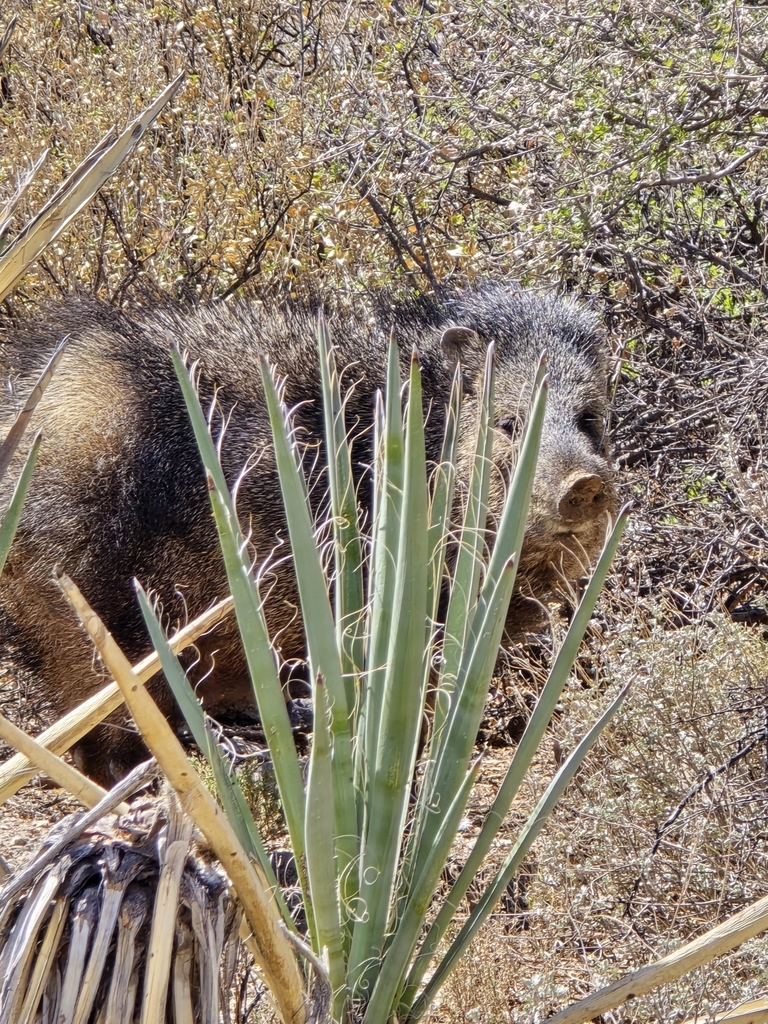
Collared peccaries, known locally as javelina, travel in tight family herds through the rocky slopes, desert scrub, and shaded canyon bottoms of Big Bend National Park, Guadalupe Mountains National Park, and the Davis Mountains, the three sites anchoring Texas’s 4,875 records. That desert-mountain habitat mix matches what the species needs: cover from the heat by day and a mix of prickly pear, roots, and insects to forage.

Reports rise in March and again in November, with July the quietest month by a wide margin. Peccaries shift their activity toward dawn and dusk once summer heat sets in, which likely pulls them out of easy view during the hottest stretch even as animals themselves stay active.

Of the 4,875 records, 4,854 come from iNaturalist, a heavy tilt toward photographed sightings that fits a social, daytime-active animal often seen in groups near park trails rather than one that mainly turns up in scientific specimen collections.
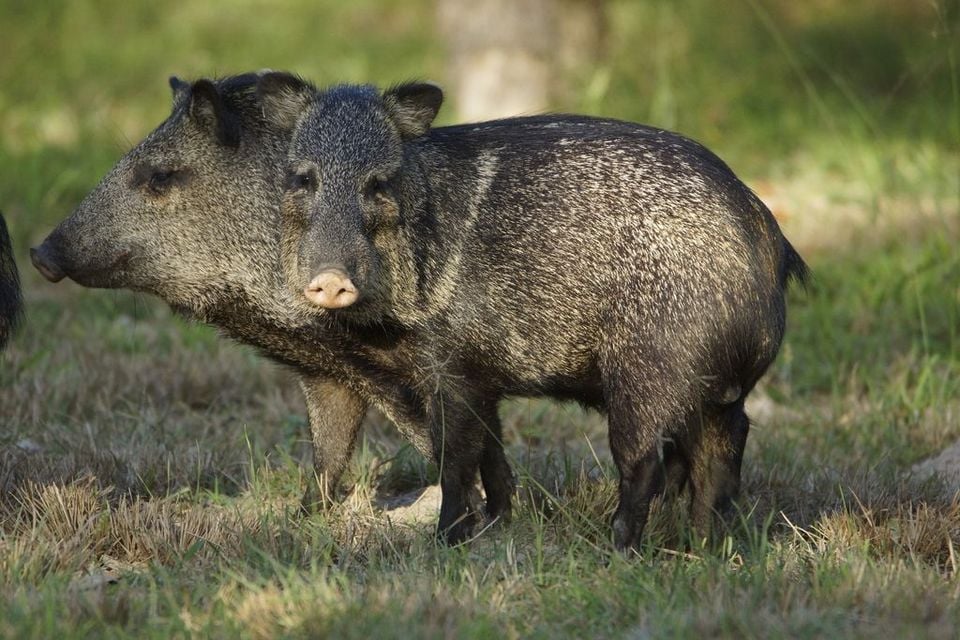
Occurrence data from iNaturalist and GBIF.

Collared Peccary in other states

More mammals in Texas in the atlas

Data & sources

The data and visualizations on this page draw on these open sources:

  • GBIFCC-BY 4.0occurrence records behind the range map, elevation, and record counts
  • iNaturalistCC0 / CC-BY / CC-BY-SAobservations, photos, and audio recordings
  • NatureServe ExplorerCC-BYthe state conservation rank
  • IUCN Red Listattributed factthe global conservation status
  • USGS NASpublic domainnative / introduced status
  • Natural Earthpublic domainthe relief basemap
  • USFSpublic domainnational-forest boundaries
  • USGS Protected Areas Databasepublic domainthe named parks, forests, and refuges behind "notable places to look"