
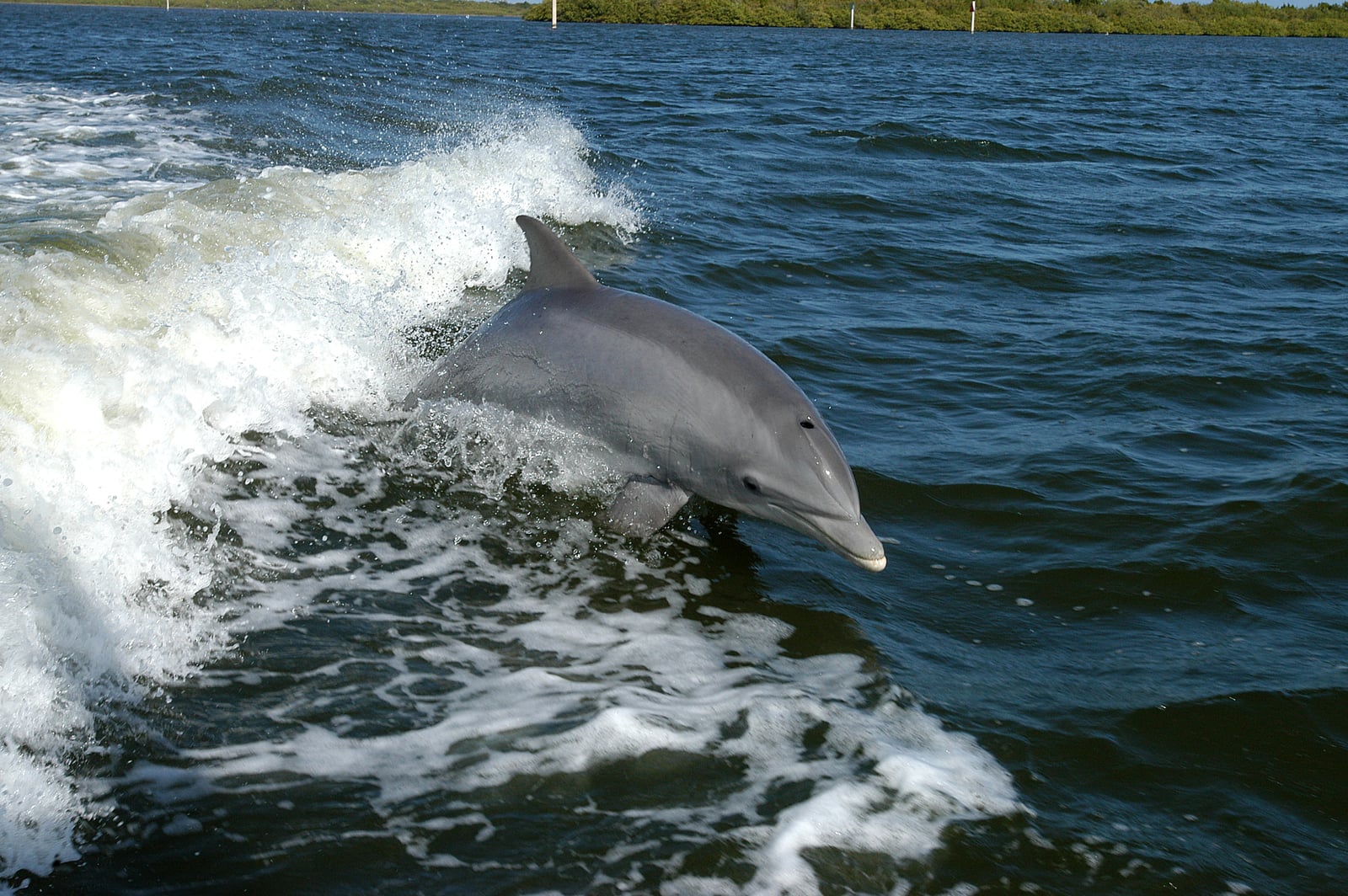
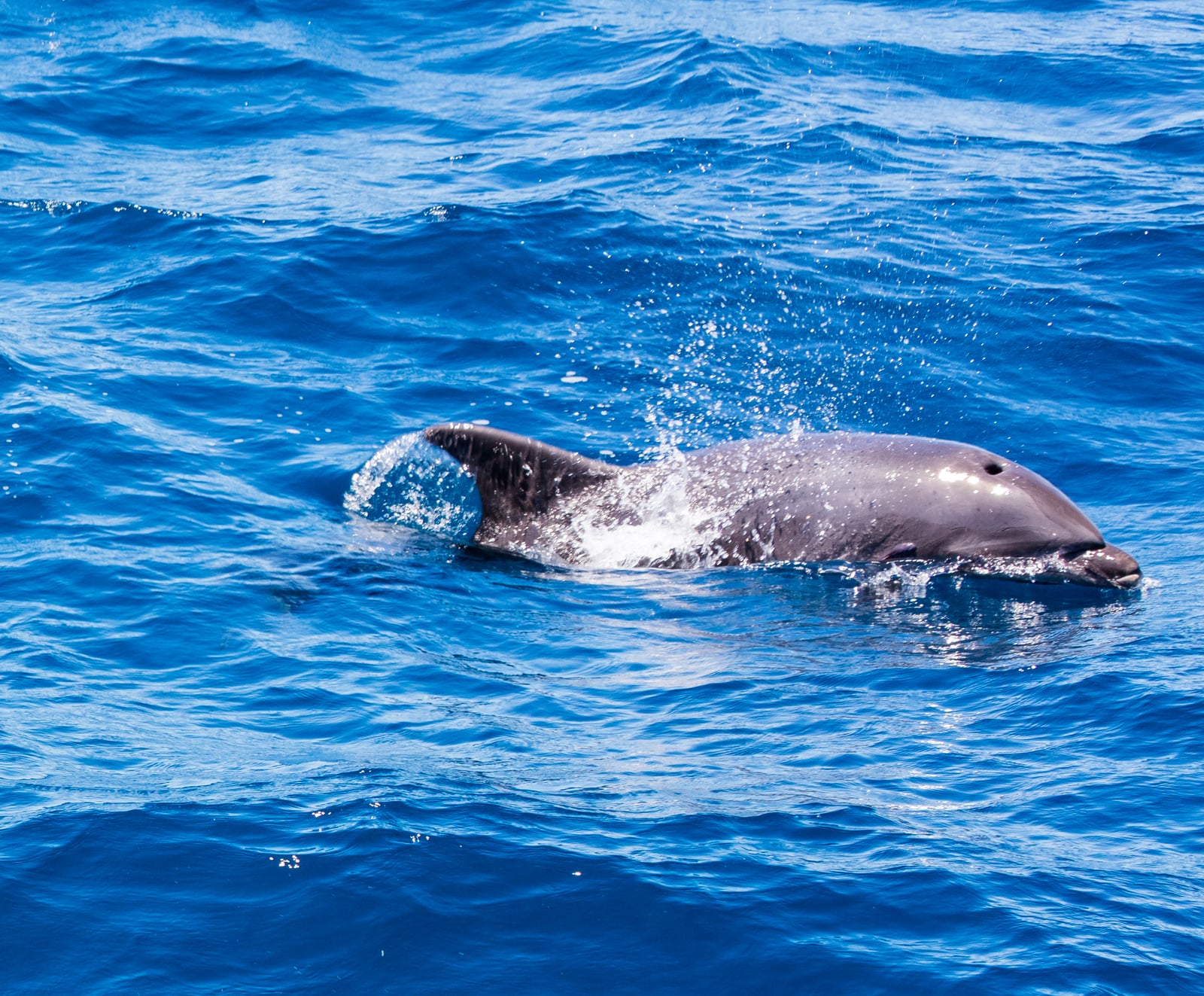
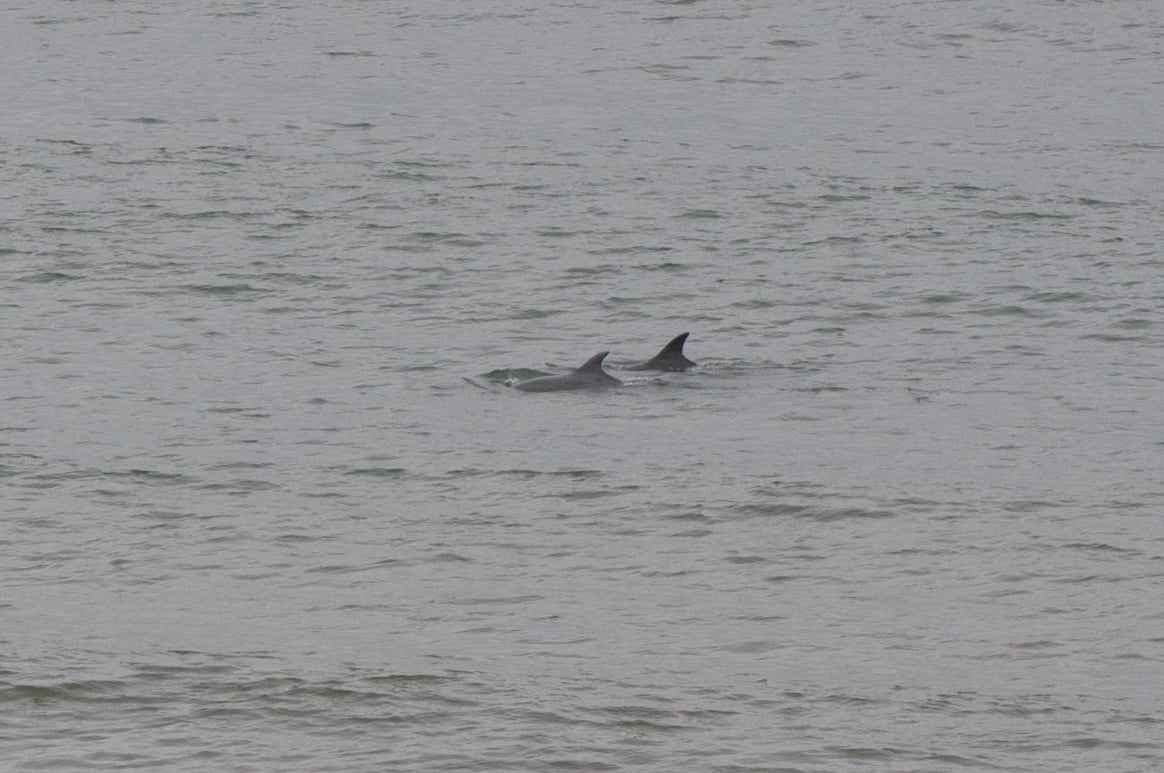
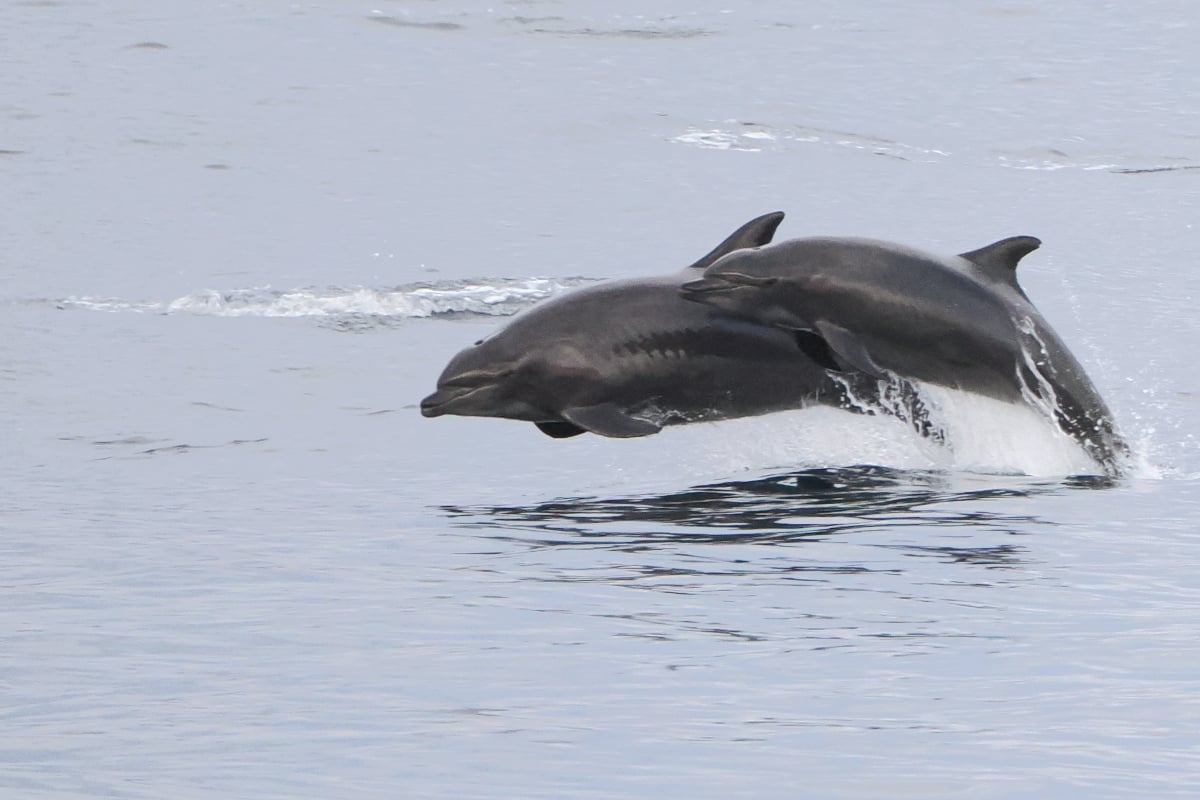
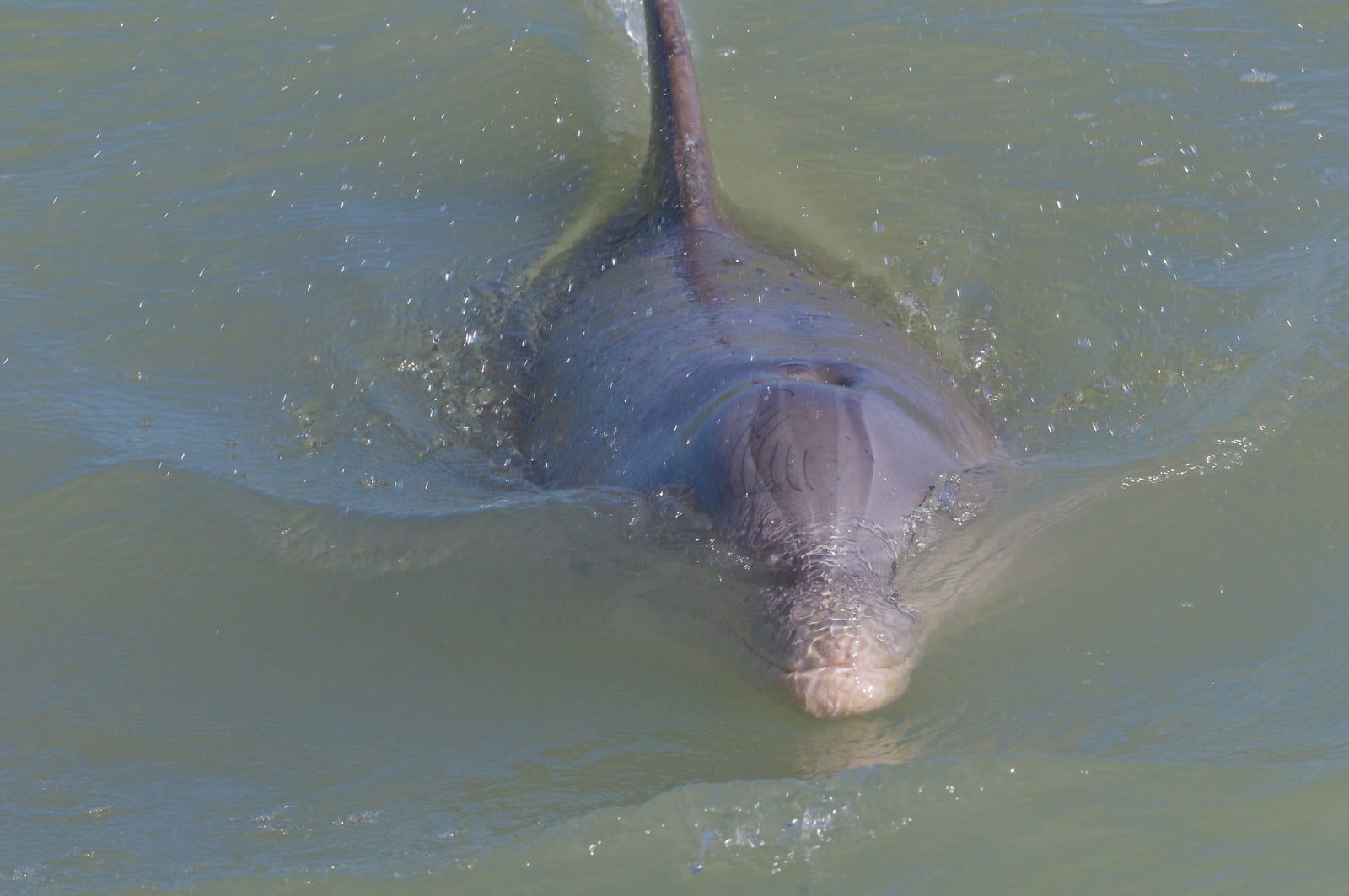
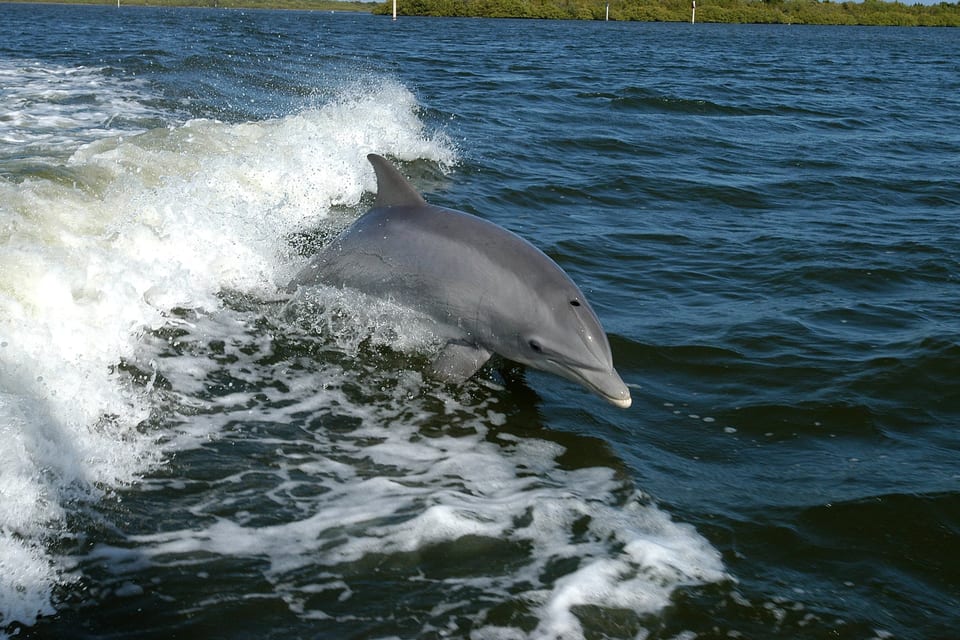
Common bottlenose dolphins are Gulf of Mexico animals, not land wildlife, so records tied to Aransas, Padre Island, and Brazoria come from bay and nearshore Gulf waters around those coastal refuges, not the refuges’ land habitat itself. Texas’s occurrence data mixes live sightings, strandings, and specimen records, so a single report doesn’t distinguish a resident bay dolphin from one passing through offshore.
Counts spike hard in March, more than double most other months, before dropping off through summer and fall. Boat traffic, survey effort, and calm-water viewing conditions likely drive that pattern as much as the dolphins’ own movements do.
NatureServe ranks the species S3, vulnerable, in Texas waters, a notably more cautious status than its globally secure IUCN listing, and it sits at the 87th percentile of Texas mammal records, reflecting how well-watched Gulf Coast waters are rather than a confirmed population count.
 Full species profile




