New York mammals

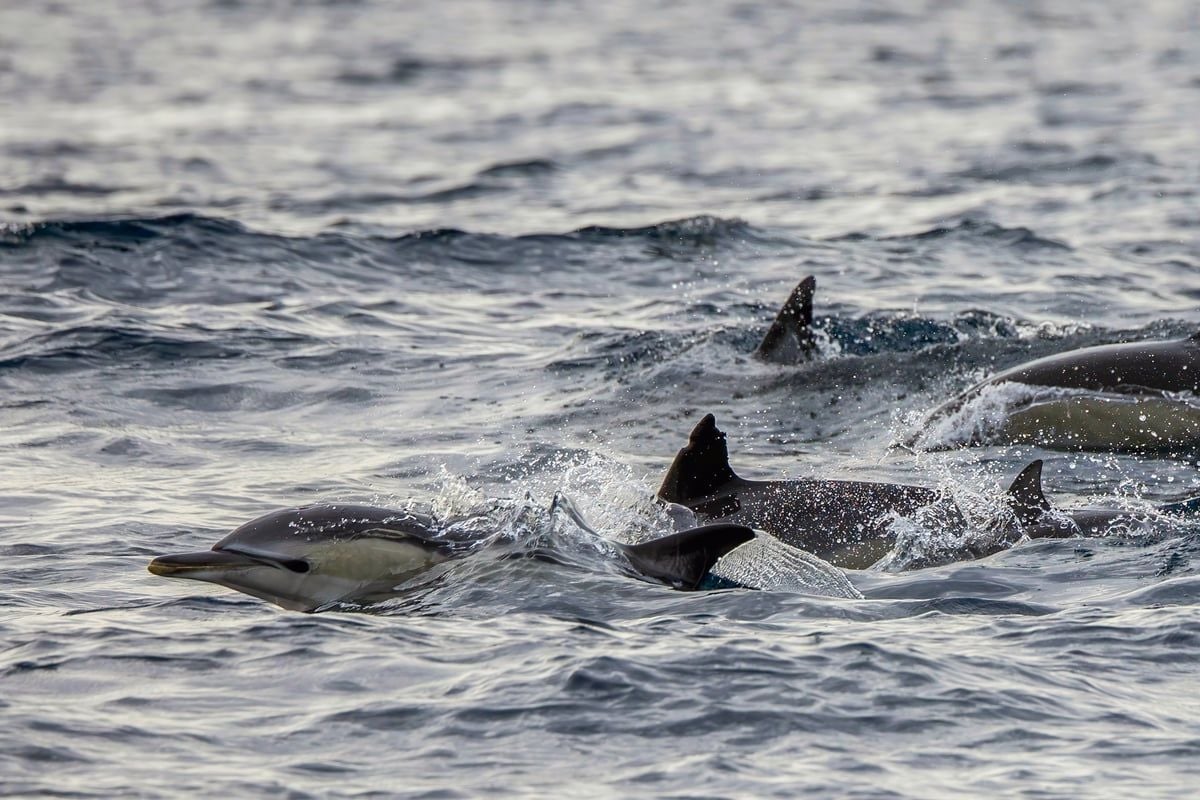
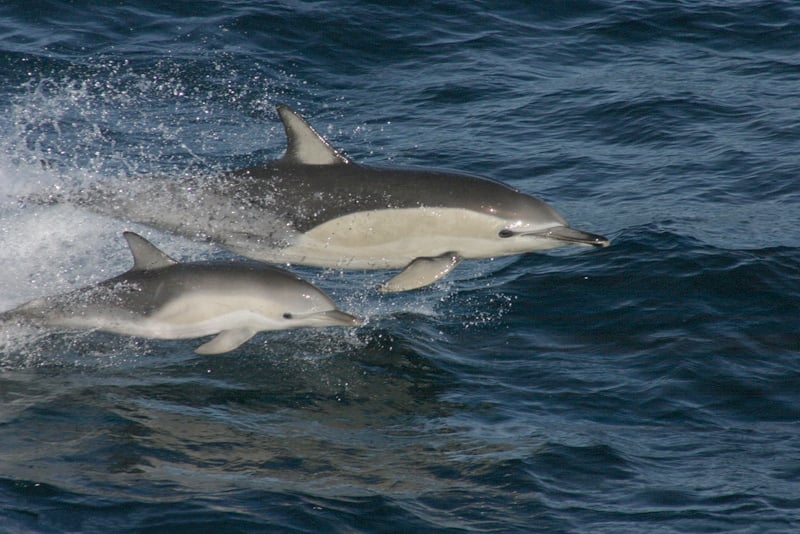
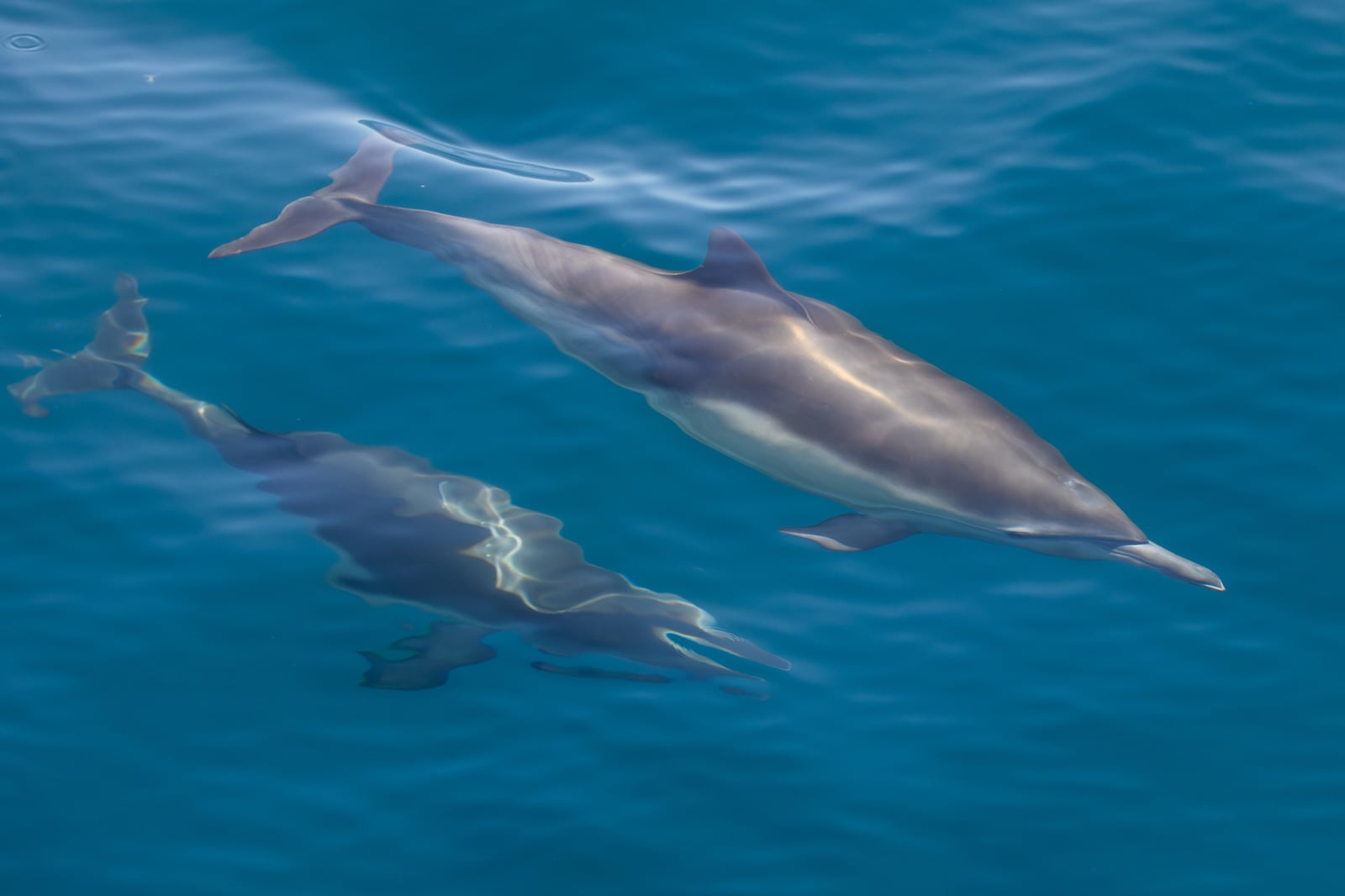
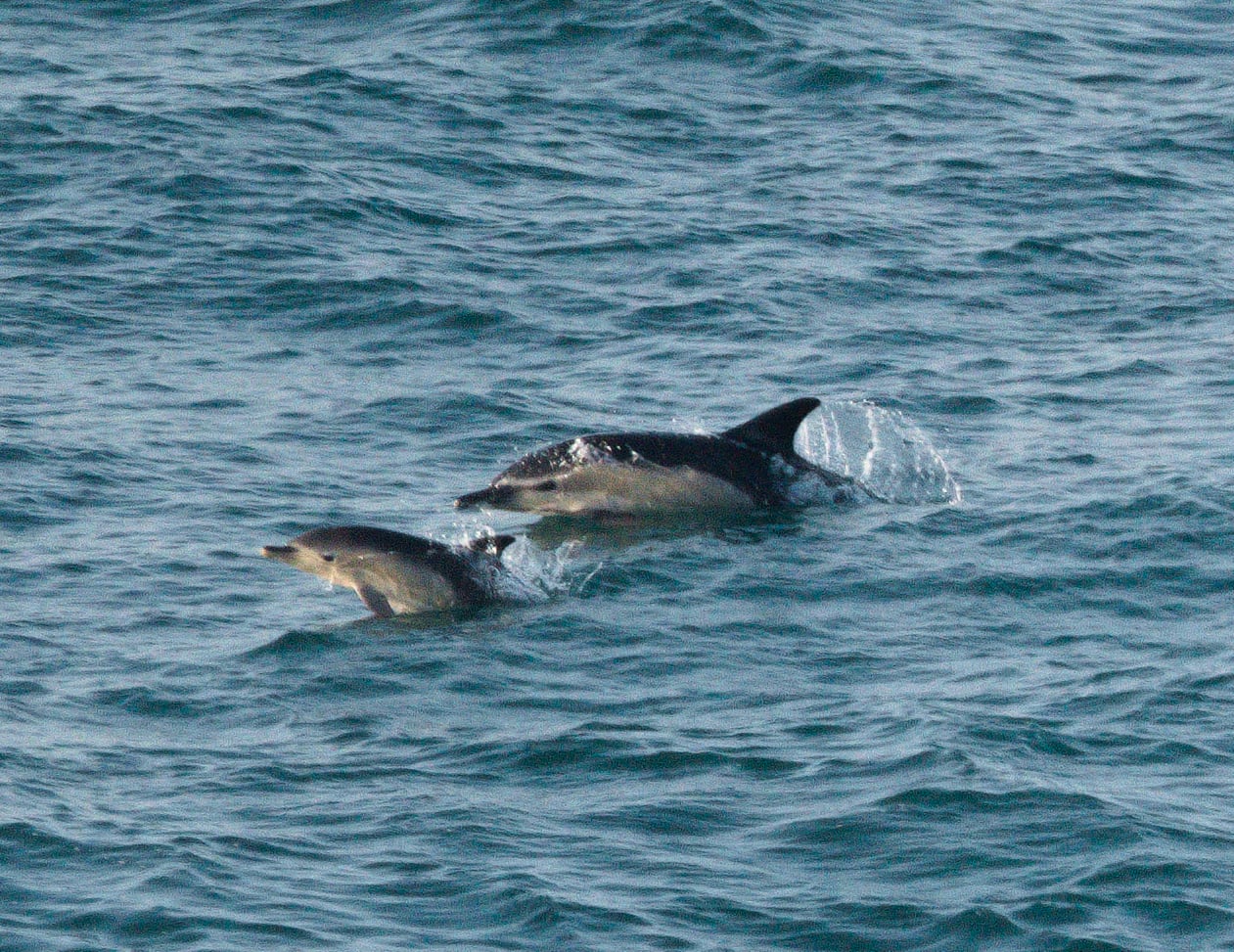
Common Dolphin in New York

Delphinus delphis

Native to New York S4 Apparently Secure in New York

Not listed as nonindigenous in New York by USGS NAS; native to its New York range.

IUCN Red List status

  1. LC
  2. NT
  3. VU
  4. EN
  5. CR
  6. EW
  7. EX

LC – Least Concern

Widespread and abundant; not at risk.

Common Dolphin in New York, by the numbers

Occasional in New York 56th most recorded of 102 mammals logged in New York

30 occurrence records
28 with iNaturalist photos
Jul 8, 2026 Last seen in New York

Records from 2000–2026.

30 total records count every New York occurrence from GBIF and iNaturalist; the map plots a georeferenced sample of 29; the monthly chart covers the 29 records with a full observation date.

When to look for the Common Dolphin in New York

Most sightings fall in February.

29 New York occurrence records (iNaturalist and GBIF) by month of year, 2000–2026. Shows when the species is recorded, not a guarantee of presence. Based on a small number of dated records; the seasonal pattern may not be representative.

Monthly New York records (table)
MonthRecords
January4
February7
March3
April1
May1
June2
July4
August1
September0
October1
November1
December4

Monthly common dolphin occurrence records (iNaturalist and GBIF) in New York, 2000–2026.

Seasonality

Year-round in New York, with recorded sightings peaking in February.

Occurrence map

Where Common Dolphin has been recorded in New York

29 records mapped · zoom and drag to explore

21 New York records mapped

Notable places to look

Park, forest, or monumentiNaturalist records
Fire Island National Seashore 4
Jones Beach State Park 1
Napeague State Park 1

Protected places with the most common dolphin sightings, from the USGS Protected Areas Database plus named mountain ranges, good spots to look, not a full breakdown, so they don't sum to the total.

Where it's recorded in New York

CountyRecords
New York County 8
Suffolk County 4
Kings County 1
Nassau County 1
Westchester County 1
Other localities 15

The complete county distribution, spread across 5 New York counties. Every occurrence record falls in one county, so these sum to the total. Counties from GBIF and US Census boundaries.

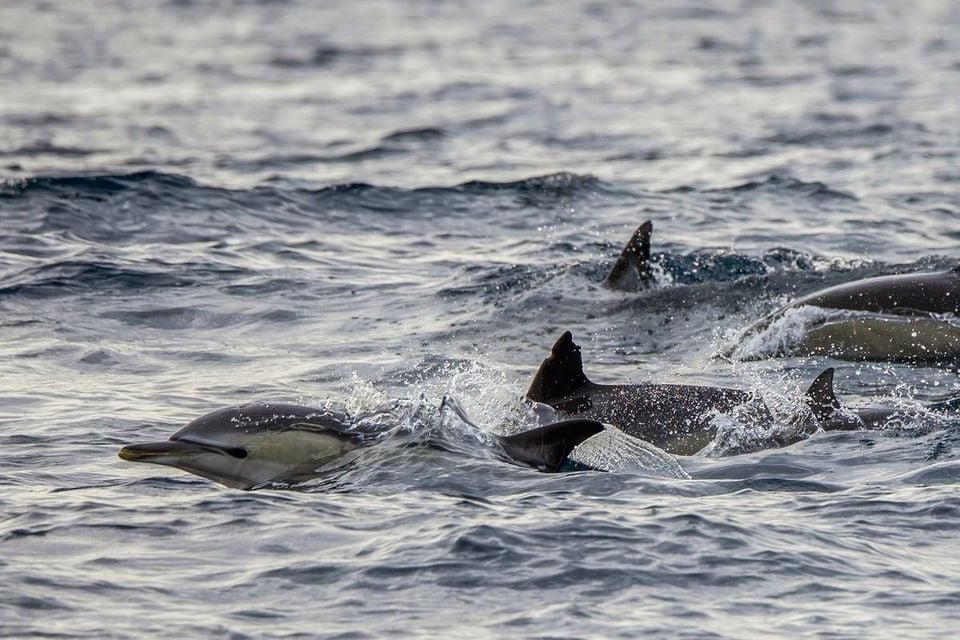
New York’s common dolphin records are weighted toward winter. February leads with 7, January and December add 4 each, and September has none at all. Records usually follow where people look, so a peak in the months when Long Island’s beaches sit nearly empty stands out. It hints that these fast offshore dolphins come closer to the coast in winter, likely following squid and schooling fish. With only 30 records, though, the pattern is a sketch rather than a firm calendar.

New York County, the harbor and river waters around Manhattan, leads the county list with 8 records; a dolphin swimming close to the city rarely goes unphotographed. Suffolk County, at Long Island’s eastern end, adds 4. Fire Island National Seashore is the most often named place, and Napeague State Park and Jones Beach State Park each add one. Another 15 have no county attached, logged out over open water.

All but two of the state’s 30 records are iNaturalist observations, chance sightings of an animal that usually travels in quick groups well beyond the surf line. NatureServe ranks the common dolphin S4, apparently secure in New York, and it’s native to these waters.
Occurrence data from iNaturalist and GBIF.

Common Dolphin in other states

More mammals in New York in the atlas

Data & sources

The data and visualizations on this page draw on these open sources:

  • GBIFCC-BY 4.0occurrence records behind the range map, elevation, and record counts
  • iNaturalistCC0 / CC-BY / CC-BY-SAobservations, photos, and audio recordings
  • NatureServe ExplorerCC-BYthe state conservation rank
  • IUCN Red Listattributed factthe global conservation status
  • USGS NASpublic domainnative / introduced status
  • Natural Earthpublic domainthe relief basemap
  • USFSpublic domainnational-forest boundaries
  • USGS Protected Areas Databasepublic domainthe named parks, forests, and refuges behind "notable places to look"




