Maryland mammals

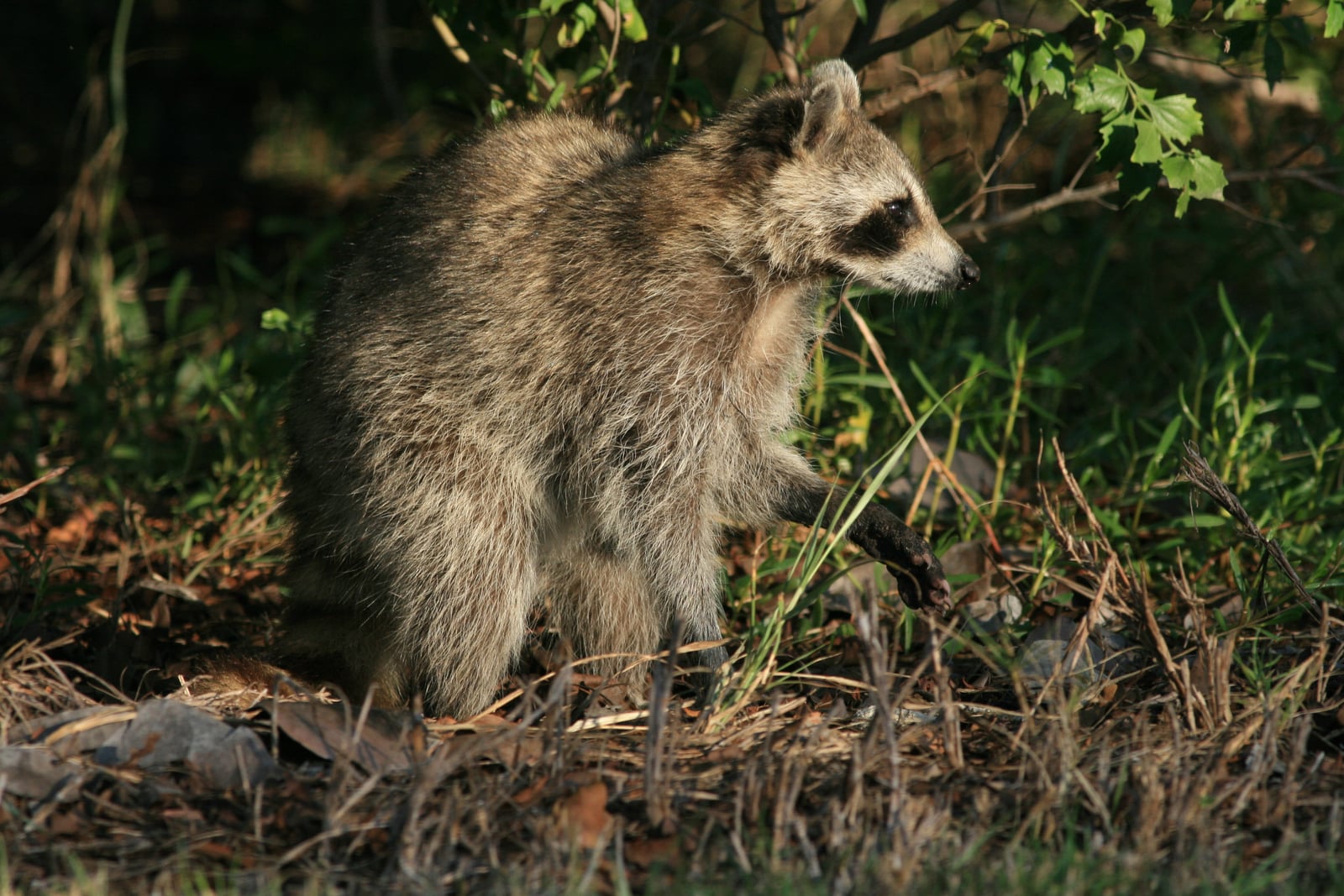
Common Raccoon in Maryland

Procyon lotor

Native to Maryland S5 Secure in Maryland

Not listed as nonindigenous in Maryland by USGS NAS; native to its Maryland range.

IUCN Red List status

  1. LC
  2. NT
  3. VU
  4. EN
  5. CR
  6. EW
  7. EX

LC – Least Concern

Widespread and abundant; not at risk.

Common Raccoon in Maryland, by the numbers

Common in Maryland 5th most recorded of 57 mammals logged in Maryland

3,976 occurrence records
3,974 with iNaturalist photos

Records from 2000–2026.

3,976 total records count every Maryland occurrence from GBIF and iNaturalist; the map plots a georeferenced sample of 300; the monthly chart covers the 3,817 records with a full observation date.

When to look for the Common Raccoon in Maryland

Most sightings fall in February to July.

3,817 Maryland occurrence records (iNaturalist and GBIF) by month of year, 2000–2026. Shows when the species is recorded, not a guarantee of presence.

Monthly Maryland records (table)
MonthRecords
January220
February279
March404
April444
May448
June413
July319
August243
September308
October272
November229
December238

Monthly common raccoon occurrence records (iNaturalist and GBIF) in Maryland, 2000–2026.

Seasonality

Year-round in Maryland, with recorded sightings peaking in February–July, with a smaller rise in September–October.

Occurrence map

Where Common Raccoon has been recorded in Maryland

300 records mapped · zoom and drag to explore

300 Maryland records mapped

Notable places to look

Park, forest, or monumentiNaturalist records
Chesapeake and Ohio Canal National Historical Park 54
Harriet Tubman Underground Railroad National Historical Park 51
Assateague Island National Seashore 31
Mckee Beshers Wildlife Management Area 17
Catoctin Mountain Park 9
George Washington Memorial Parkway 8
Appalachian National Scenic Trail 7
Hart, Miller and Pleasure Islands State Park 7

Protected places with the most common raccoon sightings, from the USGS Protected Areas Database plus named mountain ranges, good spots to look, not a full breakdown, so they don't sum to the total.

Where it's recorded in Maryland

CountyRecords
Montgomery County 1,269
Howard County 496
Baltimore County 385
Prince George's County 327
Anne Arundel County 249
Frederick County 171
Calvert County 108
Harford County 93
Dorchester County 89
Cecil County 82
Garrett County 74
Worcester County 59
11 other counties 574

The complete county distribution, spread across 23 Maryland counties. Every occurrence record falls in one county, so these sum to the total. Counties from GBIF and US Census boundaries.

With 3,976 records, the common raccoon is one of the most thoroughly mapped mammals in Maryland, found in every county from the barrier dunes of Assateague Island National Seashore to Catoctin Mountain Park, with Montgomery, Howard, and Baltimore counties carrying the heaviest counts.

An omnivore that works with its hands

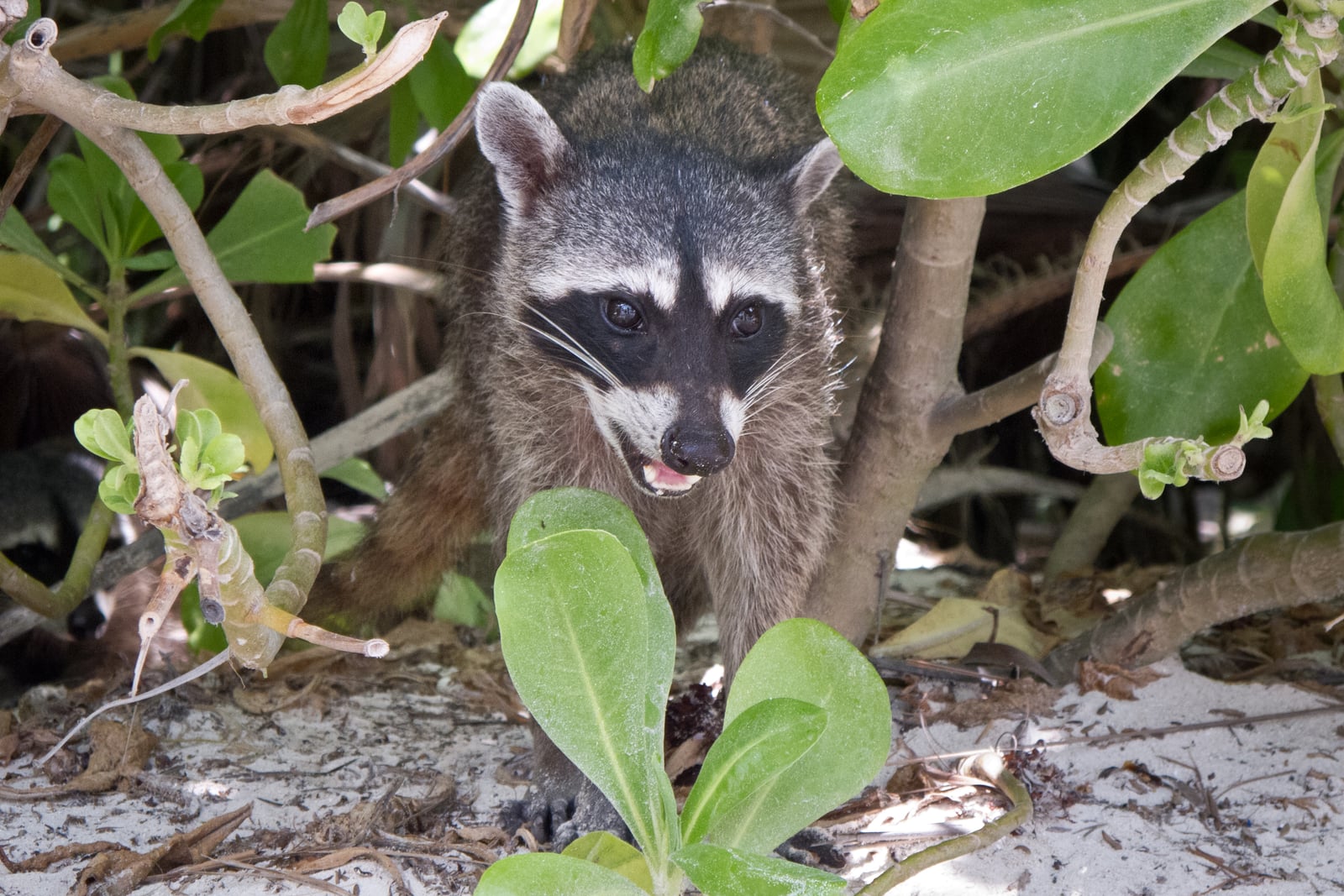
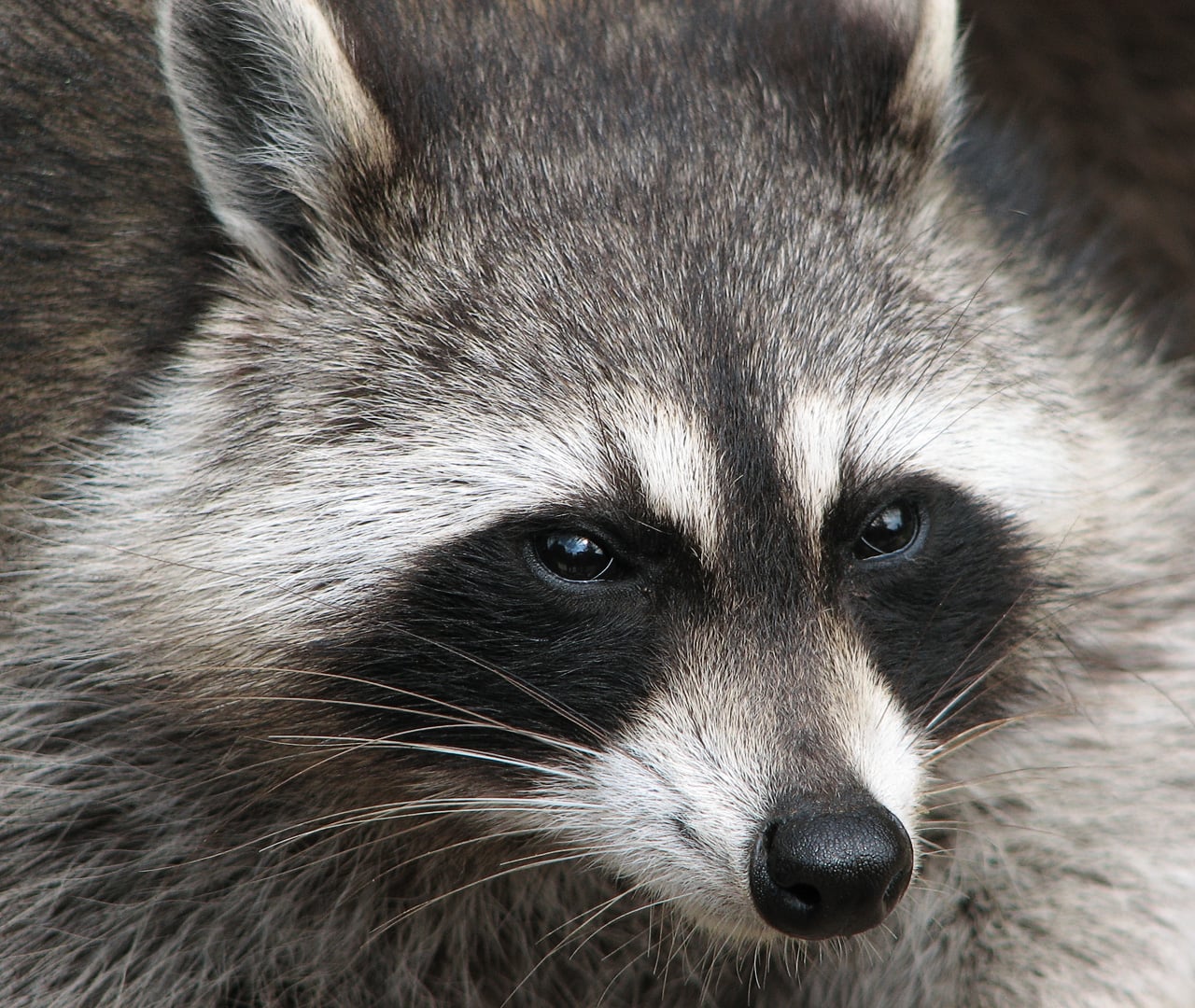
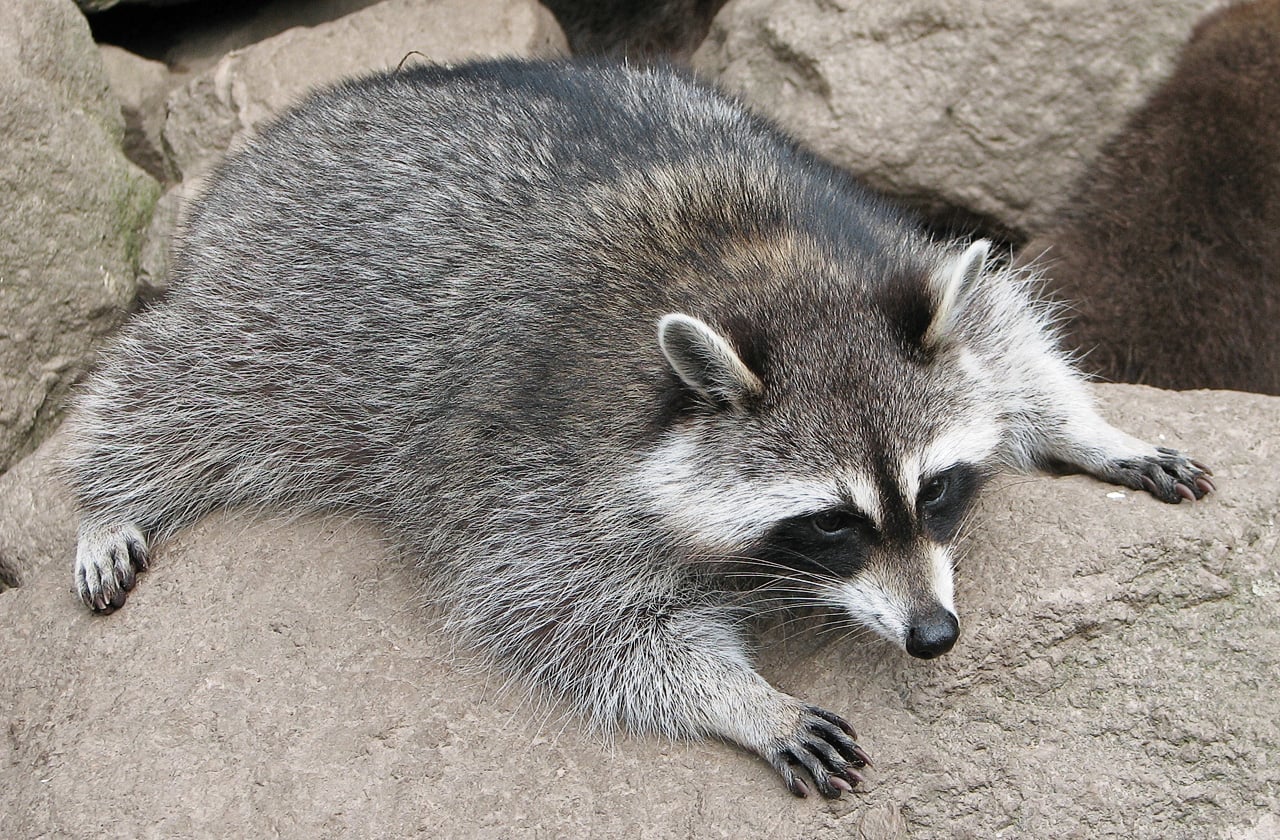
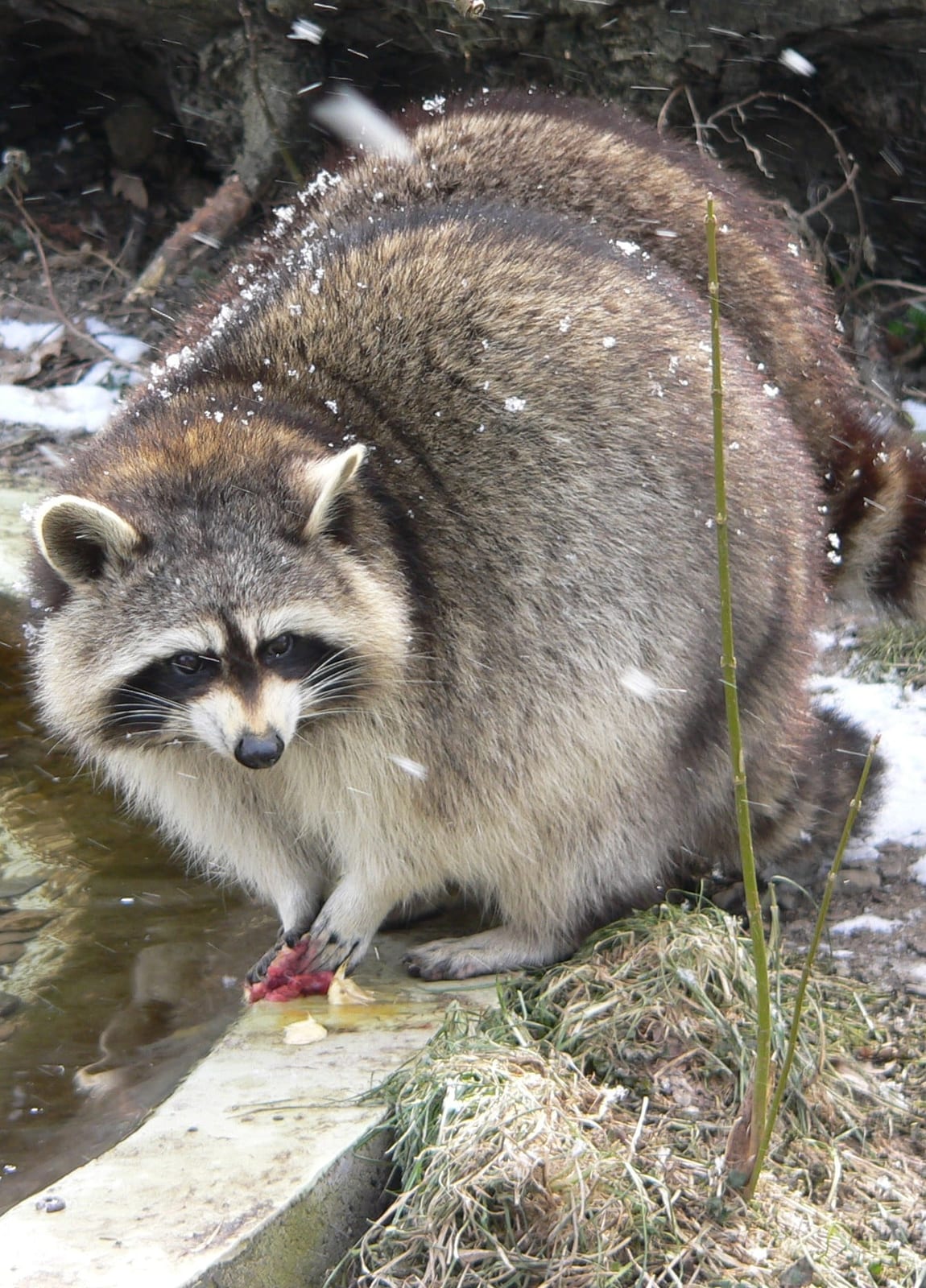
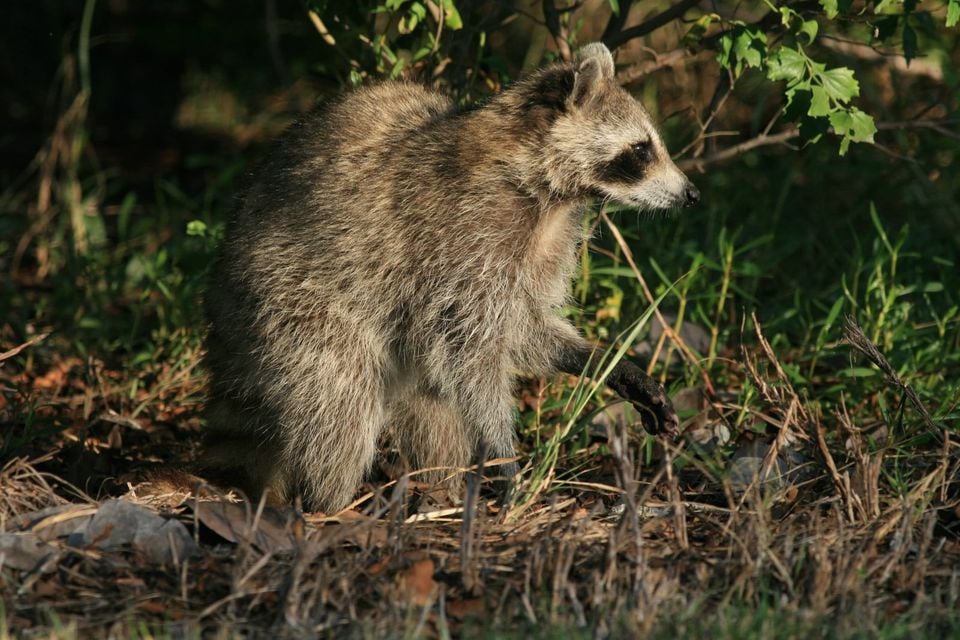
A raccoon’s forepaws are close to hands, and it uses them to feel for crayfish and frogs along muddy shorelines, raid nests, strip fruit, and open whatever a suburban yard leaves out. That flexibility lets it live almost anywhere in Maryland, in bottomland hardwoods, tidal marsh, farm country, and city neighborhoods alike, and it stays mostly nocturnal wherever people are active.

Spring is family season

Maryland records run all year but crest in April and May, when females are denning with newborn kits in hollow trees and abandoned burrows and foraging hard to feed them. Raccoons do not truly hibernate. They hole up for days during hard cold, then get back to traveling, so a mid-winter thaw can put tracks in fresh snow far from any den.

Status in Maryland

NatureServe ranks the common raccoon S5, Secure, in Maryland, and the species is native to the state. USGS NAS does not list it as nonindigenous here.
Occurrence data from iNaturalist and GBIF.

Common Raccoon in other states

Common Raccoon range map (all states)

More mammals in Maryland in the atlas

Data & sources

The data and visualizations on this page draw on these open sources:

  • GBIFCC-BY 4.0occurrence records behind the range map, elevation, and record counts
  • iNaturalistCC0 / CC-BY / CC-BY-SAobservations, photos, and audio recordings
  • NatureServe ExplorerCC-BYthe state conservation rank
  • IUCN Red Listattributed factthe global conservation status
  • USGS NASpublic domainnative / introduced status
  • Natural Earthpublic domainthe relief basemap
  • USFSpublic domainnational-forest boundaries
  • USGS Protected Areas Databasepublic domainthe named parks, forests, and refuges behind "notable places to look"