
New Mexico mammals

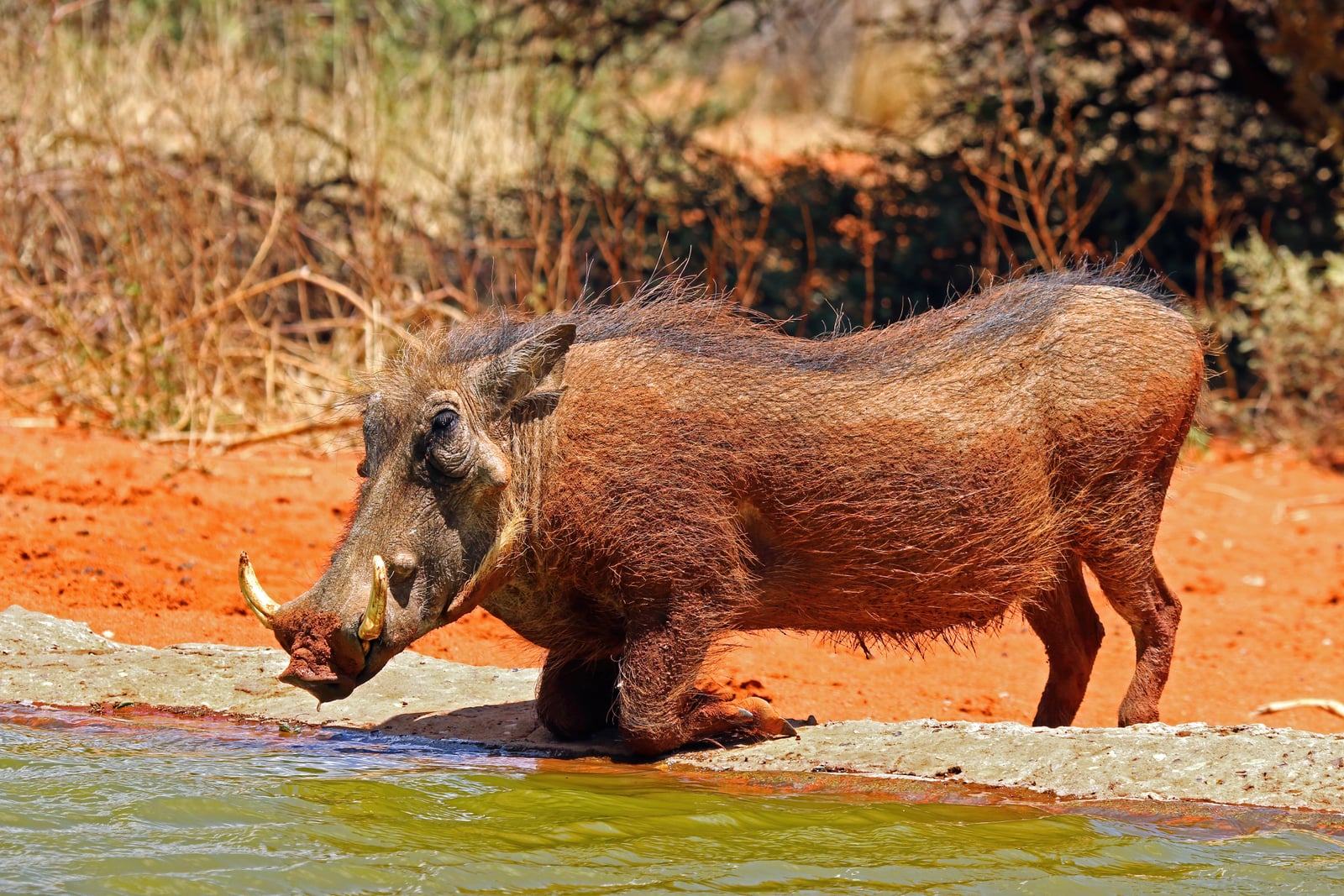
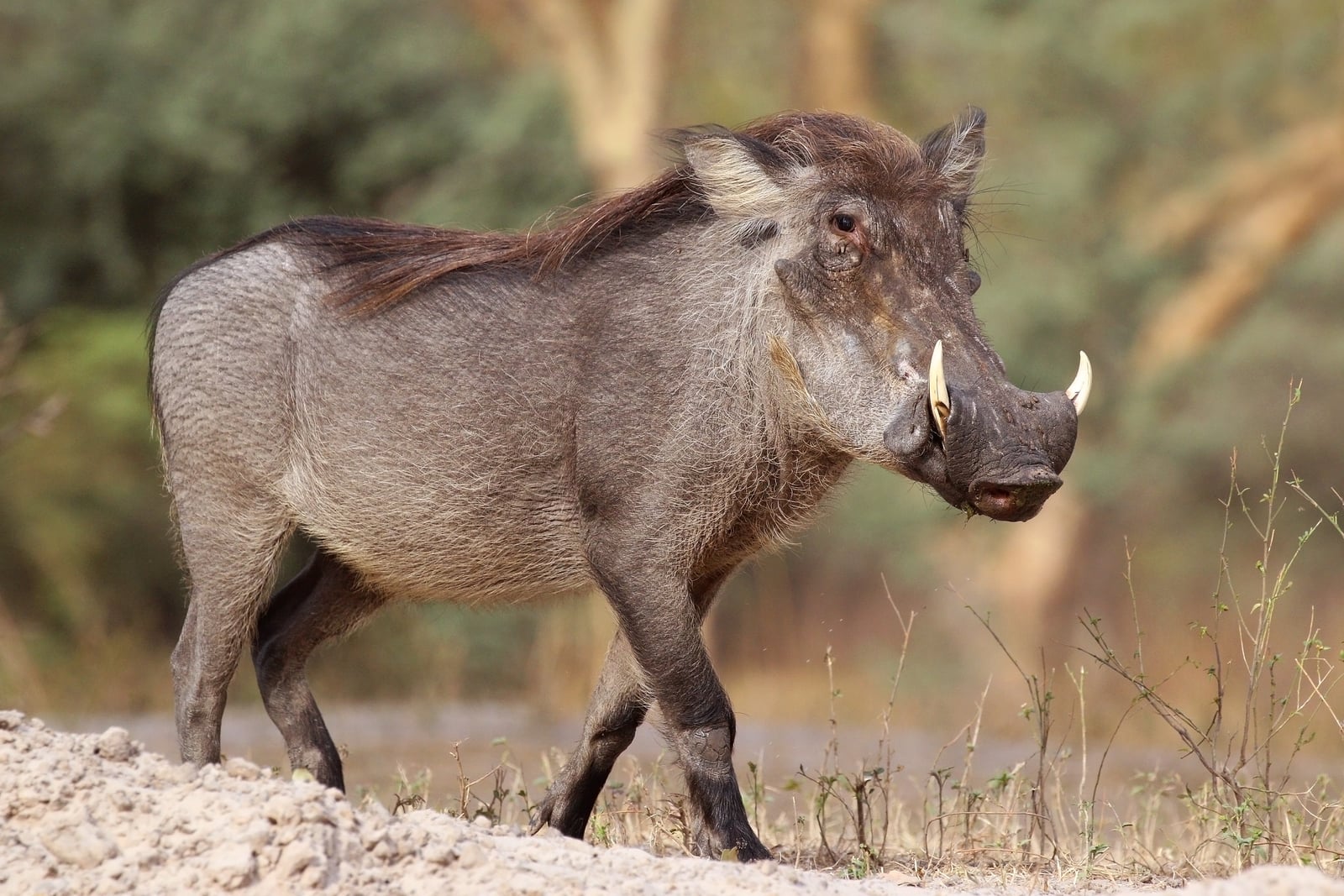
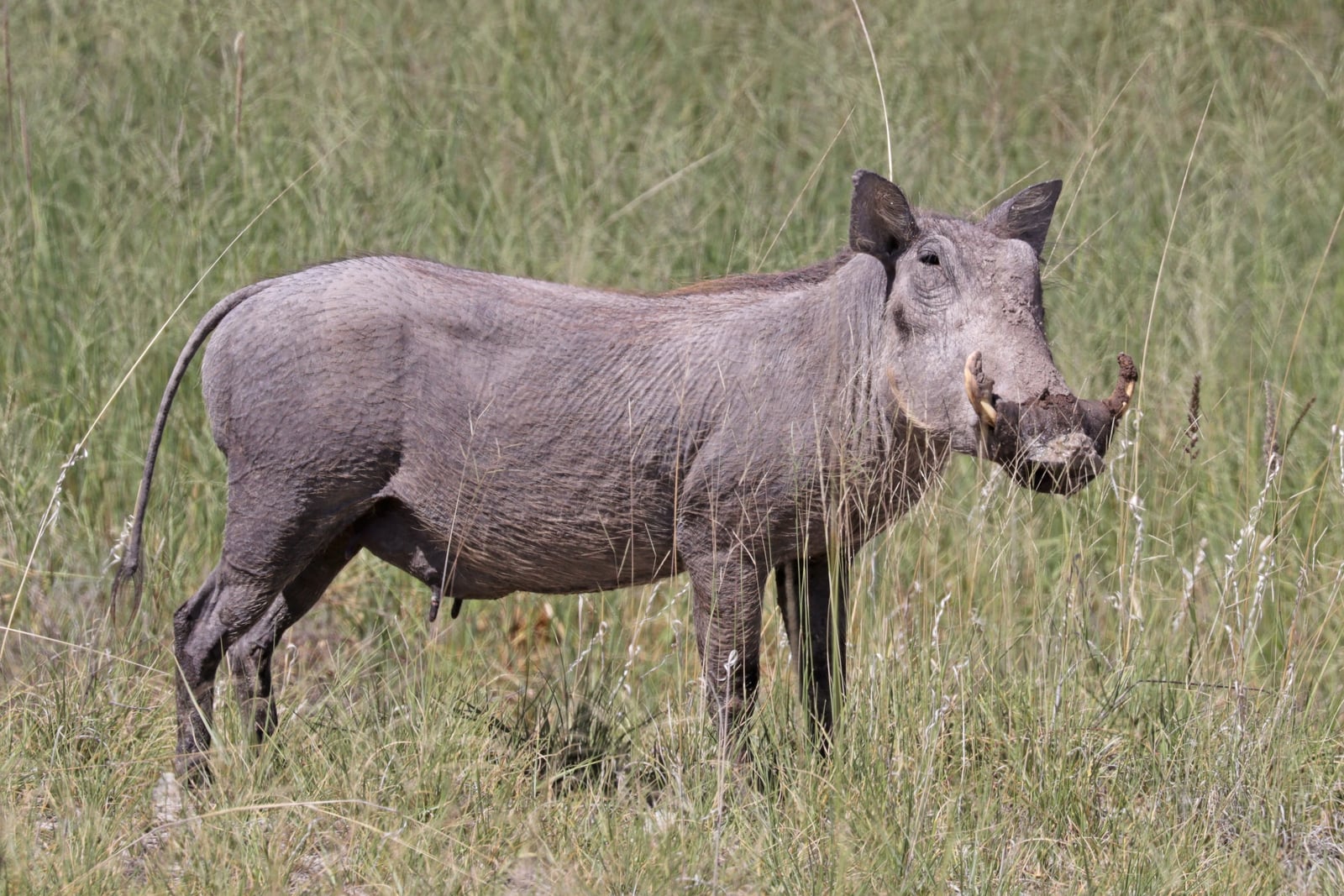
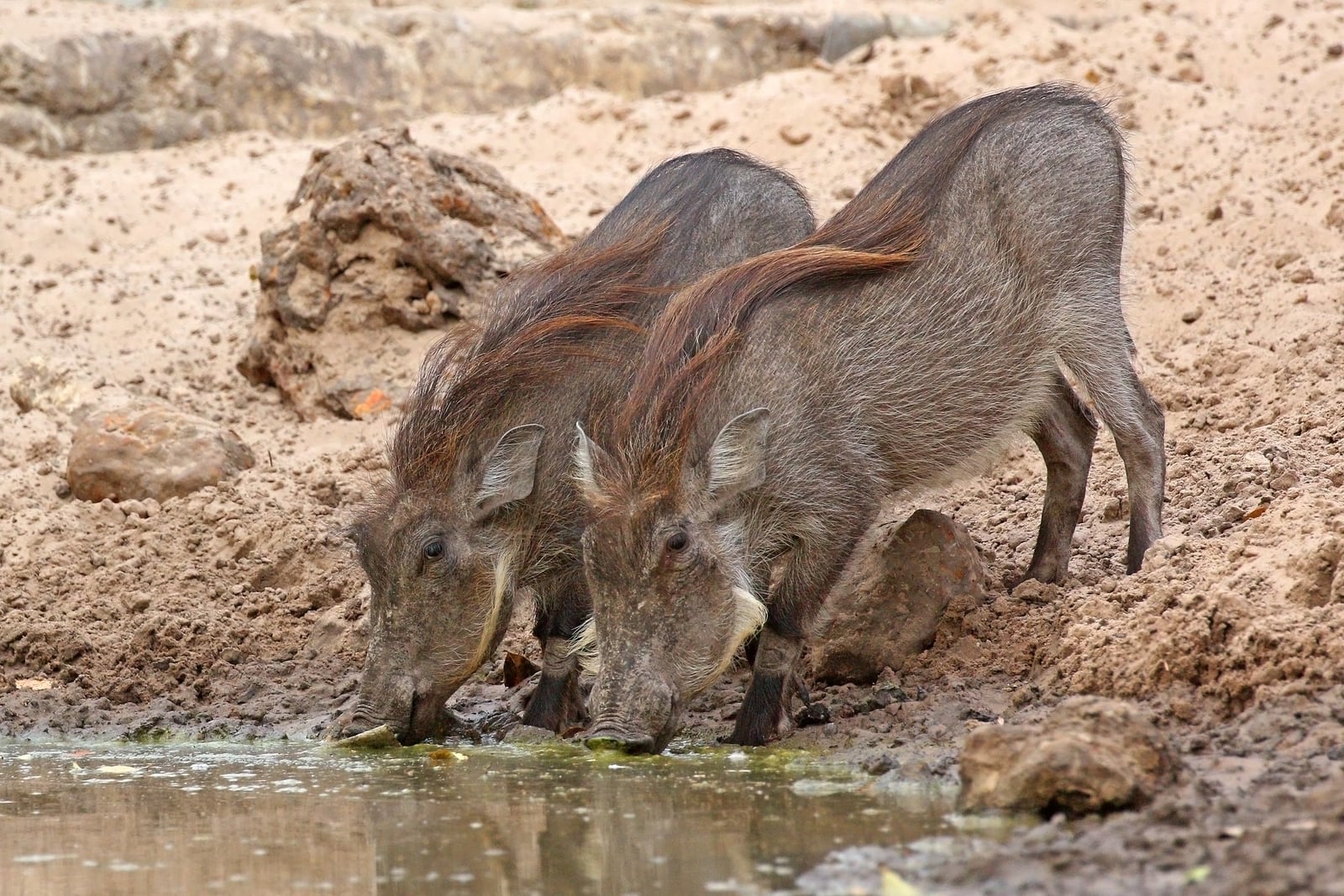
Common Warthog in New Mexico

Phacochoerus africanus

Native to New Mexico

Not listed as nonindigenous in New Mexico by USGS NAS; treated as native to its mapped New Mexico range.

IUCN Red List status

  1. LC
  2. NT
  3. VU
  4. EN
  5. CR
  6. EW
  7. EX

LC – Least Concern

Widespread and abundant; not at risk.

Common Warthog in New Mexico, by the numbers

Rare in New Mexico 145th most recorded of 176 mammals logged in New Mexico

12 occurrence records

Records from 2000–2026.

When to look for the Common Warthog in New Mexico

Most sightings fall in February.

12 New Mexico occurrence records (iNaturalist and GBIF) by month of year, 2000–2026. Shows when the species is recorded, not a guarantee of presence. Based on a small number of dated records; the seasonal pattern may not be representative.

Monthly New Mexico records (table)
MonthRecords
January0
February2
March1
April2
May0
June1
July0
August2
September1
October1
November1
December1

Monthly common warthog occurrence records (iNaturalist and GBIF) in New Mexico, 2000–2026.

Seasonality

Year-round in New Mexico, with recorded sightings peaking in February, with a smaller rise in April and August.

Occurrence map

Where Common Warthog has been recorded in New Mexico

12 records mapped · zoom and drag to explore

12 New Mexico records mapped

Where it's recorded in New Mexico

CountyRecords
Bernalillo County 12

The complete county distribution, spread across 1 New Mexico counties. Every occurrence record falls in one county, so these sum to the total. Counties from GBIF and US Census boundaries.

Common warthogs are native to sub-Saharan Africa, so any animal recorded in New Mexico traces back to captive or ranched stock, not a self-sustaining wild population. Exotic-game ranches keep free-ranging herds in parts of the Southwest, and a stray or escaped animal can wander well beyond the fence line.

New Mexico’s mapped reports are thin and scattered across Carson National Forest, Gila National Forest, and Lincoln National Forest, three forests hundreds of miles apart rather than one cluster. Monthly counts stay in the single digits all year, which isn’t enough to show a real seasonal pattern, so the small Feb, Apr, Aug bump in the record probably says more about who was out reporting than about the warthog itself.
Occurrence data from iNaturalist and GBIF.

More mammals in New Mexico in the atlas

Data & sources

The data and visualizations on this page draw on these open sources:

  • GBIFCC-BY 4.0occurrence records behind the range map, elevation, and record counts
  • iNaturalistCC0 / CC-BY / CC-BY-SAobservations, photos, and audio recordings
  • IUCN Red Listattributed factthe global conservation status
  • USGS NASpublic domainnative / introduced status
  • Natural Earthpublic domainthe relief basemap
  • USFSpublic domainnational-forest boundaries




